- BIST10011,333+2.81%
- USD50.03+0.05%
- EUR56.26+0.56%
- GOLD4,104.80+0.78%
- INTEREST36.00%-1.00
- BITCOIN76,792-4.52%
- November 5, 202621°
- BIST10011,333+2.81%
- USD50.03+0.05%
- EUR56.26+0.56%
- GOLD4,104.80+0.78%
- INTEREST36.00%-1.00
- BITCOIN76,792-4.52%
- November 5, 202621°
Dartmouth's Burçin Mutlu-Pakdil to lead $2.5M hunt for the universe's faintest galaxies
Turkish-born astrophysicist Burçin Mutlu-Pakdil, an assistant professor at Dartmouth College, has been named one of five inaugural winners of Schmidt Sciences' FirstLight Awards. The award brings up to $2.5 million over five years for her team's search for tiny, faint dwarf galaxies that could test our understanding of dark matter.
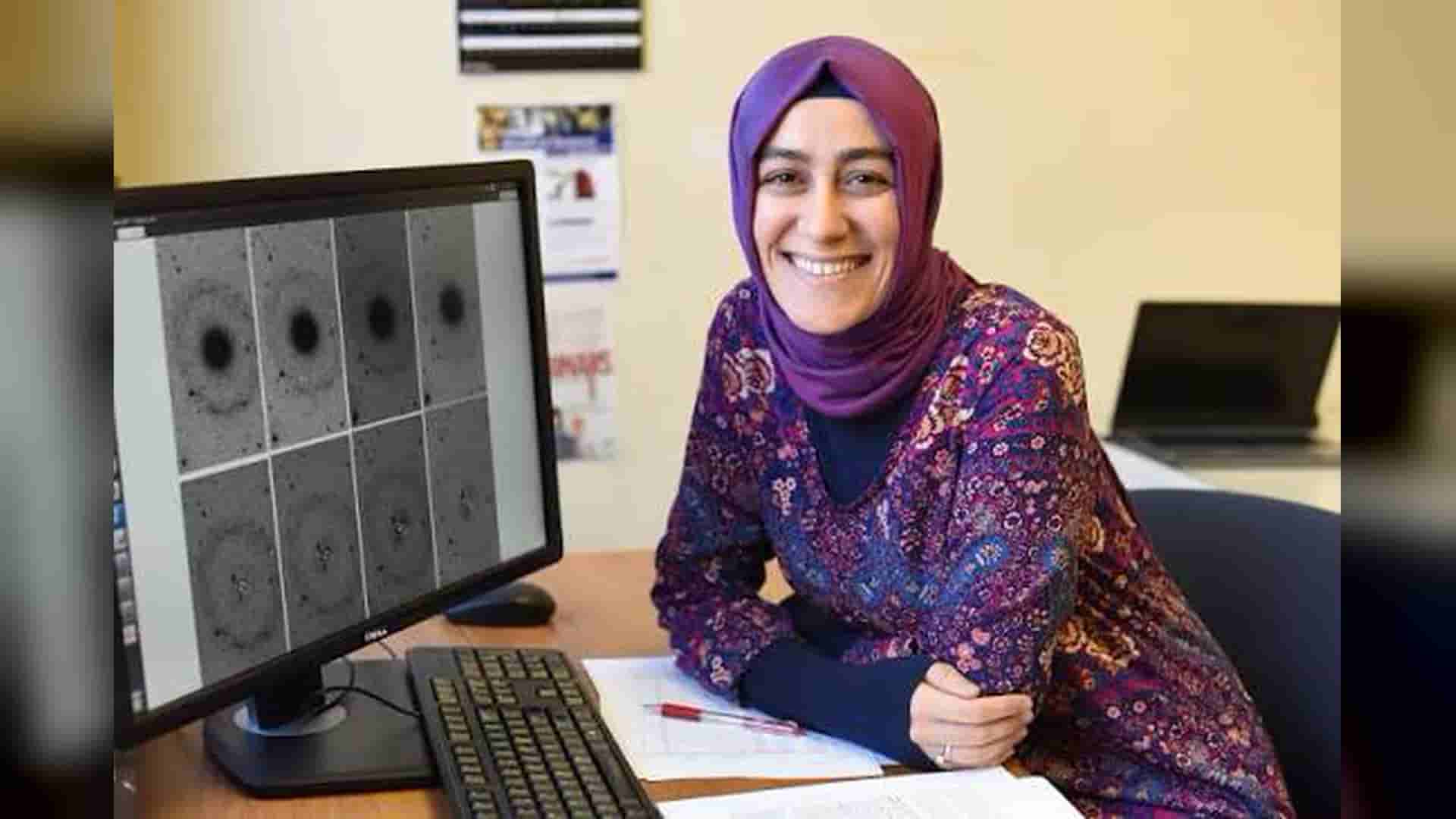
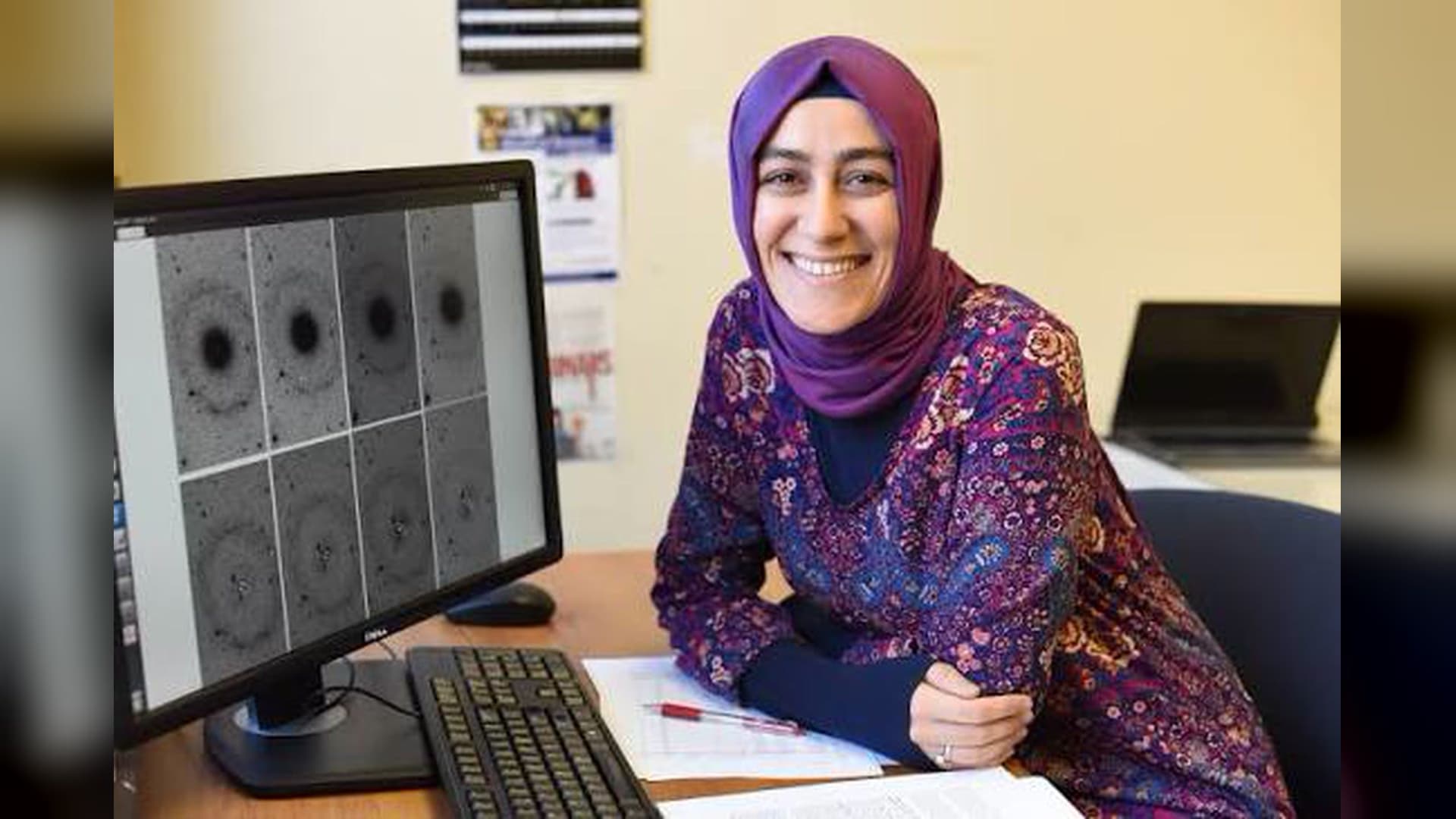
Burçin Mutlu-Pakdil, a Turkish astrophysicist and assistant professor of physics and astronomy at Dartmouth College in New Hampshire, is one of five early-career scientists selected for the first-ever FirstLight Awards from Schmidt Sciences, the nonprofit founded by former Google CEO Eric Schmidt and his wife, Wendy Schmidt. The award will provide up to $500,000 a year for up to five years — as much as $2.5 million — to build and lead a research team.
Schmidt Sciences announced the inaugural cohort on Nov. 3 from Florence, Italy, saying the five winners were chosen from more than 100 applicants after three rounds of review by external expert committees. Together, the awards could total $12.5 million.
'Answer key questions in astronomy'
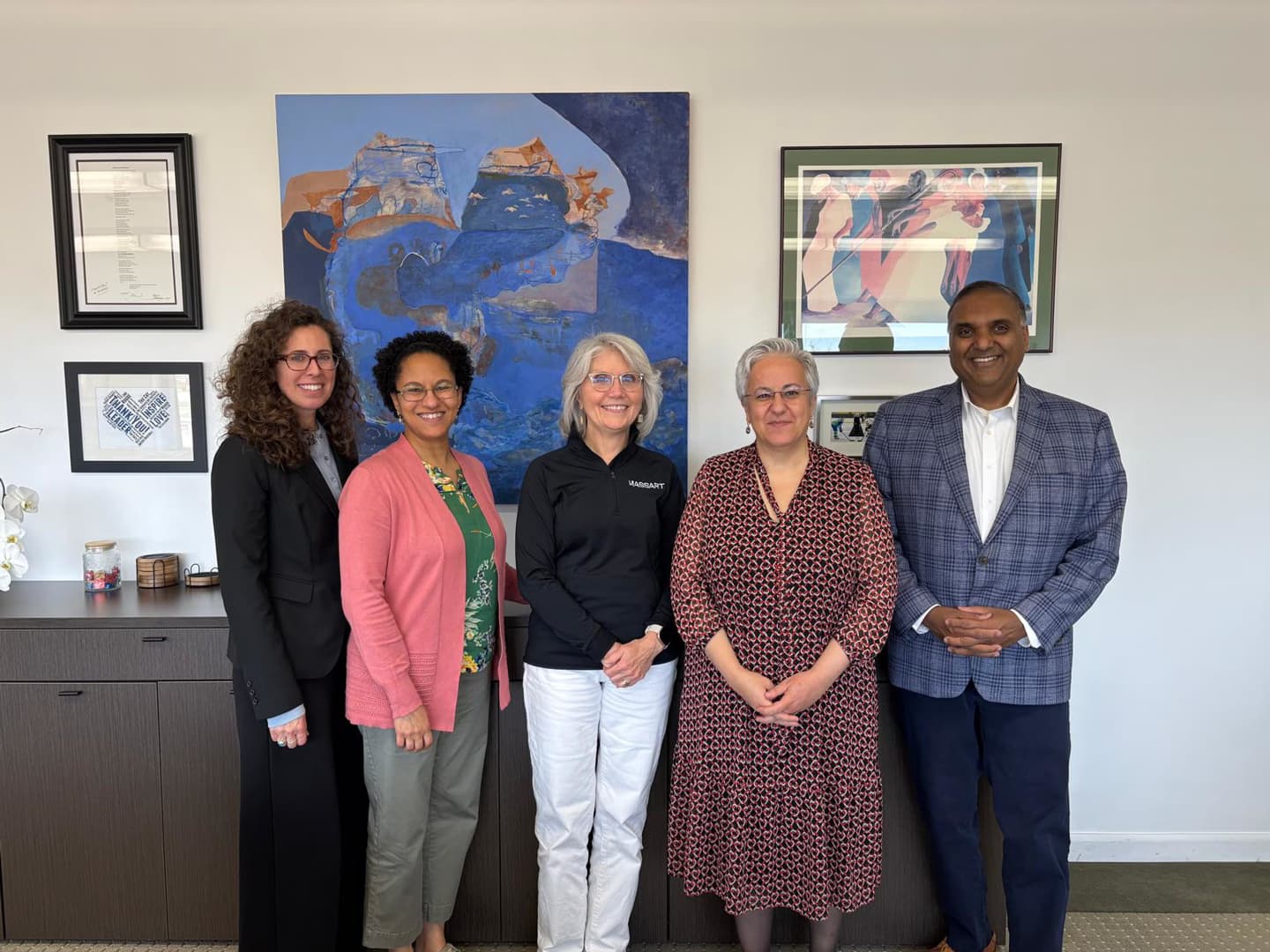
Mutlu-Pakdil shared the news on X, reposting Schmidt Sciences' announcement with a photo of the five awardees and a short message for her followers and her university.
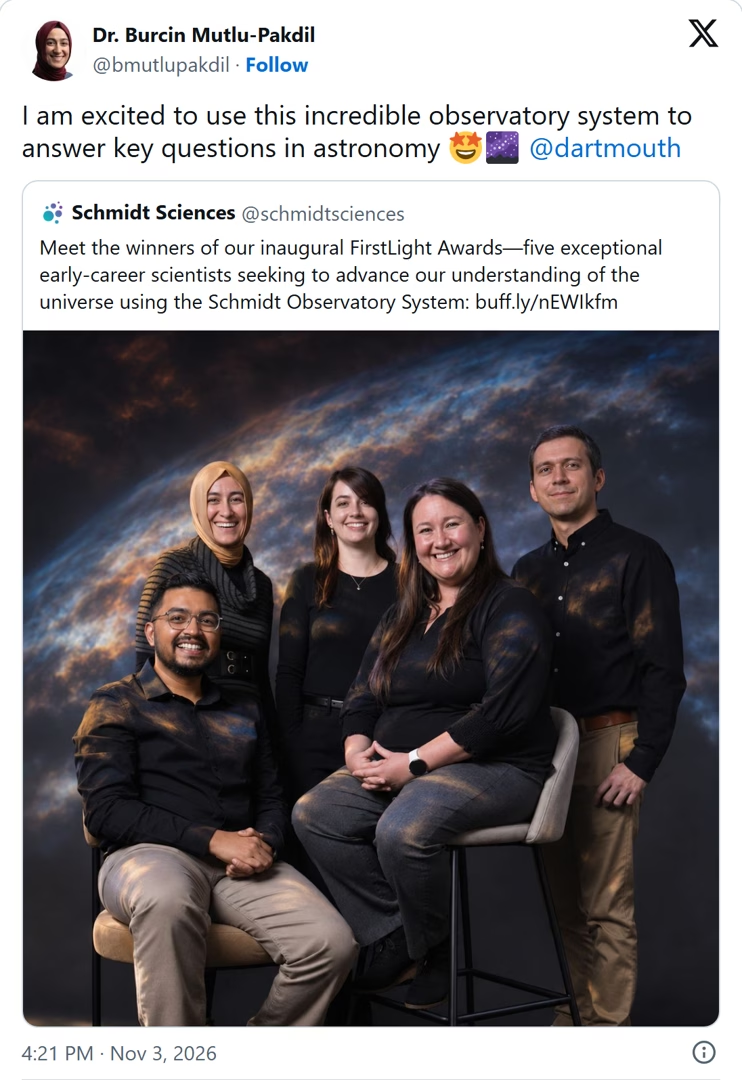
"I am excited to use this incredible observatory system to answer key questions in astronomy," she wrote, tagging Dartmouth. On Instagram, she called it "some exciting news," adding that she was "incredibly honored and excited" and that the award "will support our research over the next five years as we embark on an exciting journey to discover some of the faintest and smallest galaxies in the Universe." In a Turkish-language version of the post, she said the team will combine next-generation telescopes, radio and optical observations and artificial intelligence to find galaxies that have never been seen before.
Testing dark matter with tiny galaxies
Her project, "A Paradigm Shift in Near-Field Cosmology with the Schmidt End-to-End Dwarf Discovery (SEEDD) Pipeline," will search for the smallest, faintest and most numerous galaxies in the universe — dwarf galaxies that are notoriously hard to detect but offer a sensitive test of how dark matter behaves and how galaxies form. She will lead the effort with co-principal investigators David Sand of the University of Arizona and Kristine Spekkens of Queen's University at Kingston in Canada.
The work will draw on the new Eric and Wendy Schmidt Observatory System, a network of four facilities — Argus, Lazuli, LFAST and the DSA radio array — designed to study everything from nearby exoplanets and exploding stars to distant galaxies across optical, infrared and radio wavelengths. Under the terms of the award, the teams will make their research, software and related work freely and publicly accessible, and the students and postdoctoral researchers they recruit will be named FirstLight Fellows.
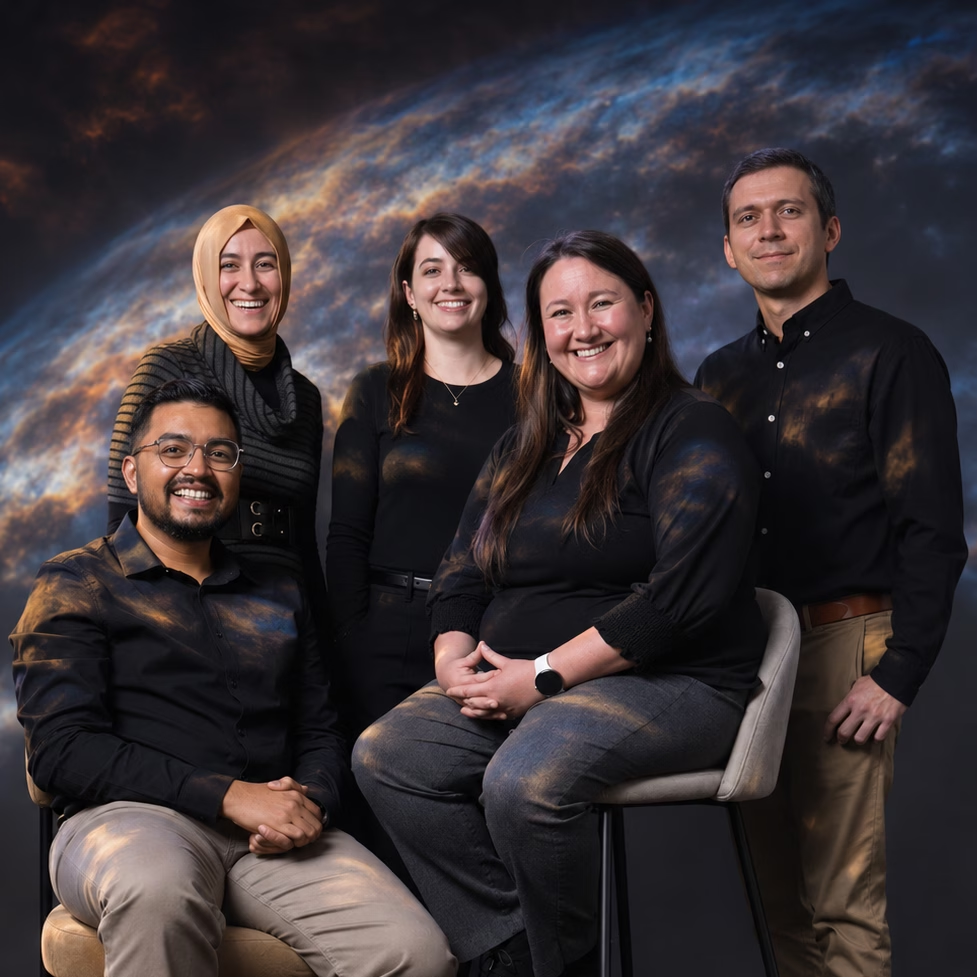
"Building four new observatories is an extraordinary scientific undertaking, but its ultimate value lies in the discoveries that researchers make with it," said Arpita Roy, director of the Astrophysics & Space Center at Schmidt Sciences. "With FirstLight, we are investing early in the people who will turn these new capabilities into important science." The other inaugural winners are Adina Feinstein of Michigan State University, Griffin Hosseinzadeh of UC San Diego, Kimberly Ward-Duong of Smith College and Vivek Venkatraman Krishnan of the Max Planck Institute for Radio Astronomy.
The scientist behind 'Burçin's Galaxy'
Mutlu-Pakdil first made headlines as a graduate student when she helped identify a rare double-ringed elliptical galaxy, PGC 1000714, which became known as "Burçin's Galaxy" — the first description of its kind and a puzzle for existing models of how such ring systems form. She earned her bachelor's degree in physics at Bilkent University in Ankara, Türkiye, and her doctorate at the University of Minnesota, and was named a TED Fellow in 2018 and a TED Senior Fellow in 2020.
Known for sharing life at the telescope with a large following on social media, she has become one of the most visible Turkish women in American astronomy — and, with FirstLight, one of a handful of early-career scientists shaping how a brand-new observatory network will be used.
Photos: social media; X/@bmutlupakdil; Schmidt Sciences
Stay Updated with Ally Daily
Subscribe to be informed about special news, developments and announcements. We will keep you informed.
By signing up, you agree to our Privacy Policy