Oil prices fell in international markets on Monday. Brent crude oil barrel price dropped to as low as $71.09 during the day, testing the lowest level since February, before closing at $71.87 with a 0.15 percent loss.
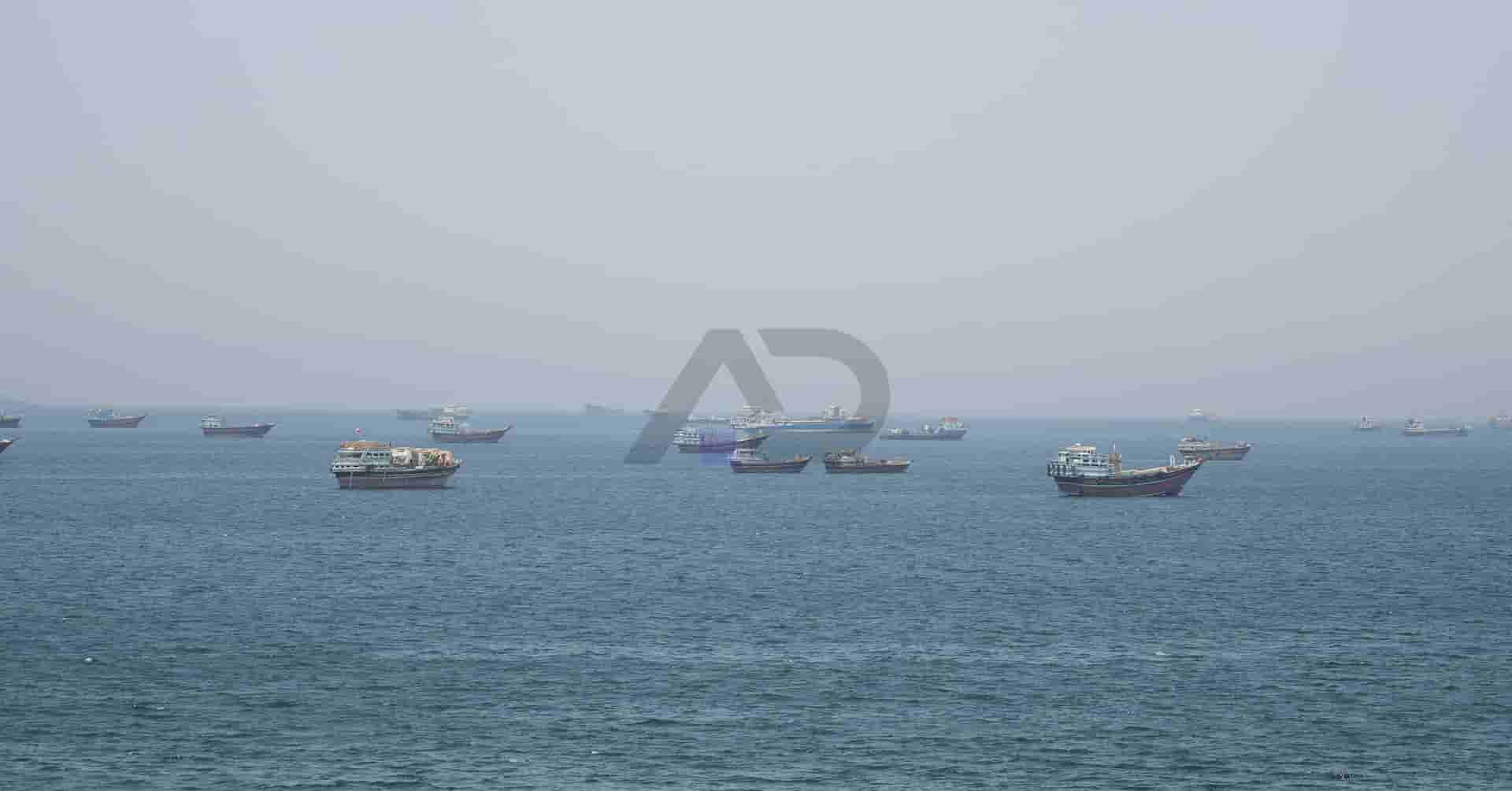
Two key developments stood out in this decline: the OPEC+ countries' decision to increase production and the rise in the number of oil tankers passing through the Strait of Hormuz following the ceasefire between the US and Iran.
OPEC+ approves fifth consecutive production increase
The OPEC+ group approved a total increase of 188,000 barrels per day in oil production by Saudi Arabia, Iraq, Kuwait, Oman, Algeria, Russia and Kazakhstan starting from August, during a virtual meeting on Sunday. This decision marks the group's fifth consecutive monthly increase as it gradually phases out the cuts it began in 2023.
Traffic in the Strait of Hormuz returns to normal
Maritime traffic in the Strait of Hormuz, through which about one-fifth of global oil and liquefied natural gas shipments pass, is gradually returning to normal following the US-Iran memorandum of understanding signed on June 17. During the earlier conflicts, Tehran's disruption of navigation in the waterway and its targeting of the US, Israel and Gulf states had driven oil prices up to $115 per barrel in early May.
Although occasional violations and attacks on ships have occurred since the ceasefire, transits through the strait are steadily increasing. According to LSEG data, 10 Japan-linked ships exited the strait on Monday, while a supertanker carrying Saudi oil set sail for South Korea over the weekend.
Meanwhile, crude oil production by the United Arab Emirates, which left OPEC on May 1, exceeded 3.8 million barrels per day in June, approaching a record level.