- BIST10011,131-3.02%
- USD50.47+0.05%
- EUR55.46+0.20%
- GOLD3,517.00-4.57%
- INTEREST36.00%-1.00
- BITCOIN58,469-5.55%
- November 20, 202620°
- BIST10011,131-3.02%
- USD50.47+0.05%
- EUR55.46+0.20%
- GOLD3,517.00-4.57%
- INTEREST36.00%-1.00
- BITCOIN58,469-5.55%
- November 20, 202620°
Pentagon's push for more Patriot interceptors hits a rayon bottleneck
The PAC-3 MSE relies on a single approved carbonized rayon made in France and processed at a Kansas plant, complicating plans to triple output to about 2,000 interceptors a year, The Wall Street Journal reported.
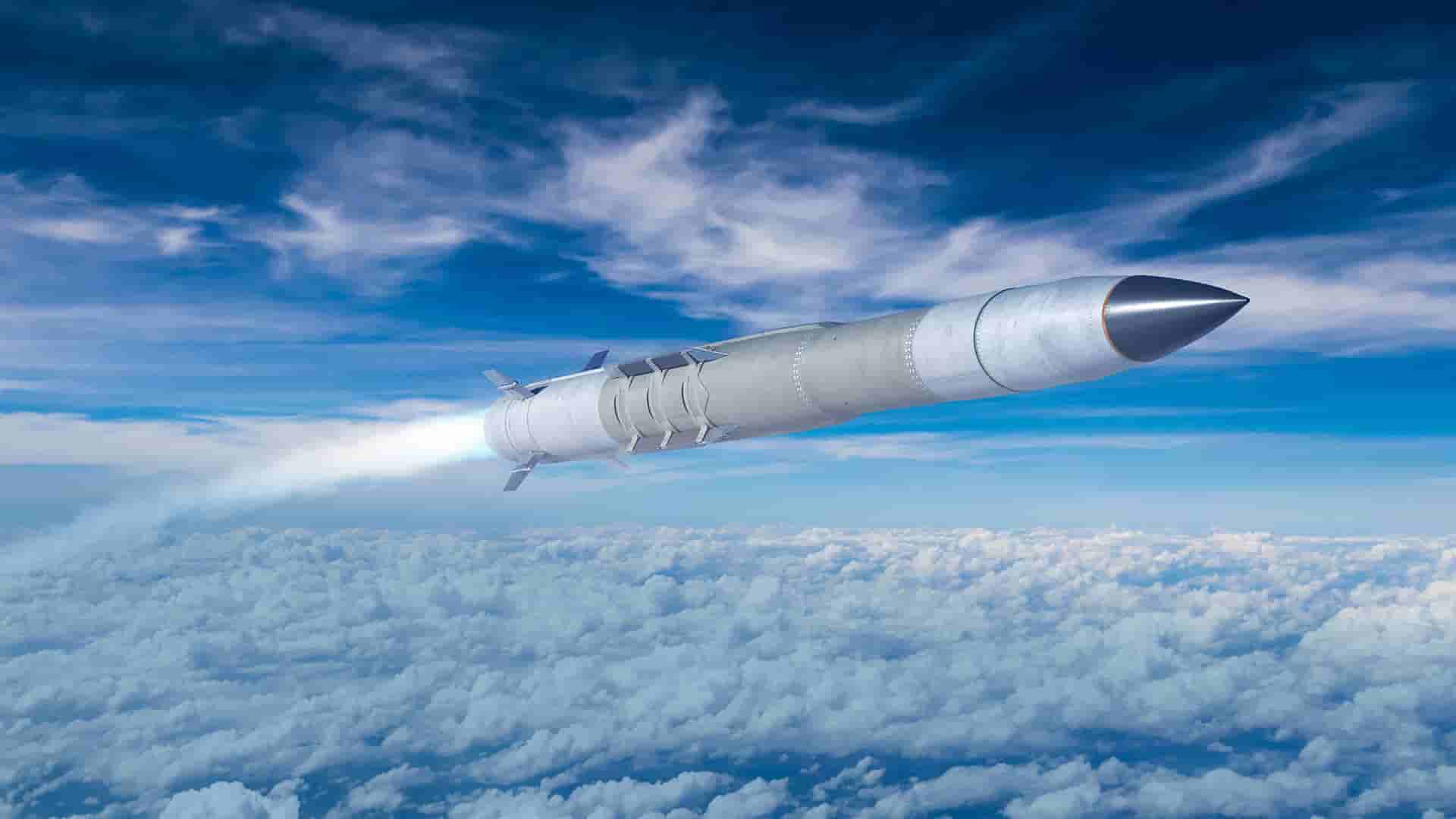
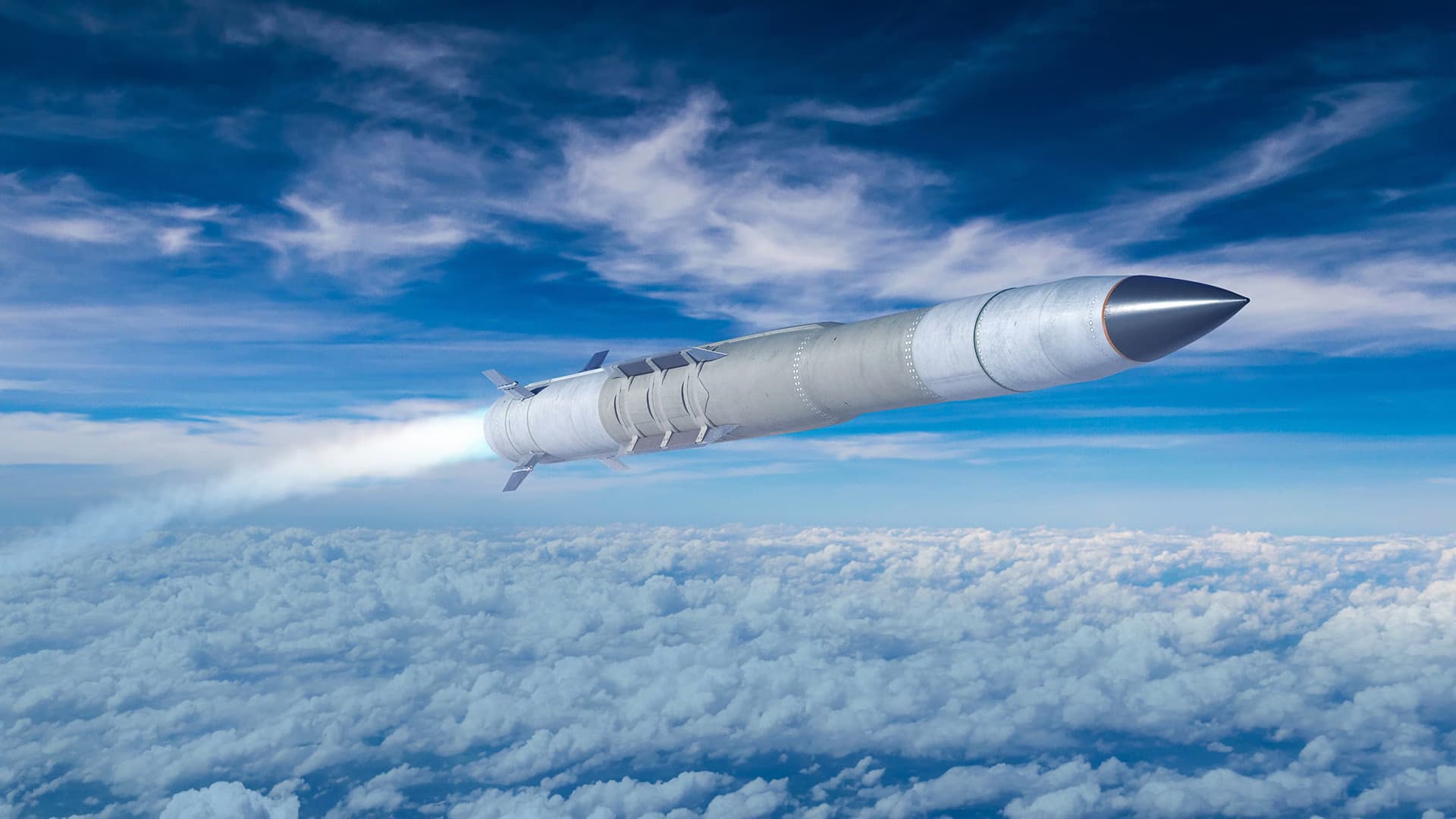
The Pentagon's effort to sharply expand production of its most advanced Patriot interceptors is running into an unlikely chokepoint: rayon. According to The Wall Street Journal, the PAC-3 MSE missile depends on a single approved carbonized rayon product, supplied to the United States through Park Aerospace's factory in Kansas, and its availability ultimately hinges on French manufacturer ArianeGroup, whose output also serves priority customers including the French military.
The constraint complicates a Pentagon-backed plan for Lockheed Martin to more than triple PAC-3 MSE production to roughly 2,000 interceptors a year, as shrinking U.S. inventories raise pressure to build more of the missiles.
From Czech fiber to a Kansas plant
The supply chain spans several countries. The fiber is produced in the Czech Republic, woven into fabric in France and carbonized by ArianeGroup near Bordeaux before the resulting material, known as Raycarb, is shipped to Park, its sole North American distributor. Park applies a specialized resin and sends it to L3Harris, which builds it into the nozzles of the solid rocket motors for Lockheed's interceptors. In flight, the fabric gradually burns away, shielding the motor from extreme heat.
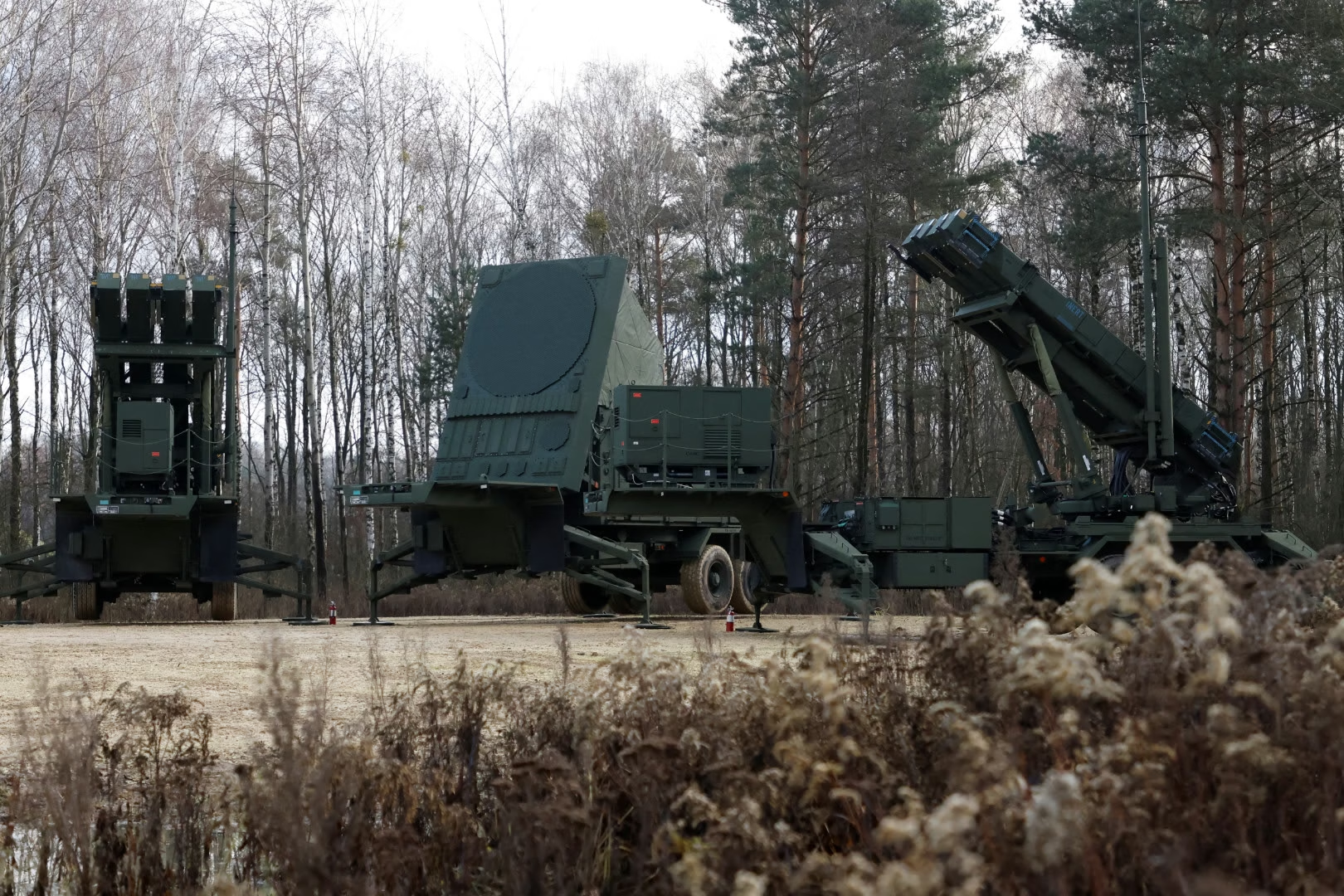
Park Aerospace chief executive Brian Shore told the Journal that a candidate replacement could go through two years of testing and still fail at the final stage. Park has advanced $5 million to support a new Ariane production line in France expected to start supplying rayon in 2028, although Shore said its output would still fall well short of U.S. demand. Ariane has also signed a preliminary agreement for a factory in the United States, backed by a promised $25 million advance from Park, that could open around 2030.
Stopgaps still under test
Park and L3Harris are testing other sources, including Germany's Enka, as possible interim supplies, but none has completed qualification. Enka faces its own uncertainty: its U.S. importer, ICF Mercantile, says operations could end sometime in 2028 without further commitments. L3Harris said it was confident it could secure the materials needed throughout its seven-year framework agreement and was on track to qualify another rayon source, while the Pentagon said it was working to strengthen supply chains and qualify additional suppliers.
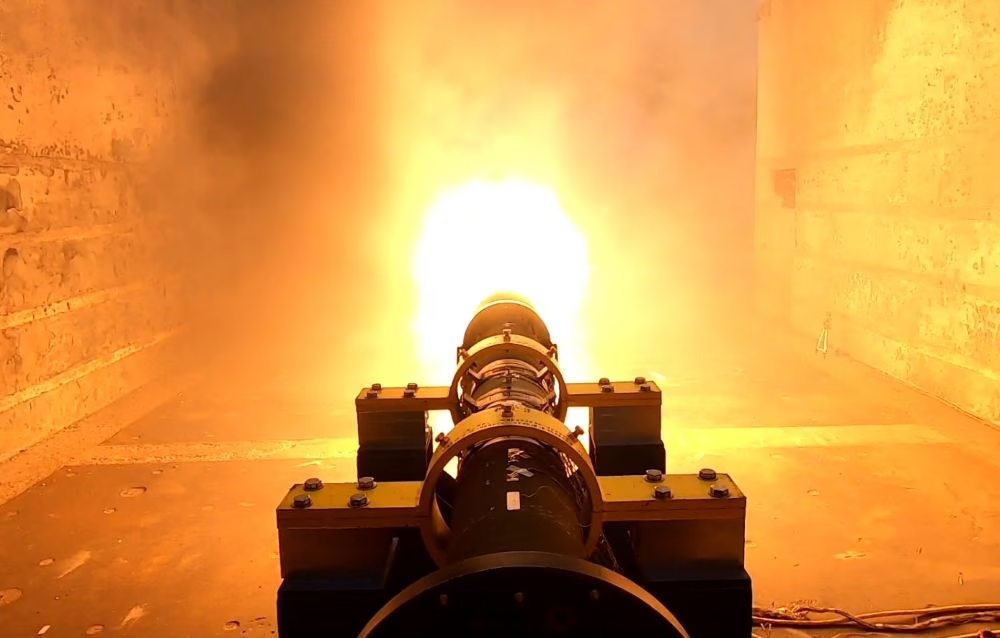
The bottleneck surfaces as money pours into the program. Northrop Grumman this week landed a $1.6 billion order to expand PAC-3 MSE propulsion production, adding capacity in Utah, West Virginia and Maryland.
Images: Lockheed Martin, Reuters, Northrop Grumman.
Stay Updated with Ally Daily
Subscribe to be informed about special news, developments and announcements. We will keep you informed.
By signing up, you agree to our Privacy Policy