Chinese researchers and companies are using output from leading American AI models in increasingly sophisticated ways to train domestic rivals, according to a Reuters review of more than 300 Chinese academic papers, patents, corporate disclosures, recruitment notices and government documents. The practice, known as distillation, has moved beyond academic experiments into mainstream industrial use in China, the news agency reported.
In distillation, a powerful "teacher" model generates answers or shows how to complete tasks, and developers use that material to train a smaller "student" system. The technique is not illegal and is used elsewhere in the world. It cannot copy a leading model's full abilities, but it can help developers keep selected skills in cheaper systems, potentially reducing their need for advanced American chips.
From OpenAI answers to Chinese models
Reuters cited a November 2024 paper in which Shanghai Jiao Tong University researchers selected about 5,000 answers from OpenAI's o1 model, translated them with GPT-4o mini and built 10,750 bilingual training examples to further train Alibaba's Qwen2.5-72B. In an April 2025 paper, Alibaba researchers described using GPT-4 and GPT-4o to generate training material for smaller Qwen models, and a February 2026 paper with food-delivery company Meituan used GPT-4o to help train a model to coordinate AI agents. The university, Alibaba and Meituan did not respond to Reuters.
OpenAI's terms restrict using its output to build competing models, with some exceptions, and Anthropic has similar limits. Beijing does not tell companies to distill American models, but a national "AI+Manufacturing" policy package issued in January supports distillation for industrial uses, Reuters said.
Washington warns of IP theft
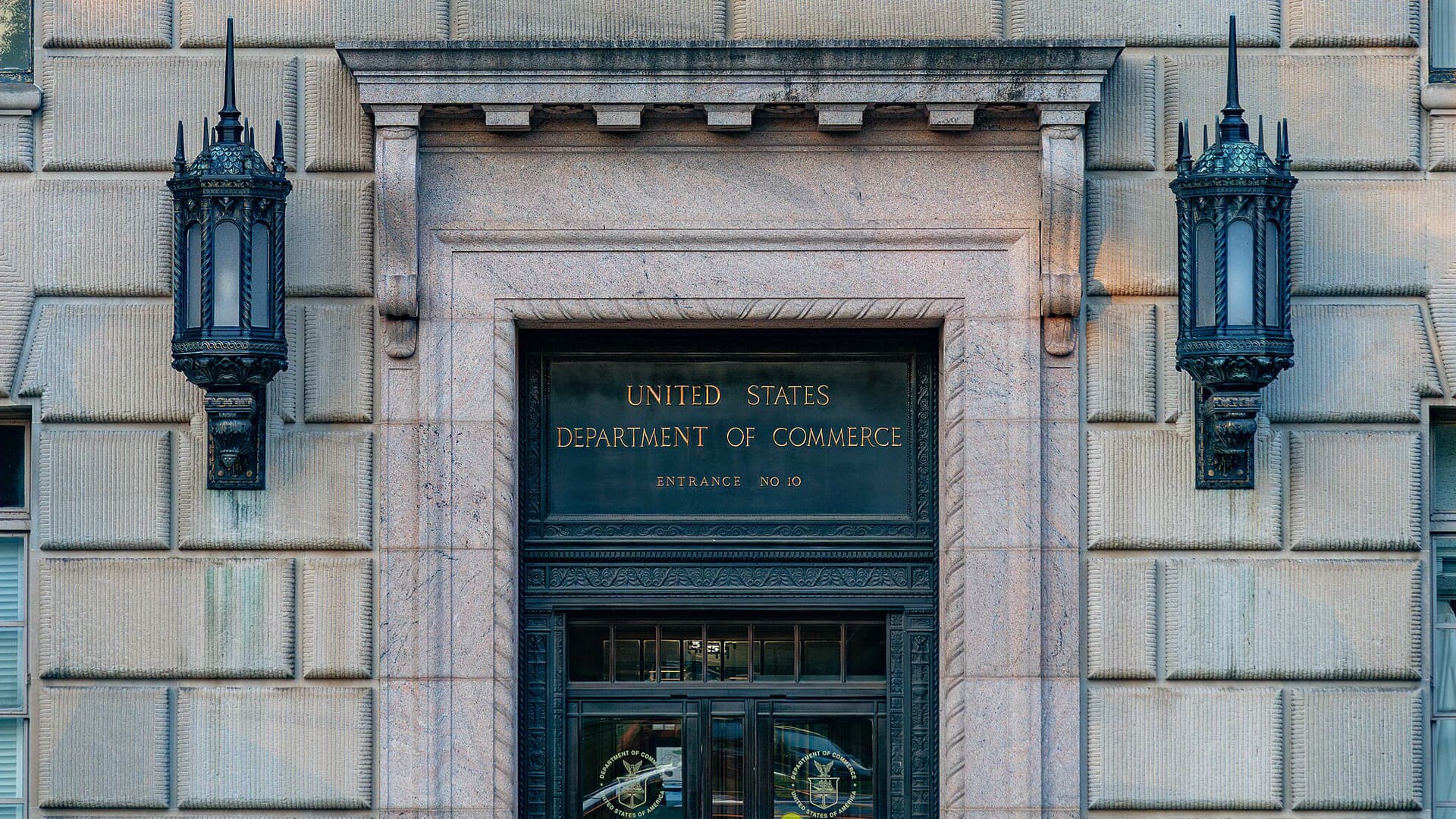
U.S. Commerce Department officials raised the issue with Chinese regulators at meetings in Chengdu in July, warning that some activities could amount to intellectual-property theft, three people familiar with the talks told Reuters. A U.S. official said Washington believes industrial-scale distillation is the main reason Chinese models have narrowed the gap with American ones, a view two people familiar with Chinese developers disputed. Chinese officials defended distillation as a standard technique.
"When (Chinese) firms conduct covert, industrial-scale distillation attacks that cross the line into IP theft, sanctions and Entity List designations will be on the table," Treasury Secretary Scott Bessent wrote in July. The issue adds friction before President Donald Trump and Xi Jinping meet at the APEC summit in Shenzhen this week. On Monday, Washington said it would further restrict China's access to advanced chips from companies such as Nvidia.
Photos: Wikimedia Commons; Reuters (file).