- BIST10011,440-1.18%
- USD49.60+0.05%
- EUR55.68+0.11%
- GOLD4,078.30-1.73%
- INTEREST37.00%-1.00
- BITCOIN81,823-2.62%
- October 22, 20267°
- BIST10011,440-1.18%
- USD49.60+0.05%
- EUR55.68+0.11%
- GOLD4,078.30-1.73%
- INTEREST37.00%-1.00
- BITCOIN81,823-2.62%
- October 22, 20267°
South Korea to acquire 60,000 drones to counter North Korean threats
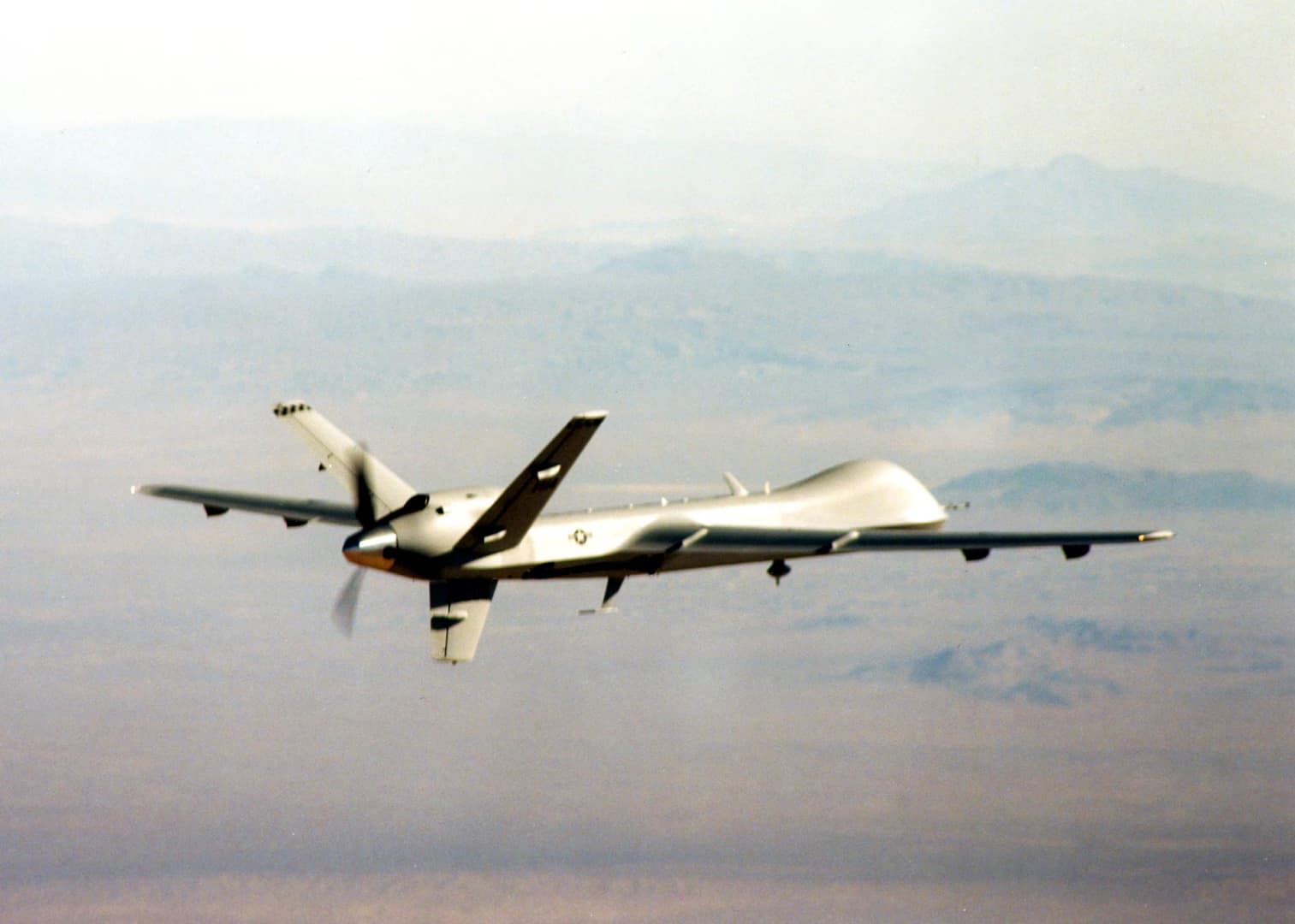
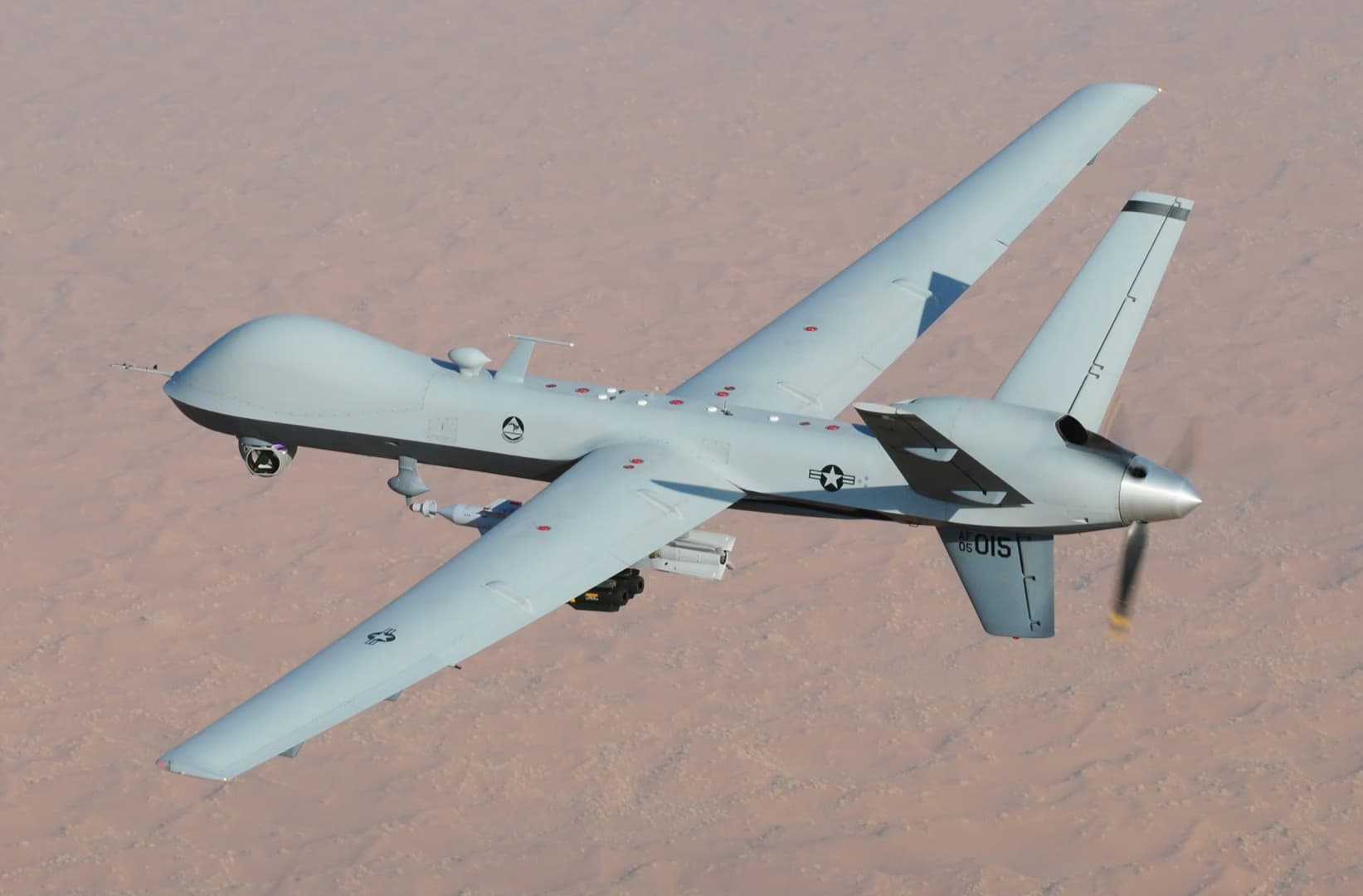
South Korean Defense Minister Ahn Gyo-baek announced that the military will procure tens of thousands of unmanned aerial vehicles to counter North Korea's growing drone threat, drawing lessons from the wars in Ukraine and the Middle East. The plan aims to field 11,000 drones by 2026.


South Korea has announced a comprehensive military modernization plan to counter North Korea's growing unmanned aerial vehicle (UAV) threats. Defense Minister Ahn Gyo-baek stated that conflicts in Ukraine and the Middle East have shown UAVs have become decisive weapons on the battlefield.
The two Koreas remain technically at war as the 1950-53 conflict ended with an armistice, not a peace treaty.
11,000 to enter service next year
Minister Ahn said the military initially planned to produce 110,000 UAVs by 2029, but the number was later revised to about 60,000. Of these, around 11,000 are targeted for delivery by 2026. The systems will be distributed to ground, naval, air and marine units, becoming a basic element for every soldier.
South Korea also aims to rapidly field the long-range strike UAV "KAI LUCAS," similar to the American "LUCAS" system, which was inspired by Iranian-made "Shahed" drones.
Minister Ahn also reported that the military plans to acquire over 20,000 low-cost, single-use UAVs without specifying the source of funding. These vehicles consist of short-range reconnaissance drones and small strike UAVs known as "loitering munitions."
Swarm operations with artificial intelligence
The ministry announced the development of AI-powered drone swarms. Starting next year, air defense systems will be deployed in border areas to counter UAVs. In the longer term, directed energy weapons such as laser beams and high-power microwaves, as well as low-cost interceptor drones, will be developed.
Meanwhile, the South Korean Defense Ministry reiterated its goal of training 500,000 "UAV warriors" who can use drones as a secondary individual weapon. The UAV Operations Command, established in 2023, will be transformed into a new Drone Defense Command.
The command had faced criticism following a drone operation over Pyongyang in October 2024 carried out on the orders of then-President Yoon Suk-yeol. Yoon was sentenced to 30 years in prison for allegedly "fabricating" a crisis to justify his attempt to declare martial law.
Stay Updated with Ally Daily
Subscribe to be informed about special news, developments and announcements. We will keep you informed.
By signing up, you agree to our Privacy Policy