- BIST10011,909+0.56%
- USD50.28+0.05%
- EUR55.60-0.24%
- GOLD3,866.00-0.52%
- INTEREST36.00%-1.00
- BITCOIN64,461-1.31%
- November 16, 20262°
- BIST10011,909+0.56%
- USD50.28+0.05%
- EUR55.60-0.24%
- GOLD3,866.00-0.52%
- INTEREST36.00%-1.00
- BITCOIN64,461-1.31%
- November 16, 20262°
SpaceX's Starship reaches orbit on Flight 15, but the booster catch is called off
The giant rocket lifted off from Starbase, Texas, on Friday and its upper stage reached orbit and deployed 26 Starlink V3 satellites. SpaceX scrapped the planned tower catch of the Super Heavy booster, and the ship is set to attempt the first-ever upper-stage catch on Saturday afternoon.
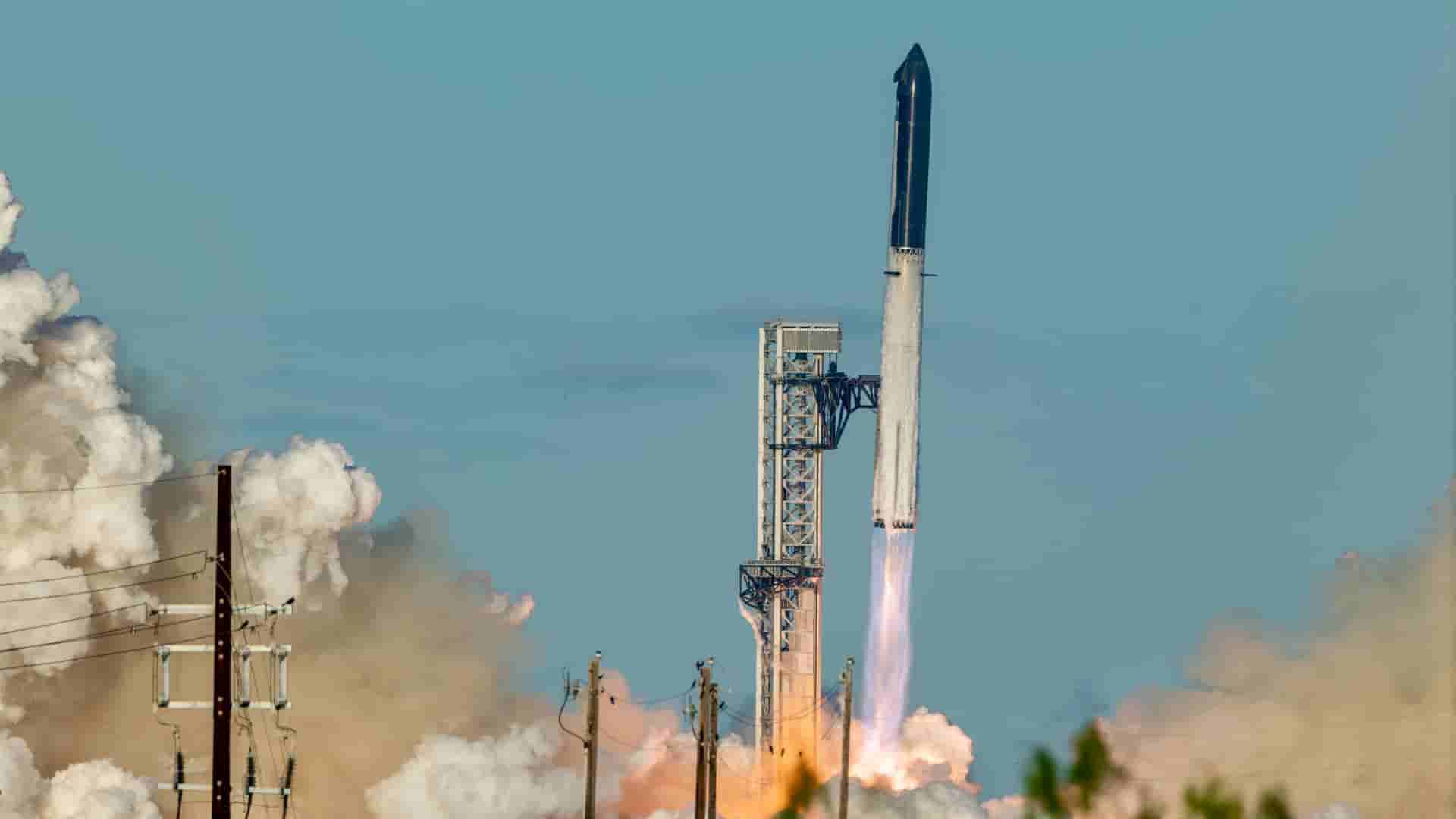
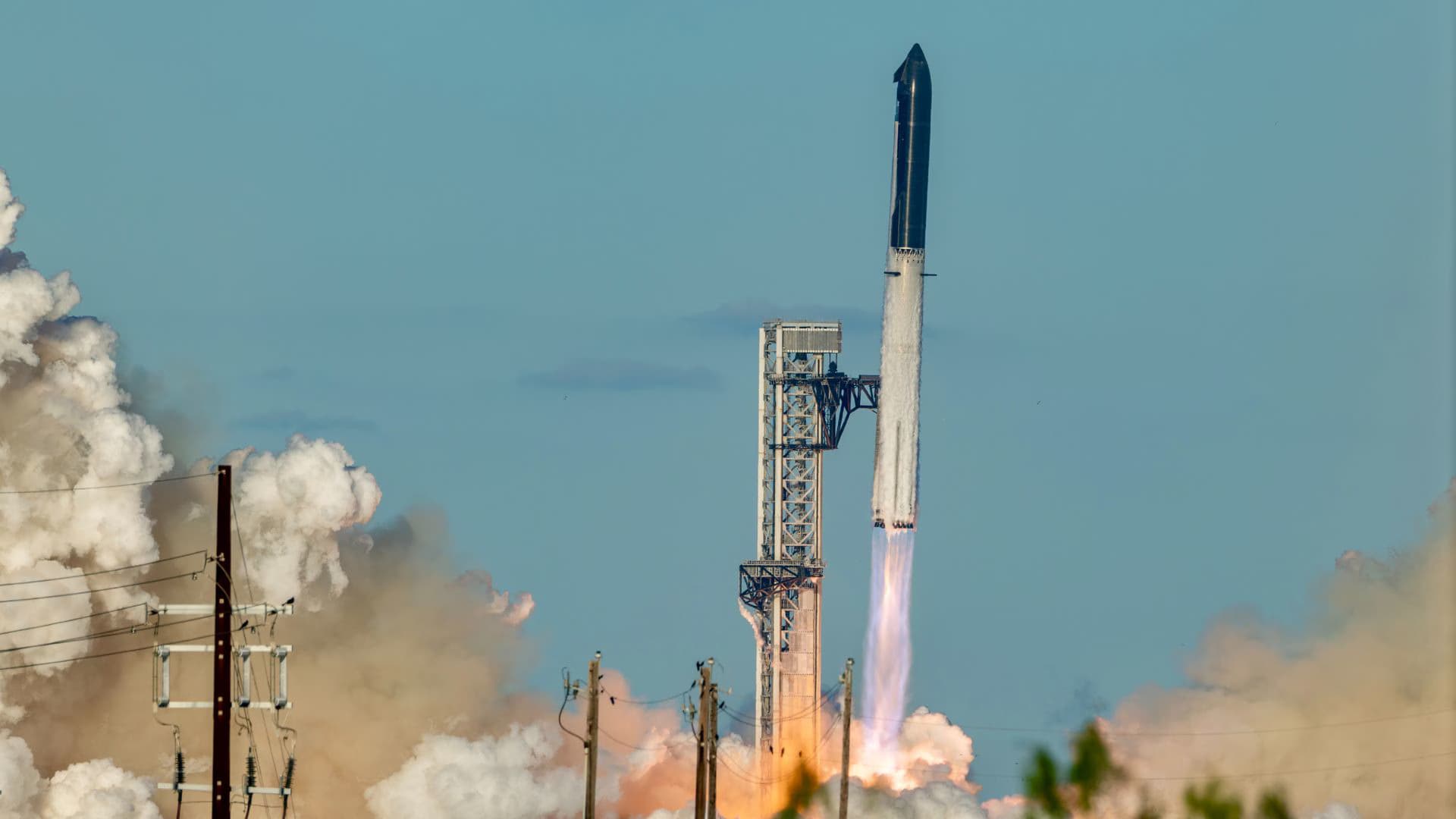
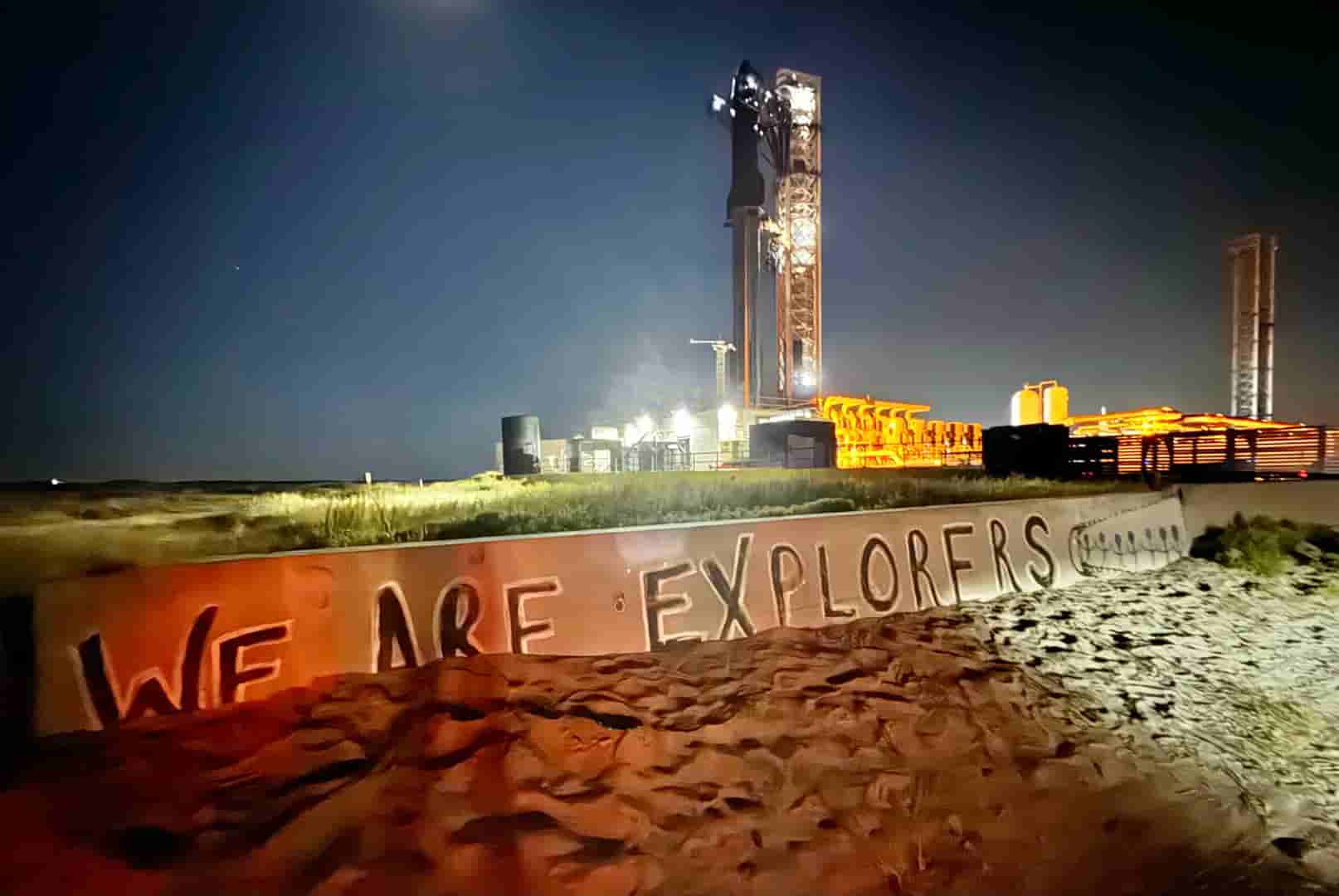
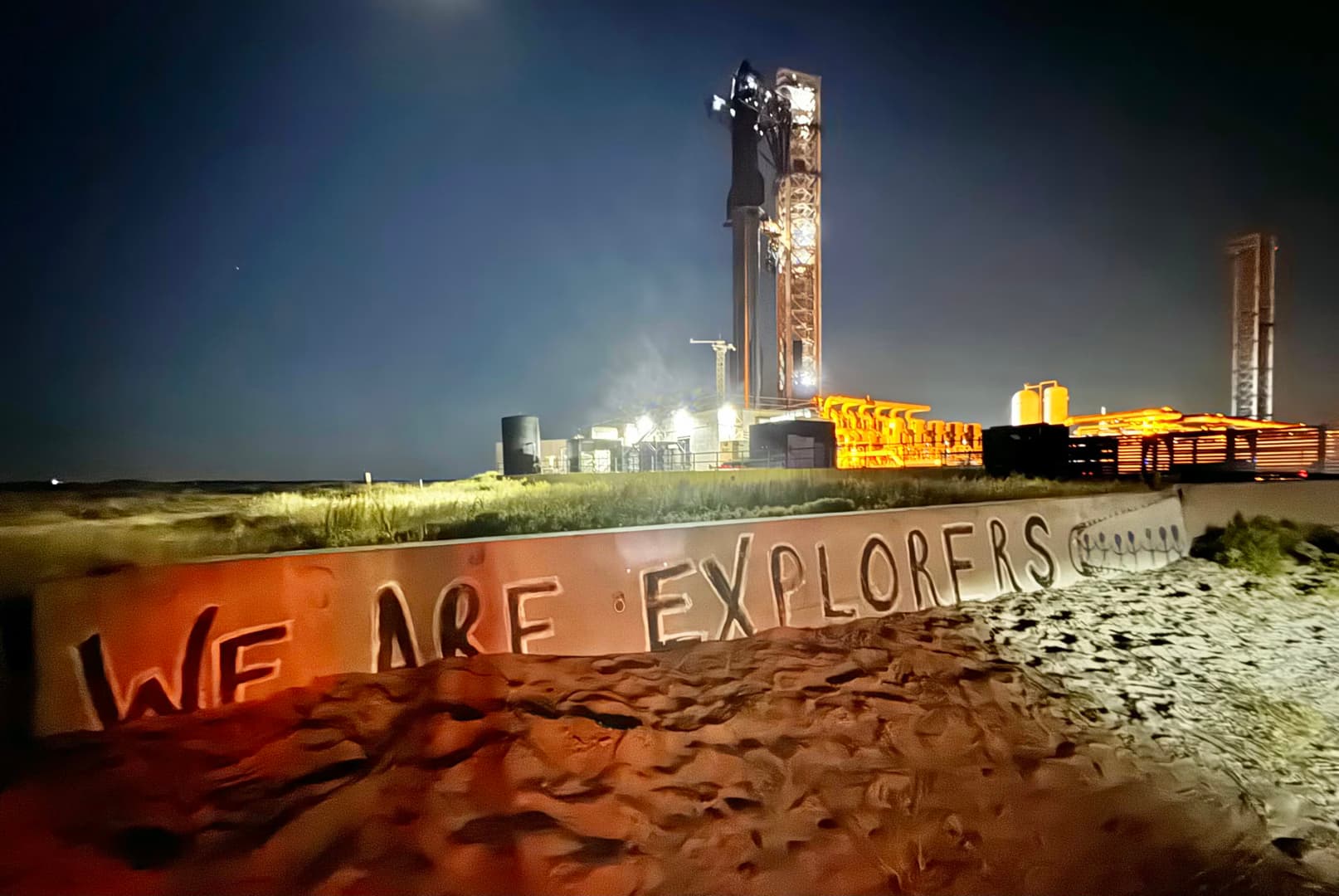
SpaceX launched the 15th test flight of its Starship megarocket from Starbase, Texas, on Friday at 4:47 p.m. local time, and its upper stage reached orbit. But the company called off its plan to catch the Super Heavy booster with the launch tower's giant "chopstick" arms, so only half of the unprecedented double catch remains possible.
SpaceX had hoped to recover both stages of the rocket on this flight for the first time. As of Saturday morning, the booster had splashed down in the Gulf of Mexico, and the ship's own catch attempt was still hours away.
The footage shows Starship clearing the tower under the thrust of the booster's 33 Raptor 3 engines, which produce more than 18 million pounds of thrust.
Booster diverted to the Gulf
Ascent went as planned, with main engine cutoff and hot staging about two and a half minutes after liftoff, according to Space.com. Super Heavy then turned back toward Starbase, but SpaceX canceled the catch attempt and brought the booster down for a controlled splashdown in the Gulf of Mexico about six and a half minutes after launch. The company did not immediately say why.
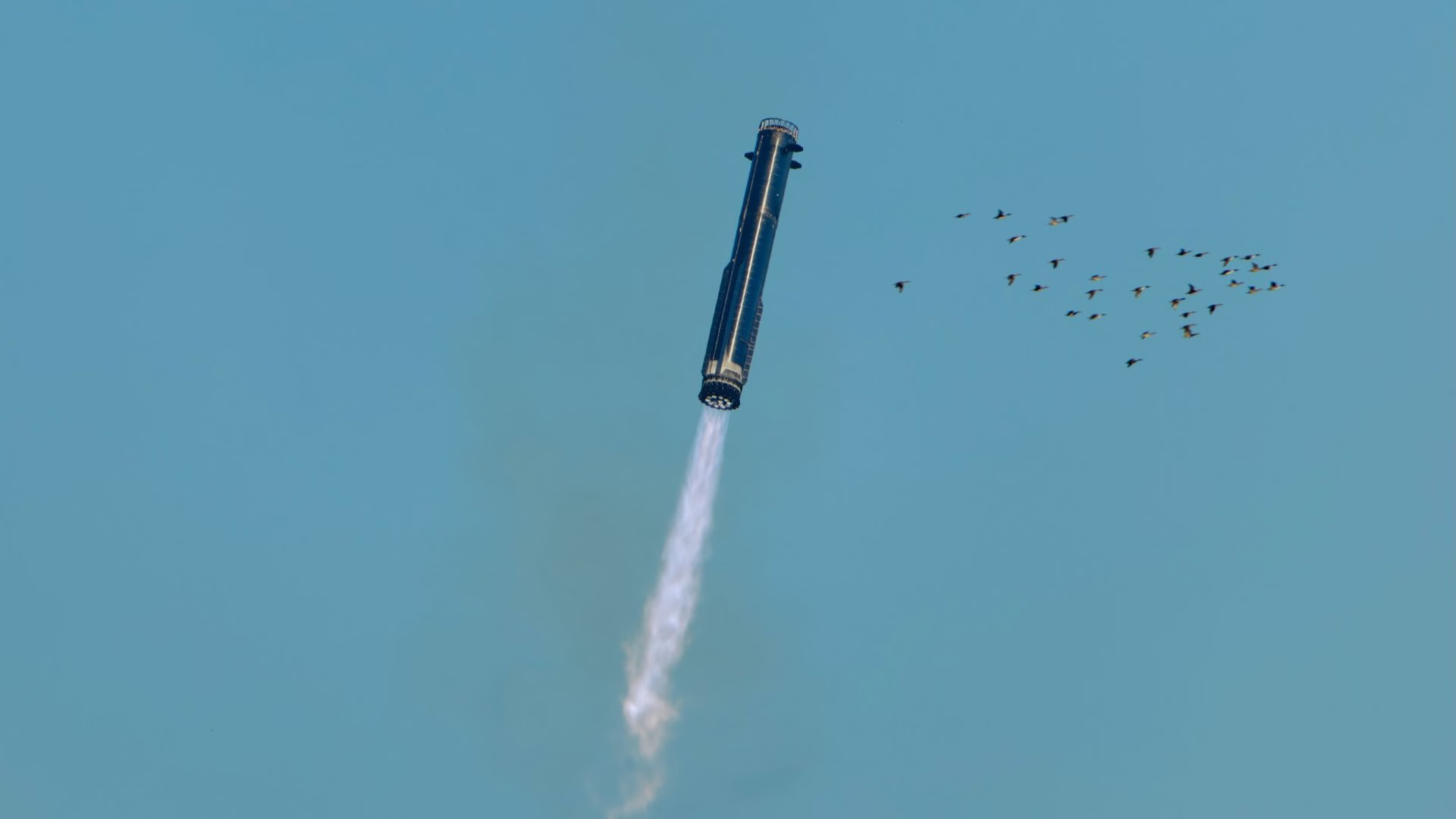
The ship kept firing its engines and settled into low Earth orbit at about 170 miles (275 kilometers) roughly 26 minutes into the flight. "We've got a nominal orbit insertion, so Starship now in orbit around Earth for the second time ever," SpaceX's Dan Huot said on the launch webcast.
Ship catch planned for Saturday
Starship deployed 26 Starlink V3 satellites over 42 minutes. Three of them carry cameras to photograph the ship's heat shield, and that data will help engineers decide whether it can safely come home.
The ship is scheduled to circle Earth 14 times before a deorbit burn about 21 hours and 36 minutes after launch. If all goes to plan, it will return to Starbase for a tower catch around 3:17 p.m. Texas time Saturday, the first attempt ever to recover a Starship upper stage. SpaceX says it will try only if the systems needed for reentry and landing are healthy. Otherwise, the ship will splash down in the Pacific Ocean or the Gulf of Mexico.
Full reusability is central to SpaceX's plans for its next-generation Starlink network. It also matters for NASA, which has picked Starship as a crewed lunar lander.
Video: SpaceX via social media. Photos: Josh Dinner/Space.com.
Stay Updated with Ally Daily
Subscribe to be informed about special news, developments and announcements. We will keep you informed.
By signing up, you agree to our Privacy Policy