- BIST10011,909+0.56%
- USD50.28+0.05%
- EUR55.60-0.24%
- GOLD3,866.00-0.52%
- INTEREST36.00%-1.00
- BITCOIN64,461-1.31%
- November 16, 20262°
- BIST10011,909+0.56%
- USD50.28+0.05%
- EUR55.60-0.24%
- GOLD3,866.00-0.52%
- INTEREST36.00%-1.00
- BITCOIN64,461-1.31%
- November 16, 20262°
SpaceX's Texas tower catches a Starship returning from orbit, a first in history
Giant mechanical arms at Starbase, Texas, plucked Ship 42 out of the air on Saturday after 22 hours and 14 orbits, the first time an orbital rocket's upper stage has been caught at its launch site. NASA chief Jared Isaacman called it "almost magic," a day after SpaceX lost the Super Heavy booster in the Gulf.
Ally Daily Editorial DeskUpdated:
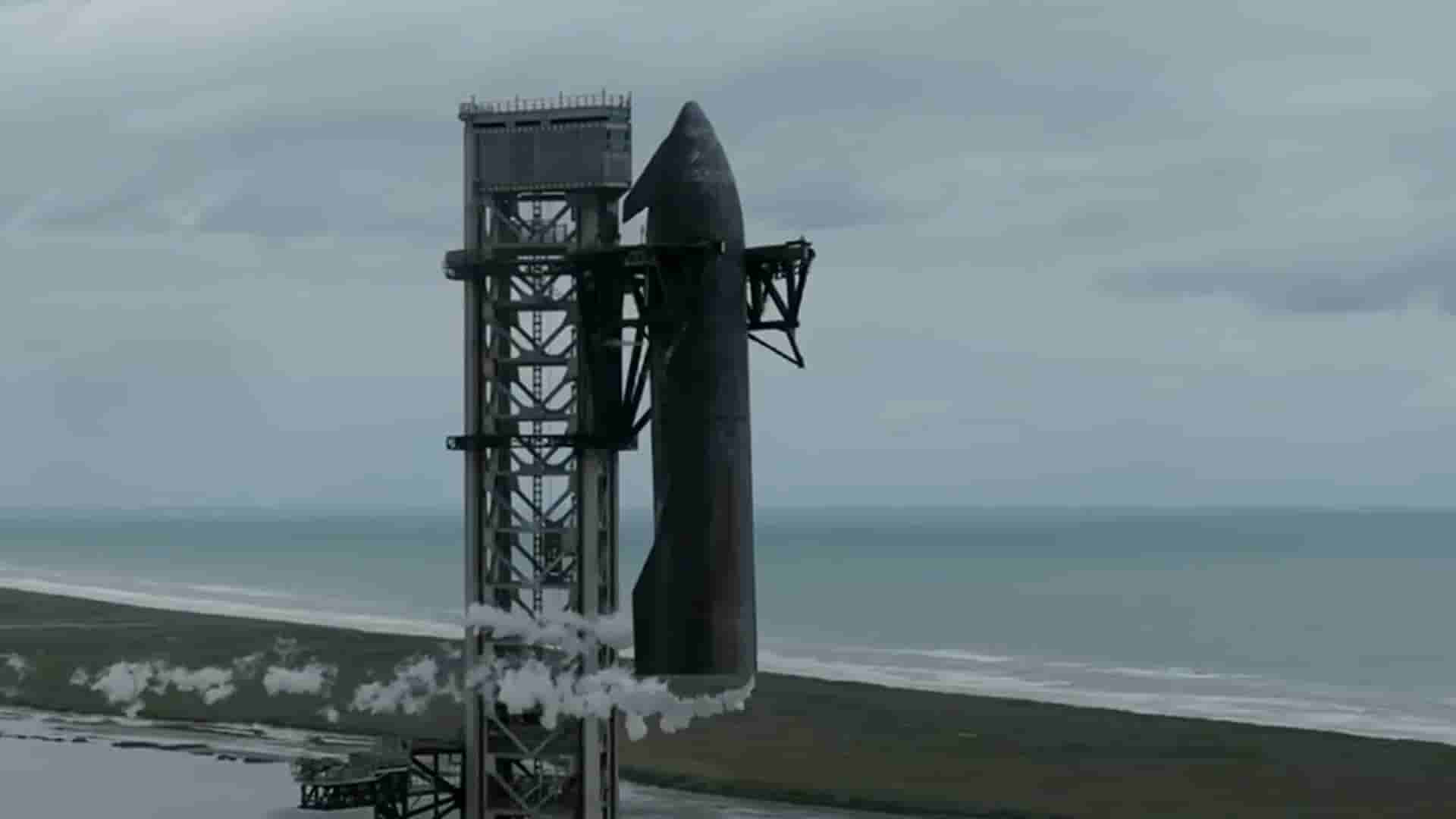
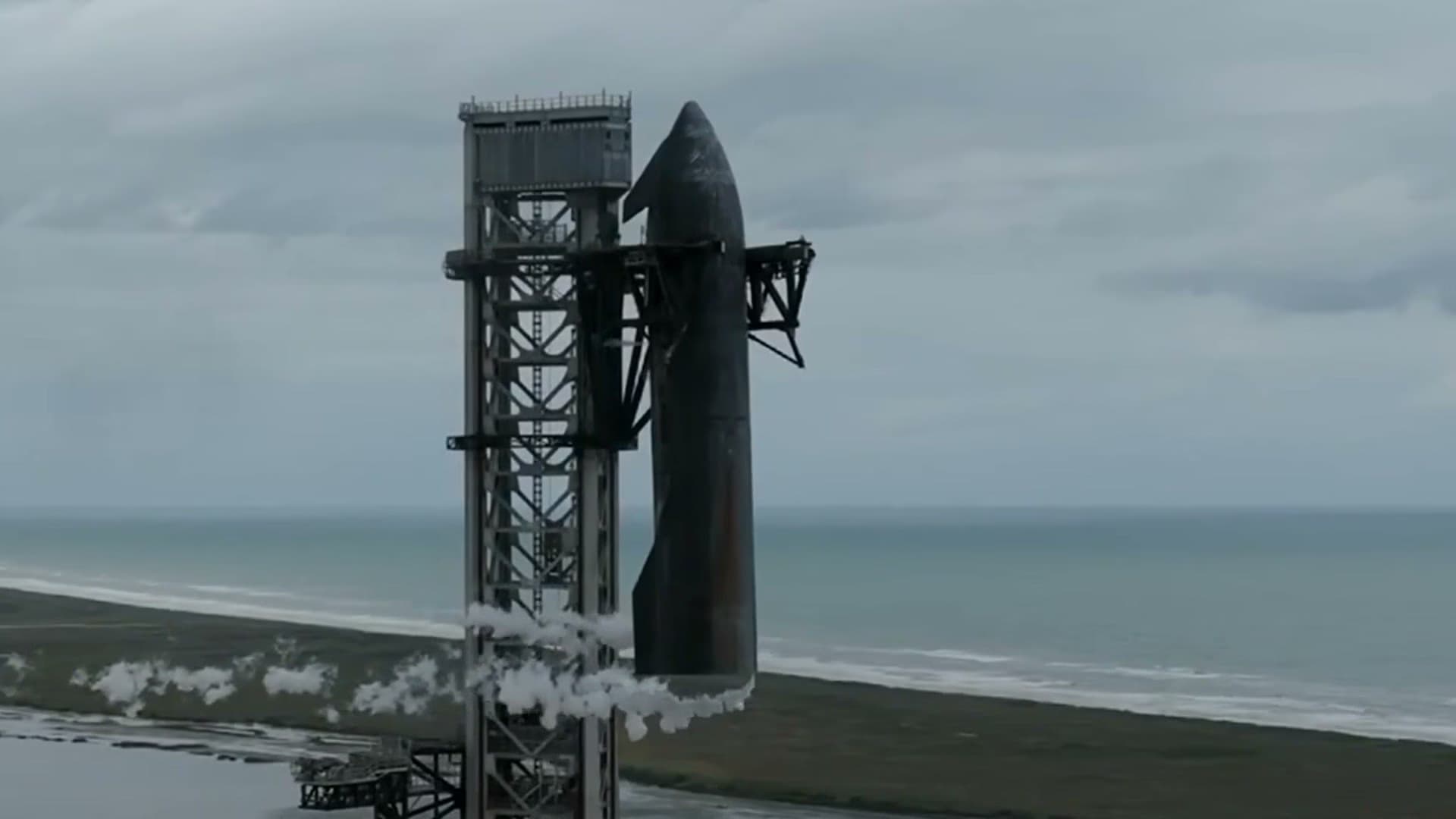
SpaceX caught the upper stage of its Starship megarocket with its launch tower at Starbase, Texas, on Saturday, the first time the upper stage of an orbital rocket has flown back to its launch site and been plucked out of the air. The vehicle, known as Ship 42, settled into the tower's giant "chopstick" arms at 3:20 p.m. local time, about 22 and a half hours after it lifted off on Flight 15, according to Space.com.
"Mechazilla catches Starship! Congratulations to the entire SpaceX team on this incredible achievement!" the company said. CEO Elon Musk added: "Congratulations to an incredible team at SpaceX!!!"
SpaceX's footage shows the final minute and a half of the flight. A camera on the ship looks down at the clouds over South Texas while crowds near the launch site watch the sky. The ship then drops toward the tower, fires its engines to swing upright and slides between the arms, which close around it as steam drifts across the pad. Two small fittings near the top of the ship hooked onto the arms and left it hanging a few hundred feet above the ground, Reuters reported.
"That was the missing link," SpaceX commentator Dan Huot said on the company's webcast. "We caught a Starship, and now everything changes."
Praise from Washington
NASA Administrator Jared Isaacman, whose agency is paying billions of dollars for Starship to land Artemis astronauts on the moon, congratulated Musk and the SpaceX team. "It was almost magic," he wrote. "Making more believers by the day." Federal Communications Commission Chairman Brendan Carr called the catch "amazing," and Defense Secretary Pete Hegseth praised Musk as "a great American."
The praise crossed party lines. Rep. Ted Lieu, D-Calif., congratulated SpaceX "for making history with an amazing feat of engineering," while Sen. Dave McCormick, R-Pa., called it "a vivid reminder that despite all our challenges, we live in the land of freedom and innovation." SpaceX President Gwynne Shotwell described Starship as "alien-level technology."
A healthy heat shield
Before heading home, the ship circled Earth 14 times at about 165 miles up and released 26 Starlink V3 satellites. Three of them carried cameras to photograph its heat shield. "Our heat shield team reviewed all the data we got from our ground-tracking cameras, and from those satellite cameras and confirmed the heat shield is in a good posture for a reentry and return to the launch site," Huot said on Friday.
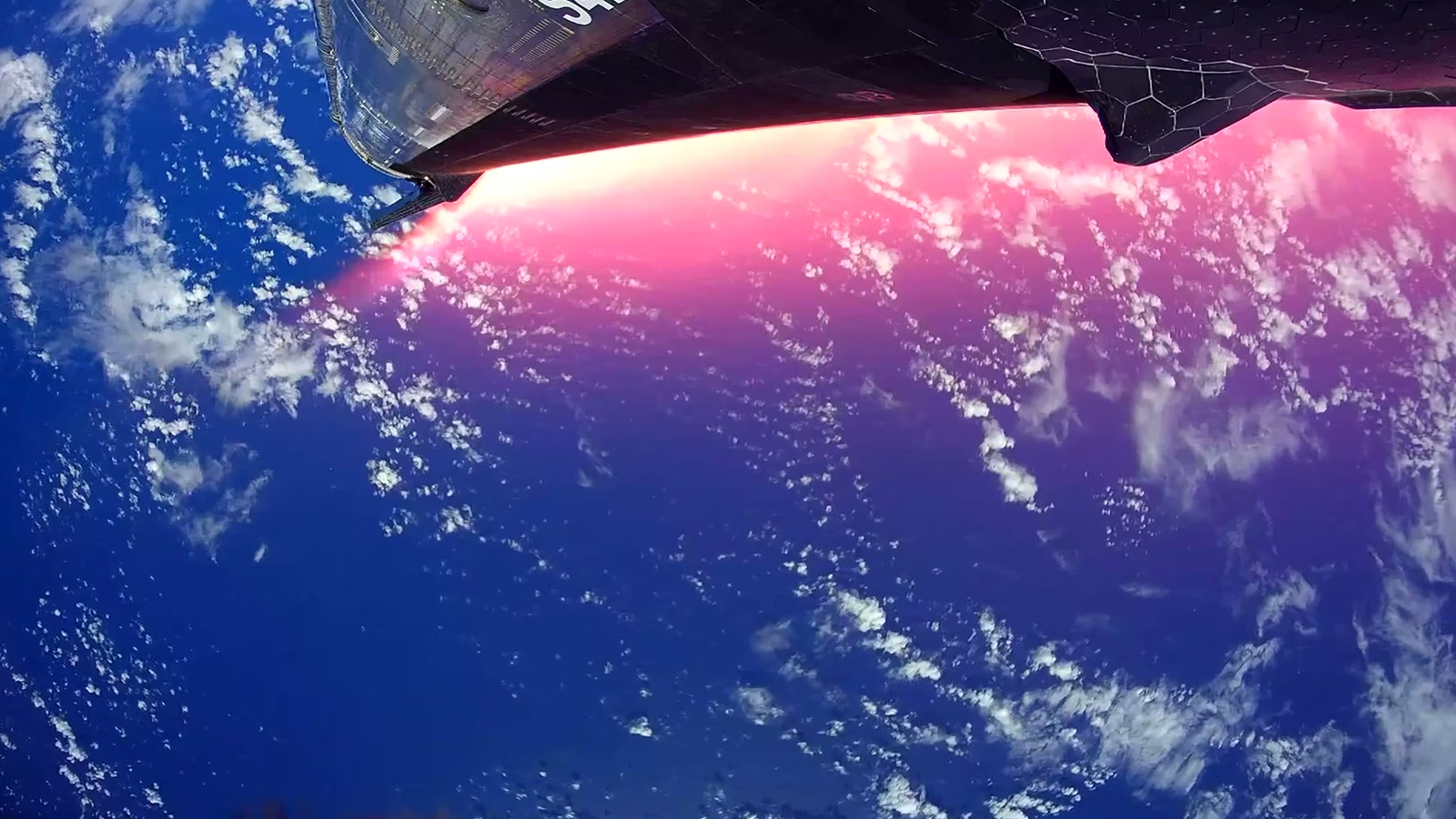
The view from a camera on the ship shows plasma glowing pink around one of its flaps as Starship plunged back into the atmosphere at nearly 17,000 mph. SpaceX said everything on the vehicle, including the heat shield, appeared to work well, according to the Associated Press. Reuters noted that the ship came back charred and that its black hexagonal tiles are not yet fully reusable. SpaceX is developing new tiles that need little or no work between flights.
On Sunday, Musk said he had gone over the returned ship himself, inspecting its entire heat shield early in the day. “Overall, it looks great. The engines look great too,” he wrote. “Ship 42 could probably be reflown with a few weeks of refurbishment.” He cautioned, however, that many small fixes are still needed before Starship can be reused immediately, like an airplane.
Booster lost in the Gulf
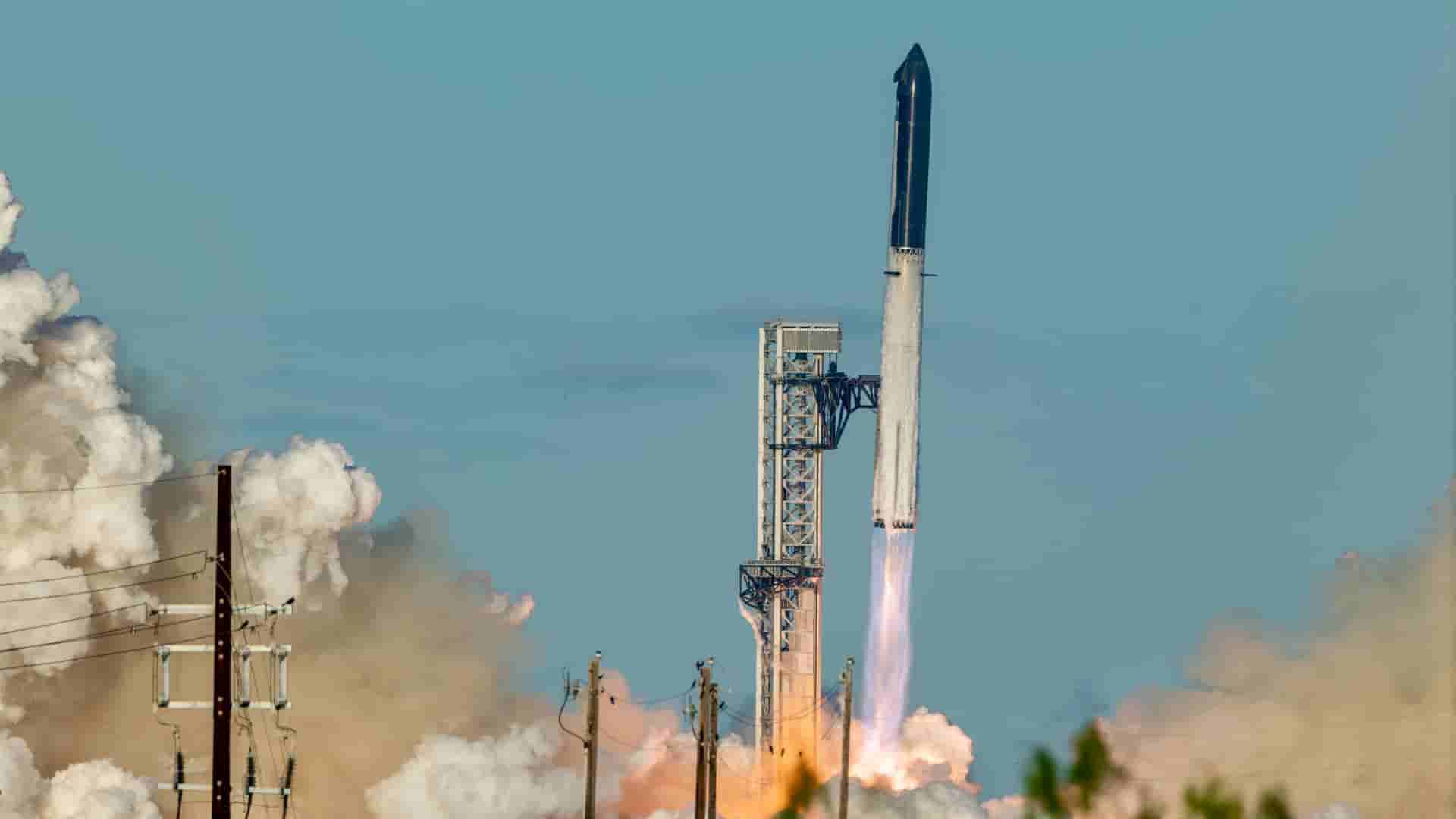
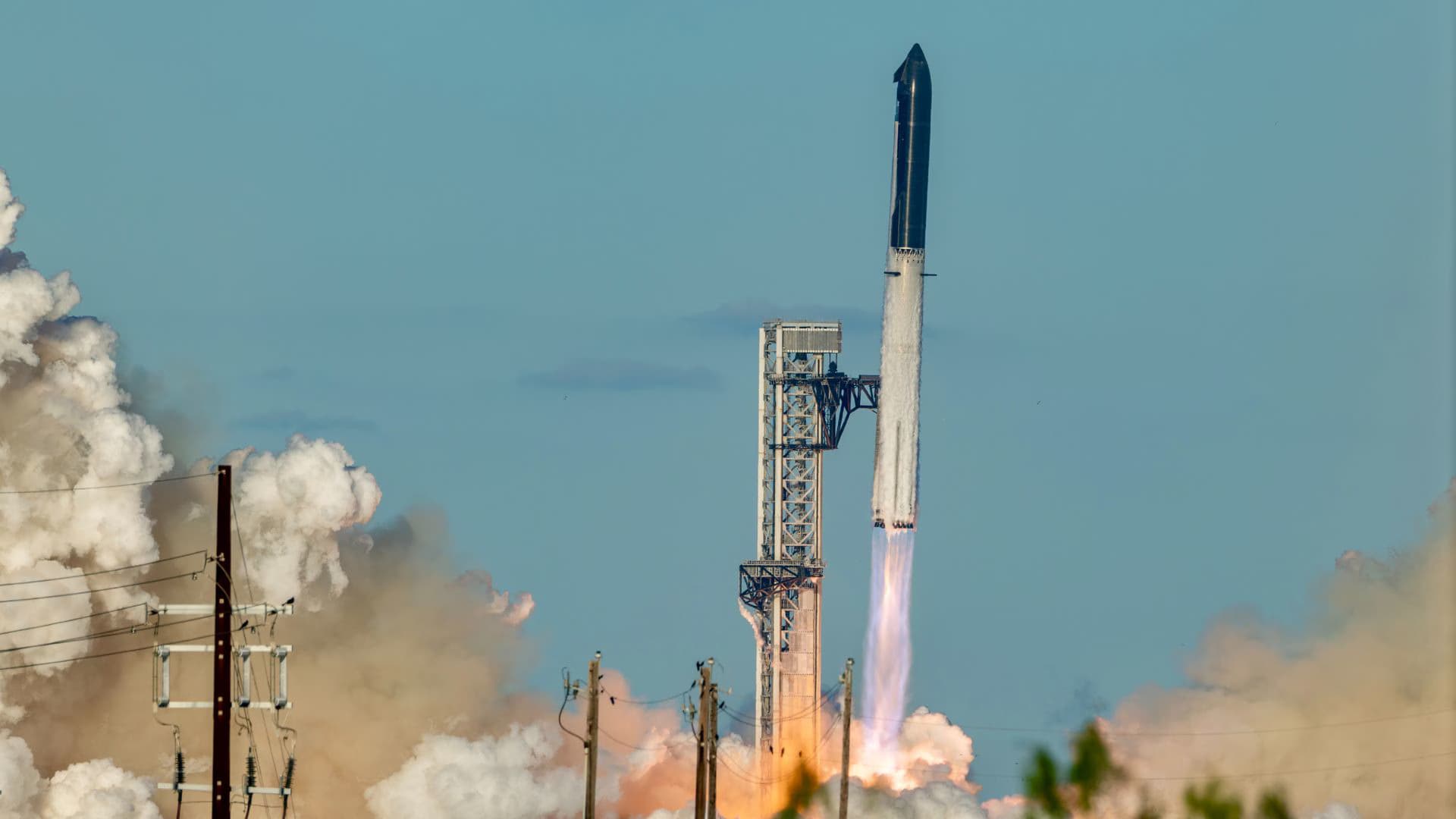
The catch rescued a flight that began with a setback. On Friday, Booster 22, the first V3 Super Heavy that SpaceX tried to bring back to the tower, aborted its own catch. It hovered over the Gulf of Mexico, triggered its flight termination system and exploded just above the water about six and a half minutes after liftoff. SpaceX's Kate Tice said early indications were that the booster ended its return burn early "due to a low fuel mass alarm."
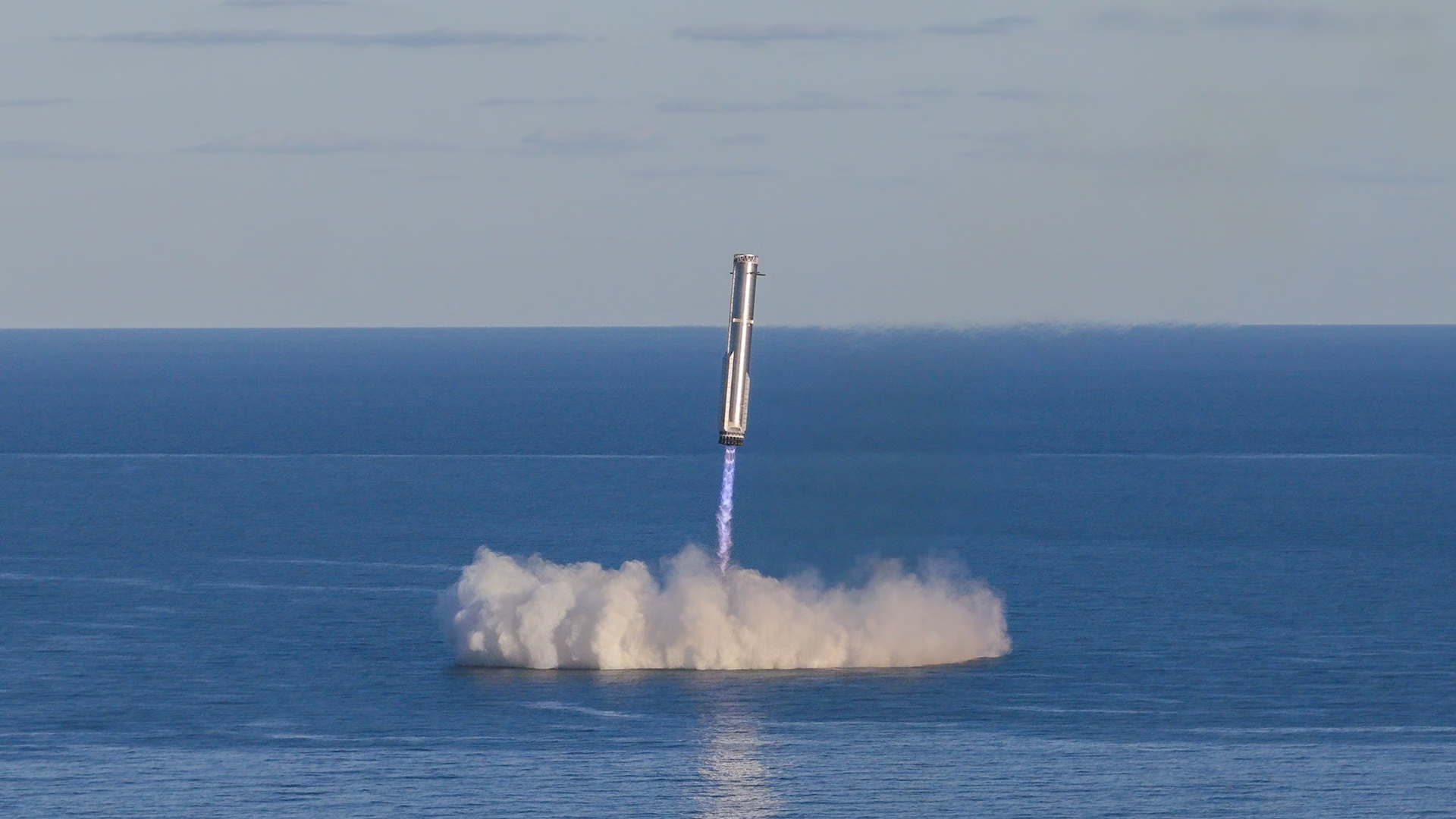
The photo shows Booster 22 firing its engines over the Gulf moments before splashdown on Friday. Musk blamed a "slight underperformance of engines" and said the fix is better engine consistency with the Raptor V3.2 and a software change that shuts the engines down about one second earlier, leaving enough fuel to fly home. "These early ships and boosters are already outdated by improved designs in production or on the test stand, so this booster loss does not change our timeline to reach high volume, fully reusable Starship flights," he wrote. SpaceX has caught Super Heavy boosters three times before.
Why it matters, and what comes next
SpaceX's Falcon 9 lands its first stage routinely but throws away its upper stage on every launch. Starship is designed so both halves can fly again, which is key to cutting launch costs. Reusable ships are central to building out the Starlink V3 network: each V3 satellite is expected to carry about 10 times the download capacity of today's V2 Mini satellites, Teslarati reported, and one Starship can carry up to 60 of them, according to CNBC.
The stakes are high for NASA as well. Starship is one of the agency's two Artemis moon landers, and reaching the moon requires refueling it in orbit with several tanker flights, which only works if ships can fly again quickly. A SpaceX spokesperson told CNN the company intends to be reliably reusing Starships by Artemis IV, the mission slated for 2028 that could bring the first moon landing since Apollo. Musk's longer-term goal is a fleet of Starships to build a city on Mars.
The next test is Flight 16, and Space.com expects SpaceX to try the double catch again, probably on that mission. SpaceX also expects to begin launching Starships from NASA's Kennedy Space Center in Florida within the next few months, the AP reported. Musk has said he expects Starship to reach a weekly launch cadence in the first half of 2027.
Video and photos: SpaceX.
Have a story, event or announcement of your own?Send us your news on WhatsApp
Spotted an error in this story?Report it on WhatsApp
Share on all social platforms
Sponsored Ads
Featured Listings
Loading featured properties...
Stay Updated with Ally Daily
Subscribe to be informed about special news, developments and announcements. We will keep you informed.
By signing up, you agree to our Privacy Policy