- BIST10010,977+2.18%
- USD50.70+0.04%
- EUR55.61+0.02%
- GOLD3,668.50+2.91%
- INTEREST36.00%-1.00
- BITCOIN59,752-0.19%
- November 28, 20265°
- BIST10010,977+2.18%
- USD50.70+0.04%
- EUR55.61+0.02%
- GOLD3,668.50+2.91%
- INTEREST36.00%-1.00
- BITCOIN59,752-0.19%
- November 28, 20265°
Springfield's Haitian families turned back at Canada border, sent to ICE
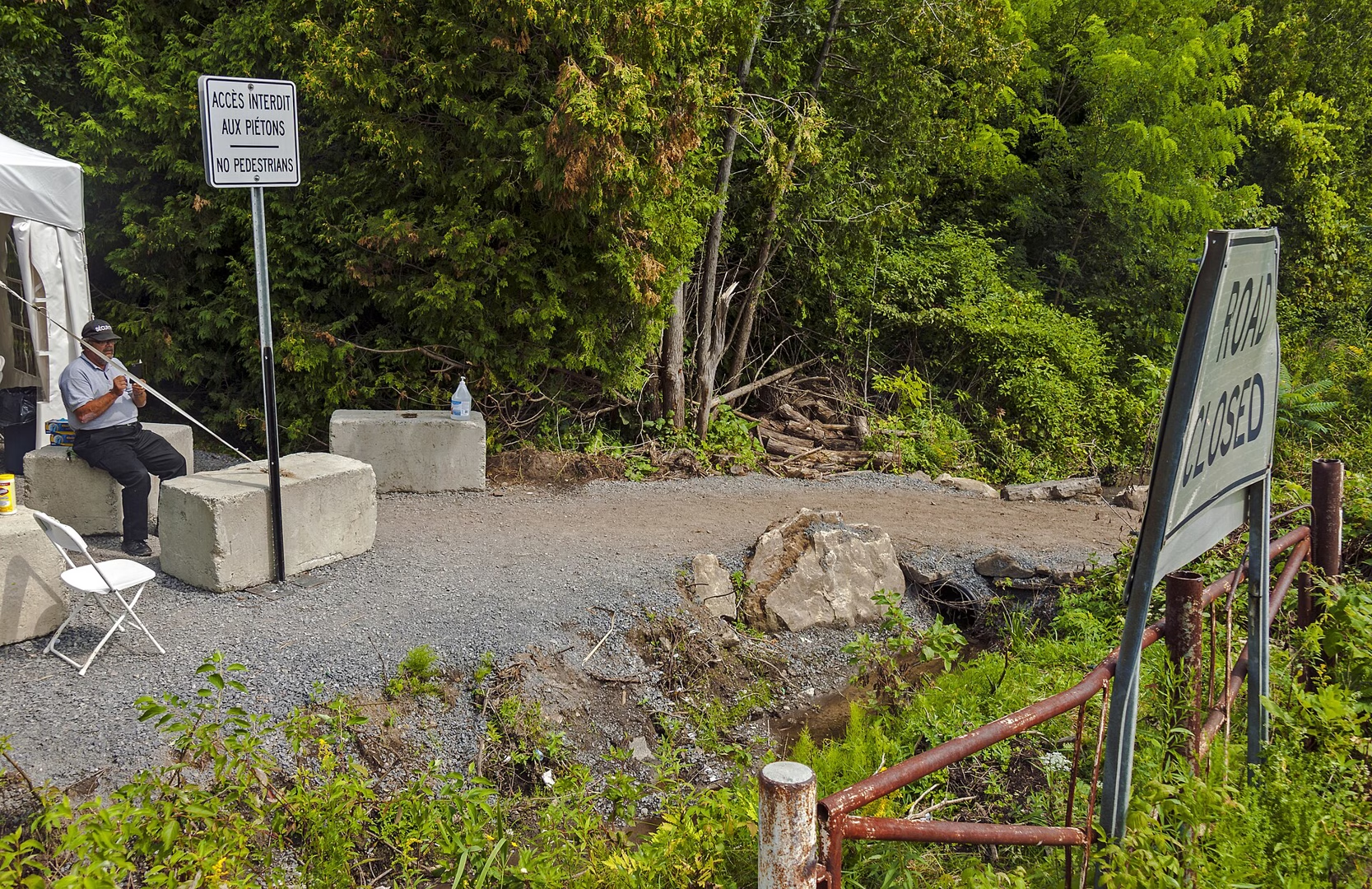
Some Haitian asylum seekers from Springfield, Ohio, who tried to enter Canada after the end of their Temporary Protected Status were returned under the Safe Third Country Agreement and taken into ICE custody, lawyers say.
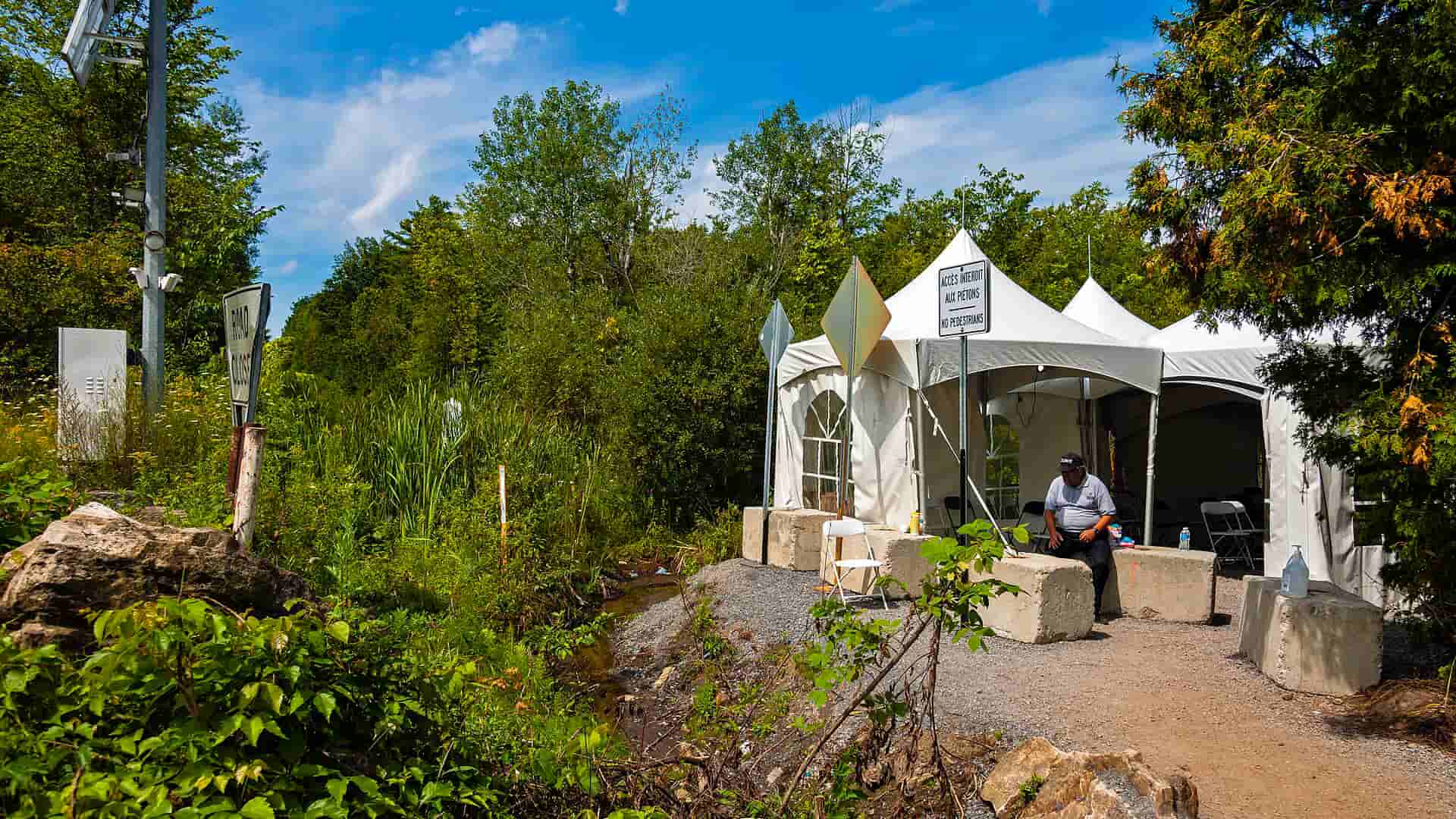
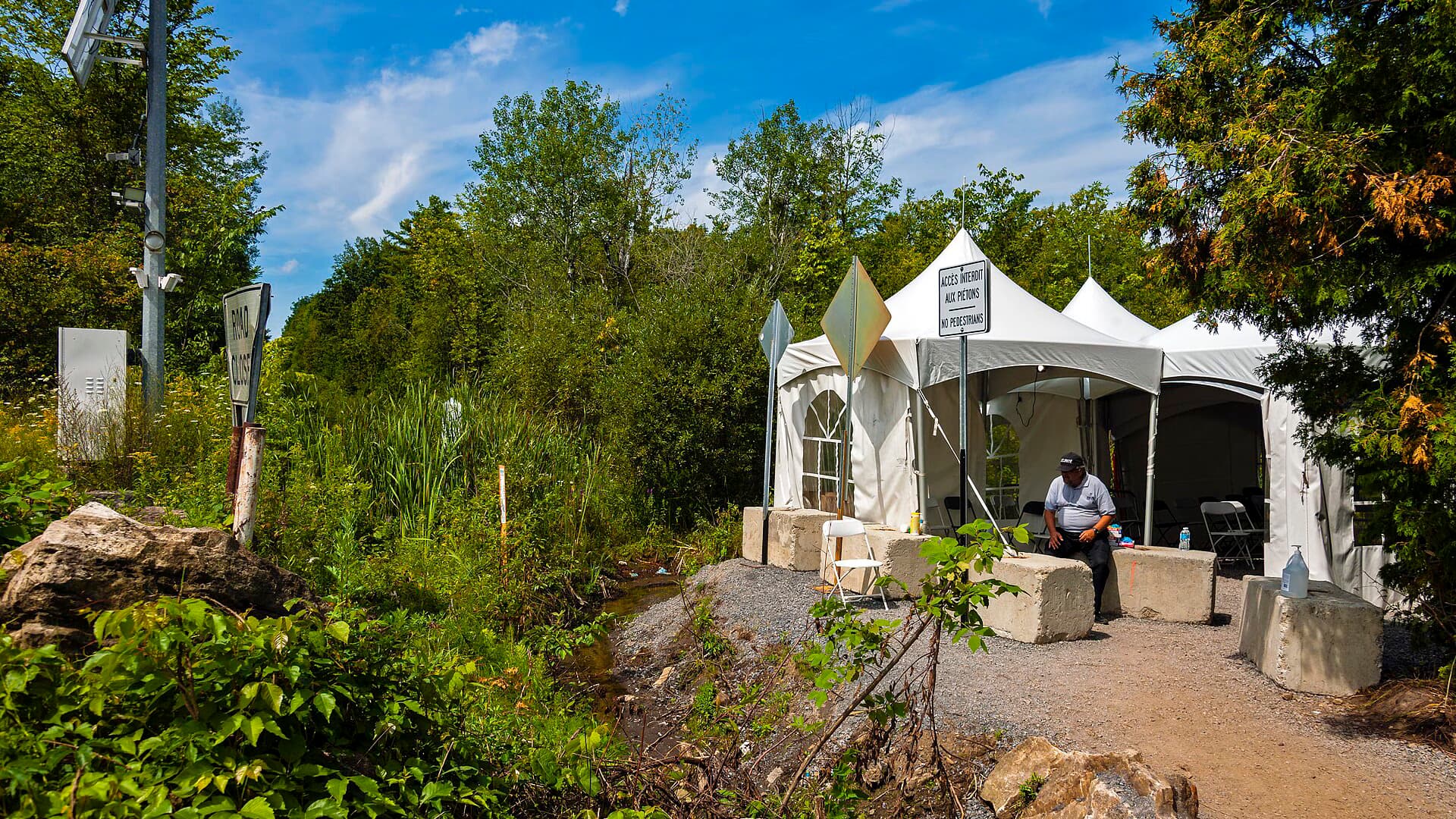
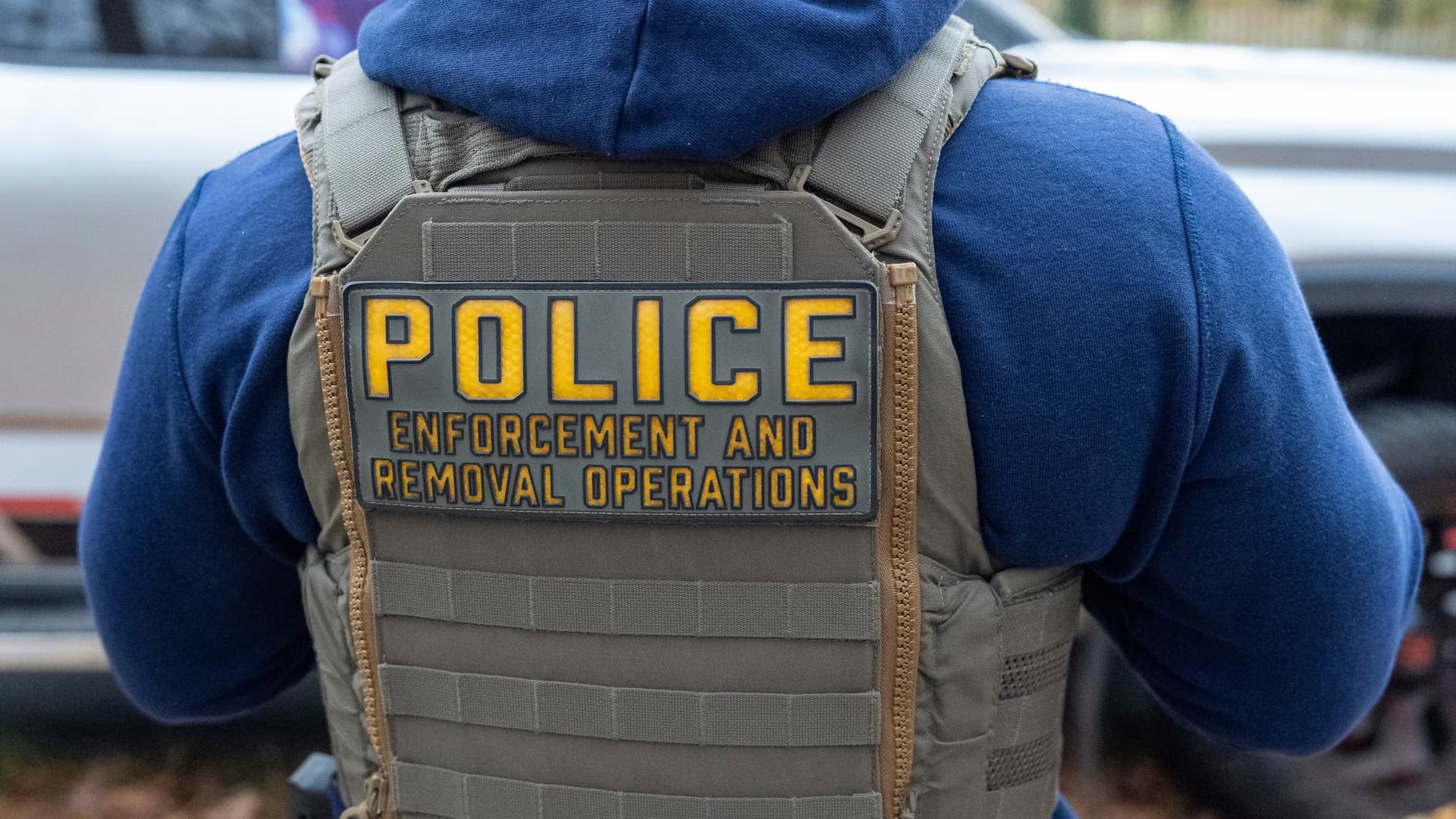
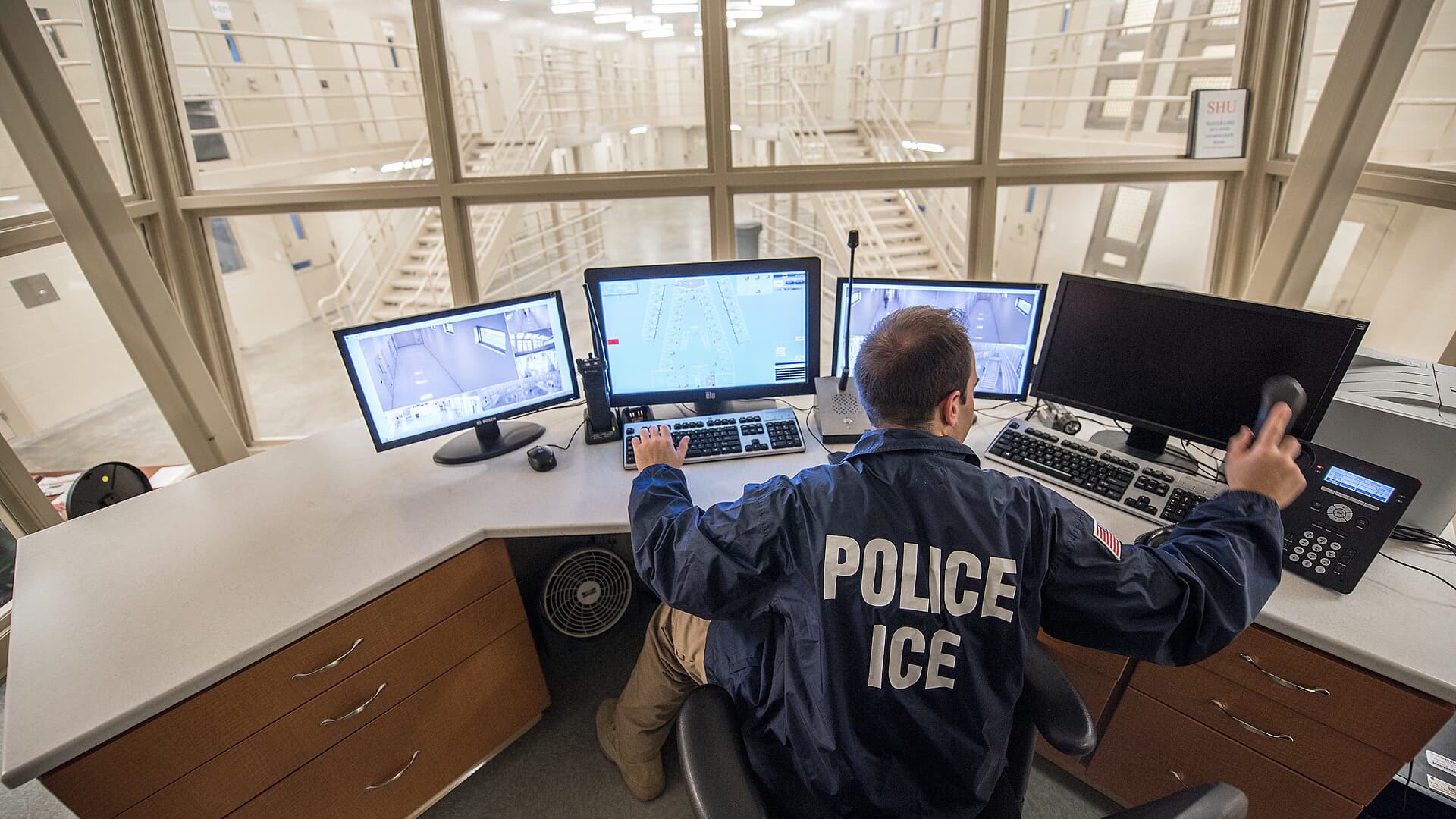
Haitian families from Springfield, Ohio, who tried to seek refuge in Canada after losing their Temporary Protected Status have been turned back at the border and taken into U.S. Immigration and Customs Enforcement custody, immigration lawyers say.
TPS for roughly 350,000 Haitians formally ended on July 27, 2026, after the Supreme Court ruled 6-3 on June 25 that federal law bars judicial review of non-constitutional challenges to the program's termination, allowing the administration to proceed.
A legal "black hole"
Under the U.S.-Canada Safe Third Country Agreement, asylum seekers must generally claim protection in the first of the two countries they reach. Haitians returned at the Canadian border are then processed under U.S. border-enforcement procedures, leaving them unable to pursue a Canadian refugee claim at that crossing unless they qualify for an exception and exposing them to detention in the United States.
Lawyers describe the situation as a legal "black hole" for families caught between the two systems. Springfield became a national flashpoint in 2024 when false claims about its Haitian community spread during the presidential campaign.
Stay Updated with Ally Daily
Subscribe to be informed about special news, developments and announcements. We will keep you informed.
By signing up, you agree to our Privacy Policy