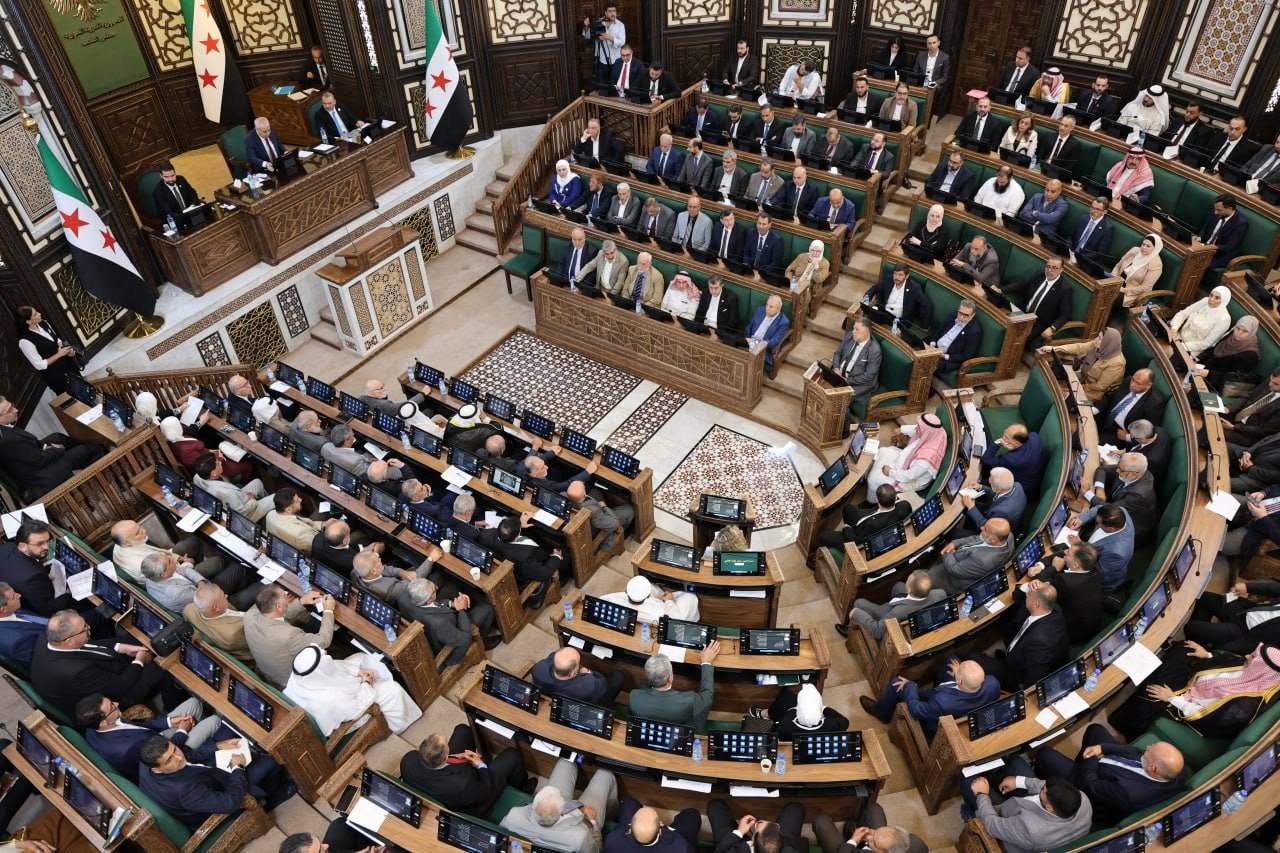
Syria needs $831 million a month to finance oil imports. Energy Minister Mohammed al-Bashir presented data on the country's supply of crude oil and petroleum products during a session held Sunday at the Syrian People's Assembly.
Bashir said daily oil production stood at 112,000 barrels and that a shortfall of about 200,000 barrels was being covered through imports. The minister said Syria has 78 oil fields and that work was under way to renew production infrastructure and bring wells back into operation.
2028 target for oil production
Bashir said the Energy Ministry had formed a committee to examine existing stocks and reserves and prepare a new map for oil and natural gas. He said the strategic plan aims to achieve self-sufficiency in oil production by 2028.
Bashir said natural gas production had risen to about 8 million cubic meters a day from 6 million cubic meters. The minister said daily demand stood at 24 million cubic meters, adding that new wells would be drilled to increase production and that reaching a satisfactory level could take about seven years.
Syria meets part of its natural gas needs through supplies from Azerbaijan and a vessel located at Jordan's Port of Aqaba. Bashir said these imports total 6.3 million cubic meters a day and cost about $140 million a month.
Refining capacity and fuel demand
Bashir said the country's local refining capacity was 150,000 barrels a day and that the same amount of petroleum products was also imported. The minister said fuel demand had increased as the number of vehicles rose from about 2.5 million to 3.6 million, adding that daily demand stood at 12 million liters of diesel and 8 million liters of gasoline.
Bashir said power plants and industry consume an average of 8,500 tons of fuel oil a day, while households consume about 1,300 tons of liquefied petroleum gas. He listed access to foreign currency for purchasing oil, petroleum products and spare parts, gaps in databases, and the supply of crude oil among the sector's main challenges.
Bashir said bids had been requested to complete the Arab Gas Pipeline from Jordan in order to increase natural gas supplies. He said the Syrian Petroleum Company would cover the cost of the project, which is valued at about $250 million. He also said the Damascus administration was considering signing contracts with friendly oil-producing countries until self-sufficiency is achieved.
Refinery renovation work
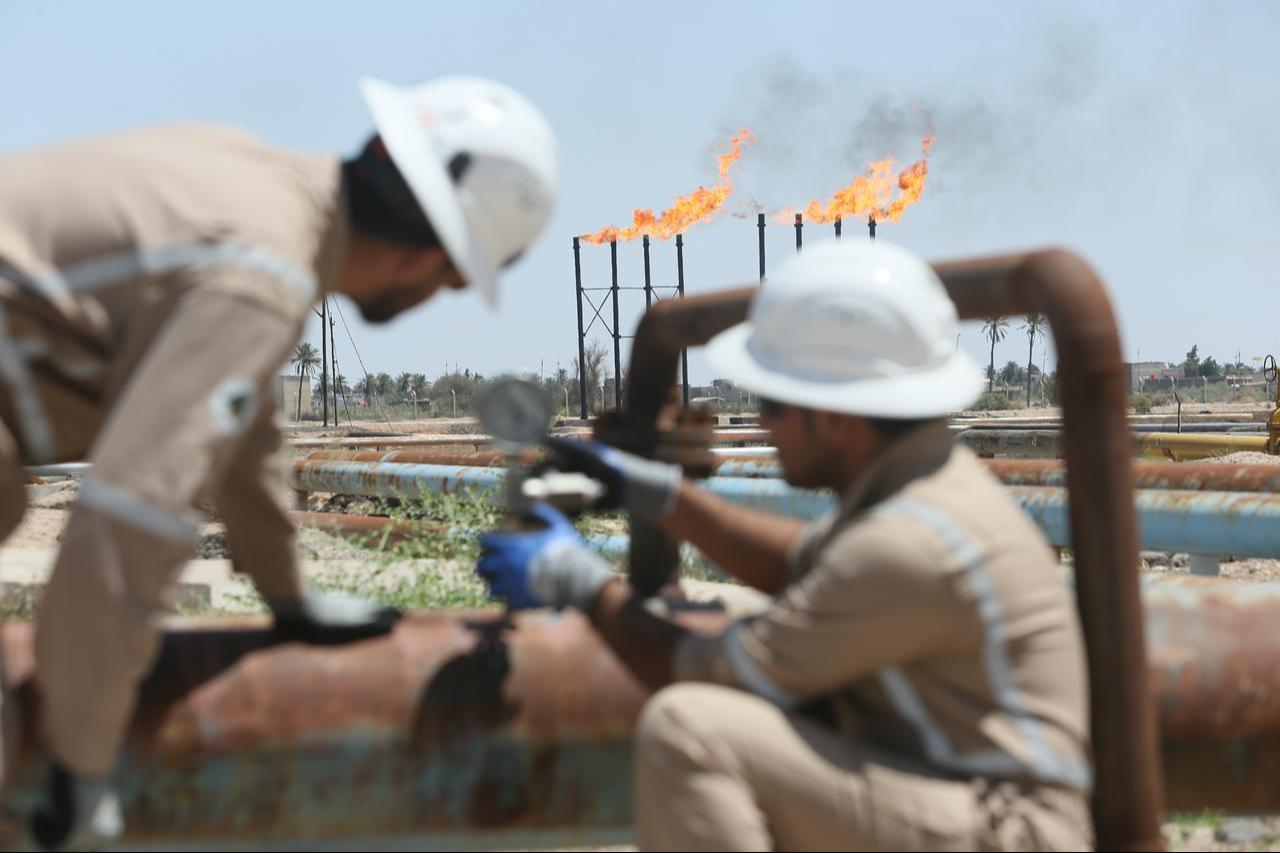
Bashir said work was continuing to keep the Homs Refinery operating until new refineries are built, given its technical condition. The minister said extensive maintenance was being carried out at the Baniyas Refinery, with the aim of increasing efficiency and raising its daily processing capacity to about 130,000 barrels.
Yusuf Qablawi, head of the Syrian Petroleum Company, also announced Thursday that a plan was being prepared to build a third refinery in the country's eastern region, in addition to the Baniyas and Homs refineries.
Diesel prices revised
The latest decision to increase the price of diesel took effect on September 13. Under the new regulation, the price of diesel rose from 125 Syrian pounds to 175 Syrian pounds per liter.
The Energy Ministry said the change was driven by higher import costs and the temporary shutdown of the Baniyas Refinery for maintenance. The ministry said the measure was temporary and would be reflected in the domestic market when costs declined.
On Thursday, Bashir announced that subsidized diesel for heating, agriculture and groups covered by support programs would be sold starting at 115 Syrian pounds per liter in an effort to limit the impact. Another type of diesel for transportation and production and service activities was priced at 150 Syrian pounds per liter, while standard diesel would be sold at 175 Syrian pounds.
The minister said the Syrian Petroleum Company's cost for standard diesel was 206 Syrian pounds per liter.