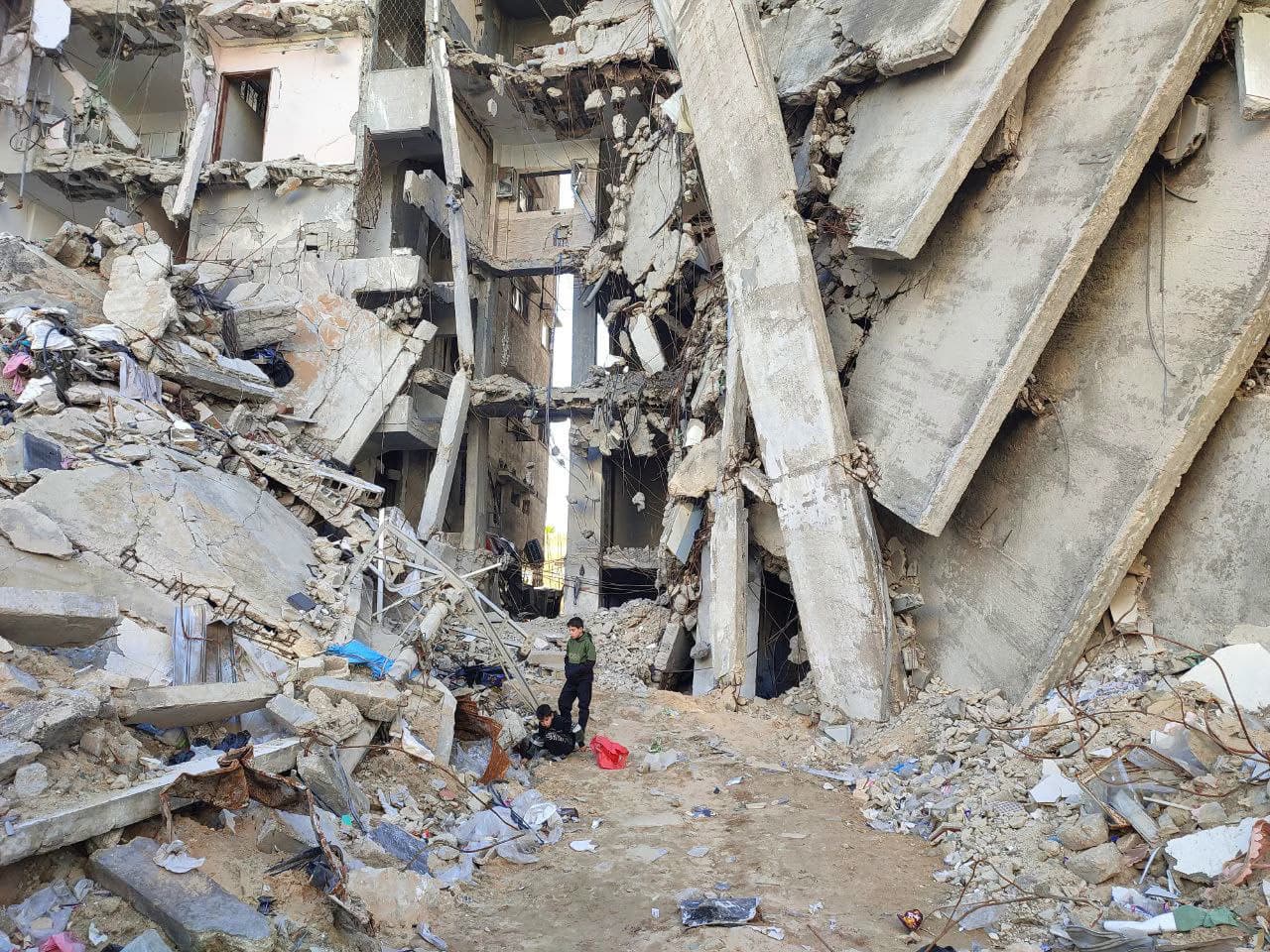
The NAZA documentary received the Jury Special Award at the 83rd International Venice Film Festival in Italy. The production, which documents civilian deaths in Gaza, prompted a reaction from Israeli authorities.
Israeli Chief of Staff Eyal Zamir called for an investigation into whether data had been leaked from within the army for the documentary. Zamir also instructed the Military Prosecutor’s Office to initiate legal proceedings.
Israeli Prime Minister Benjamin Netanyahu described the documentary, produced by The Guardian newspaper, as antisemitic incitement in a video posted to his X account. Referring to NAZA, directed by Oscar-winning Yuval Abraham and Rachel Szor, Netanyahu said that while fighting global antisemitic incitement, they were now facing similar incitement coming from within Israel.
Netanyahu also recalled a statement attributed to Democratic Party leader Yair Golan claiming that the Israeli army had killed babies as a hobby.
Netanyahu said that footage showing the alleged rape of a Palestinian detainee at Sde Teiman military prison had been described as authentic. He himself claimed that the footage used in the documentary about the incident had been fabricated to smear Israeli soldiers and was false.
The Israeli prime minister also said that Abraham and Szor were members of the Directors Guild. He criticized Gadi Eisenkot, leader of the Yashar Party, for naming the guild’s president as a parliamentary candidate from his party and described Eisenkot as his biggest rival in the elections scheduled for October 27.
Israeli Culture Minister Miki Zohar also threatened to strip directors Yuval Abraham and Rachel Szor of their citizenship.
Accounts presented in the documentary
The film’s title, NAZA, is described as referring to an acronym used in the Israeli army for civilians—including men, women and children—who are designated to be killed in an attack.
The documentary was secretly filmed on rooftops in Tel Aviv over three years, using different interview methods to protect the participants’ safety. The participants’ identities, voices and images were concealed through digital alterations.
People interviewed in the production described alleged secret systems, surveillance methods and remote-bombardment practices used by the Israeli army in Gaza. According to their accounts, potential Hamas targets are identified using artificial intelligence, and some homes are bombed even when it is known that families are inside.
The documentary also included accounts alleging that residential areas used by people in Gaza as shelters were deliberately set on fire and that people were killed during food distribution. It also said that some of the people interviewed had worked in secret intelligence units and reported directly to Netanyahu.