- BIST10011,722-2.89%
- USD49.45+0.05%
- EUR55.62+0.37%
- GOLD4,181.10+0.26%
- INTEREST37.00%-1.00
- BITCOIN81,730+0.43%
- October 18, 20265°
- BIST10011,722-2.89%
- USD49.45+0.05%
- EUR55.62+0.37%
- GOLD4,181.10+0.26%
- INTEREST37.00%-1.00
- BITCOIN81,730+0.43%
- October 18, 20265°
Teamsters union demands Trump impose tariffs on Mexican beer
The International Brotherhood of Teamsters has asked the Trump administration to impose high tariffs on Mexican beers like Modelo and Corona to protect U.S. breweries. The union argues that tariffs would shift production to the U.S. and save American jobs.


The International Brotherhood of Teamsters, one of the largest labor unions in the U.S., has demanded that President Donald Trump impose heavy tariffs on beer imported from Mexico. The union argues that this move would encourage popular brands like Modelo, Corona, Pacifico, and Tecate to be produced on U.S. soil and strengthen the American manufacturing sector.
Teamsters General President Sean O'Brien told Fox News Digital, "We can produce Modelo beer. Same recipe. Let's make it in the U.S." O'Brien stressed that tariffs would protect union jobs and contribute to the American economy.

Mexico's beer exports hit the U.S.
In a filing submitted to the U.S. Trade Representative (USTR), the union noted that Mexico's beer production has increased by 85 percent since 2014, and about 80 percent of the country's beer exports go to the U.S. During this period, the capacity utilization rate at major U.S. breweries fell from 82 percent in 2013 to 65 percent in 2023.
The Teamsters noted that this trend threatens thousands of well-paying union jobs. The union argued that tariffs would shift beer production back to the U.S., supporting not only breweries but also barley and hop farmers, aluminum can manufacturers, and truck drivers in the distribution sector.
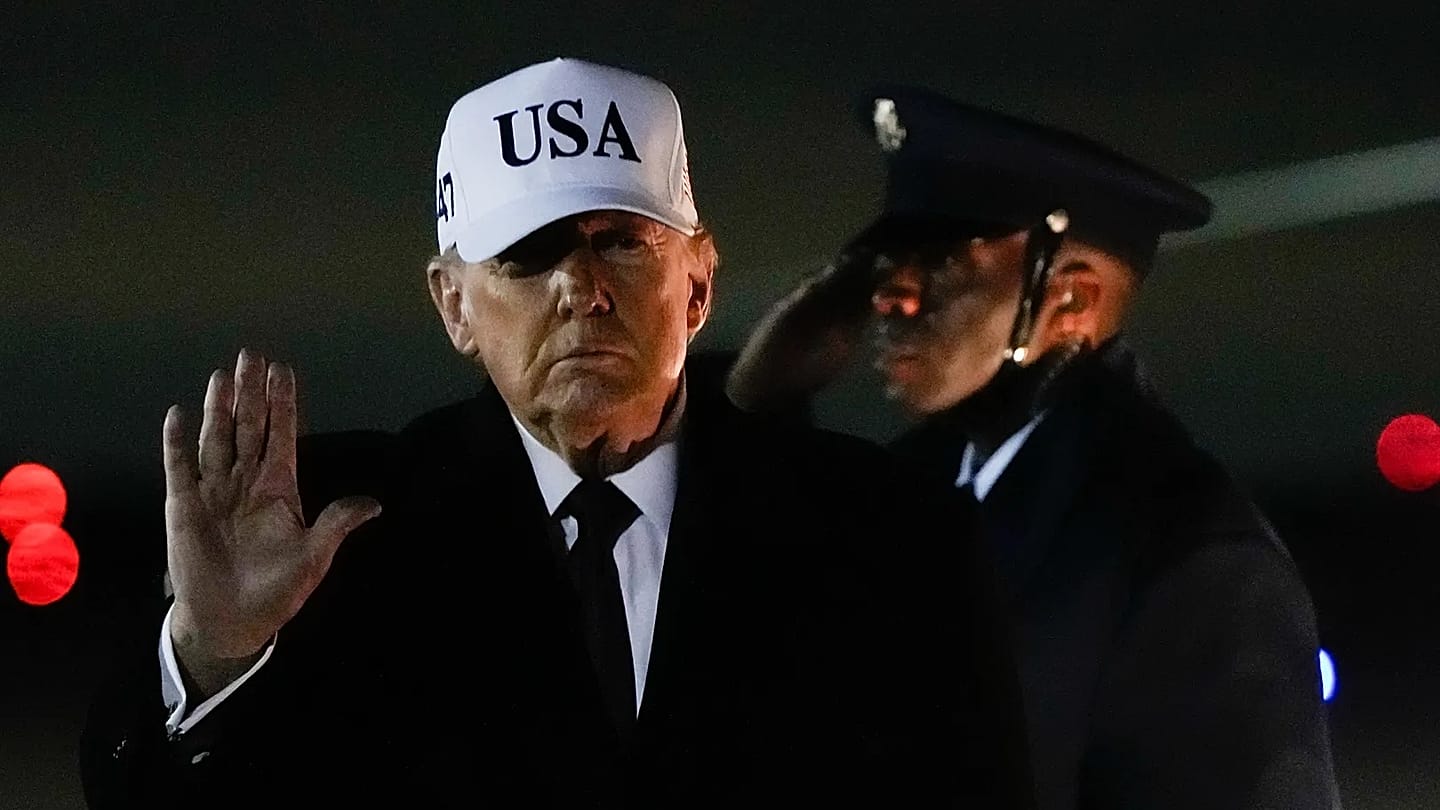
Tariff proposal of up to 75 percent
The union proposed tariffs of up to 75 percent on Mexican beer imports to level the playing field. In a separate submission to the USTR, the Teamsters warned that the pressure from imported beer could cause more U.S. breweries to slow down or shut down.
The submission stated that major brewers continue to invest billions of dollars in Mexico, with plans for an additional 19 million to 23 million hectoliters of production capacity over the next five years. The union attributed this expansion to export-oriented tax incentives, low labor costs, and industrial policies aimed at boosting production for foreign markets.
Mexico's tax incentives for export-oriented producers in 2023 and its "Plan México" industrial strategy were also criticized for making it harder for U.S. producers to compete.
The USTR did not immediately respond to a request for comment.
Stay Updated with Ally Daily
Subscribe to be informed about special news, developments and announcements. We will keep you informed.
By signing up, you agree to our Privacy Policy