- BIST10010,760-3.64%
- USD49.79+0.05%
- EUR55.52-0.41%
- GOLD3,884.90-3.63%
- INTEREST36.00%-1.00
- BITCOIN76,629-1.49%
- October 31, 202615°
- BIST10010,760-3.64%
- USD49.79+0.05%
- EUR55.52-0.41%
- GOLD3,884.90-3.63%
- INTEREST36.00%-1.00
- BITCOIN76,629-1.49%
- October 31, 202615°
Tech rout wipes $1 trillion off Nasdaq 100 as Intel plunges 29%
U.S. stocks tumbled Friday as Intel's weak outlook and Amazon's soaring AI spending deepened doubts about the tech boom. The Nasdaq Composite fell about 2.9%, its worst day since June, and Nasdaq 100 companies lost more than $1 trillion in market value.
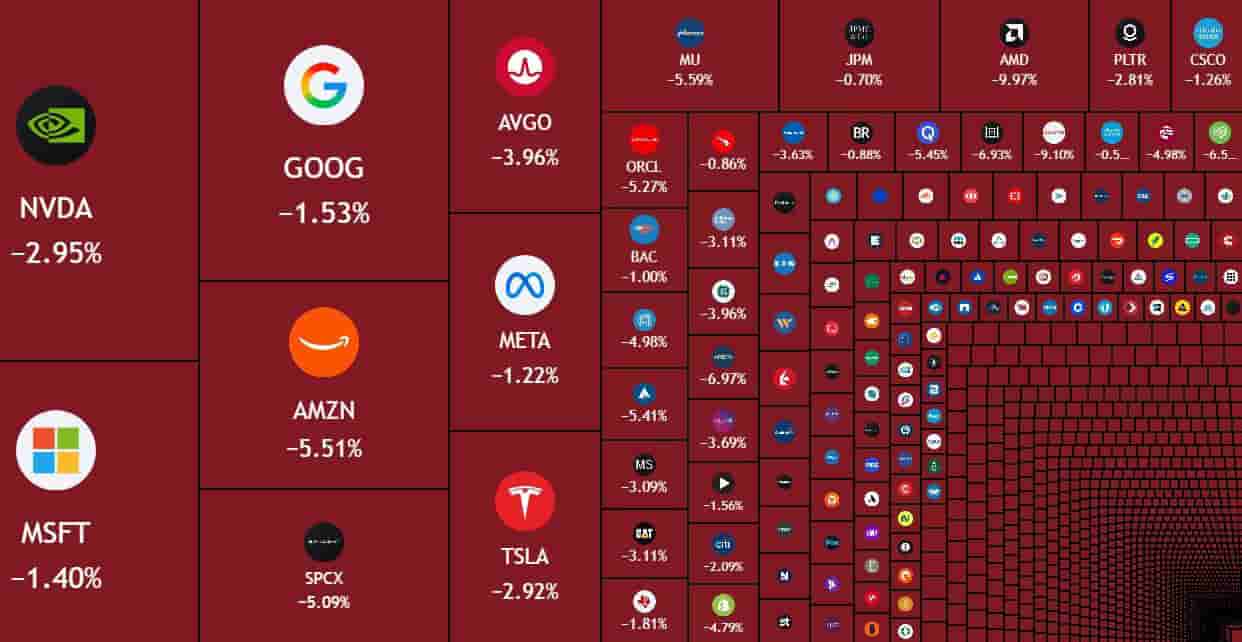
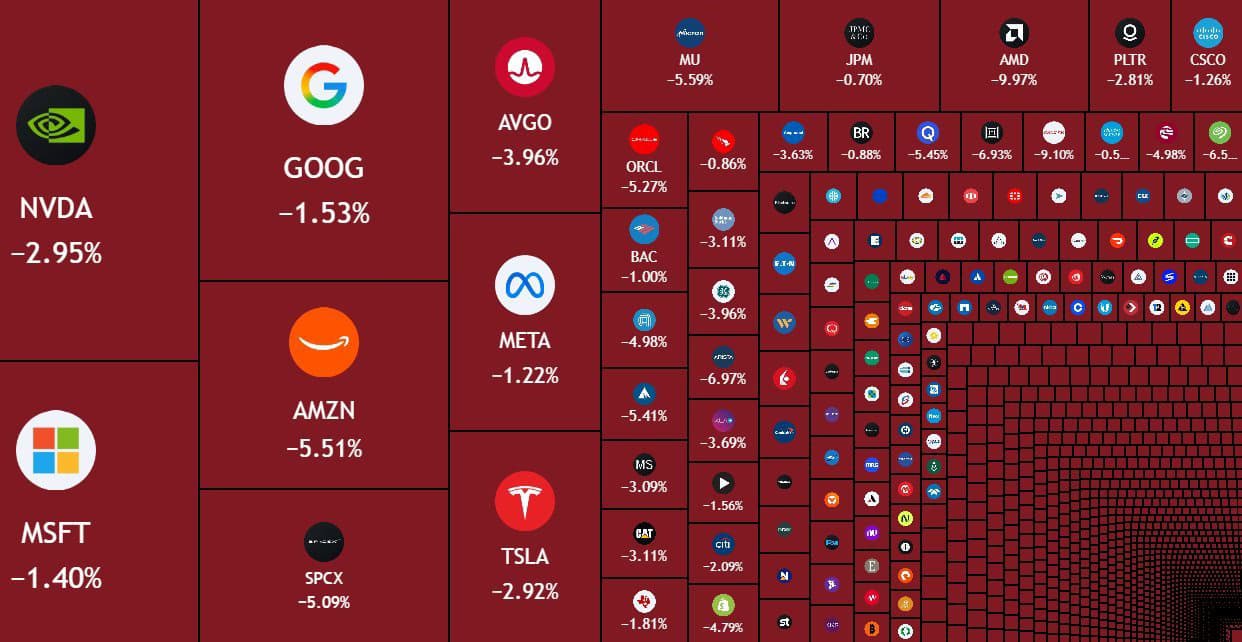
U.S. stocks closed sharply lower on Friday, ending October with a broad tech sell-off as Intel's disappointing forecast and Amazon's ballooning spending on artificial intelligence deepened investor doubts about whether the AI boom will pay off.
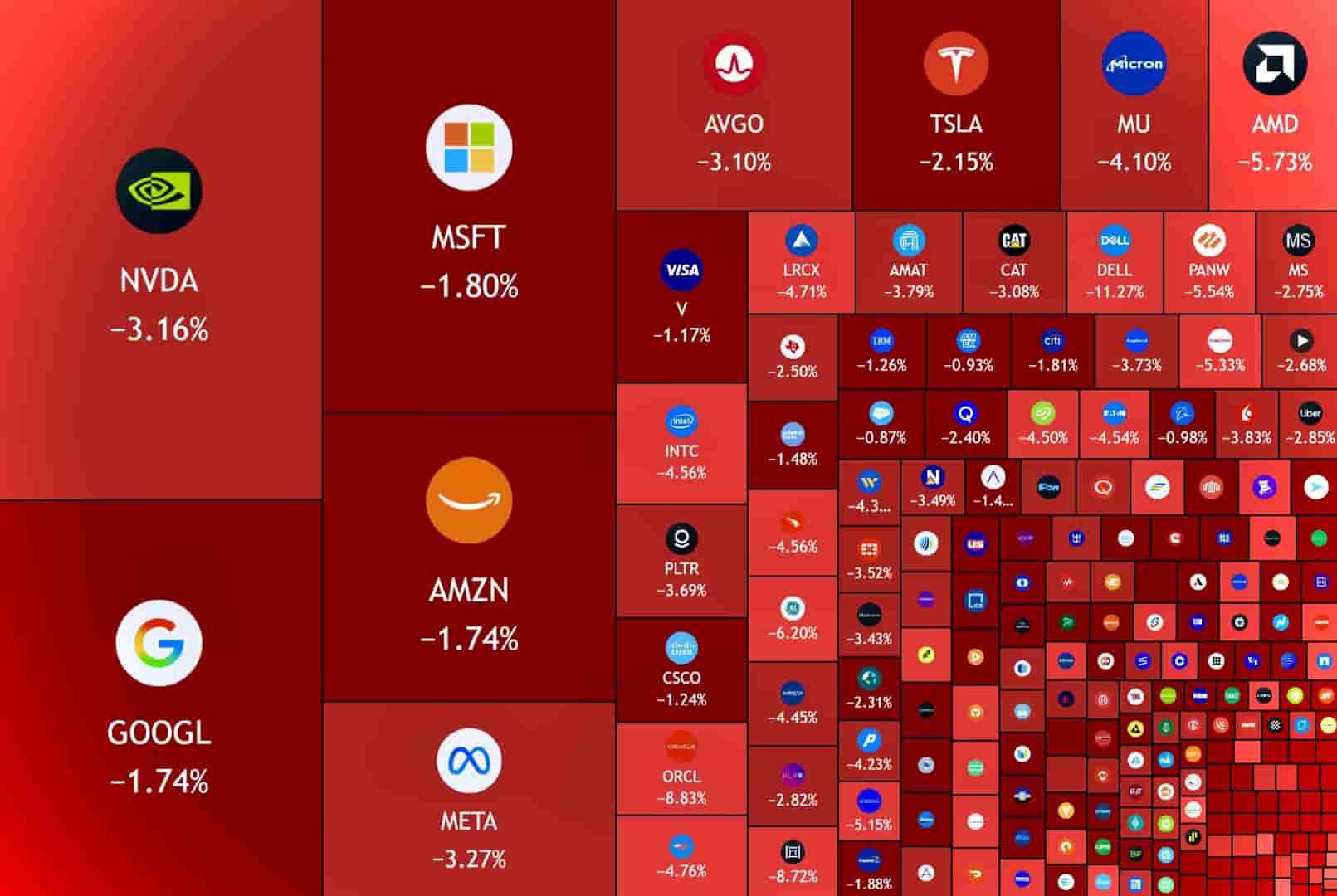
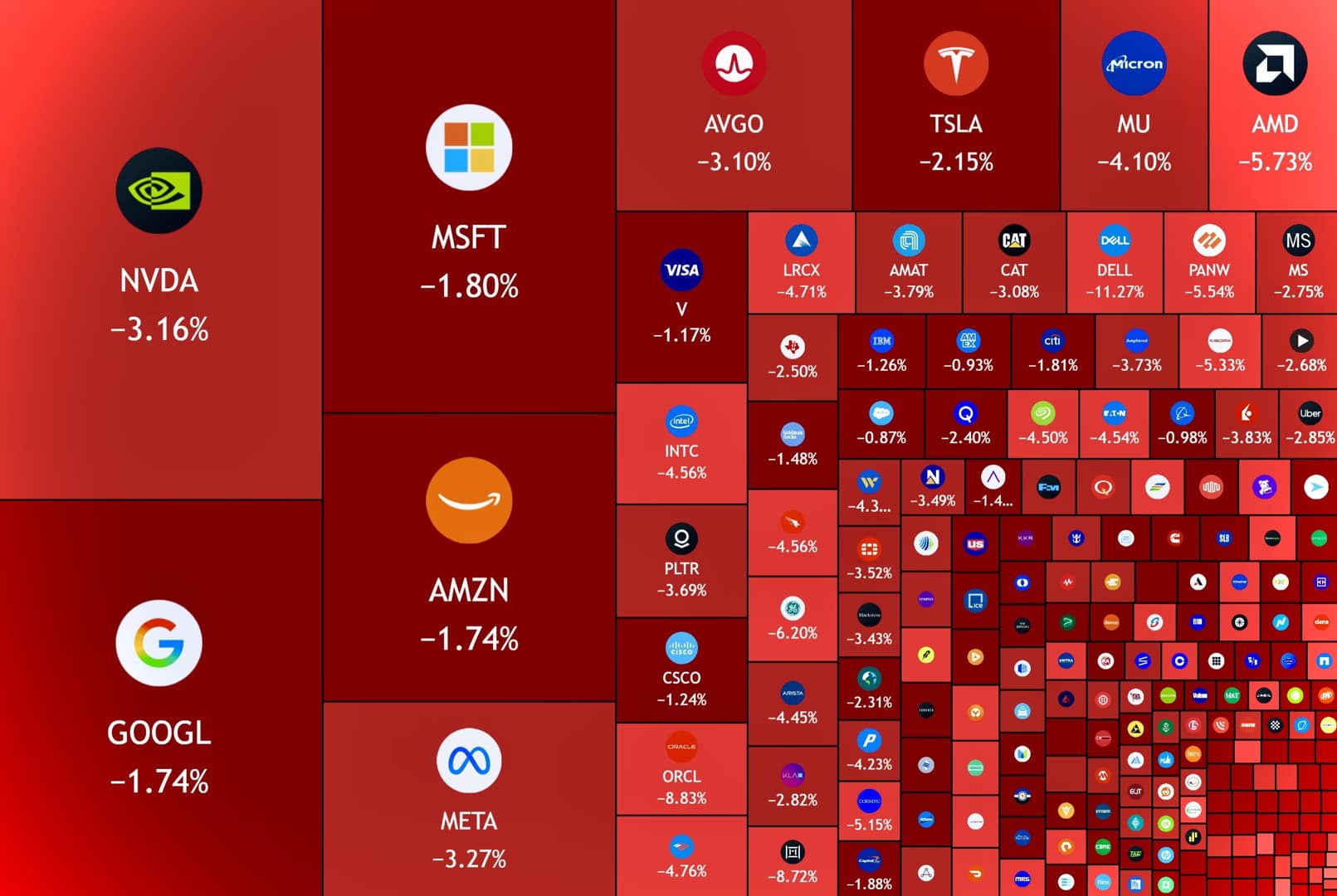
The Nasdaq Composite fell about 2.9% to roughly 25,440, its worst day since early June. The S&P 500 lost about 1.8% to around 7,580, and the Dow Jones Industrial Average dropped about 1.1%, or more than 570 points. Companies in the Nasdaq 100 lost more than $1 trillion in market value in a single session, pushing the index close to correction territory.
Intel suffers worst day on record
Intel shares plunged about 29%, the steepest one-day drop in data going back to the 1980s, after the chipmaker forecast lower fourth-quarter sales and profit and said it would burn cash this year amid a weak PC market, manufacturing hurdles and heavy spending to expand production.
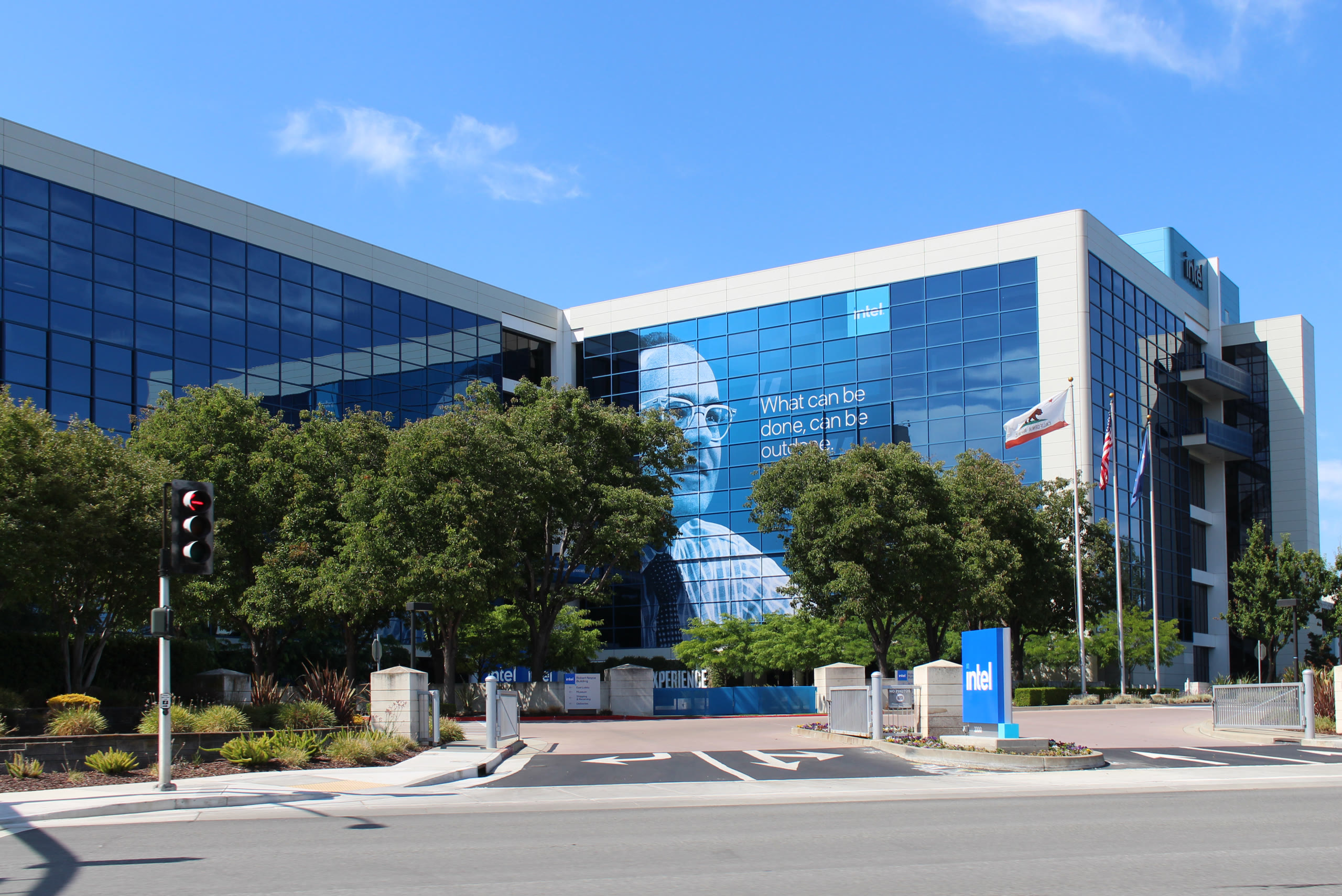
"Our customers began signaling a PC slowdown based on the memory prices and availability," Intel CEO Lip-Bu Tan said. The warning rippled across the chip sector: AMD fell about 10%, Nvidia lost around 4% and the Philadelphia Semiconductor Index dropped more than 7%. Dell and HP also slid sharply, and the world's largest chipmakers and equipment suppliers shed about $1 trillion in combined value.
AI spending under scrutiny
Amazon fell as much as 10% in after-hours trading Thursday after reporting a sharp cash outflow and signaling higher capital spending next year, before paring losses to close down about 1.4% on Friday. Alphabet slipped another 1.4% a day after losing about $500 billion in market value, its worst day ever.
Reddit tumbled about 28% after CEO Steve Huffman warned that daily active unique visitors could fall by a low double-digit percentage in the fourth quarter. Coinbase sank about 13% after a $6.3 billion heist at the crypto exchange Binance, and Bitcoin fell about 2%.
"A lot of them kind of got ahead of themselves. It's all earnings-based and right now, they're not producing," said Joe Saluzzi, co-manager of trading at Themis Trading. "It doesn't kill the whole story, it's pretty much a reset."
Rates and oil add pressure
Higher borrowing costs are also weighing on tech companies that are borrowing heavily to finance data centers, with the 10-year Treasury yield near 4.9%. The Federal Reserve held rates steady this week, but traders now expect hikes totaling more than 50 basis points by mid-2027, according to LSEG data.
Oil prices climbed on signs that the U.S. could resume strikes on Iran, and Exxon Mobil and Chevron rose after beating third-quarter profit estimates.
The Nasdaq ended October with a monthly loss of about 5%, snapping a two-month winning streak, while the Dow posted a gain for the month.
Have a story, event or announcement of your own?Send us your news on WhatsApp
Spotted an error in this story?Report it on WhatsApp
Share on all social platforms
Sponsored Ads
Featured Listings
Loading featured properties...
Stay Updated with Ally Daily
Subscribe to be informed about special news, developments and announcements. We will keep you informed.
By signing up, you agree to our Privacy Policy