- BIST10011,798+3.22%
- USD49.55+0.21%
- EUR55.57-0.09%
- GOLD4,127.40-0.37%
- INTEREST37.00%-1.00
- BITCOIN82,723-0.26%
- October 21, 202615°
- BIST10011,798+3.22%
- USD49.55+0.21%
- EUR55.57-0.09%
- GOLD4,127.40-0.37%
- INTEREST37.00%-1.00
- BITCOIN82,723-0.26%
- October 21, 202615°
Trump confirmed he was angry at Netanyahu
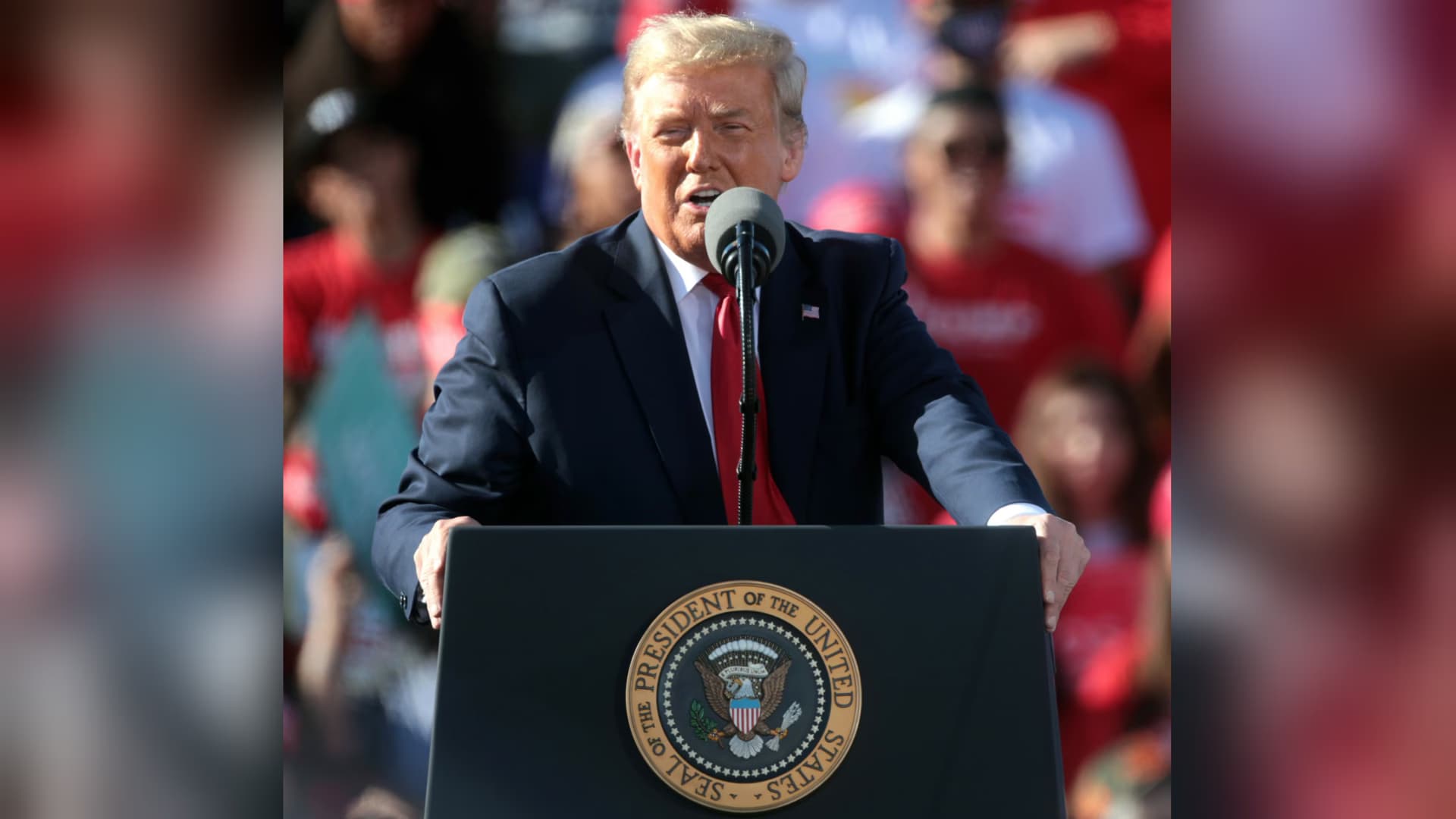
Donald Trump confirmed that he called Israeli Prime Minister Benjamin Netanyahu "crazy" during a harsh phone call. After the call, the planned attack on Beirut...


US President Donald Trump confirmed that he called Israeli Prime Minister Benjamin Netanyahu "crazy" during a heated phone call this week. Trump's statement came after Israel halted its planned airstrikes on Beirut.
Trump emphasized that he has not severed ties with Netanyahu and highlighted the long-standing working harmony between them. However, during the call, he openly expressed his discomfort over the ongoing conflicts with Lebanon.
Highlights
- Trump admitted he called Netanyahu "crazy."
- The harsh phone call took place this week.
- Israel's planned attacks on Beirut stopped after the call.
- Despite this, Trump said he gets along well with Netanyahu.
Harsh words during the phone call
Trump accepted his words during a podcast interview with conservative writer Miranda Devine. He explained that during the call he repeatedly told Netanyahu that he was escalating the conflict with Lebanon and expressed that his patience had run out.
Trump's harsh remarks were first reported by Axios. Trump argued in his public statement that it was not an outburst of anger but a reflection of his discomfort amid rising tensions.
Beirut plan escalated tensions
Israeli Prime Minister Netanyahu had launched a large-scale military operation against Hezbollah in southern Lebanon. Netanyahu said this was in response to rocket attacks on settlements in northern Israel.
Last Friday, Netanyahu went to Israel's northern border and ordered soldiers to continue attacks against Hezbollah. Then on Monday, he announced airstrikes on Hezbollah targets in the southern suburbs of Beirut.
This announcement caused many residents in the area to flee by car, leading to heavy traffic in the city. While Israel and Hezbollah are officially supposed to maintain a calm as part of a broad ceasefire, tensions on the ground escalated.
Pressure from Washington
After Trump's phone call, Netanyahu at least temporarily withdrew the airstrikes on Beirut. However, Israel's ground operations and airstrikes in southern Lebanon continued.
During the podcast, Trump also said his good relations with Netanyahu continue. "I love Bibi, I worked very well with him," Trump said, describing himself as a wartime president and Netanyahu as a wartime prime minister.
Criticism within Israel
The report also noted increasing criticism of Netanyahu in Israeli media and among some politicians. These circles argue that Netanyahu has not stood strong enough against Trump.
The criticisms claim that Trump has pressured Israel into ceasefires on Gaza, Iran, and now Lebanon. Ben Caspit, a prominent columnist for Maariv newspaper, wrote that Israeli policy is shaped by Trump's social media posts.
Iran and the regional equation
It was noted that Trump and Netanyahu coordinated closely to start the Iran war that began three months ago and largely agreed on key objectives. These objectives included weakening the Iranian regime and dismantling its nuclear program.
Today, Trump is said to focus more on a concessionary Iran deal, while Netanyahu wants military pressure on Iran to continue. This difference has made the disagreement between Washington and Tel Aviv visible again.
Context: The report highlights not only the recent phone call between Trump and Netanyahu but also the regional picture strained simultaneously by the Lebanon, Gaza, and Iran issues. The harsh words reopened discussions on the extent of Washington's pressure on Israel's war and ceasefire policies.
Sponsored Ads
Featured Listings
Loading featured properties...
Stay Updated with Ally Daily
Subscribe to be informed about special news, developments and announcements. We will keep you informed.
By signing up, you agree to our Privacy Policy