- BIST10011,722-2.89%
- USD49.45+0.05%
- EUR55.62+0.37%
- GOLD4,181.10+0.26%
- INTEREST37.00%-1.00
- BITCOIN81,447-0.07%
- October 17, 20269°
- BIST10011,722-2.89%
- USD49.45+0.05%
- EUR55.62+0.37%
- GOLD4,181.10+0.26%
- INTEREST37.00%-1.00
- BITCOIN81,447-0.07%
- October 17, 20269°
Trump slams Europe in meeting with Rutte ahead of NATO summit
U.S. President Donald Trump met with NATO Secretary General Mark Rutte at the White House. Trump criticized European allies for not supporting the Iran war, while Rutte highlighted the increase in defense spending.


U.S. President Donald Trump met with NATO Secretary General Mark Rutte in the Oval Office at the White House. During the meeting, Trump reiterated his discomfort over European countries' lack of support for the U.S.-Israel war against Iran.
"We didn't need any help on this. We literally flattened them in the first week," said Trump, adding that it would still be good for European allies to offer help.
Rutte emphasizes defense spending
At the beginning of the meeting, Rutte presented a series of graphs showing the increasing defense spending of NATO members. He also praised the U.S. attacks on Iran, describing Trump as the 'leader of the free world.'
Rutte said, 'The nuclear capacity Iran was acquiring would pose a threat to the region and the entire world. This country exports chaos and terrorism.'
Role of bases and 'isolated incidents' debate
The NATO Secretary General argued that European allies contributed to the war in other ways. Noting that four to five thousand U.S. aircraft took off from European bases in the six weeks of the war, Rutte said, 'Generally speaking, your European allies were with you.'
Stating that he understood Trump's frustration, Rutte claimed that these were 'isolated incidents' and did not represent the NATO alliance. Trump, however, did not appear impressed by this argument.
Critical meeting ahead of Ankara summit
Rutte's Oval Office visit took place about two weeks before NATO's annual summit on July 7 in Ankara, the capital of Turkey. While Rutte is known to approach Trump sympathetically, critics view this visit as an attempt to appease the U.S. president.
During the meeting, Trump praised Rutte as 'a great man, a great leader, a great secretary general' and added, 'If someone else were in this position, to be honest, we wouldn't even be meeting today.'
Strait of Hormuz and ceasefire negotiations
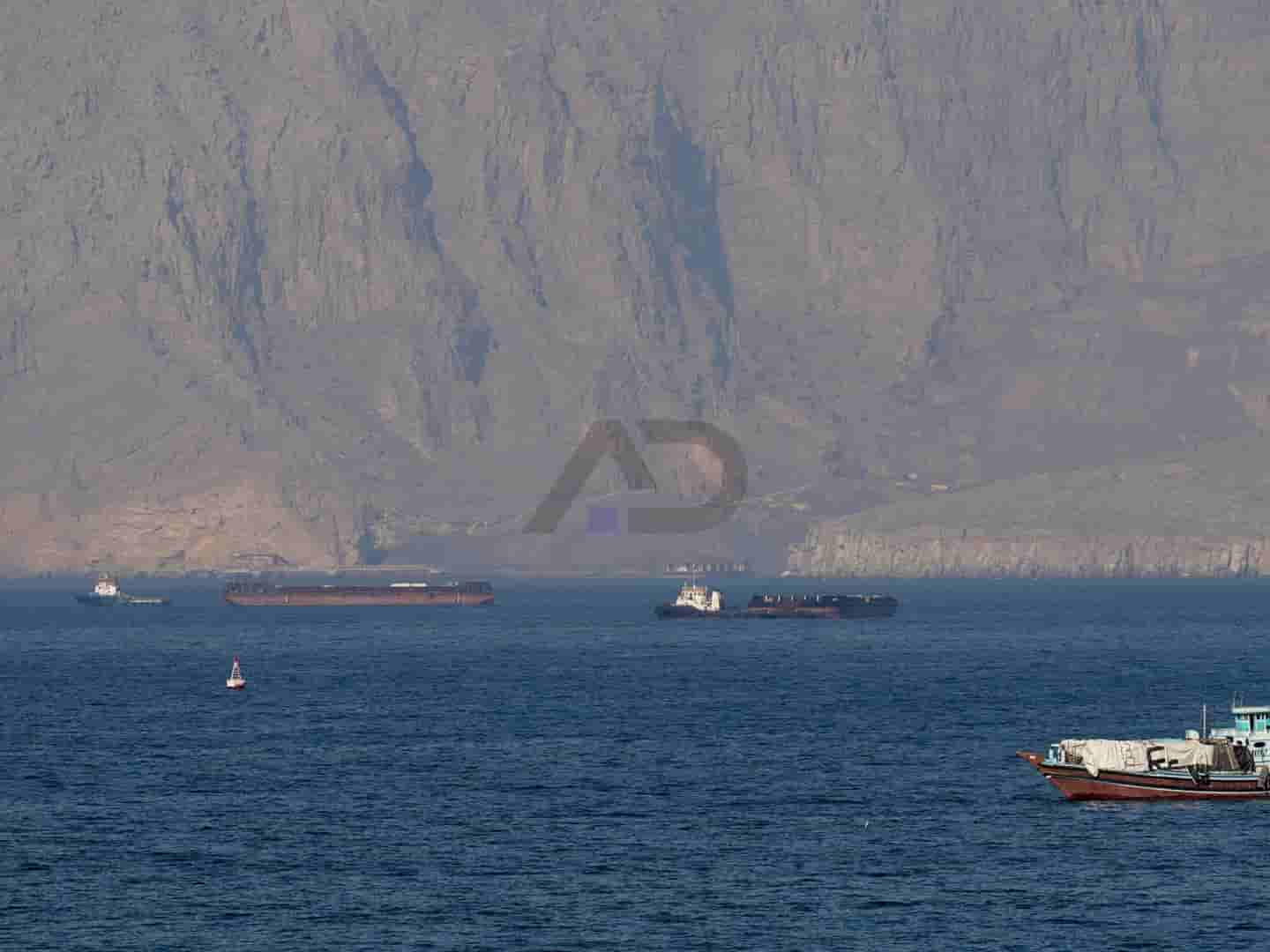
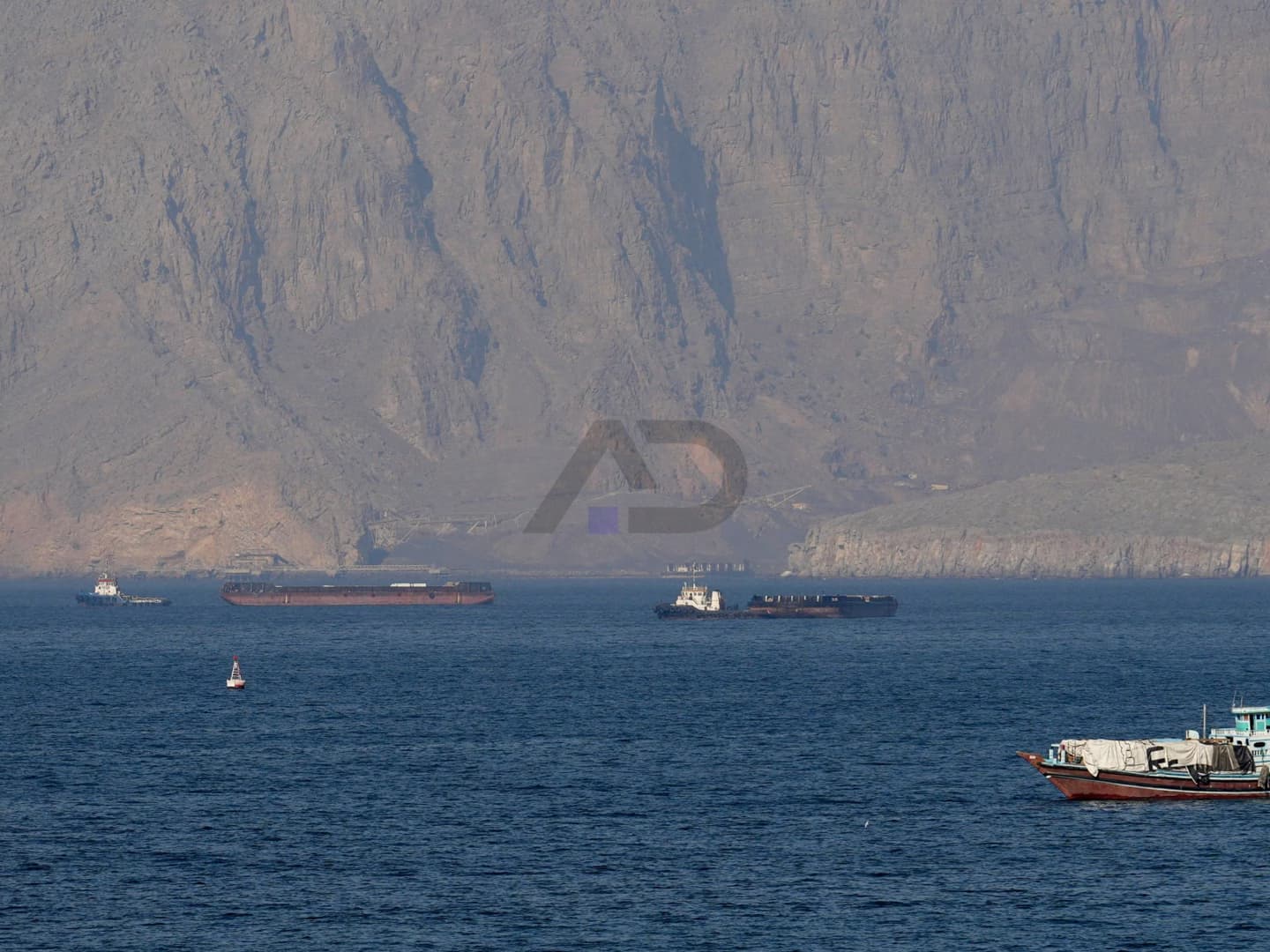
The attacks launched by the U.S. and Israel on February 28 resulted in the deaths of thousands of Iranian civilians and the displacement of millions. Since the start of the war, Iran had halted traffic in the Strait of Hormuz, which passes by its coast. With the temporary ceasefire agreement signed on June 17, Iran lifted the blockade in the strait.
In March, while the blockade was in full force, Trump called on NATO allies to send their armies to protect the waterway, warning that otherwise it would be 'very bad for the future of NATO.' No NATO ally allocated military forces to the conflict.
Stay Updated with Ally Daily
Subscribe to be informed about special news, developments and announcements. We will keep you informed.
By signing up, you agree to our Privacy Policy