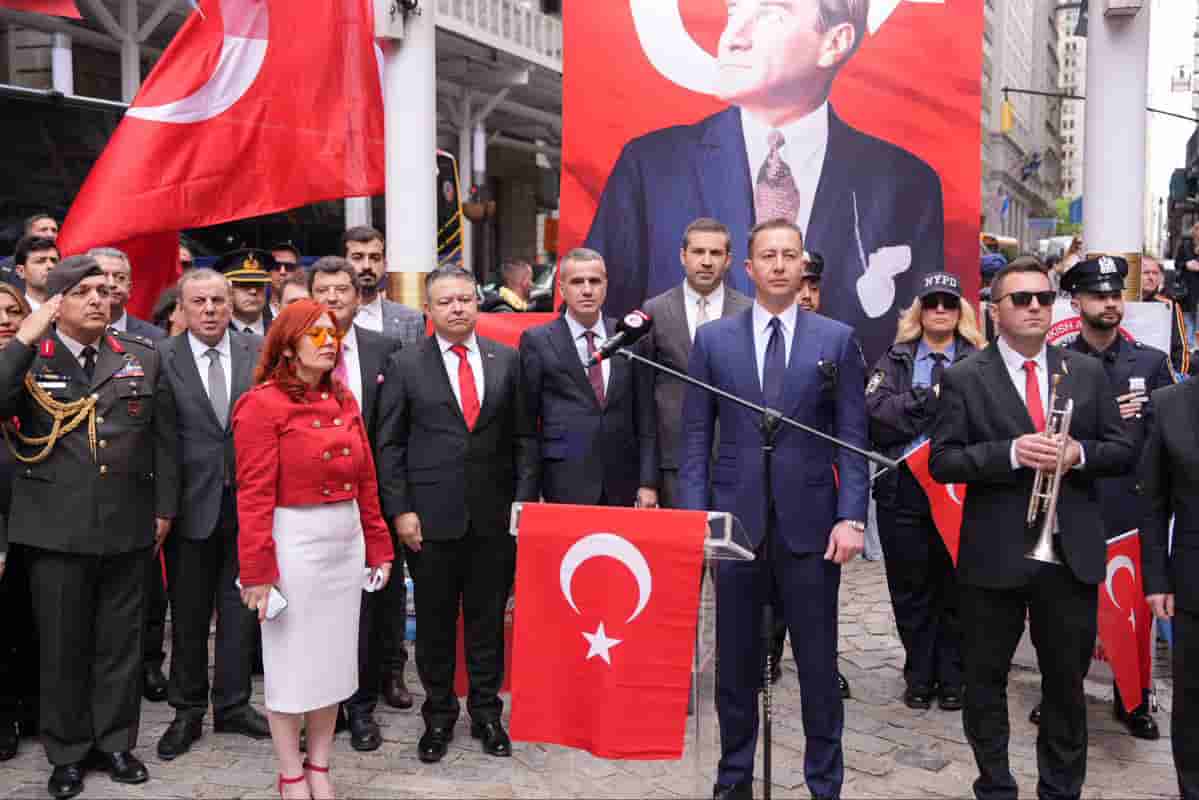
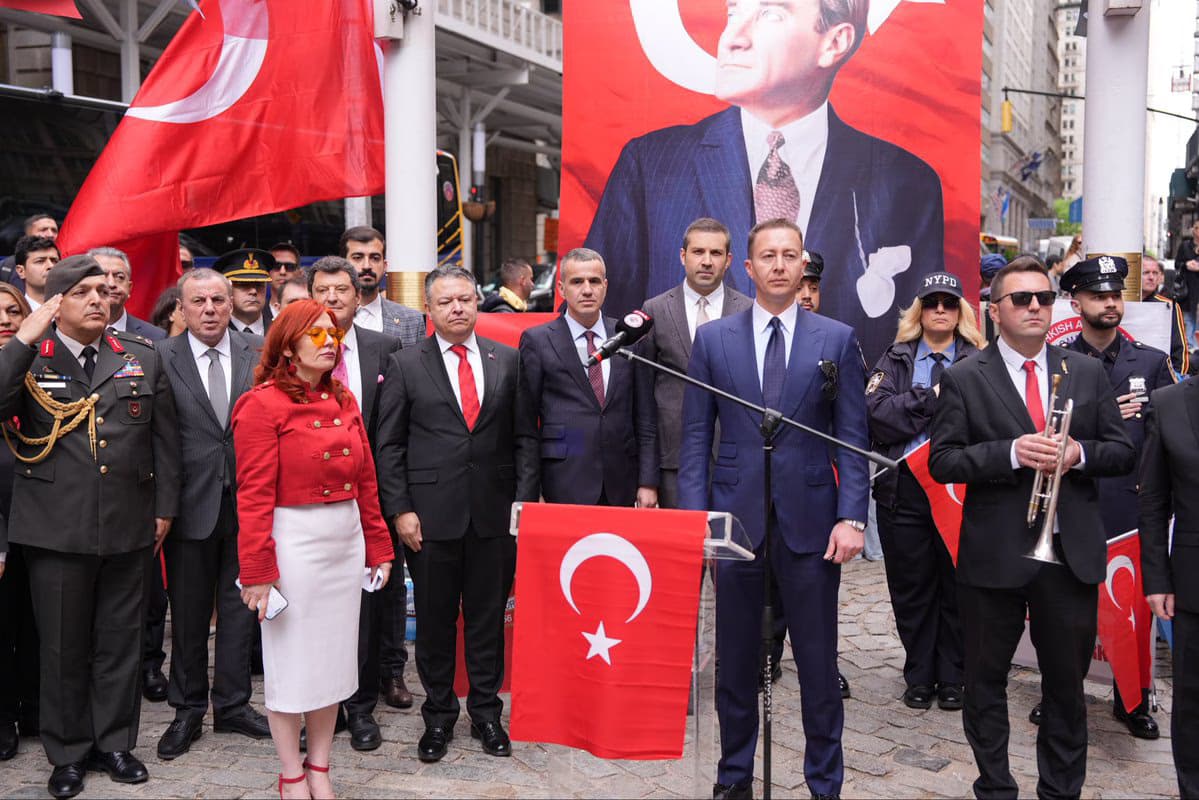
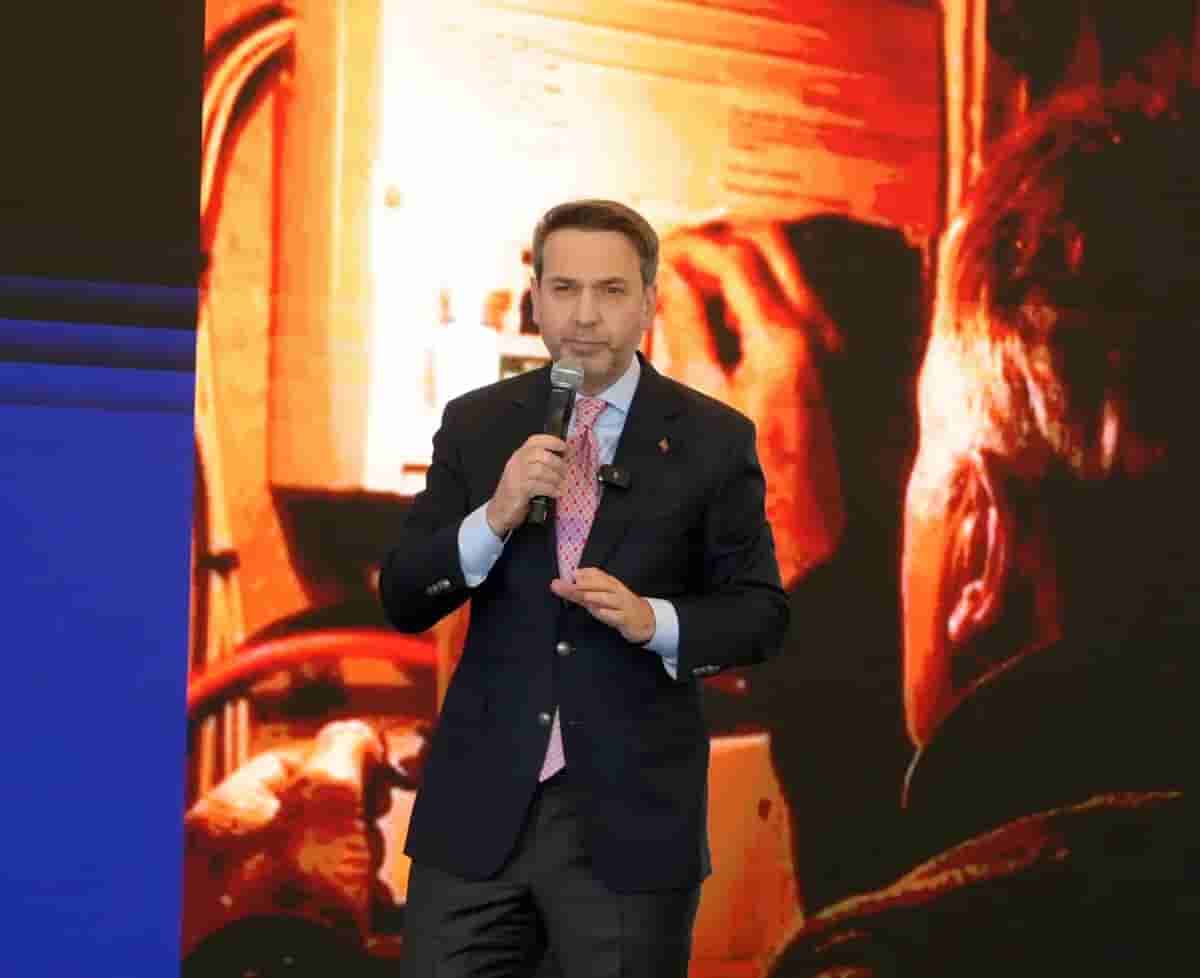
Defense Industry President Haluk Görgün made important statements at the Defense Industry Forum held in Ankara as part of the 36th NATO Heads of State and Government Summit. Görgün emphasized that the forum is of central importance for NATO's future deterrence architecture.
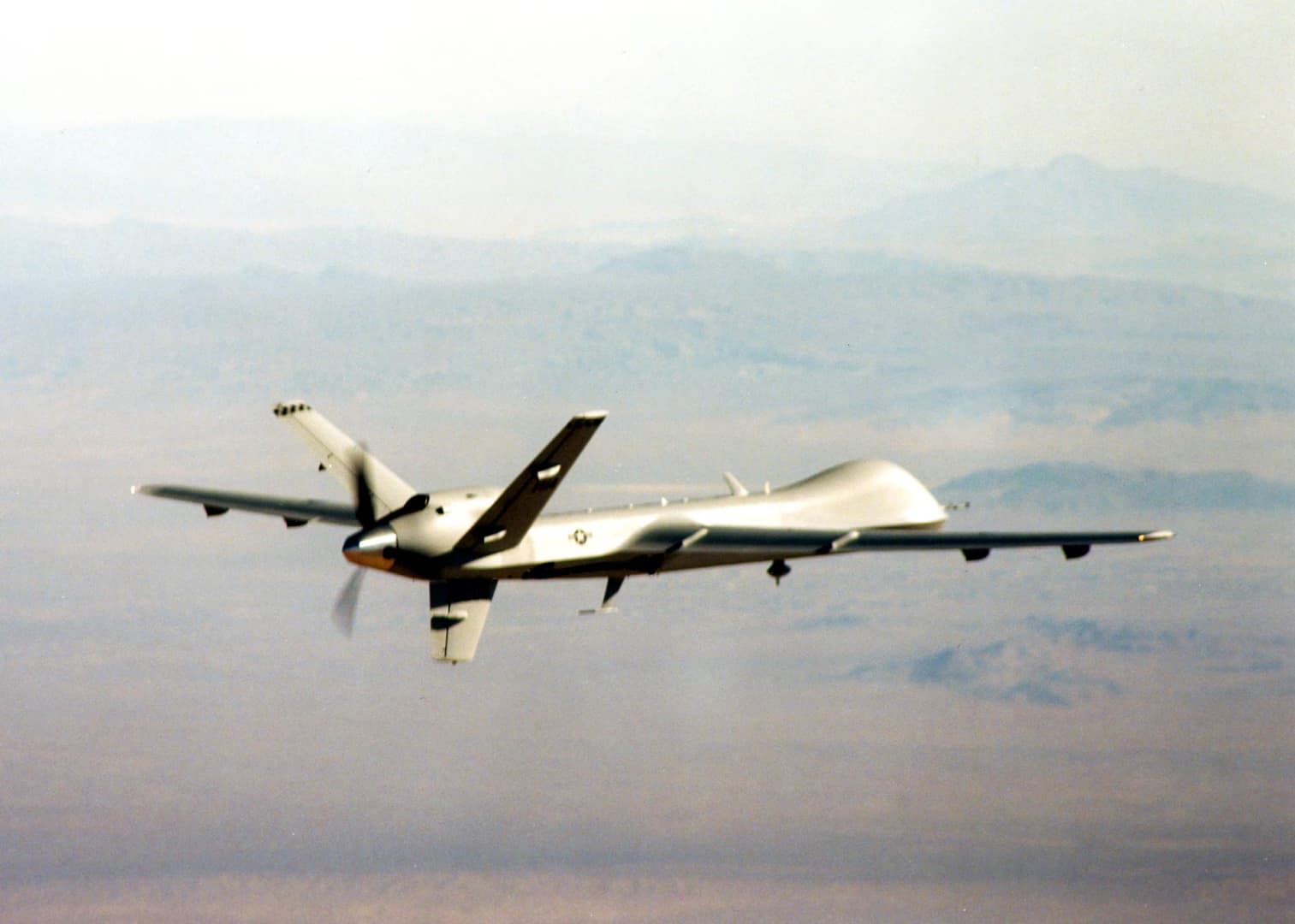
At the 2026 NATO Defense Industry Forum, agreements were signed in five main areas to be developed together with member countries. These areas were listed as Strike Force Capabilities, Integrated Air and Missile Defense Systems, Space and Surveillance Capabilities, Critical Raw Materials for the Defense Industry, and NATO's Unmanned Aerial Vehicle Superiority.
Haluk Görgün said, "These projects, in which ASELSAN, ROKETSAN, STM and TÜBİTAK will be among the contractors, will form the backbone of the Alliance's deterrence architecture in the coming years."
Delivering the forum's opening speech, Görgün stated that the event was the "centerpiece" of this year's summit. He noted that this stemmed from allies' better grasp of the strategic importance of the defense industry. He said that NATO Secretary General Mark Rutte's prioritization of the issue gave the forum special meaning.
Görgün said, "Another element that truly makes this forum unique is that it is being held in Turkey, which has shown unprecedented growth in the defense industry under the leadership of our President, Recep Tayyip Erdoğan."
Calling on participants to examine the capabilities on display, Görgün especially recommended seeing KIZILELMA up close.
NATO's Industrial Expansion Commitment
Haluk Görgün touched on NATO's decisions to increase defense production capacity. He recalled that the Defense Production Action Plan was announced at the Vilnius Summit and the Industrial Capacity Expansion Pledge at the Washington Summit. He noted that the commitment at the Hague Summit to allocate 5 percent of gross domestic product to defense spending demonstrated the alliance's consensus on industrial expansion.
"Over the past three years, serious ruptures, wars and security threats in almost every region of the world have rewritten the defense architecture," Görgün said, continuing: "What is certain is that we have very little time, we need to strengthen our industrial capacity, and no country can shoulder this burden alone."
Referring to Mark Rutte's emphasis, Görgün said these goals could only be achieved by acting together. "As the Turkish defense industry, we are ready to be one of the driving forces of the industrial transformation NATO needs," he stated.
Existing Cooperation with the US and European Allies
Görgün stated that the Turkish defense industry offers high-maturity solutions in the areas covered by the forum's themes. "We have high-maturity solutions especially in armed unmanned aerial vehicles, deep strike, space technologies, air defense and countering drone threats. NATO forces are already using our products successfully in the field," he said.
He touched on cooperation with Spain in the field of modern jet trainer aircraft, and the partnership for electronic warfare and border security infrastructure in Poland. He cited efforts to strengthen the land and naval inventories of Romania, Hungary and Estonia, and activities to enhance the resilience of the Bayraktar TB2 fleet in Poland.
"We want to carry these capabilities into new initiatives under the NATO umbrella," Görgün said, adding that they approach such cooperation from a strategic perspective. He added that this was the motivation behind hosting events like Multi-Domain Operations and Innovation Continuity, and providing technical support to all working platforms in NATO.
Haluk Görgün wished that the forum would contribute to NATO's progress and invited participants to the reception at the Turkish Aerospace Industries facilities.