According to the Chinese People's Liberation Army newspaper, the US is intensifying its military and organizational steps in the Pacific region. A large-scale naval exercise and the renaming of one of its most important military commands reflect Washington's growing interest in the Western Pacific.
RIMPAC 2026: 31 countries, 25,000 troops
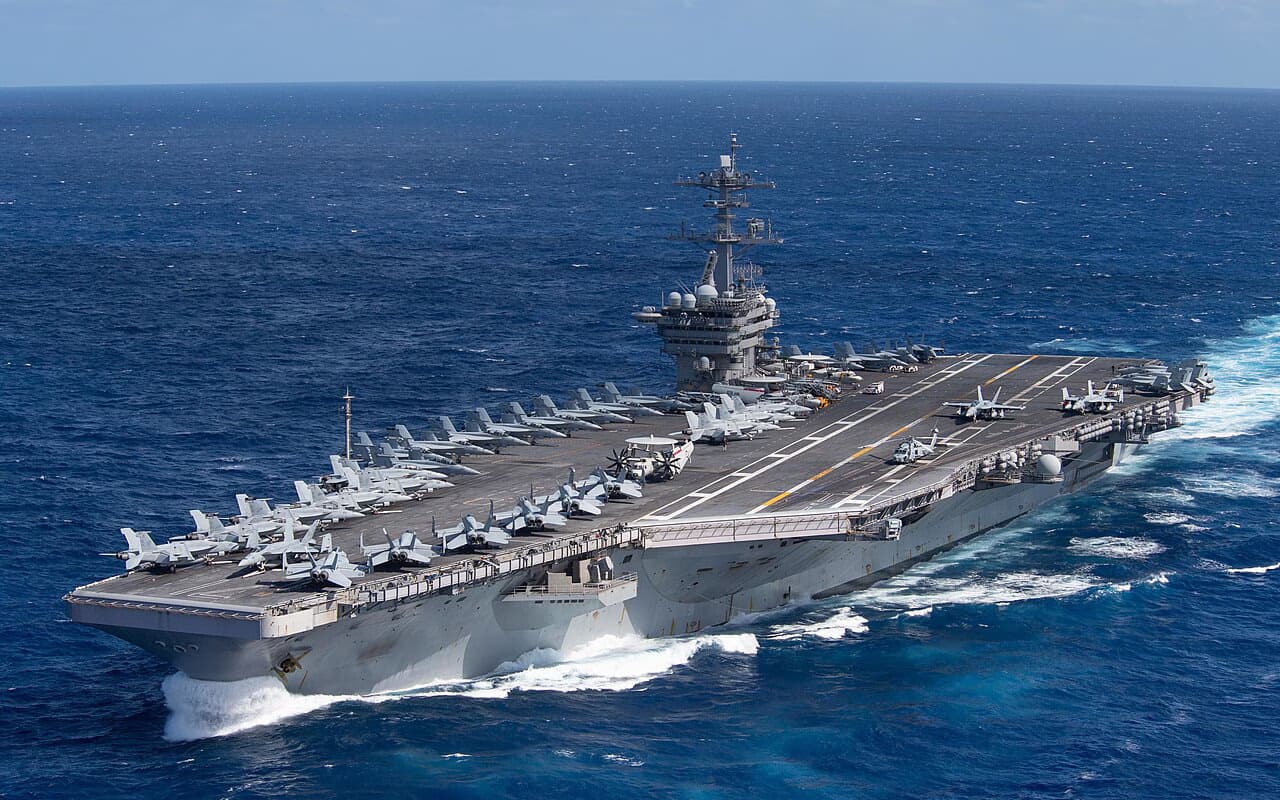
The US-led RIMPAC exercise began on June 24 in the waters around Hawaii. The exercise, which will run until July 31, 2026, involves 31 countries, approximately 25,000 military personnel, more than 40 surface ships, 5 submarines, and around 140 aircraft. These figures indicate the largest version of the exercise to date.
The exercise's slogan was set as "Partnership: Integration and Readiness." The participation structure highlights the central role of regional allies such as Japan, South Korea, Australia, and Canada alongside the US, while other countries undertake coordination, logistics support, and intelligence tasks.
New areas in the training program
The exercise program focuses on intensive practical training such as detecting potential enemy submarines and ships on the high seas, blocking sea lanes, and engaging large warships. The US, together with its closest allies, is also conducting a "sink exercise" by firing live ammunition at decommissioned large-tonnage American ships. The aim of this training is to test the effectiveness of anti-ship weapon systems and the coordination capability of units against complex targets.
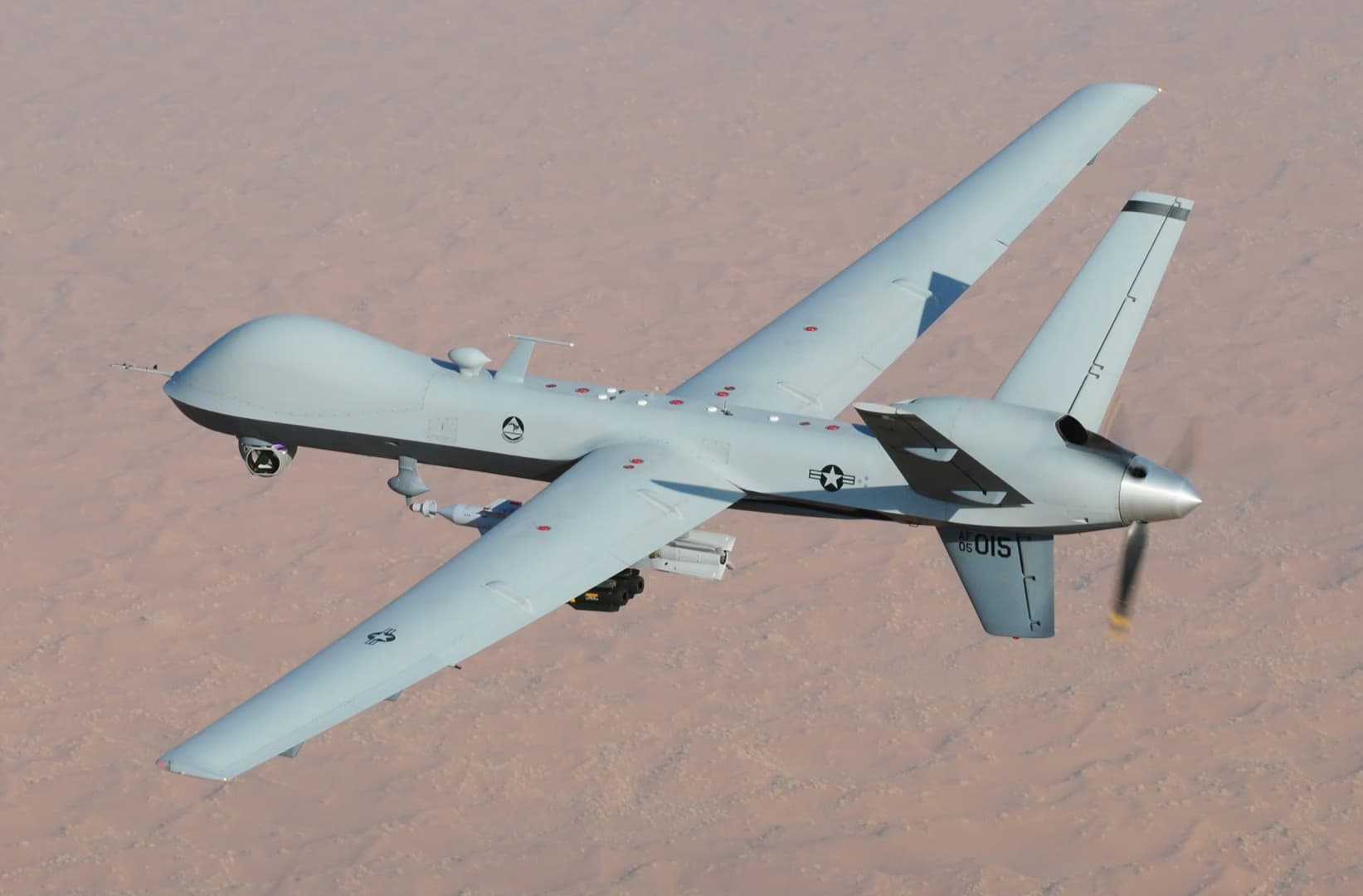
This year, RIMPAC includes space, cyber, and electronic warfare missions for the first time. The exercise, which widely deploys smart unmanned systems such as drones and underwater vehicles, is seen by the Chinese newspaper as an attempt to test "distributed maritime operations" concepts and raise the level of multi-domain joint readiness.
Expanded command structure
In this year's exercise, the US adopted an expanded command model. The commander of the US 3rd Fleet assumed command of the joint task force, while senior officers from Japan, Chile, Canada, and South Korea were given subordinate command positions. This reflects a trend of increasing allies' participation in the management of multinational operations and strengthening interoperability within standard procedures.
Command's name changed again
Simultaneously with the exercise, the US Department of Defense announced on June 16 that the Indo-Pacific Command's name had been reverted to its former name, Pacific Command, while its area of responsibility and missions remained the same. The command, established as Pacific Command in 1947 and renamed in 2018, reverting to its old name is interpreted as a reassessment of military posture and a clearer focus on the Western Pacific.
Hudson Institute defense analyst Bryan Clark stated that removing the word "Indo" from the name symbolizes a greater focus on the Pacific. According to Clark, the US strategy is moving toward lightening the burden on some fronts and strengthening capabilities in the Western Pacific, particularly at the level of island chains, forward bases, and naval-air deployment.
The Chinese newspaper wrote that the name change is expected to be accompanied by practical steps such as increased support from Japan, South Korea, Australia, and the Philippines for the US deployment, as well as greater task transfers to allies. It was emphasized that multinational exercises like RIMPAC continue to play a key role in testing this coordination and positioning model in the Western Pacific.