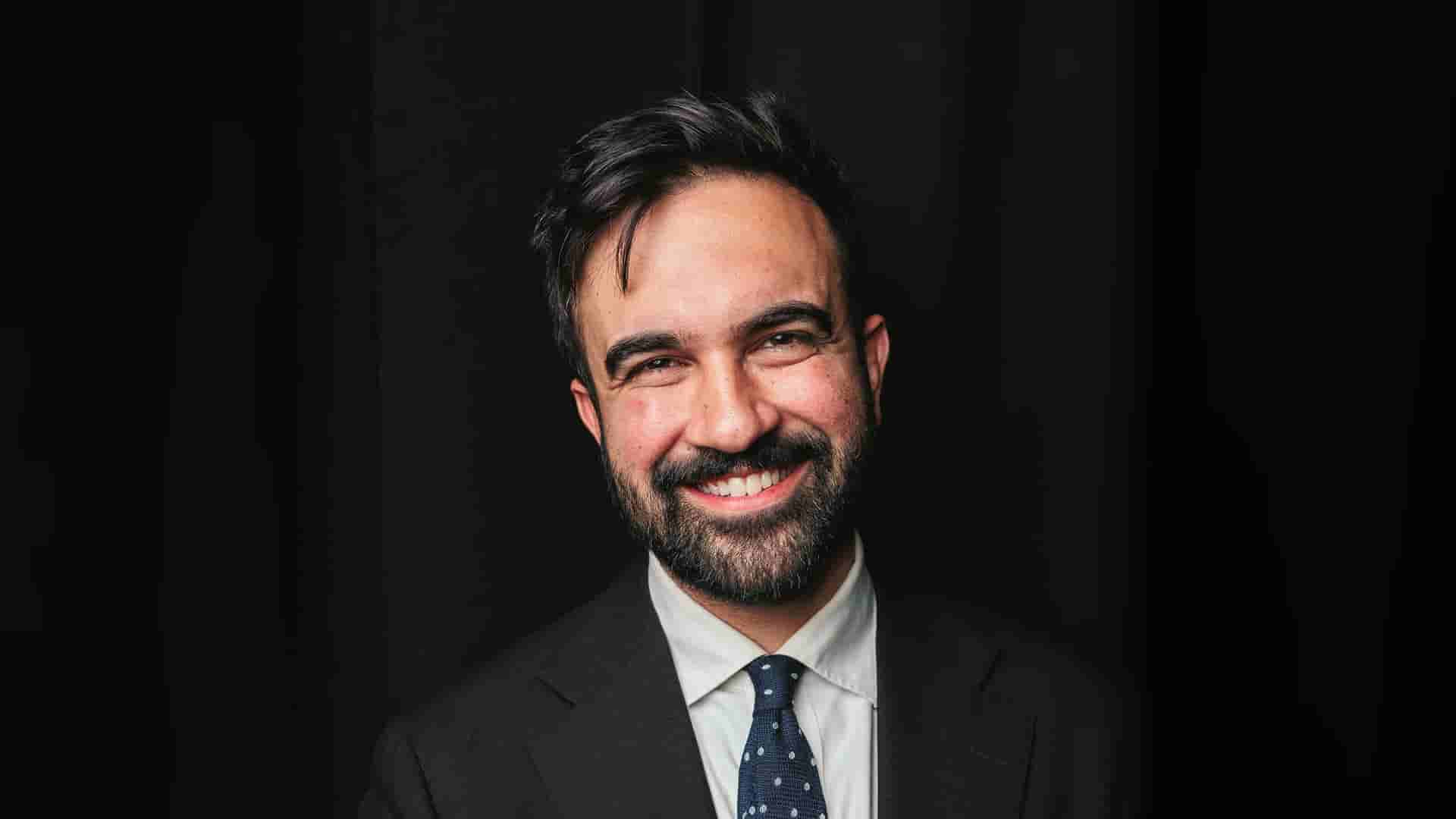
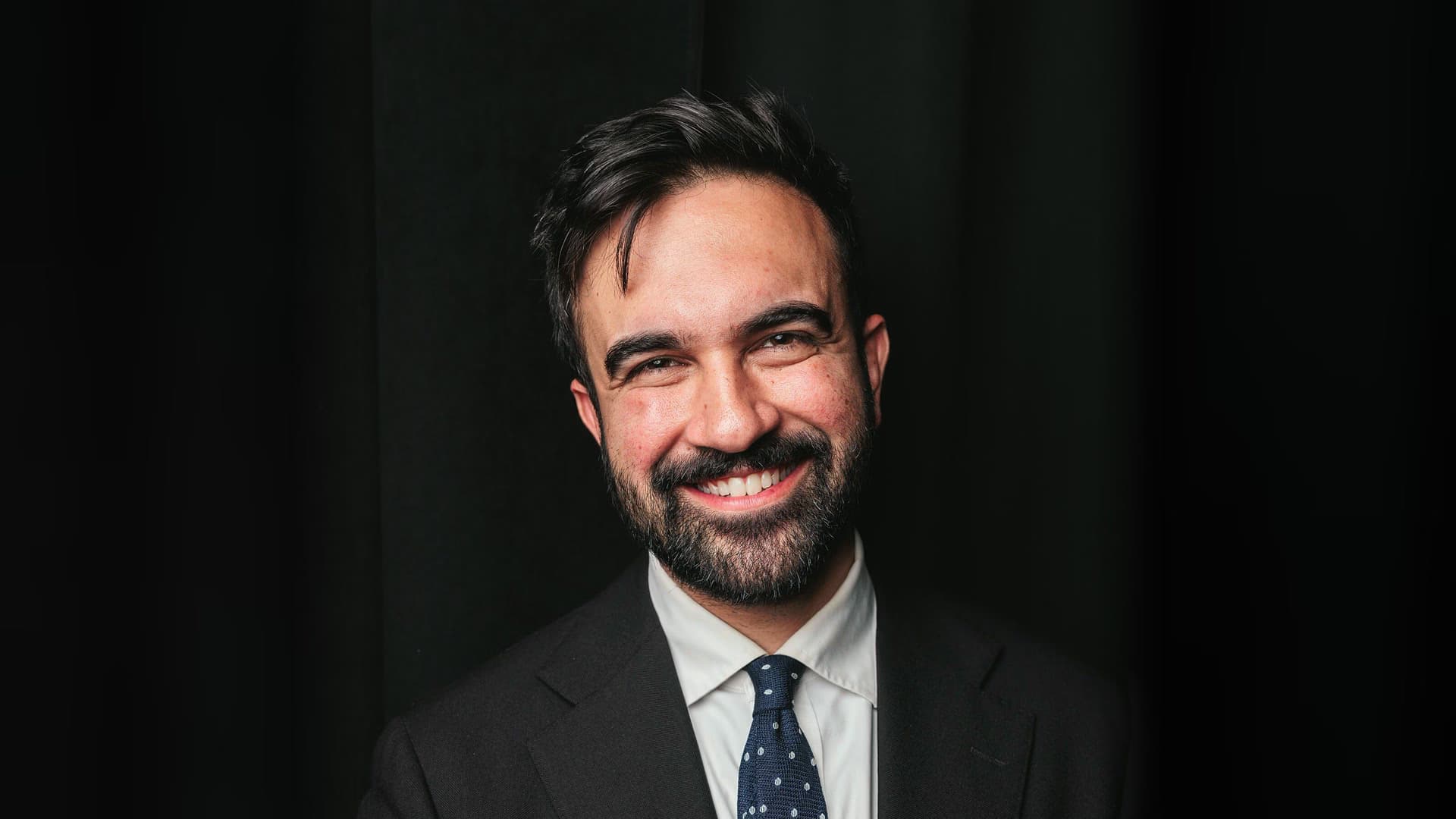
A Turkish scientist at Yale School of Medicine has been recognized by the world’s leading professional society for bipolar disorder research, for work that looks at the illness through the lens of brain energy.
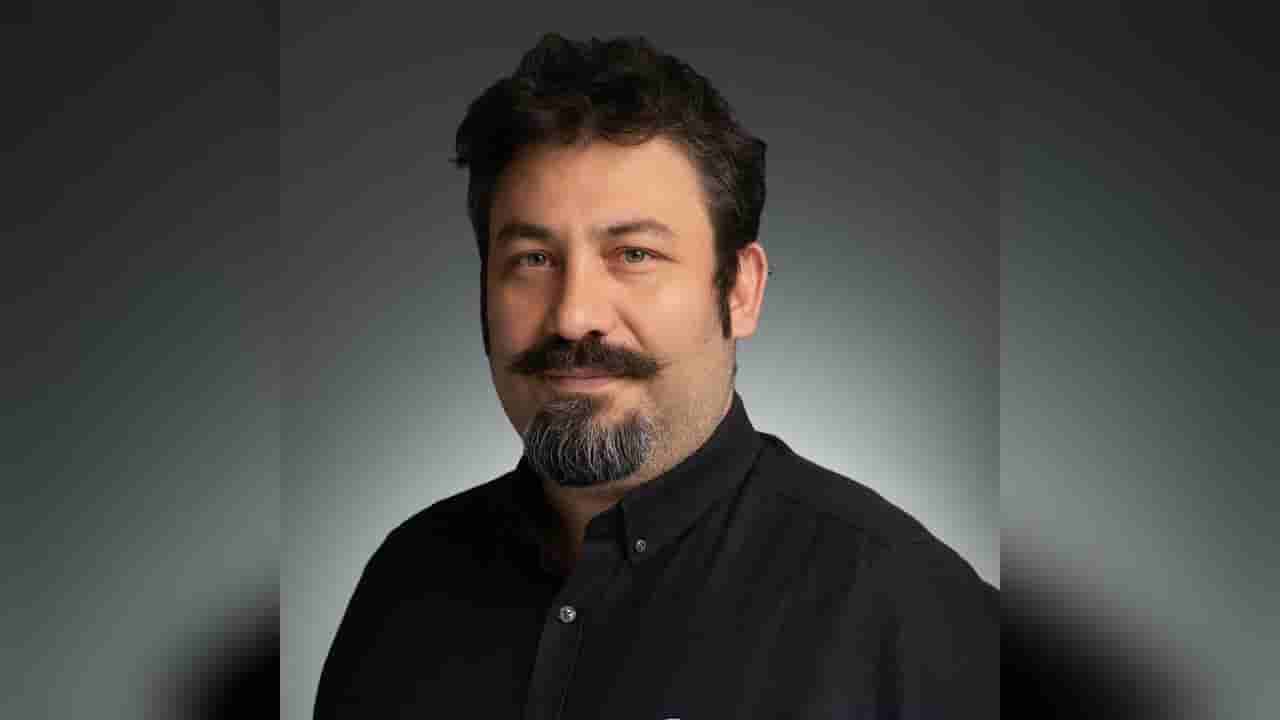
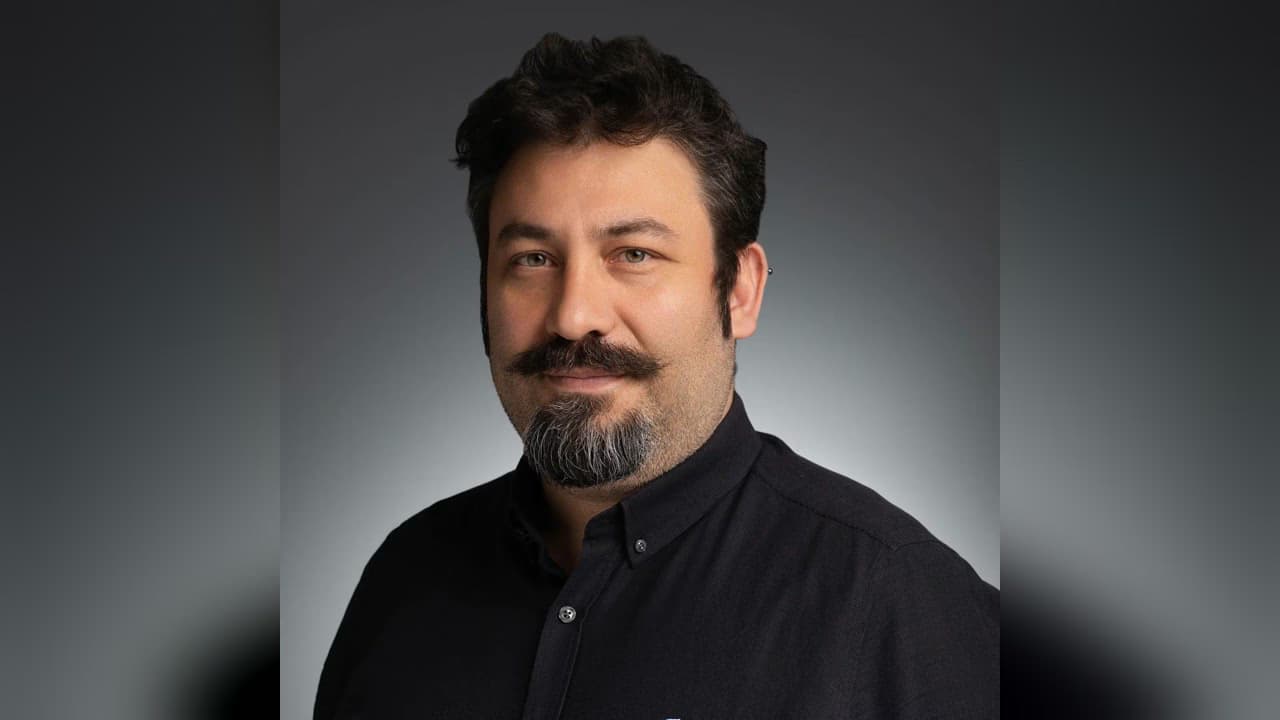
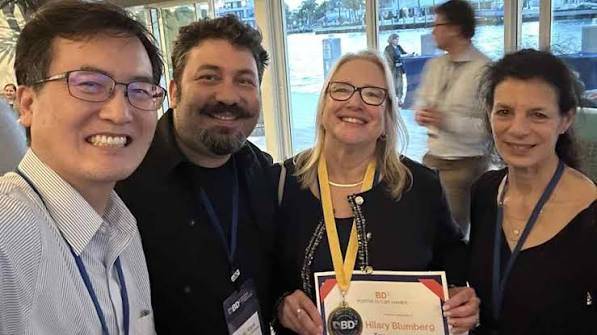
Dr. Kutlu Kaya, a postdoctoral associate in the Mood Disorders Research Program of Yale’s Department of Psychiatry, received the 2026 Metabolic Focused Early Mid-Career Travel Award from the International Society for Bipolar Disorders (ISBD). The awards were presented at the society’s 28th annual conference, held Sept. 28–30 in Vancouver, Canada.
The metabolic-focused travel awards are new this year, created by ISBD to support early- and mid-career researchers working where metabolic psychiatry and bipolar disorder meet.
Measuring the brain’s energy
Bipolar disorder affects tens of millions of people worldwide and causes marked swings in mood and energy. Kaya’s research asks whether part of the answer lies in how brain cells generate and consume energy.
To study this, he uses multichannel broadband near-infrared spectroscopy, or bNIRS, a noninvasive optical technique that can track changes in blood flow and in cellular energy metabolism in the brain. Findings from this line of work point to possible differences in how energy is processed in the brains of people with bipolar disorder, which researchers hope could eventually inform new approaches to diagnosis and treatment.
Prof. Hilary P. Blumberg, who directs Yale’s Mood Disorders Research Program, highlighted the innovative nature of Kaya’s research.
From Ankara to New Haven
Kaya earned his bachelor’s degree in biology from Ankara University in 2011, then completed a master’s degree in physiology at Hacettepe University in 2016 and a doctorate there in 2022. He also trained in radiology research at Massachusetts General Hospital, a Harvard affiliate, before joining Yale in 2024. His research interests include biological psychiatry, mood disorders, brain imaging and suicide prevention.
His achievement drew praise from Turkish academics in the United States. Prof. Olcay Yavuz congratulated Kaya, noting his strong background in medical physiology and neuroscience and the important, innovative research he is leading at Yale.