- BIST10011,722-2.89%
- USD49.45+0.05%
- EUR55.62+0.37%
- GOLD4,181.10+0.26%
- INTEREST37.00%-1.00
- BITCOIN81,450-0.06%
- October 17, 202614°
- BIST10011,722-2.89%
- USD49.45+0.05%
- EUR55.62+0.37%
- GOLD4,181.10+0.26%
- INTEREST37.00%-1.00
- BITCOIN81,450-0.06%
- October 17, 202614°
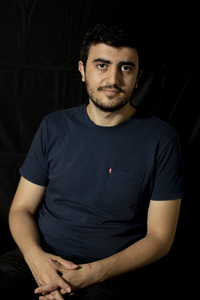
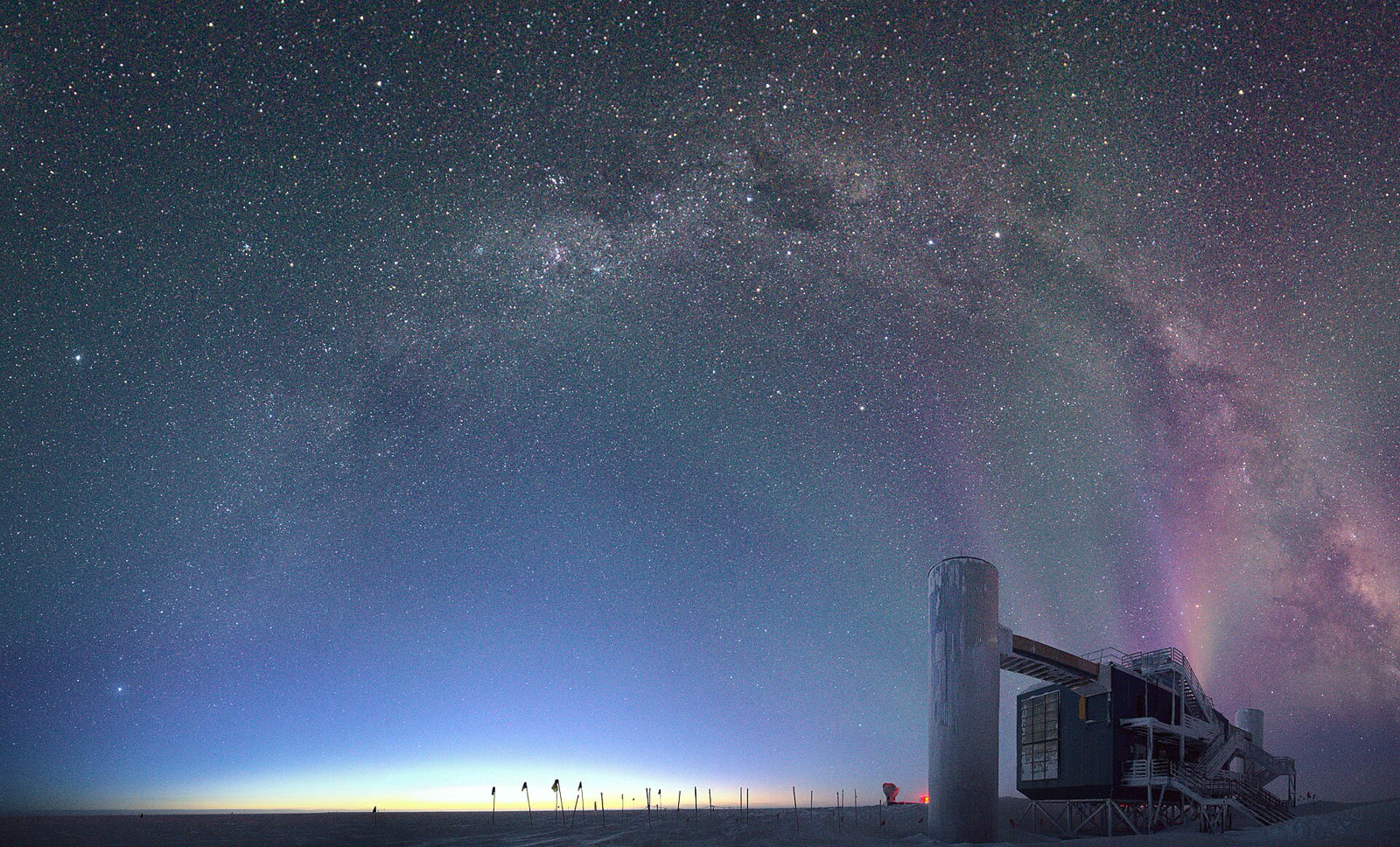
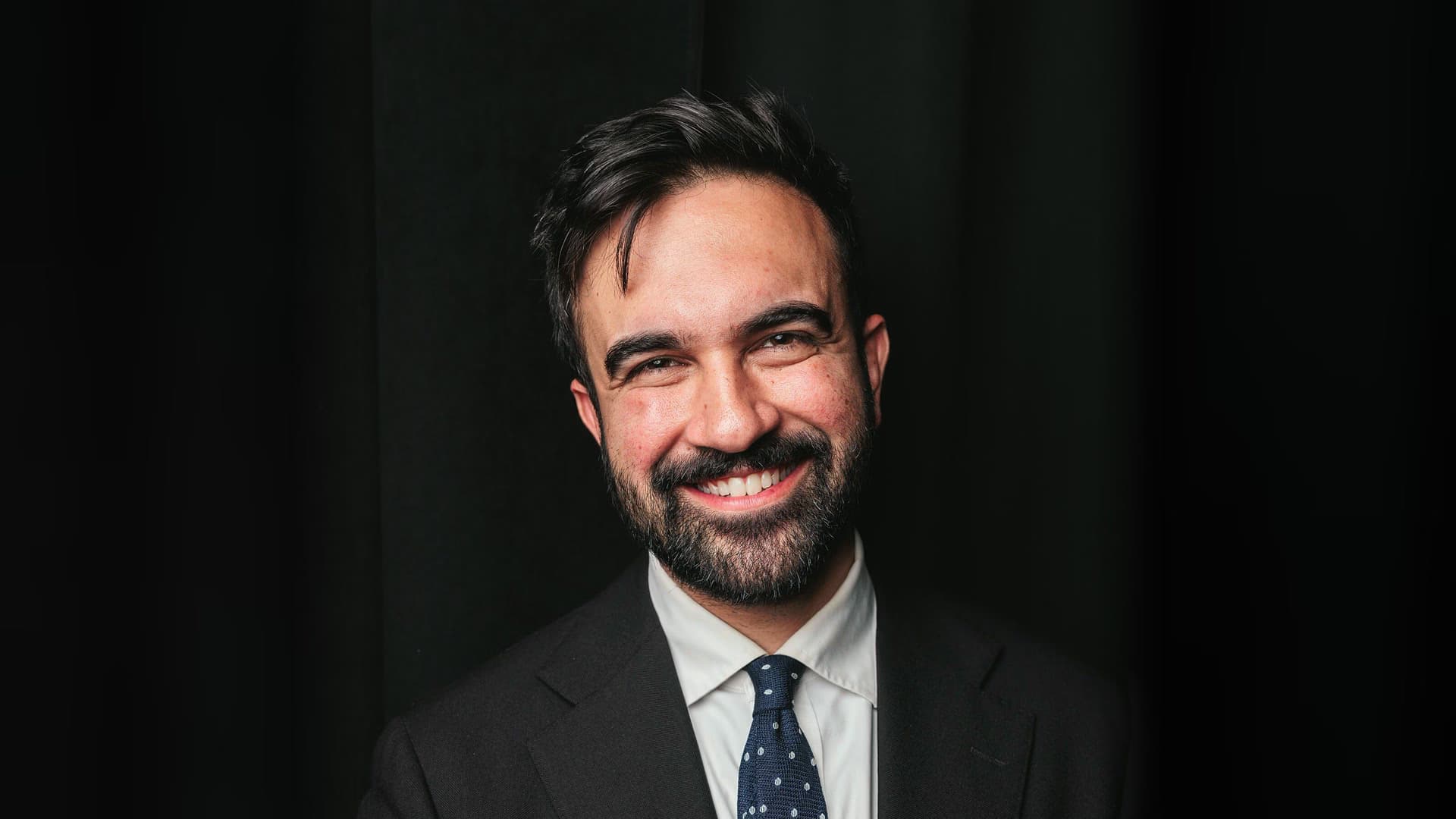
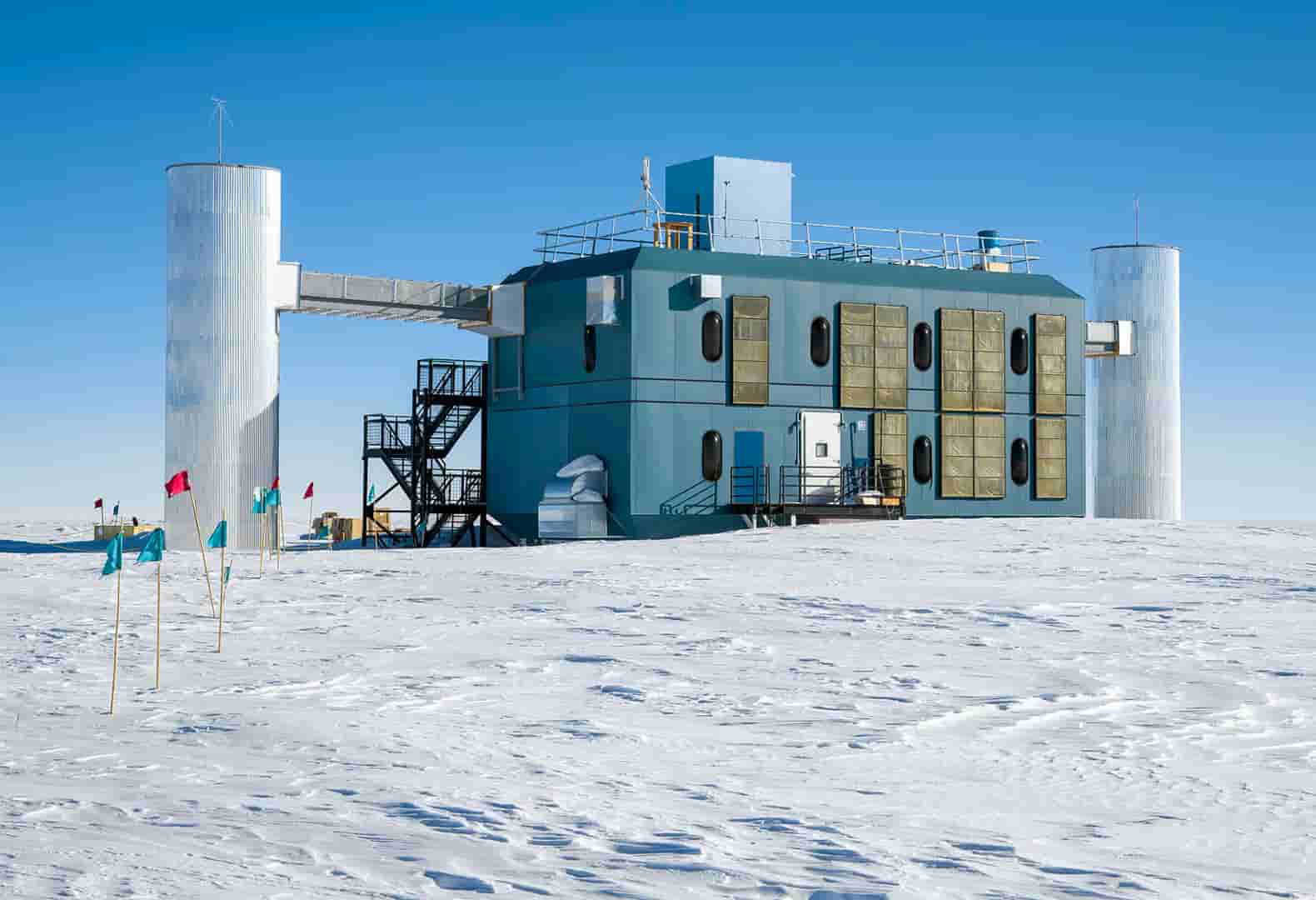
Turkish physicist Emre Burak Yıldızcı works on Nobel-winning IceCube neutrino experiment
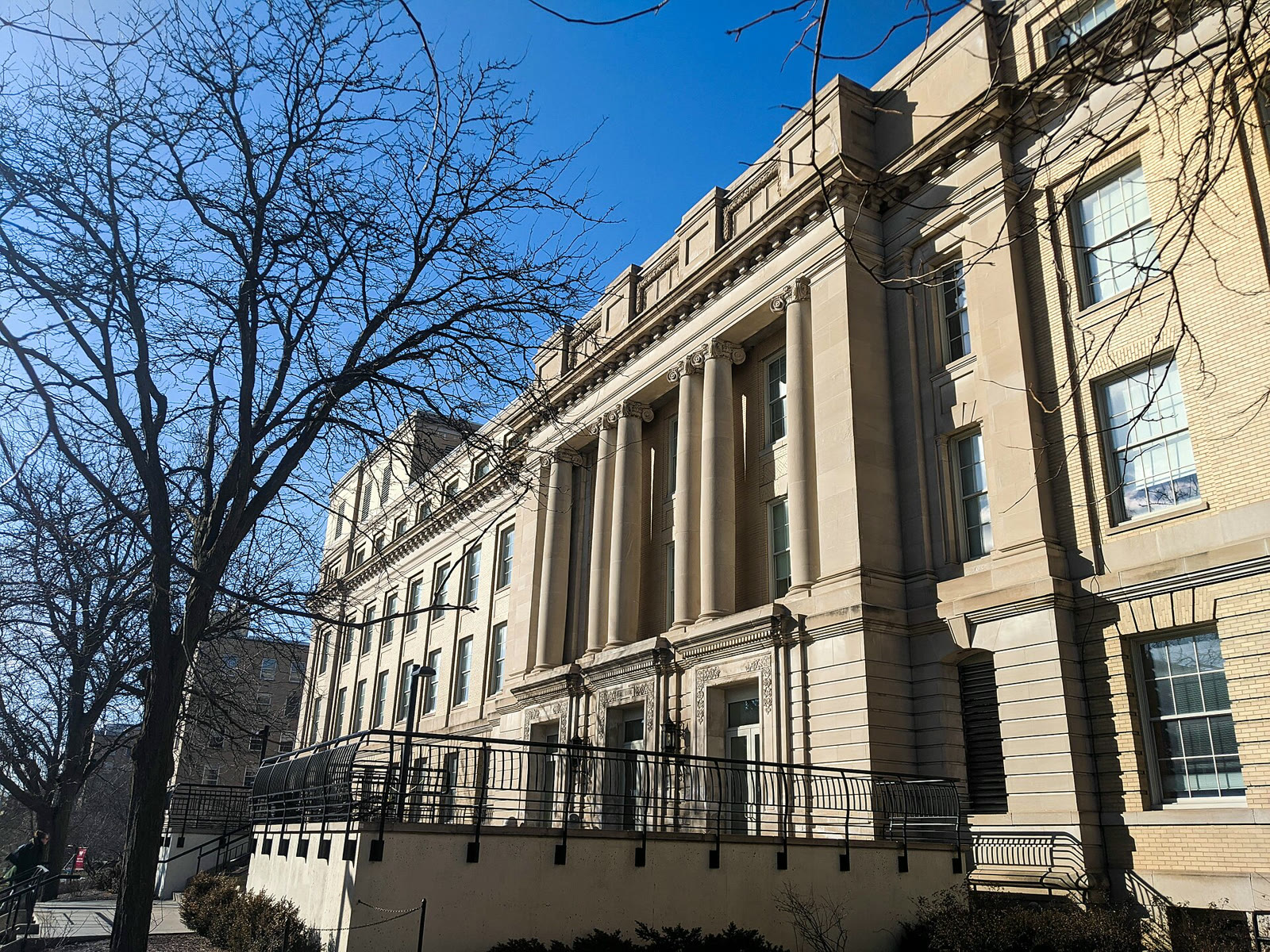
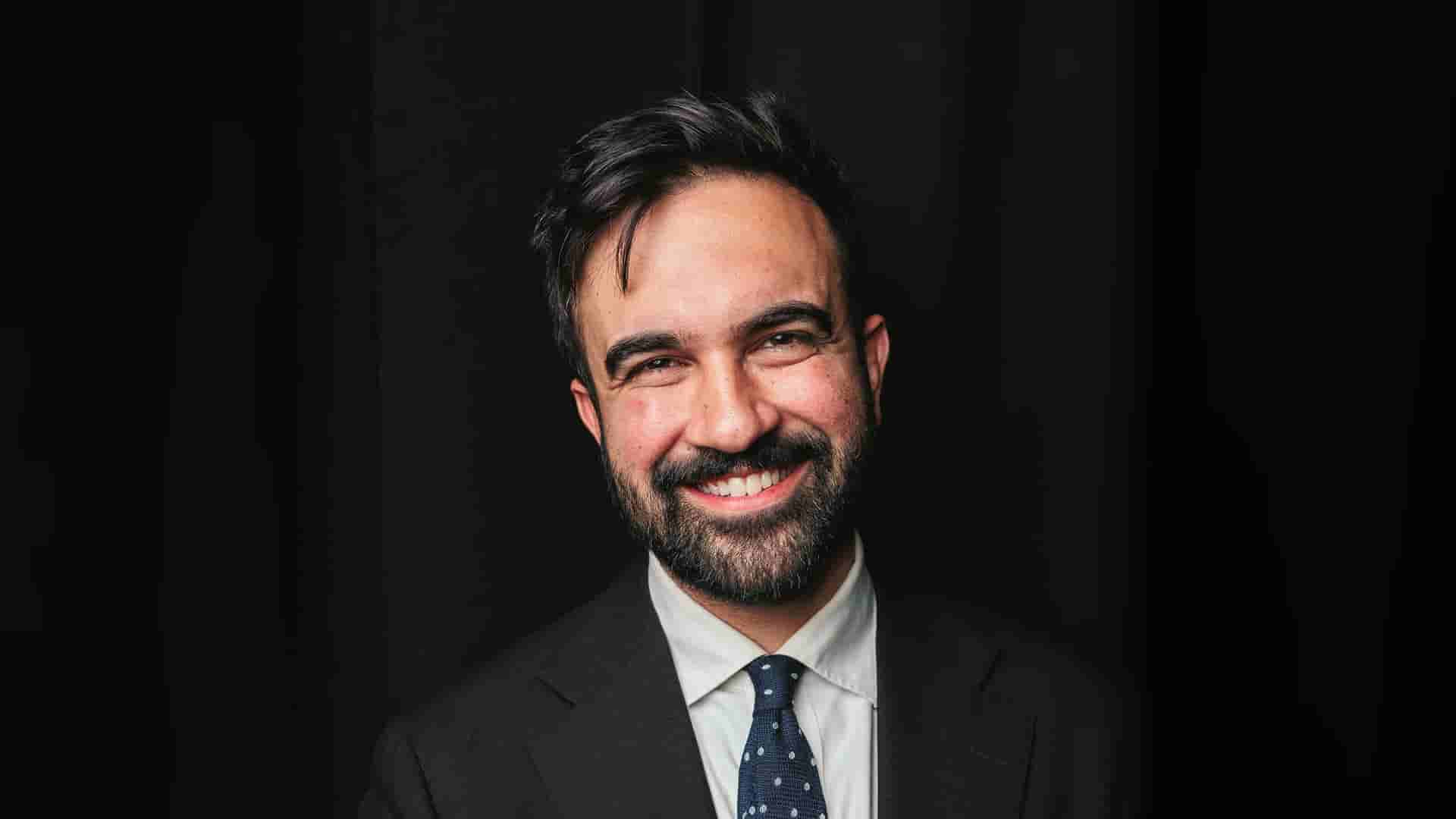
Emre Burak Yıldızcı, a Turkish physicist pursuing his doctorate at the University of Wisconsin–Madison, is part of the IceCube collaboration whose pioneer, Francis Halzen, won the 2026 Nobel Prize in Physics.
Stay Updated with Ally Daily
Subscribe to be informed about special news, developments and announcements. We will keep you informed.
By signing up, you agree to our Privacy Policy