- BIST10011,908+0.55%
- USD50.28+0.05%
- EUR55.60-0.24%
- GOLD3,872.60-0.35%
- INTEREST36.00%-1.00
- BITCOIN64,570-1.14%
- November 16, 20262°
- BIST10011,908+0.55%
- USD50.28+0.05%
- EUR55.60-0.24%
- GOLD3,872.60-0.35%
- INTEREST36.00%-1.00
- BITCOIN64,570-1.14%
- November 16, 20262°
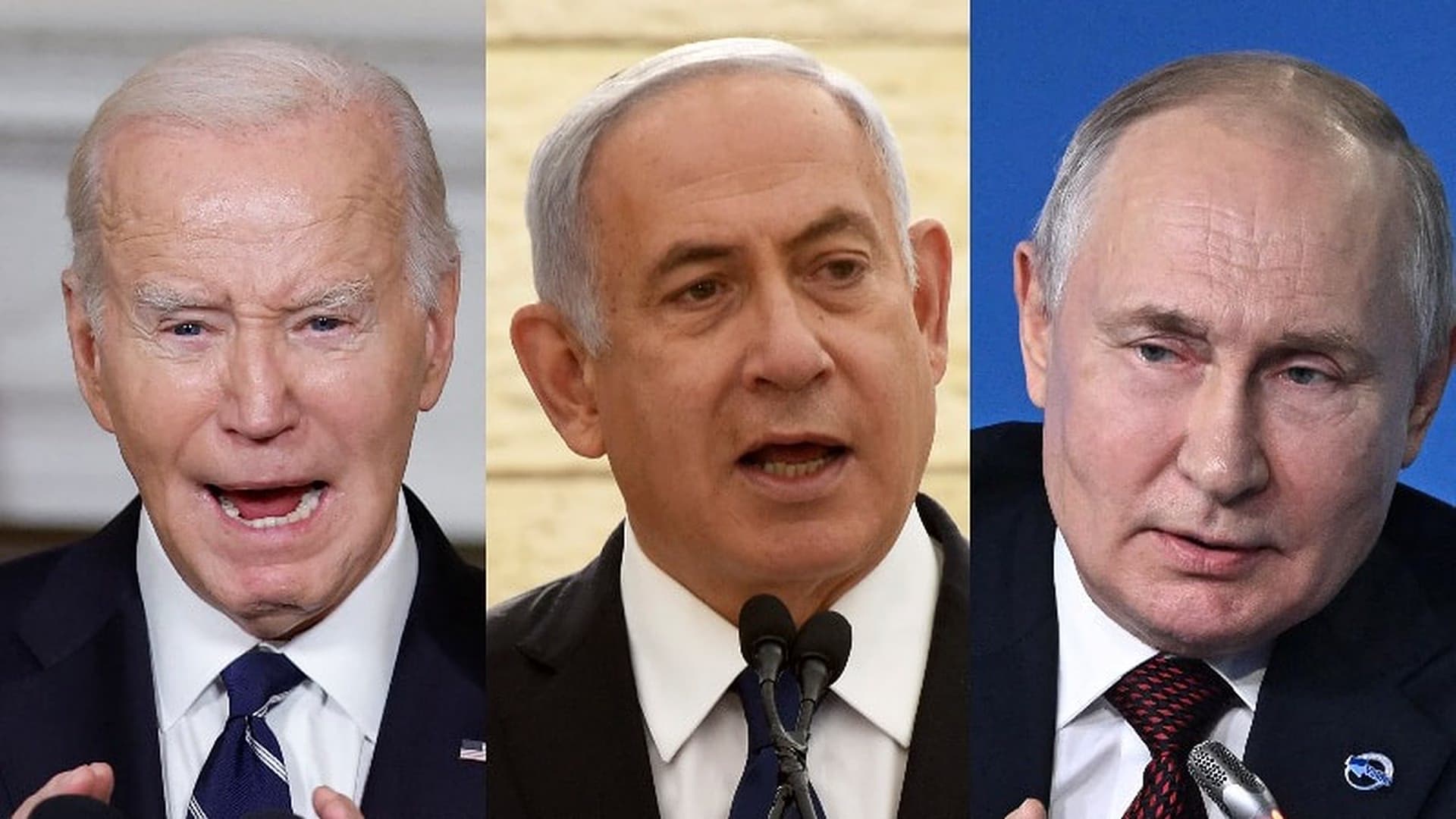
U.S. and Israel draft deal to keep $3.3 billion a year in military aid through 2033
Washington would keep paying for Israeli purchases of American weapons for five more years under a draft agreement reported by Israel's Ynet, a day after Secretary of State Marco Rubio said Israel no longer needs U.S. funding. In the Senate, 12 Democrats are pushing back on deeper defense ties.


The United States and Israel are drafting a new security agreement that would keep American military financing for Israel at about $3.3 billion a year until 2033, Israel's Ynet and Yedioth Ahronoth reported, citing Israeli officials. The plan would replace the current 10-year memorandum of understanding, which expires in 2028, with a shorter five-year deal.
Under the draft, Foreign Military Financing, the State Department program that funds foreign purchases of U.S. weapons, would total about $16.5 billion over five years, half of the $33 billion in the current decade-long agreement. The direct financing would end in 2033. Joint missile defense funding, now $500 million a year for systems including Iron Dome, David's Sling and Arrow, could increase, though no new figure has been set. Total U.S. security assistance to Israel currently stands at $3.8 billion a year.
"From aid to partnership"
According to the report, the two governments hope to finalize the memorandum by the end of the year and send it to lawmakers before the new Congress takes office in January. Israeli officials believe the current Congress is likely to approve it but are less certain about future ones, since funding must be approved every year.
"We are transitioning from a model of 'aid' to a model of 'partnership,'" a senior Israeli official told Ynet, adding that "the vast majority of this security assistance remains in the United States," because the money is spent on American-made weapons. Israeli officials were surprised when President Donald Trump announced that U.S. military aid to Israel would end by the end of 2026, saying the statement did not reflect the terms being negotiated.
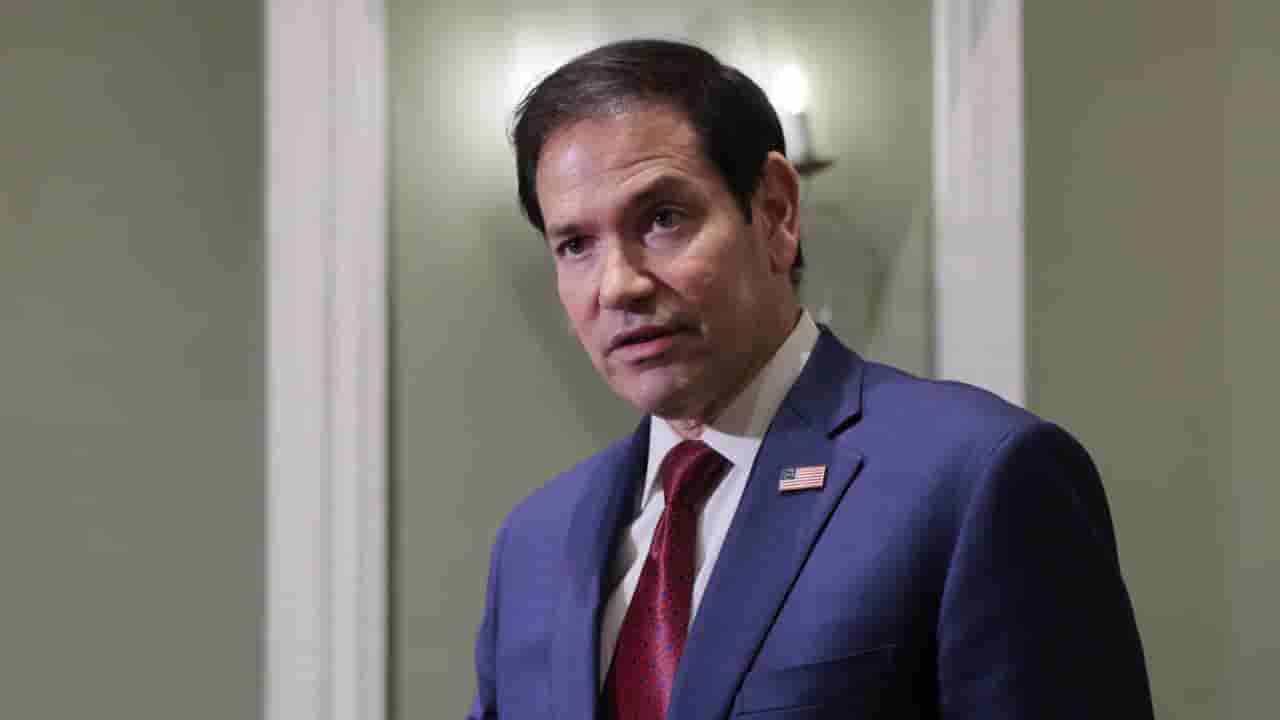
The report comes a day after Secretary of State Marco Rubio said Israel has become prosperous enough to buy American weapons without U.S. financing. Rubio said the proposal came from the Israeli side and that the two governments are negotiating a new memorandum, with some systems possibly moving to co-production.
Senate Democrats target the defense bill
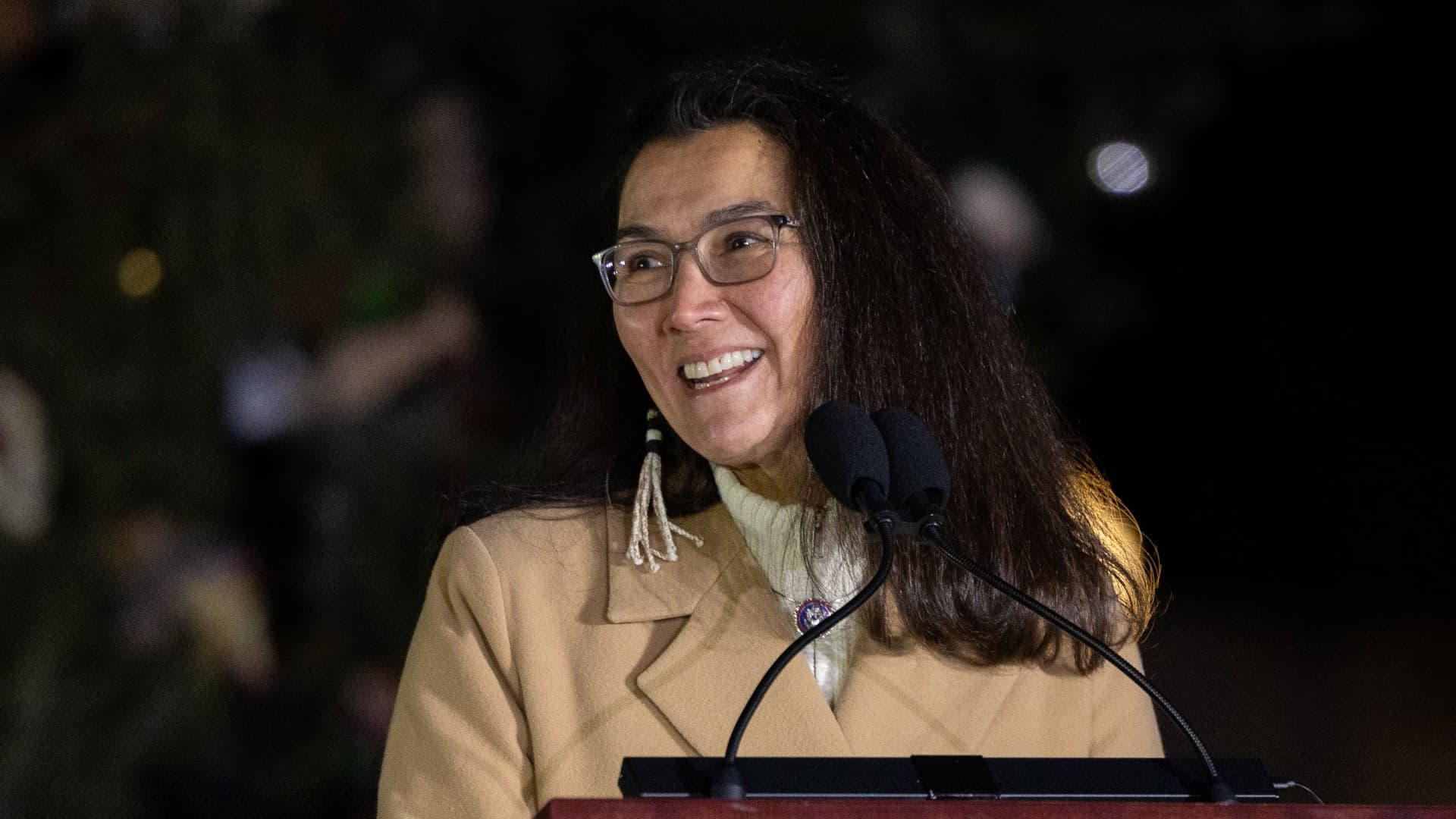
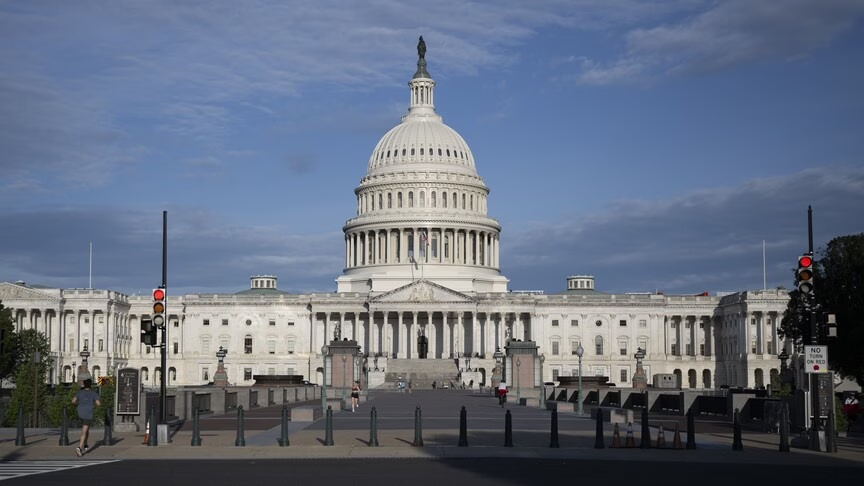
On Capitol Hill, 12 Democratic senators led by Chris Van Hollen, Bernie Sanders and Elizabeth Warren asked congressional leaders to strip three provisions from the fiscal 2027 National Defense Authorization Act that would deepen U.S.-Israel defense and intelligence ties, Anadolu Agency reported.
Sections 1217 and 219 would require a U.S.-Israel Defense Technology Cooperation Initiative to speed up co-production, technology transfers and joint research in artificial intelligence, quantum computing, cyber warfare, biotechnology and autonomous systems. Section 618 would mandate expanded intelligence sharing with Israel and bar the executive branch from suspending, reducing or restricting it. In their letter, the senators argued the measures would limit the administration's ability to decide independently how best to protect U.S. national security and would tie Washington to open-ended commitments despite concerns over Israeli military operations in Gaza, the occupied West Bank and the wider region.
The senators also pointed out that Israel had previously used co-production terms to block the transfer of American Iron Dome batteries to Ukraine, warning that embedding Israeli technology in the U.S. defense industrial base would make future policy changes costly. They noted that Prime Minister Benjamin Netanyahu has openly praised the plan to shift the relationship "from aid to partnership."
Call for urgent aid to Gaza
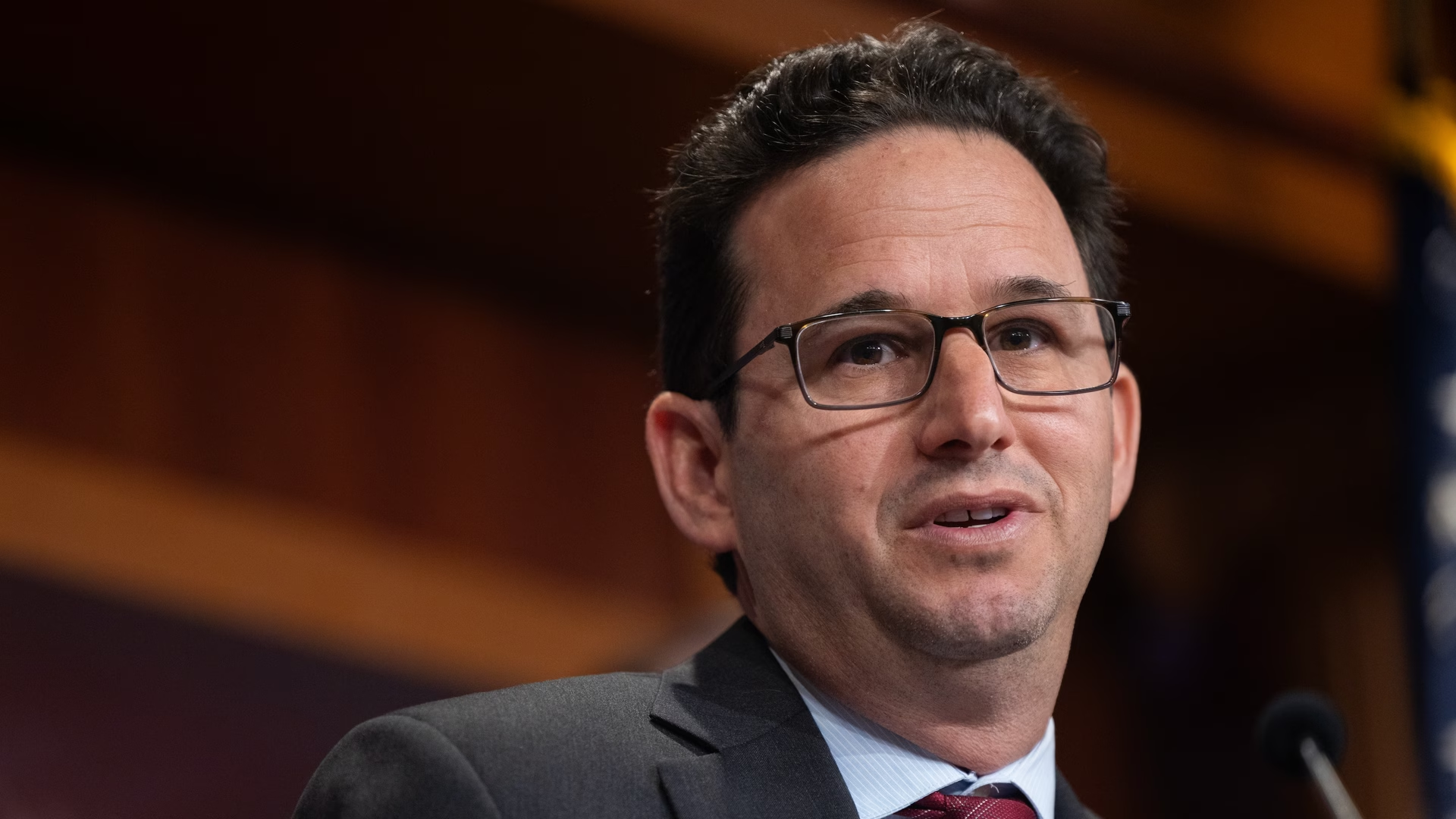
Separately, Sen. Brian Schatz of Hawaii used a Senate floor speech to urge Israel to let emergency supplies into Gaza after heavy weekend rain flooded more than 70,000 tents and killed four people, including three children and a woman. Schatz said the Israeli government must immediately allow rescue equipment, construction materials and winter supplies into the territory, and that its continued fuel restrictions were making aid delivery much harder. He stressed that his criticism was a humanitarian, not a partisan, response.
Cover photo: Flash90. Photos: Anadolu Agency. Sources: Ynet, Yedioth Ahronoth, Ctech, Anadolu Agency.
Stay Updated with Ally Daily
Subscribe to be informed about special news, developments and announcements. We will keep you informed.
By signing up, you agree to our Privacy Policy