- BIST10011,909+0.56%
- USD50.28+0.05%
- EUR55.60-0.24%
- GOLD3,866.00-0.52%
- INTEREST36.00%-1.00
- BITCOIN64,461-1.31%
- November 16, 20262°
- BIST10011,909+0.56%
- USD50.28+0.05%
- EUR55.60-0.24%
- GOLD3,866.00-0.52%
- INTEREST36.00%-1.00
- BITCOIN64,461-1.31%
- November 16, 20262°
Trump's $10 billion defamation suit against the BBC can proceed, Florida judge rules
A federal judge in Florida refused to throw out President Donald Trump's defamation claim over the BBC's edit of his Jan. 6 speech, while dismissing a second claim under state trade law. Trump called it "a huge victory"; the BBC said it was surprised.
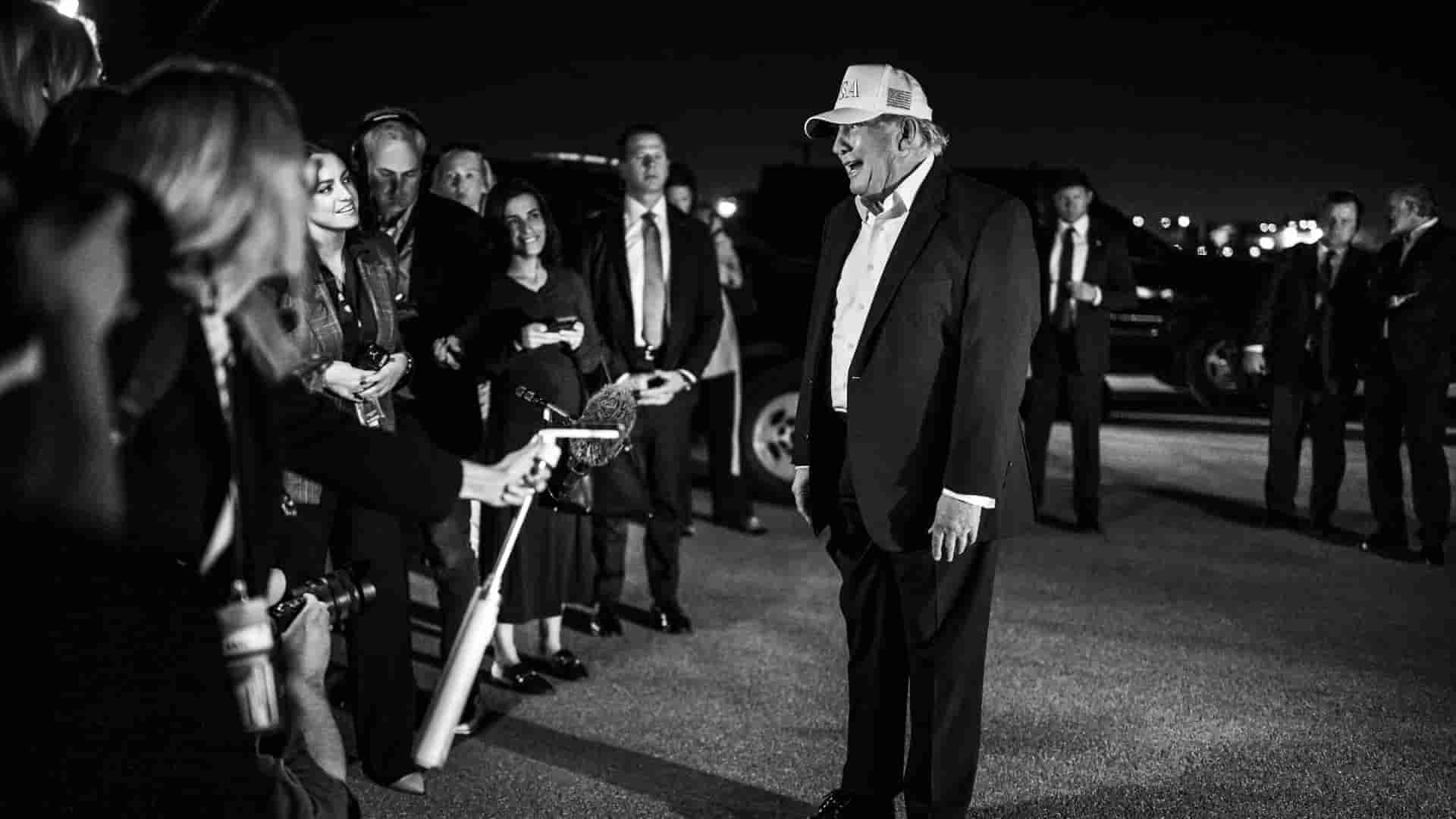
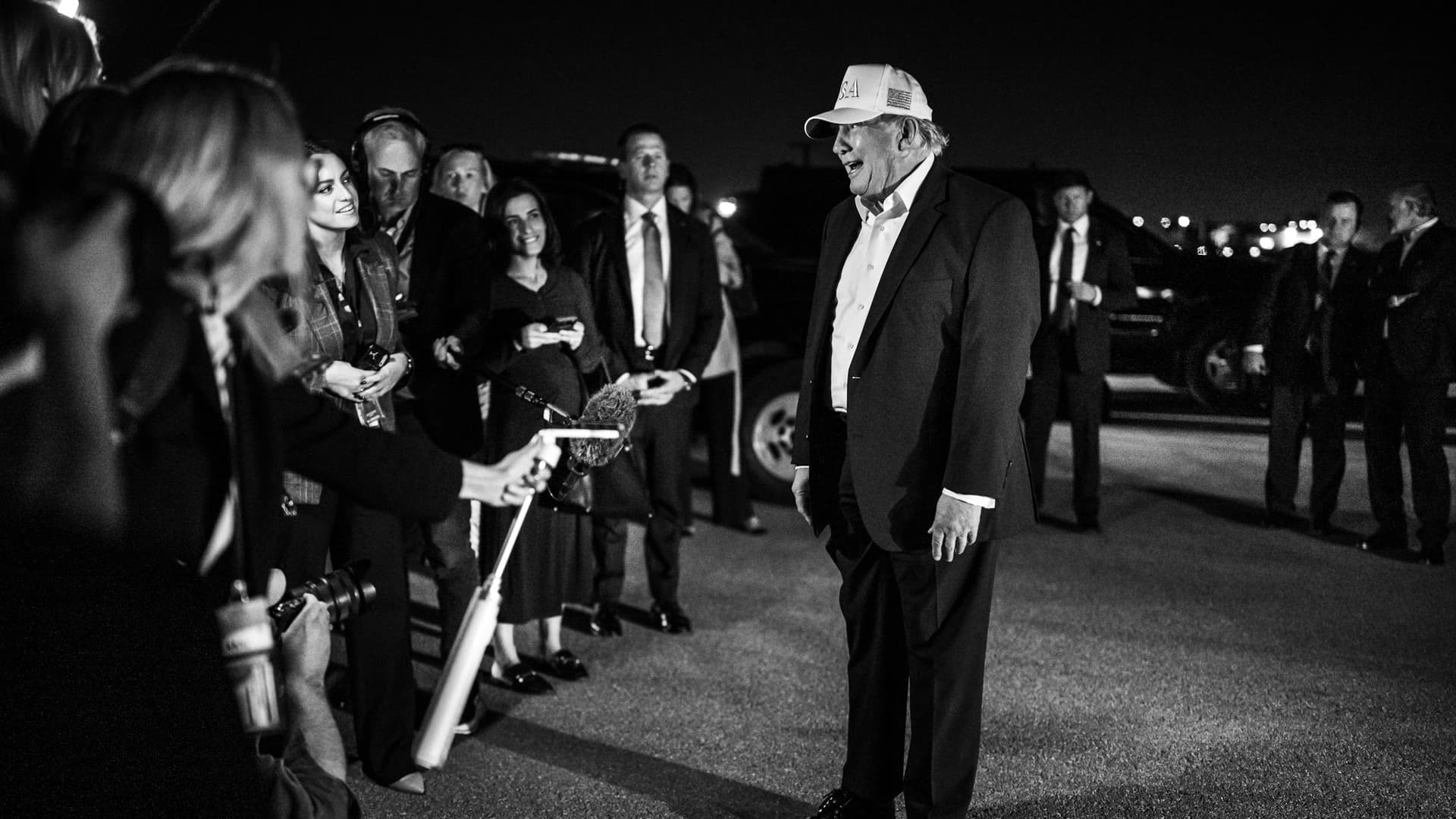
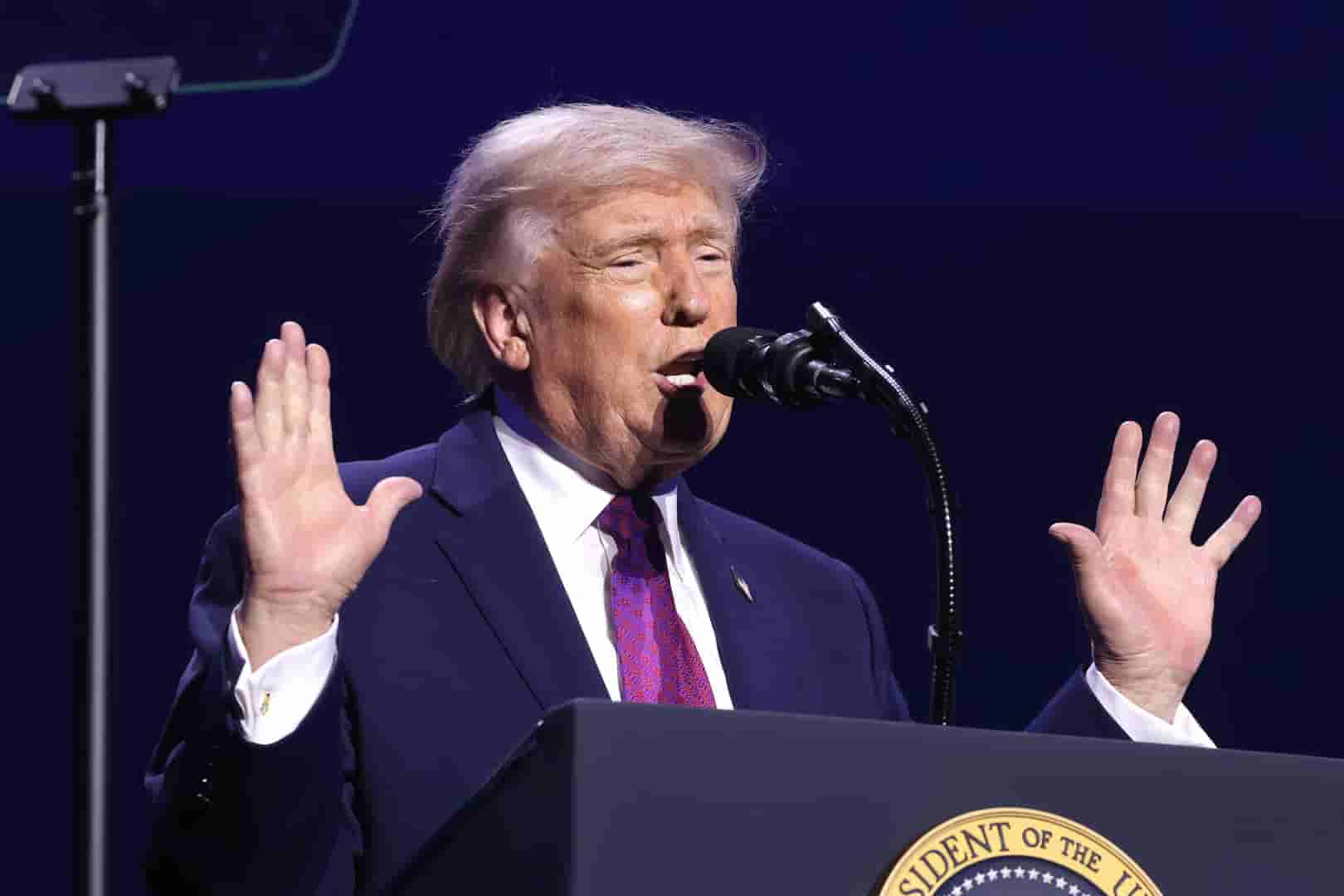
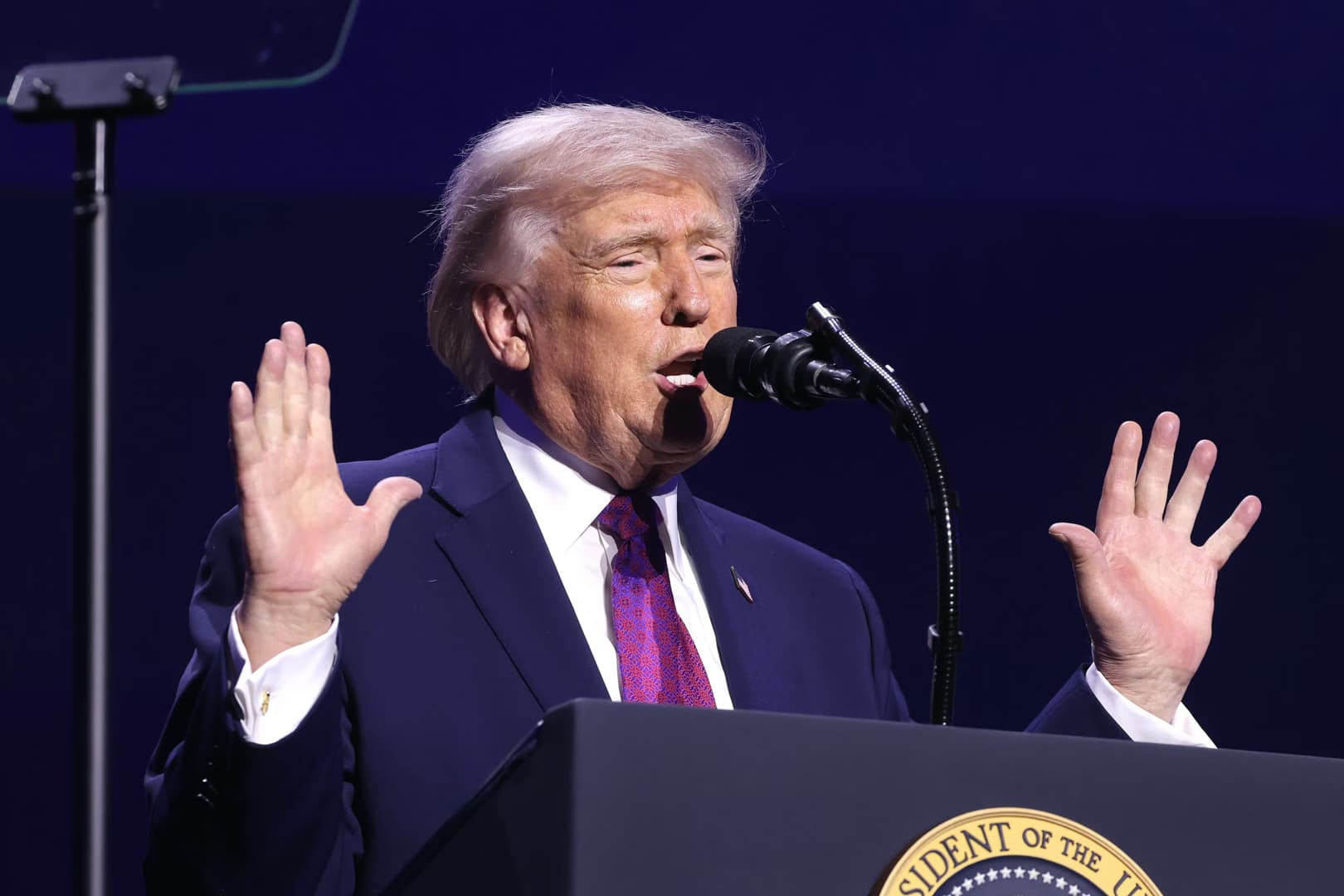
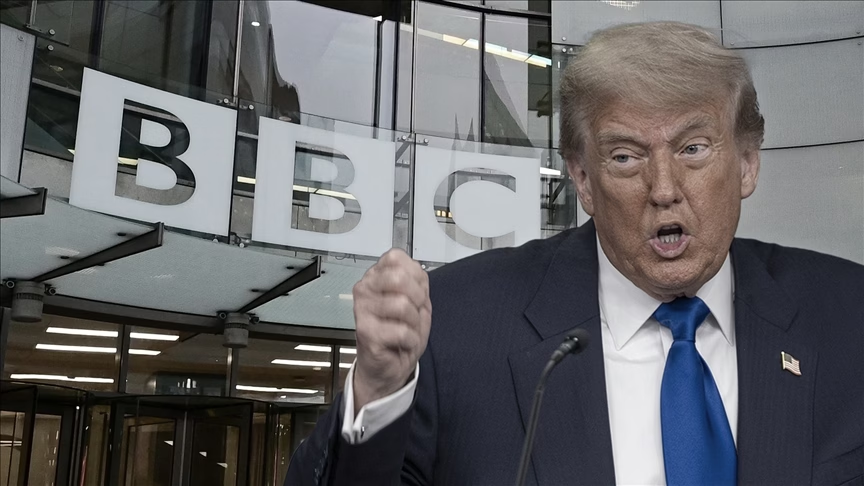
President Donald Trump's defamation lawsuit against the BBC over an edited clip of his Jan. 6, 2021, speech will move forward after a federal judge in Florida rejected the British broadcaster's request to dismiss it.
U.S. District Judge Jeffrey Kuntz ruled Tuesday that Trump had plausibly alleged the BBC damaged his reputation and knew or should have known that the clip was misleading. In a 40-page ruling, he also found that Trump had sufficiently pleaded actual malice, the high bar a public figure must clear in a defamation case. The judge did, however, dismiss Trump's second claim, brought under Florida's Deceptive and Unfair Trade Practices Act.
"Whether President Trump can prove these claims and establish he sustained damages at summary judgment or trial is left for another day," Kuntz wrote.
A spliced speech and a Florida courtroom
Trump sued in federal court in the Southern District of Florida last December, seeking $5 billion for defamation and another $5 billion under the Florida trade law. The case centers on "Trump: A Second Chance?", a Panorama documentary aired a week before the 2024 presidential election. It joined two parts of his speech, one where he told supporters they would walk to the Capitol and another where he said "fight like hell," and left out a section in which he called for peaceful protest.
"Given the time disparity between the two statements, the distance itself tends toward a plausible inference that BBC knew or should have known that the segment they were creating would not and could not have been a truthful statement," the judge wrote.
Kuntz also rejected the BBC's argument that a Florida court had no jurisdiction because the program did not air in the state. Trump is a Florida resident, the documentary is almost entirely about him and parts of it were filmed in Florida, the judge noted, calling it "disingenuous" for the BBC to claim it could not have anticipated being sued there.
"A huge victory"
Trump hailed the decision on Truth Social as "a huge victory" and called the BBC "a terrible abuser of truth." A BBC spokesperson said the broadcaster was surprised by the decision but respects the court's authority and remains confident in its position.
The edit triggered a crisis at the publicly funded broadcaster after it surfaced in a leaked internal memo. Director General Tim Davie and BBC News chief executive Deborah Turness resigned, and the BBC apologized for what it called an error of judgment, but it has refused to pay damages and denies that the program harmed Trump, who went on to win the election.
The case now heads into its next phase. Last month a magistrate judge ordered Trump to sit for a deposition by Dec. 11 after the BBC said he had been avoiding sworn testimony, warning that missing it could bring sanctions, including possible dismissal of the suit.
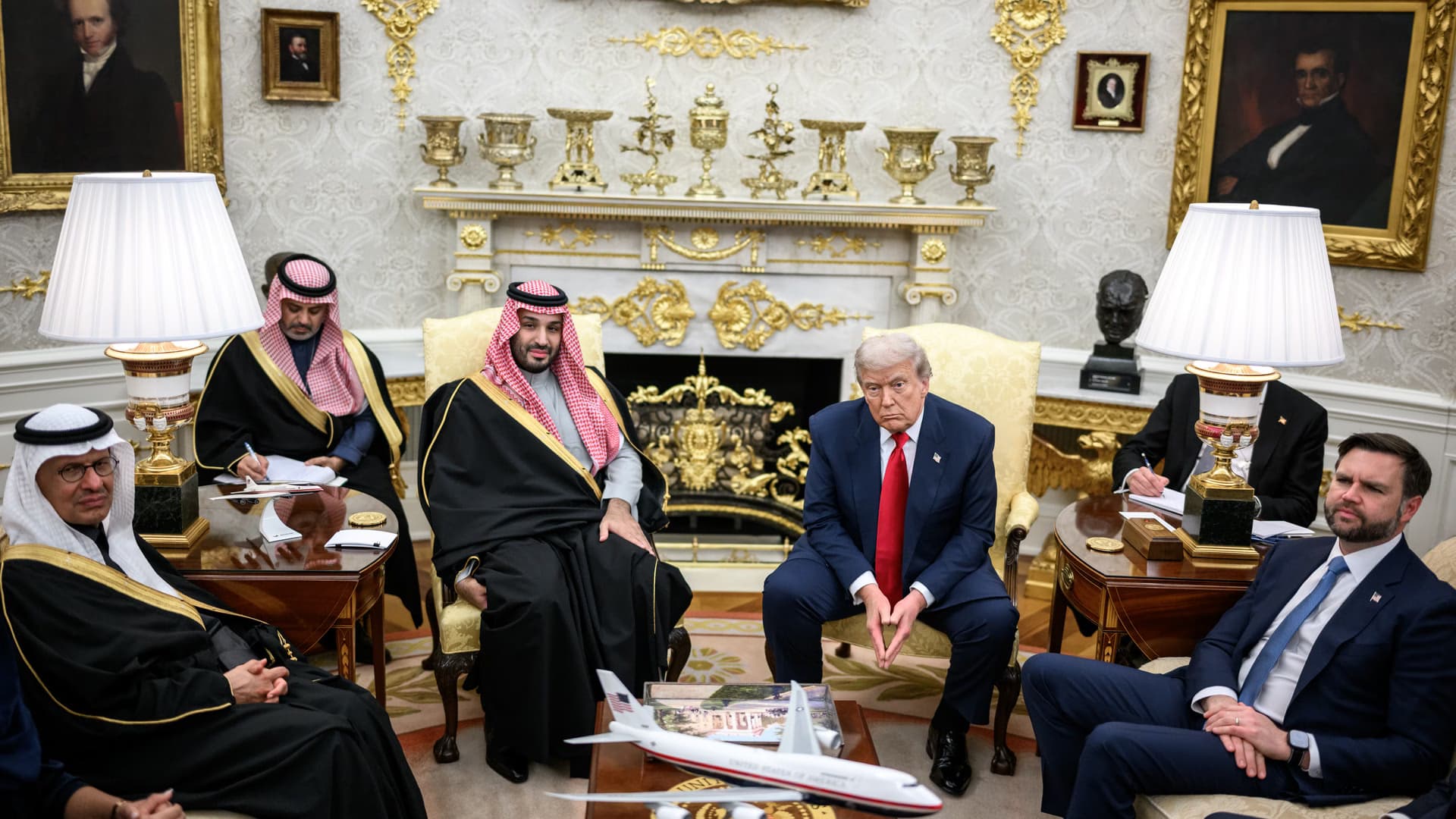
Cover photo: The White House. Image: Anadolu Agency. Sources: Anadolu Agency, NBC News, Deadline, RTÉ.
Stay Updated with Ally Daily
Subscribe to be informed about special news, developments and announcements. We will keep you informed.
By signing up, you agree to our Privacy Policy