- BIST10011,131-3.02%
- USD50.47+0.05%
- EUR55.46+0.20%
- GOLD3,517.00-4.57%
- INTEREST36.00%-1.00
- BITCOIN58,469-5.55%
- November 20, 202620°
- BIST10011,131-3.02%
- USD50.47+0.05%
- EUR55.46+0.20%
- GOLD3,517.00-4.57%
- INTEREST36.00%-1.00
- BITCOIN58,469-5.55%
- November 20, 202620°
U.S. loses measles elimination status after 26 years, governors blame RFK Jr.
The Pan American Health Organization confirmed Tuesday that sustained measles spread has cost the United States the status it earned in 2000, as Democratic governors accused Health Secretary Robert F. Kennedy Jr. of fueling vaccine doubts.
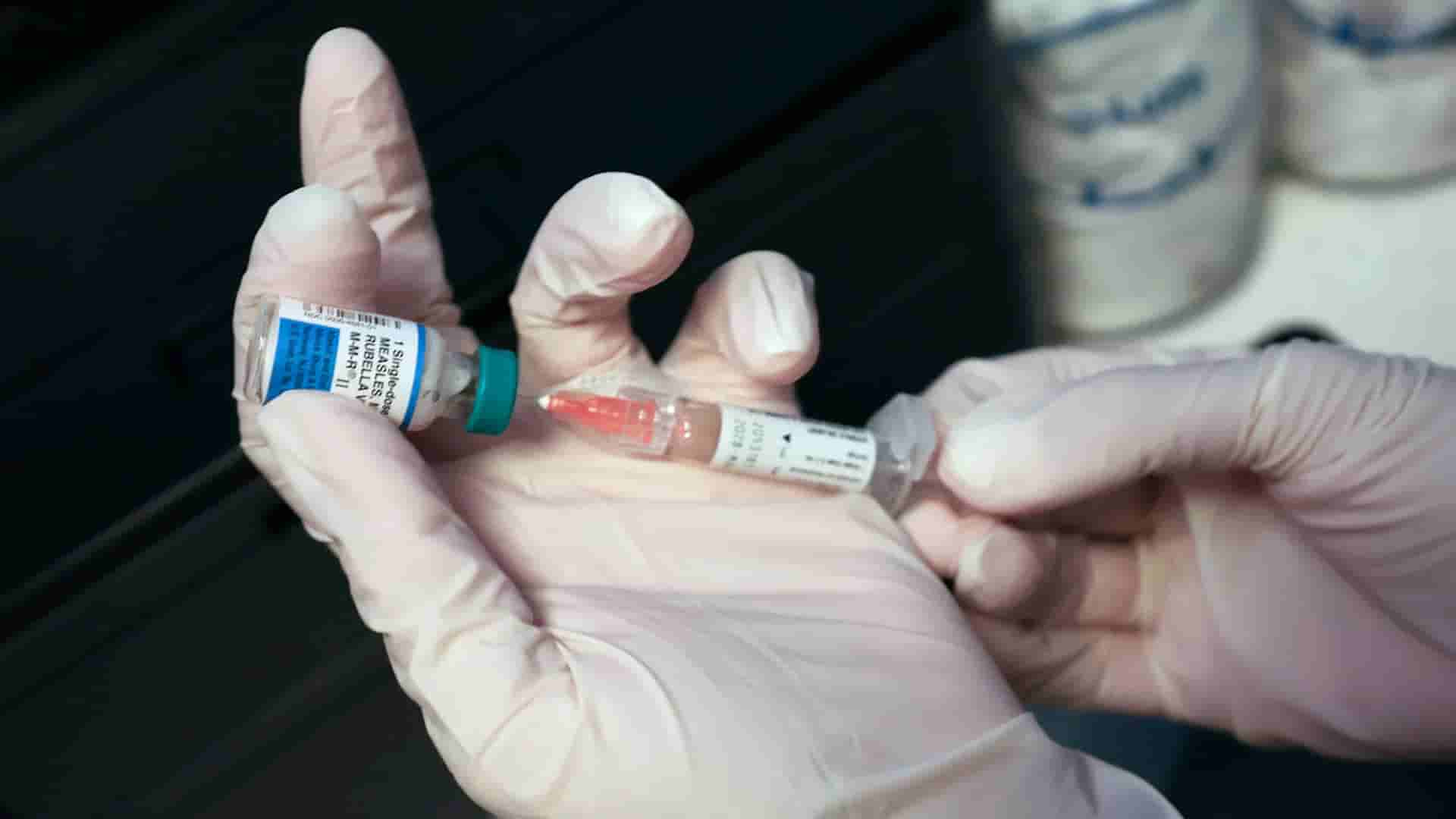
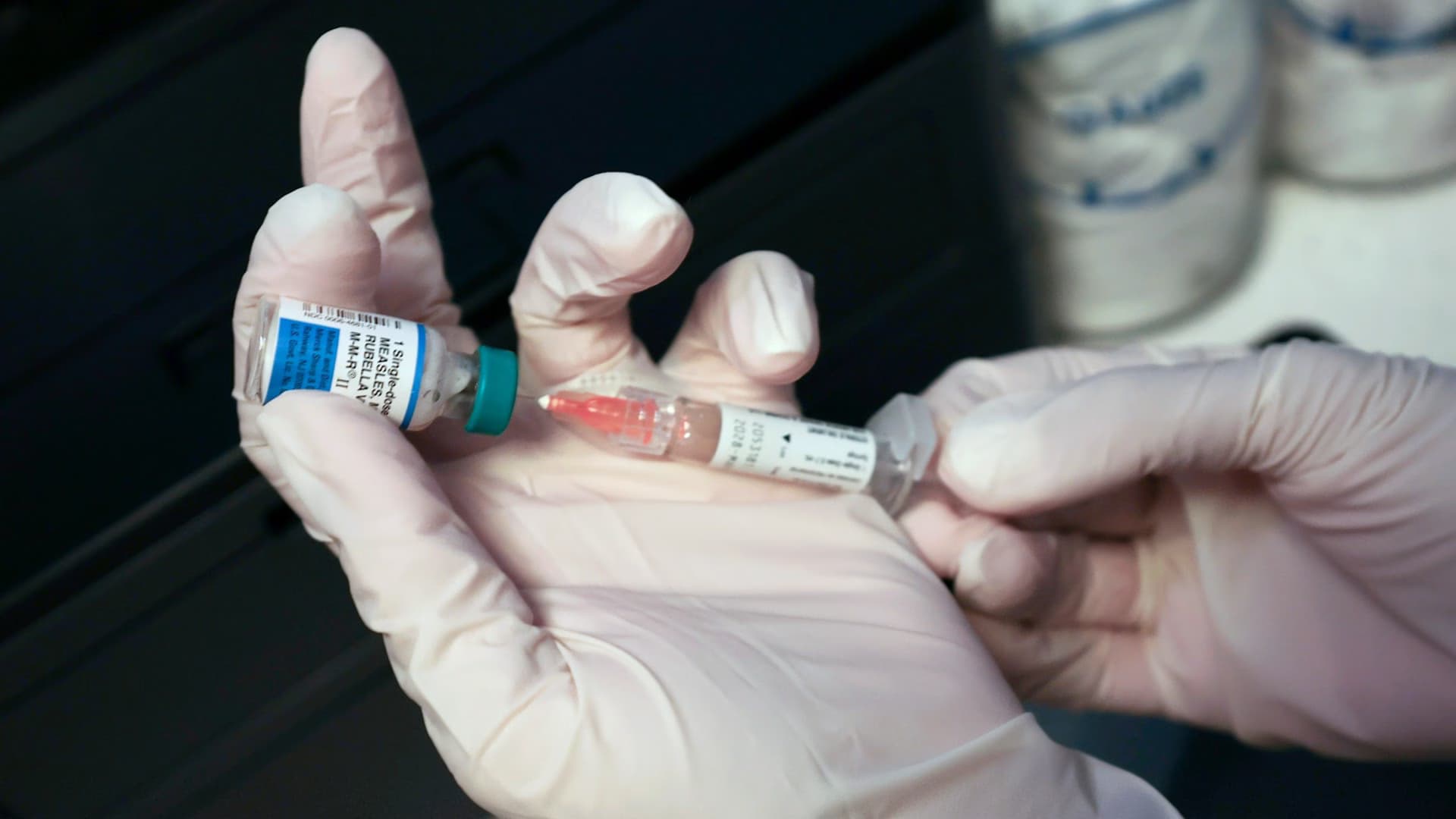
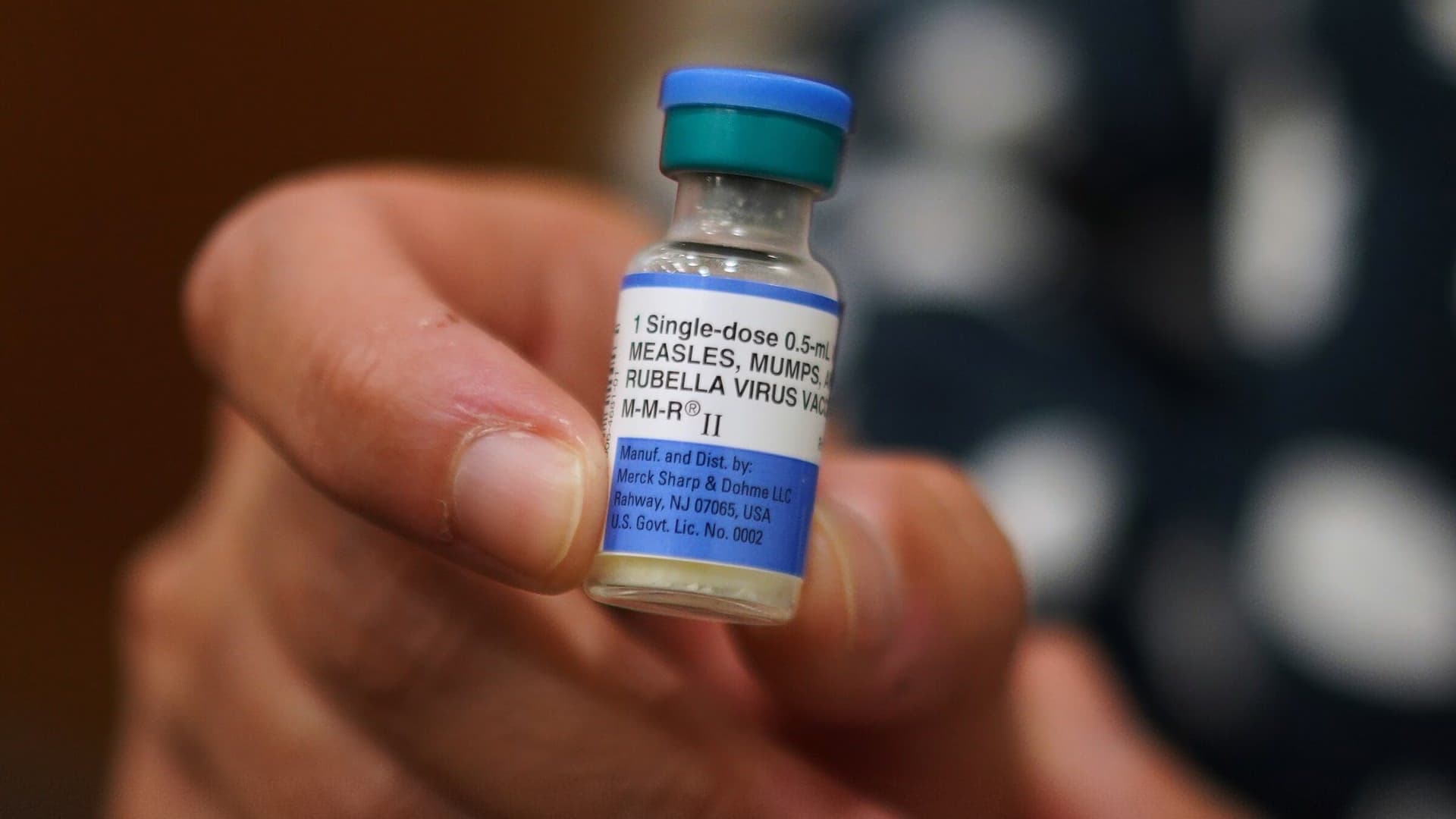
The United States has formally lost its measles elimination status for the first time since earning it in 2000, the Pan American Health Organization announced Tuesday, after the virus circulated in the country for more than 12 months straight. Mexico and Bolivia also lost the designation, which PAHO grants when a country goes a full year without continuous local transmission.
The Centers for Disease Control and Prevention has counted 5,412 cases so far in 2026, more than double last year's total and the most since 1991, with over 590 hospitalizations and at least six measles-related deaths. Cases have been confirmed in 45 states and Washington, D.C. Pennsylvania has the largest outbreak, with more than 1,500 cases, and New York recorded its first measles death in more than three decades, a child.
"Remove him now"
Democratic governors laid the blame on Health and Human Services Secretary Robert F. Kennedy Jr., a longtime vaccine skeptic. "This dangerous setback was 100% avoidable and is the result of one person: RFK Jr.," Kentucky Gov. Andy Beshear said. "Remove him now." New York Gov. Kathy Hochul called it "a disgraceful display of incompetence," and Pennsylvania Gov. Josh Shapiro drew "a clear line" from vaccine misinformation to the outbreaks.
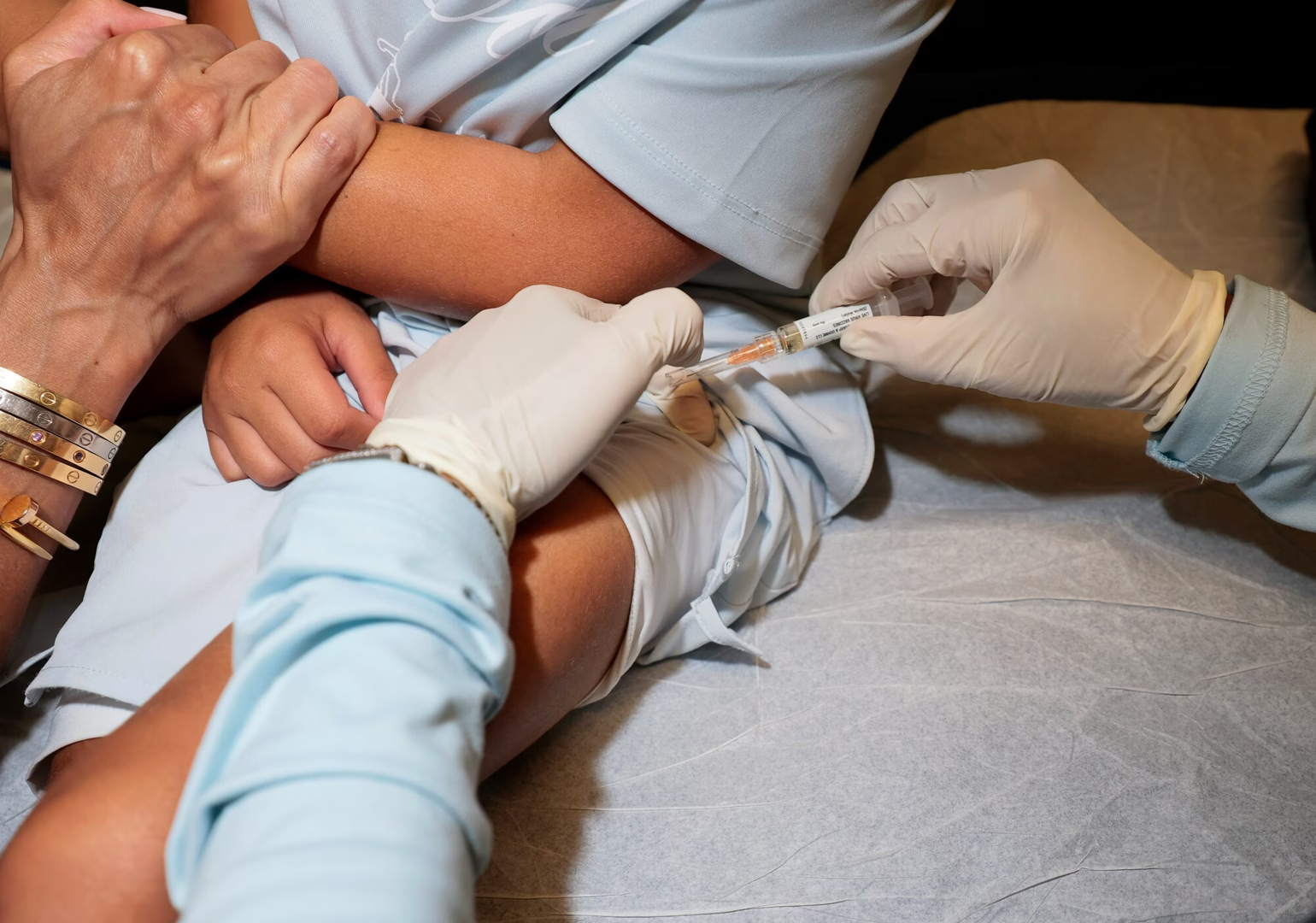
Kennedy pledged to "stop measles outbreaks, protect American families, and work to regain U.S. measles elimination status," adding that he continues to recommend the MMR vaccine as the most effective protection. He pointed to pandemic-era disruptions to routine childhood shots and noted that Canada and the United Kingdom have also lost their status.
Vaccination rates slipping
CDC Director Erica Schwartz said the designation itself is not what keeps Americans safe: "Vaccination does." The agency said it has sent about $100 million to state and local health departments. MMR coverage among kindergartners fell from 95.2% in the 2019-2020 school year to 92.7% in 2023-2024, below the roughly 95% level needed to stop the virus from spreading. To regain its status, the U.S. must go at least a year with no sustained local spread.
Photos: Joe Raedle/Getty Images; Getty Images.
Stay Updated with Ally Daily
Subscribe to be informed about special news, developments and announcements. We will keep you informed.
By signing up, you agree to our Privacy Policy