- BIST10011,909+0.56%
- USD50.28+0.05%
- EUR55.60-0.24%
- GOLD3,866.00-0.52%
- INTEREST36.00%-1.00
- BITCOIN64,461-1.31%
- November 16, 20262°
- BIST10011,909+0.56%
- USD50.28+0.05%
- EUR55.60-0.24%
- GOLD3,866.00-0.52%
- INTEREST36.00%-1.00
- BITCOIN64,461-1.31%
- November 16, 20262°
University of Arizona's Murat Kacira wins national award for greenhouse innovation
Kacira, the Türkiye-educated engineer who directs the University of Arizona's Controlled Environment Agriculture Center, received the Industry Advancement Award at the CEAg World Impact Awards in Charlotte. He was chosen over finalists from Penn State and Cornell.
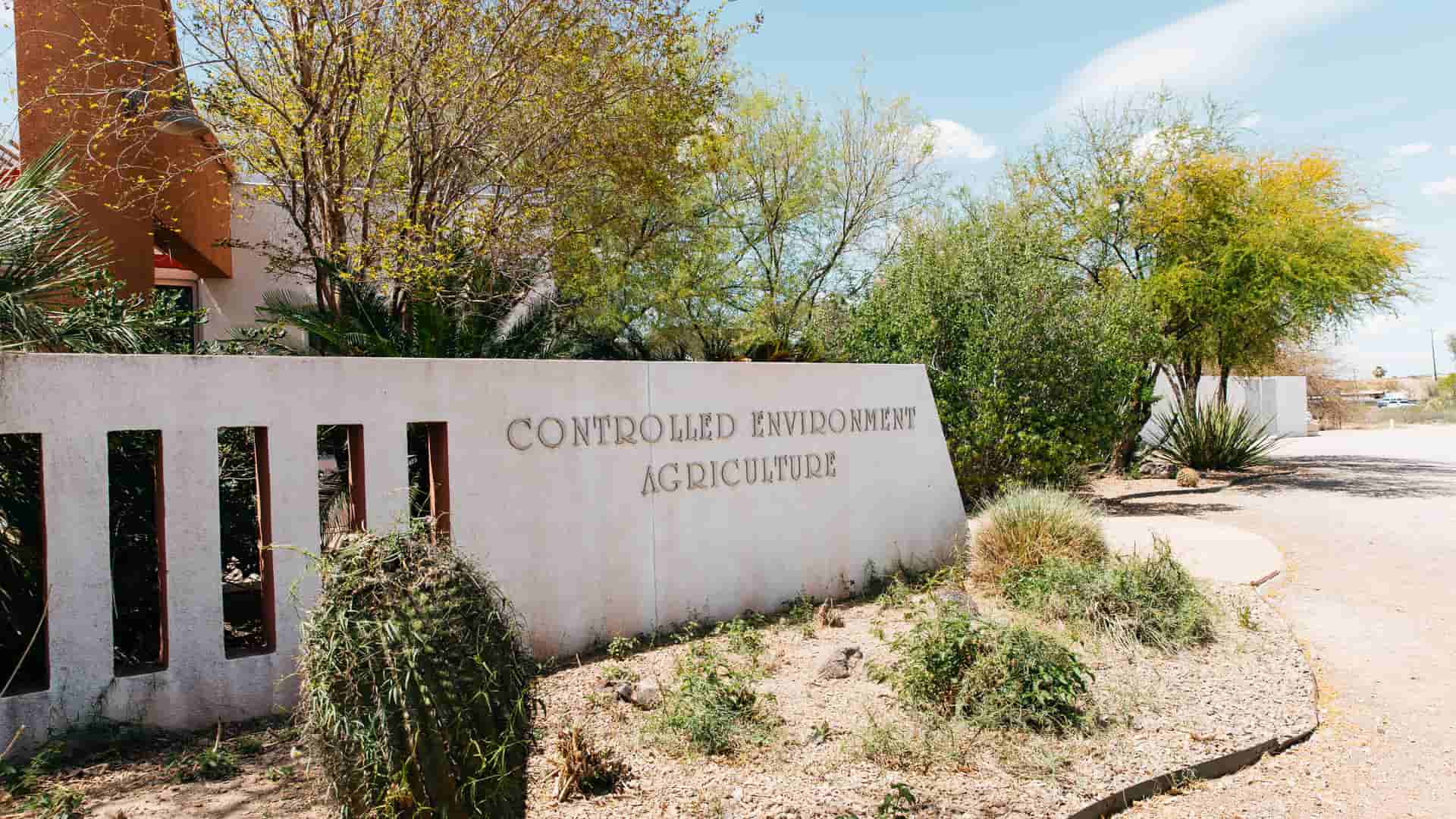
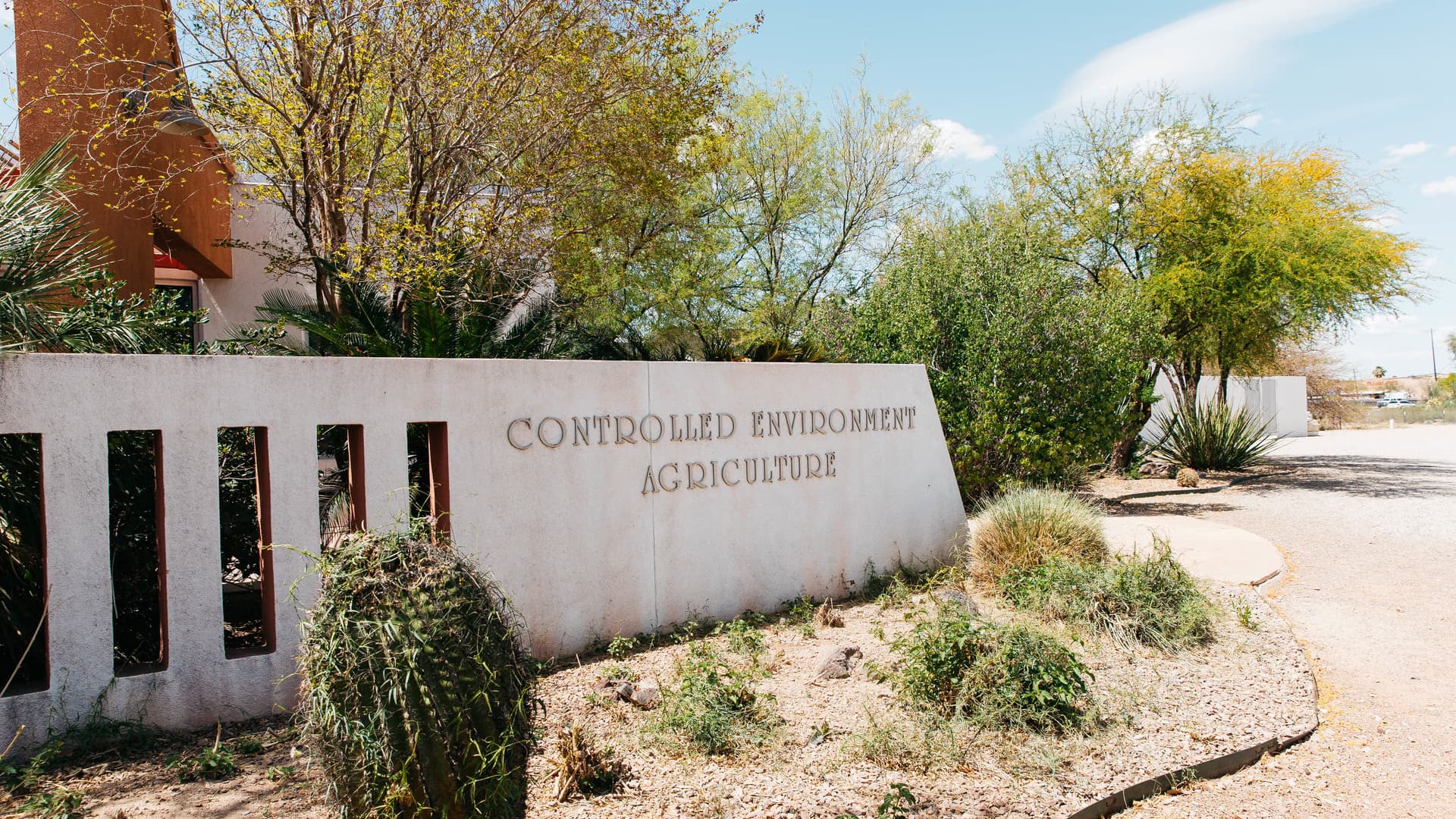
An engineer who began his career in Türkiye and has spent nearly two decades at the University of Arizona has been named one of the top figures in America's indoor farming industry. Murat Kacira, professor of biosystems engineering and director of the university's Controlled Environment Agriculture Center (CEAC), won the Industry Advancement Award at the 2026 CEAg World Impact Awards.
The winners were announced on Nov. 10 during the opening ceremony of the CEAg World Conference and Expo in Charlotte, North Carolina, the organizers said. The Industry Advancement Award recognizes a person whose research, teaching, extension or outreach has significantly advanced controlled environment agriculture and helped turn knowledge into real-world results for growers. Kacira was selected from three finalists, alongside Paul Gauthier of Penn State University and Neil Mattson of Cornell University.
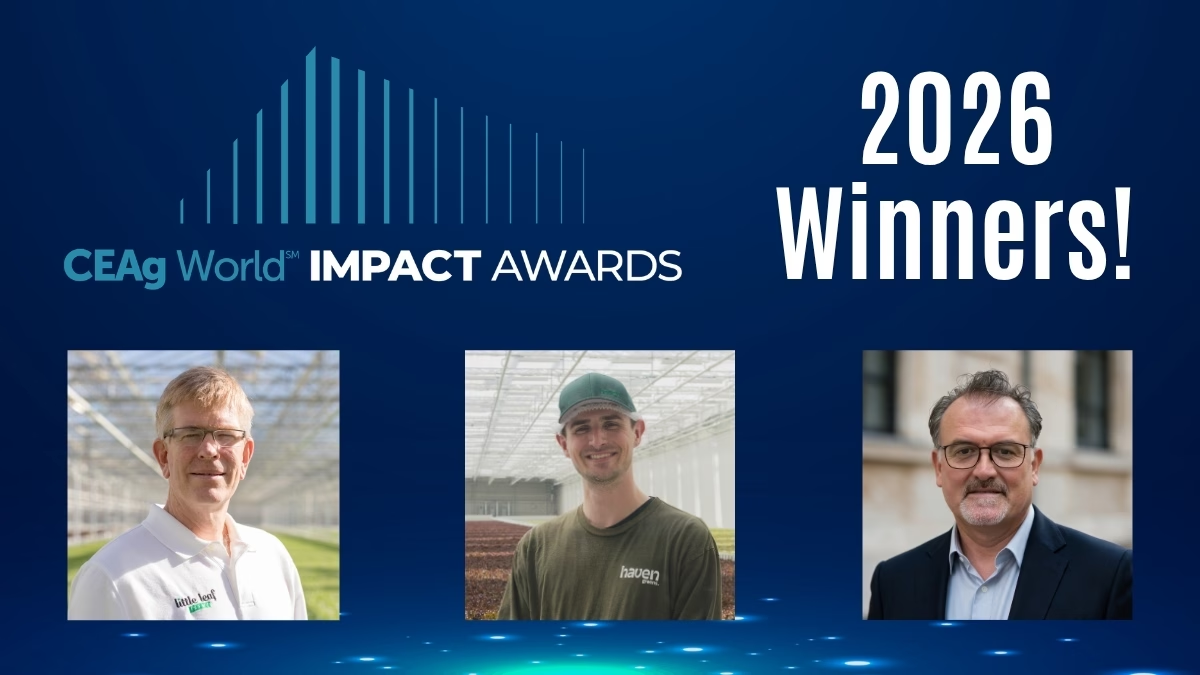
The awards, sponsored by ExxonMobil and now in their second year, also honored Paul Sellew of Little Leaf Farms with the Leadership Award and Dominick DiMucci of Haven Greens with the Emerging Leader Award.
From Çukurova to Tucson
Kacira earned his bachelor's degree in agricultural engineering at Çukurova University in Türkiye, then completed his master's and doctorate in food, agricultural and biological engineering at Ohio State University, according to his University of Arizona profile. He joined the Arizona faculty in 2007 and later succeeded founding director Gene Giacomelli at the head of CEAC, which celebrated its 25th anniversary in October.
His research focuses on sensing what plants need without touching them. In a profile published by CEAg World, Kacira described moving into computer vision and infrared thermometry because practical systems cannot rely on destructive or contact measurements. One imaging study with hydroponic lettuce detected calcium deficiency before symptoms became visible. He has also studied semi-transparent solar panels that generate electricity while letting crops grow underneath.
Data that growers can use
Kacira sees artificial intelligence as a way to turn sensor readings into decisions. "Growers don't need another sensor or dashboard with a bunch of data or graphics," he told CEAg World. "They just want to see: 'This is what happened, this is why it happened (or might have happened), and this is what you can do.'"
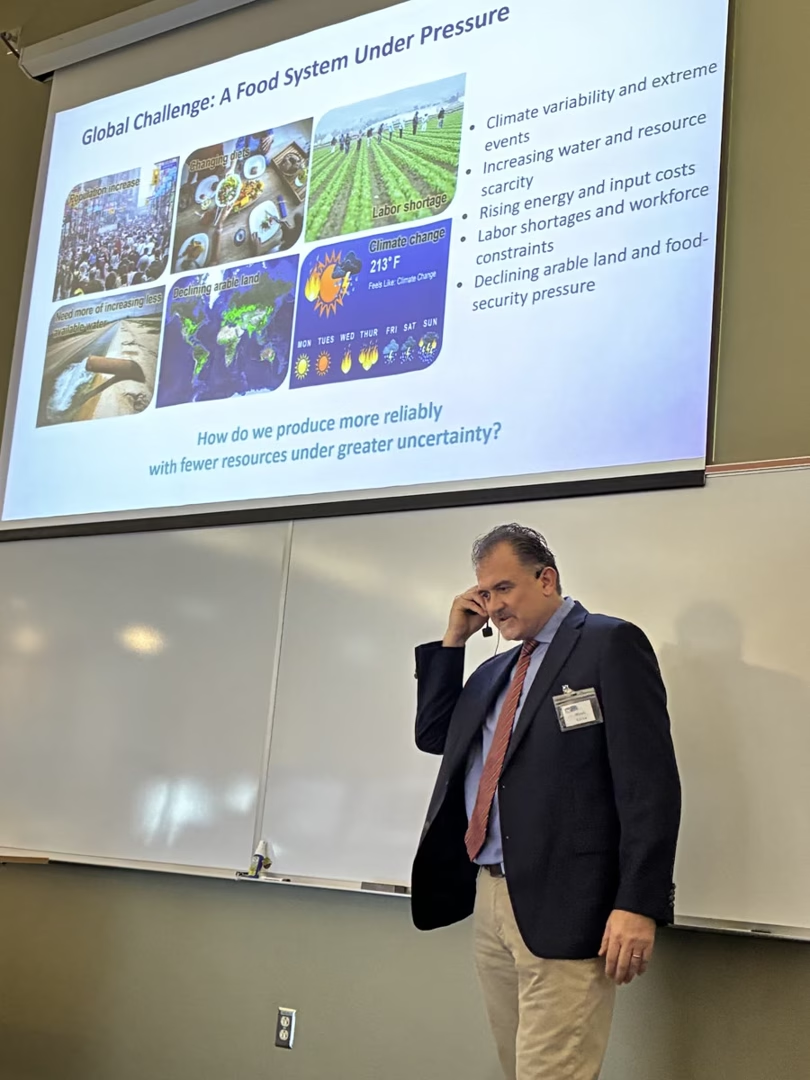
At CEAC's anniversary symposium on Oct. 23, he said the field is moving toward circularity with advances in AI, automation, robotics and plant-response-based controls, according to the university's College of Agriculture, Life and Environmental Sciences. He told the gathering that CEAC will help tackle food security and environmental challenges through research, workforce training and work with industry.
Photos: University of Arizona CALES, CEAg World
Stay Updated with Ally Daily
Subscribe to be informed about special news, developments and announcements. We will keep you informed.
By signing up, you agree to our Privacy Policy