- BIST10011,577-1.87%
- USD49.58+0.05%
- EUR55.62+0.09%
- GOLD4,155.30+0.31%
- INTEREST37.00%-1.00
- BITCOIN84,445+1.81%
- October 21, 202618°
- BIST10011,577-1.87%
- USD49.58+0.05%
- EUR55.62+0.09%
- GOLD4,155.30+0.31%
- INTEREST37.00%-1.00
- BITCOIN84,445+1.81%
- October 21, 202618°
US electric grid is more prepared for summer heat
A new assessment reveals that the US and Canadian electric grid is safer this summer compared to last year thanks to solar energy and battery storage...


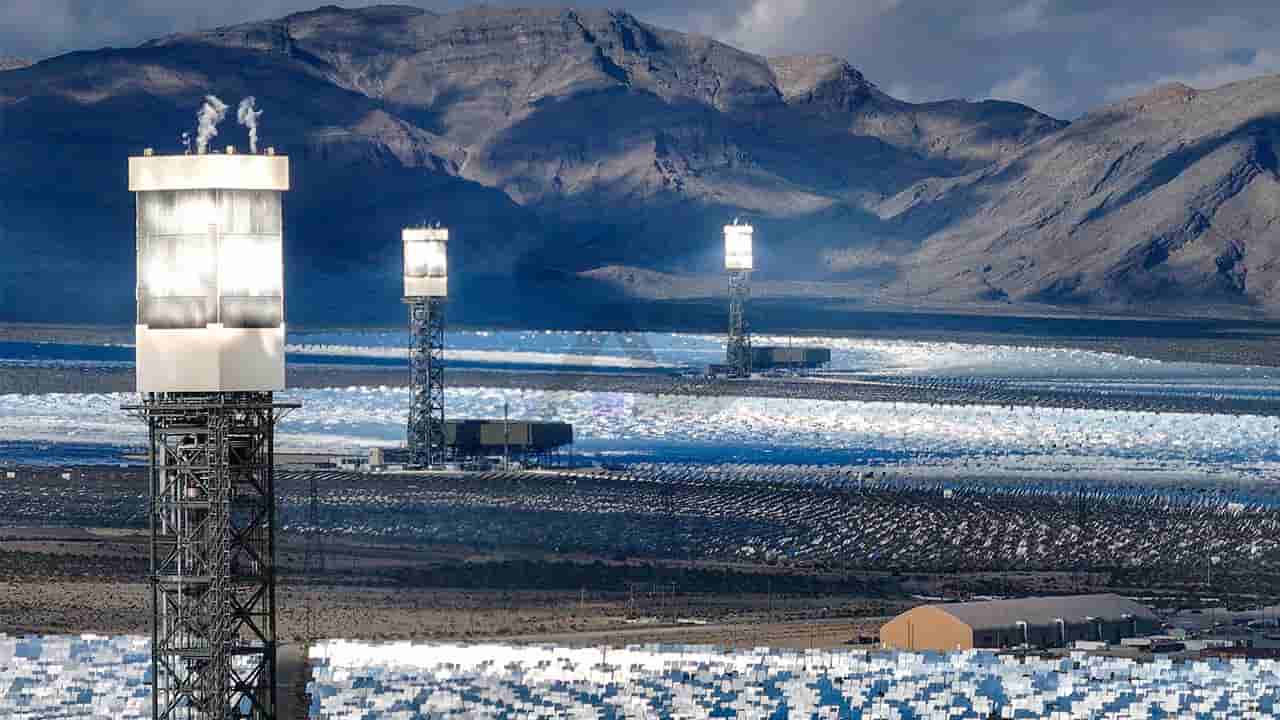
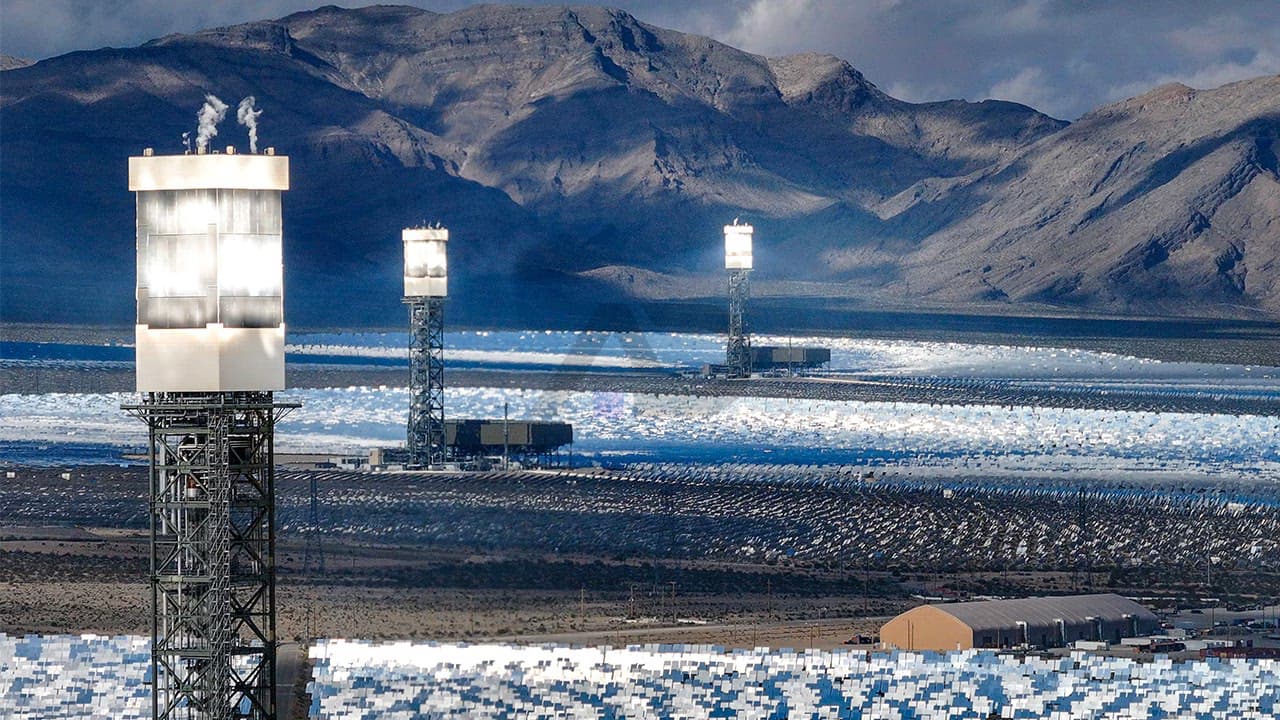
The new summer assessment by the agency monitoring the US and Canadian electric systems shows that the grid is entering this year's extreme heat more robustly than last year. According to the report, the biggest contribution to this improvement belongs to the rapidly increasing solar energy and battery storage capacity. The agency reported that a significant amount of new solar and storage resources have been added to the system in the past year, and in addition, a limited number of new natural gas plants have also been commissioned. The assessment also contradicts official views that some old fossil fuel plants must be kept open. The report noted that in calculations for summer 2026, some coal, oil, and gas plants that are forced to operate were not taken into account. According to the agency's data, approximately 30.5 gigawatts of new solar production capacity have been added since last summer. During the same period, more than 16 gigawatts of battery capacity were added to the system. It was stated that batteries powered by solar energy especially support supply security in the afternoon and evening hours. However, the risk has not completely disappeared for all regions. New England, the Pacific Northwest, West Texas, and the Saskatchewan region of Canada may face electricity shortage risks under harsh summer conditions such as unusual heat. It was also emphasized that drought in the Pacific Northwest is putting pressure on hydroelectric production. While rising risks were seen in six regions last year, this year a wide area from the mid-latitudes has moved into a safer category. It was concluded that solar and battery investments especially along the Midwest and Great Plains line have increased grid resilience.
Sponsored Ads
Featured Listings
Loading featured properties...
Stay Updated with Ally Daily
Subscribe to be informed about special news, developments and announcements. We will keep you informed.
By signing up, you agree to our Privacy Policy