Washington’s new sanctions plan targeting the International Criminal Court has been criticized by European countries, Japan and the United Nations over its implications for the court’s independence and international criminal justice. Officials said the court must be able to continue its work on war crimes and crimes against humanity.
Kaja Kallas, the European Union’s high representative for foreign affairs and security policy, said protecting the court remained a priority for the bloc. Kallas said the court was a fundamental part of the international criminal justice system and noted that it pursued individuals responsible for the gravest crimes under international law.
Kallas said she had spoken with ICC President Tomoko Akane after the United States announced its sanctions decision. She said the six-month period before the measures take effect could be used for dialogue.
The European Commission said it was deeply saddened by the U.S. decision. The Commission said the European Union would continue cooperating with the 125 countries party to the Rome Statute and was ready to take the necessary steps to protect the court’s independence.
The Commission also said it aimed to ensure that the court could continue its investigations into war crimes and crimes against humanity, pursue those responsible and protect the interests of companies operating in the European single market.
UN calls for urgent action
UN High Commissioner for Human Rights Volker Türk described the U.S. sanctions as “unacceptable.” Türk called for urgent measures to protect the court and the individuals and groups cooperating with it.
Türk said the sanctions were part of a series of retaliatory measures targeting efforts by court staff to ensure accountability for the gravest human rights violations. Warning that these measures could deter those working in the field of justice from continuing their duties, Türk said the 125 countries party to the Rome Statute needed to act urgently to defend the court and safeguard its work.
Türk said impunity increased violence and suffering, and called for investment in justice and accountability instead of punishing those who documented and investigated violations.
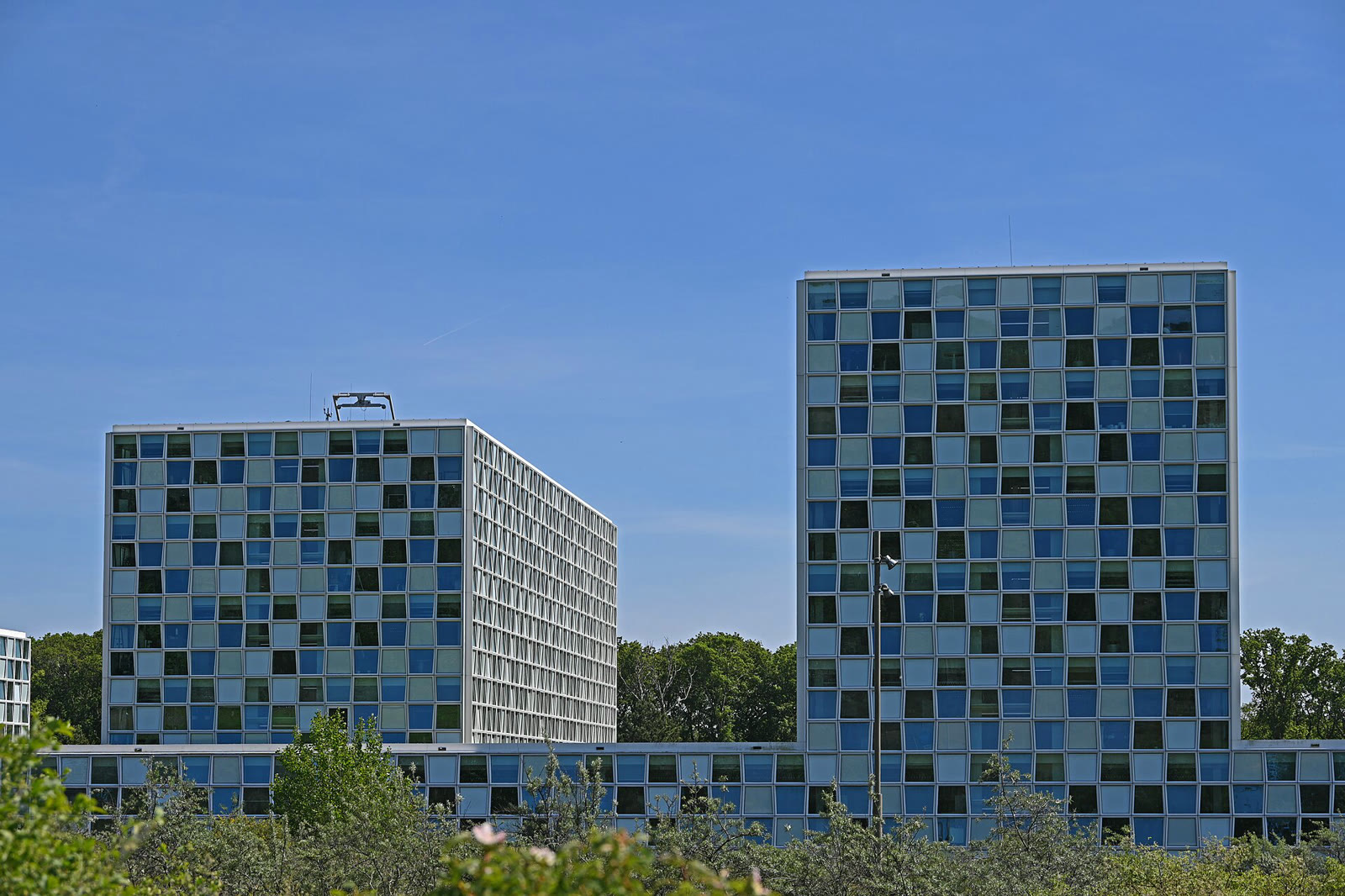
Europe voices opposition to Washington
German Justice Minister Stefanie Hubig described the U.S. decision as “a dark day” for international law and the rules-based world order. Hubig argued that Washington was escalating tensions by targeting the court.
Hubig also drew attention to the fact that the sanctions decision was announced on the day the court’s former judge, South African Navi Pillay, won the 2026 Nobel Peace Prize. Describing the court as a peace project, Hubig said lasting peace was possible through justice and accountability for those responsible for serious injustices.
Recalling that the United States had made a historic contribution to the development of international criminal law by supporting the prosecution of Nazi leaders in Nuremberg after World War II, Hubig said it was incomprehensible that Washington later sought to weaken the rules it had helped establish. She said Germany would continue supporting the court and international criminal law.
Belgian Foreign Minister Maxim Prevost also strongly condemned the sanctions and called on the European Union to take concrete measures to protect the court’s independence. Prevost said the sanctions aimed to obstruct the court’s work, restrict victims’ access to justice and make prosecutions for the gravest crimes more difficult.
Prevost said Belgium would raise the issue at the EU Foreign Affairs Council meeting on October 12 and at the bloc’s summit scheduled for October 15-16. He called on Europe to activate the European Union’s blocking statute to protect the court and its supporters.
Japan and joint statement offer support
Japan’s Foreign Ministry said it was deeply concerned about the U.S. sanctions. The ministry said the decision was inconsistent with Tokyo’s position in support of the rule of law and international courts and judicial institutions.
Tokyo said the court needed to be able to continue carrying out its mandate, overcome the challenges it faced and strengthen international confidence. Japan, which is party to the court, said it would continue participating in discussions and fulfilling its responsibilities. It added that Foreign Minister Toshimitsu Motegi had exchanged views on the sanctions with U.S. Secretary of State Marco Rubio and that they had agreed to maintain close communication.
The foreign ministers of the United Kingdom, Canada, Denmark, Germany, France, Italy, Japan and the Netherlands strongly opposed the U.S. sanctions in a joint statement. The ministers reaffirmed their support for the court’s independence, impartiality and integrity.
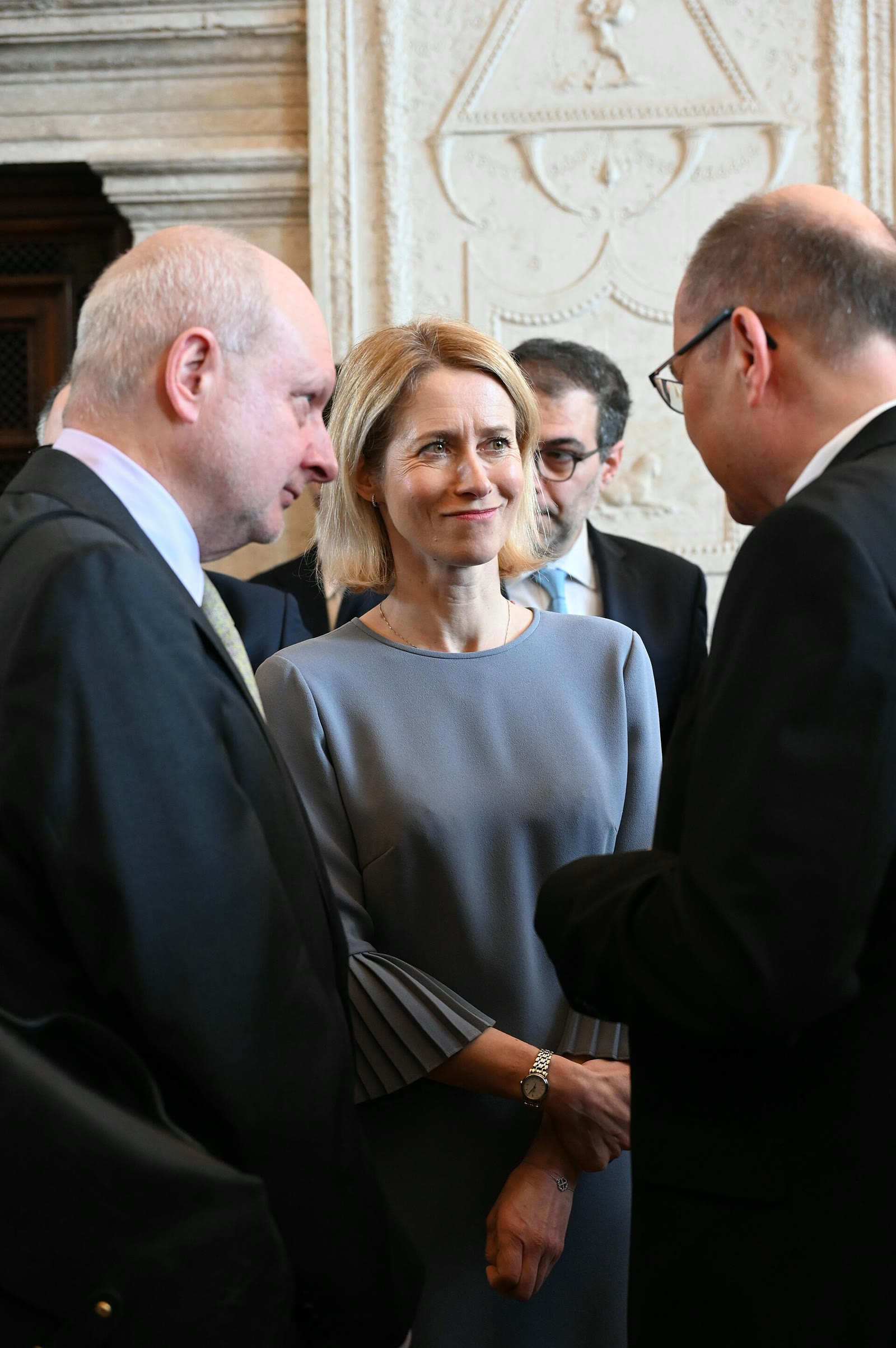
The statement warned that the sanctions could seriously affect the court’s work, staff and their families. It said countries party to the Rome Statute would continue defending the rules-based international order and accountability ahead of the Assembly of States Parties meeting scheduled for December 2026.
Six-month period to be used for diplomacy
Dutch Prime Minister Rob Jetten said delaying the entry into force of the sanctions by six months created an opportunity for a diplomatic solution. Jetten said the Netherlands and its partners were ready to take the necessary measures, if needed, to allow the court’s judges to continue performing their duties.
Jetten said at a joint press conference with European Council President Antonio Costa in the Netherlands that the six-month period could be used to hold talks with the United States and relevant parties, and to update and improve the court’s functioning.
Costa said international justice was indispensable to protecting international law. Saying that lasting peace could not be achieved without accountability, Costa reaffirmed the European Union’s support at its March and June summits for institutions that protect international law and called on Washington to engage in dialogue during the six-month period.
Arrest warrants behind the decision
U.S. Secretary of State Marco Rubio had announced Washington’s intention to sanction the International Criminal Court after Navi Pillay won the 2026 Nobel Peace Prize. Rubio said U.S. President Donald Trump would not allow the court to pursue U.S. citizens.
The decision followed Washington’s opposition to arrest warrants issued by the court in November 2024 for Israeli Prime Minister Benjamin Netanyahu and former Israeli Defense Minister Yoav Gallant over alleged crimes committed in the Gaza Strip. Washington had said it did not recognize the arrest warrants.
The United States had previously imposed sanctions on several judges and prosecutors, including ICC President Tomoko Akane. While the new sanctions are expected to take effect in six months, European countries say the period could be used to establish dialogue with Washington and discuss measures that would enable the court to continue exercising its jurisdiction.




















