- BIST10011,722-2.89%
- USD49.45+0.05%
- EUR55.62+0.37%
- GOLD4,186.70+0.40%
- INTEREST37.00%-1.00
- BITCOIN81,432-0.09%
- October 17, 202617°
- BIST10011,722-2.89%
- USD49.45+0.05%
- EUR55.62+0.37%
- GOLD4,186.70+0.40%
- INTEREST37.00%-1.00
- BITCOIN81,432-0.09%
- October 17, 202617°
Hegseth urges Europe to take on more responsibility for NATO defense
U.S. Defense Secretary Pete Hegseth told his British counterpart, Wes Streeting, during talks at the Pentagon that allies should assume greater responsibility for NATO’s defense of Europe. The two officials discussed increasing defense spending, developing military technologies and strengthening production capacity.


U.S. Defense Secretary Pete Hegseth and his British counterpart, Wes Streeting, assessed NATO’s role in Europe’s defense and the distribution of responsibilities within the alliance at the Pentagon on Thursday. The talks also covered defense spending, military cooperation, technology investments and supply chains.
Streeting’s visit to Washington was his first since taking office in July. The meeting took place as the U.S. administration called on its European allies to assume greater responsibility for conventional defense.
Europe’s responsibility in NATO to increase
Hegseth said the longstanding relationship between Washington and London should not remain limited to ties from the past but should evolve in response to new threats.
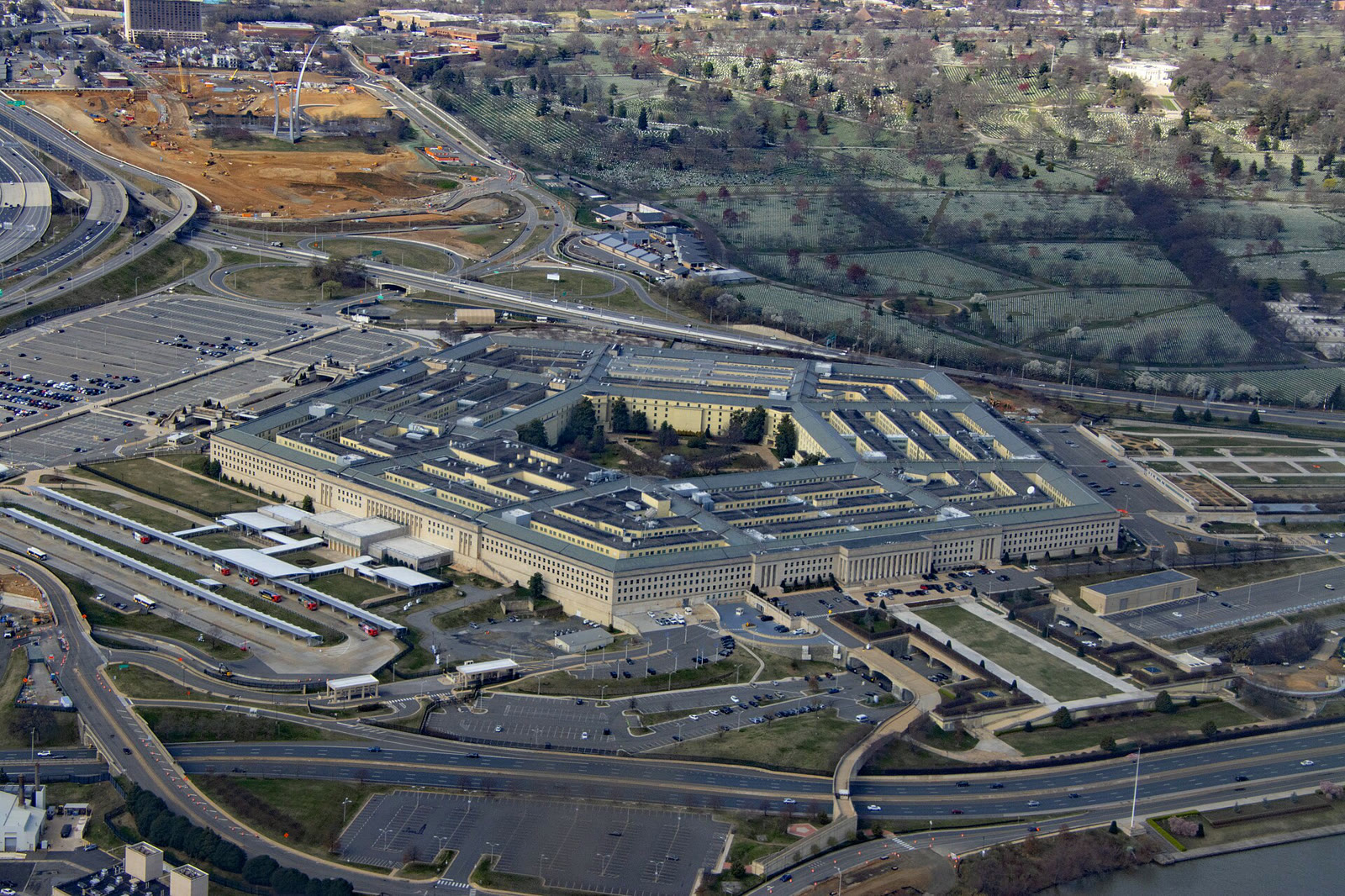
The U.S. secretary outlined the “NATO 3.0” approach, which calls for NATO’s European members to assume a greater share of responsibility for Europe’s conventional defense. The model could enable the United States to reduce its military presence in Europe and direct its resources toward other regions, including the Pacific.
Hegseth welcomed NATO countries beginning to assume greater responsibility under the leadership of U.S. President Donald Trump. He also praised the United Kingdom’s plans to increase its defense contributions.
United Kingdom to strengthen defense capacity
Streeting said the United Kingdom was ready to play a more active role in defending Europe and its own interests. “The United Kingdom is stepping up, and we are doing so willingly,” the British official said.
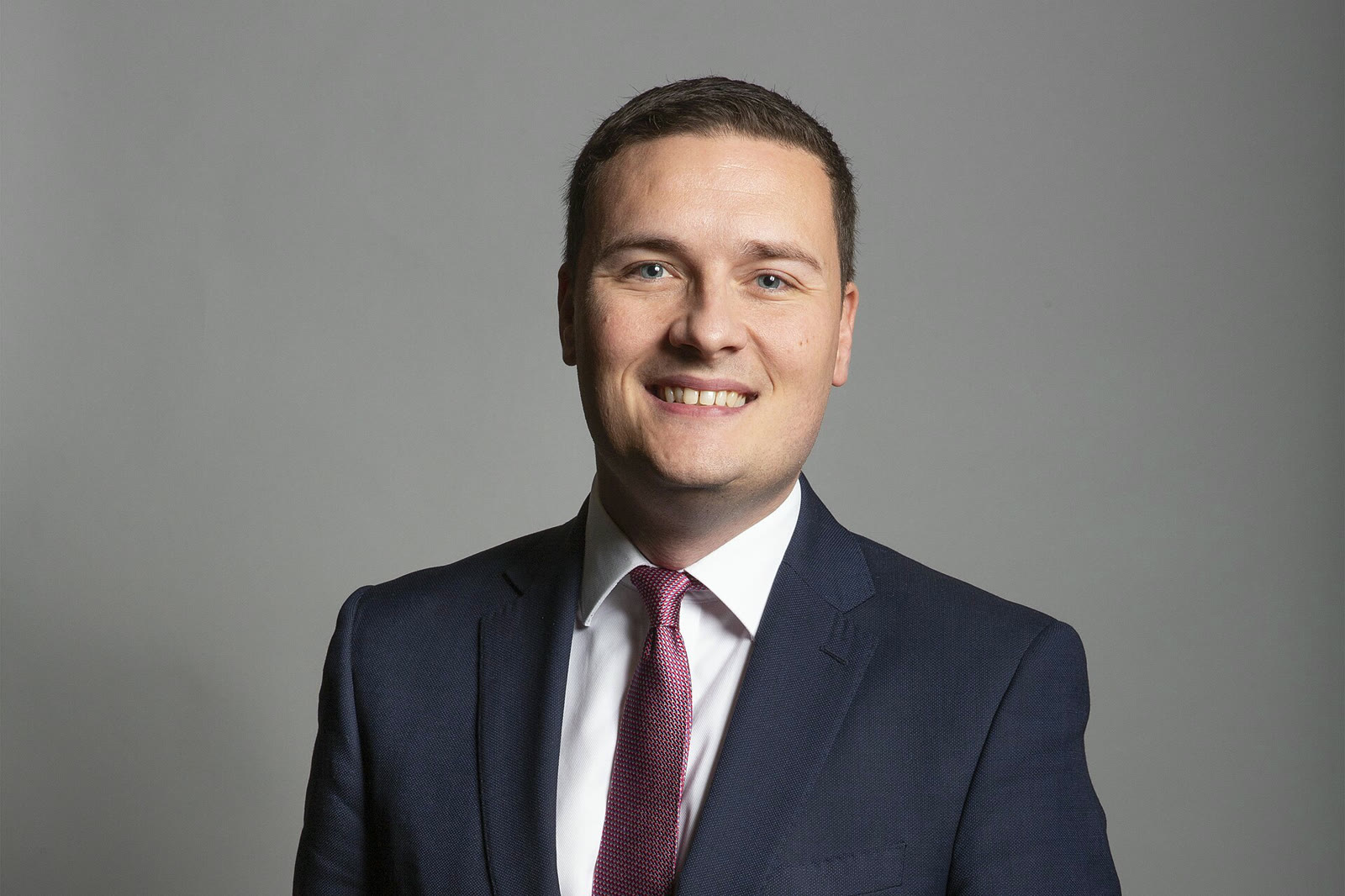
Streeting thanked Trump for encouraging European countries to take their defense responsibilities more seriously. He said the United Kingdom had achieved its longest sustained increase in defense spending since the end of the Cold War, adding that the investments were intended to strengthen military capacity.
According to the British official, increased spending alone is not enough. Investments must be directed toward effective capabilities, the development of new military technologies must be accelerated and the defense industry must be strengthened. Streeting also said the time needed to turn technological advances into operational military systems should be shortened.
U.S. to strengthen production and supply chains
Hegseth said the United States needed to increase defense production and strengthen manufacturing capacity and supply chains together with its allies. He said domestic production lines in the United States needed to be improved in terms of speed, scale and their ability to work with partners.
Source: Anadolu Ajansı
Have a story, event or announcement of your own?Send us your news on WhatsApp
Spotted an error in this story?Report it on WhatsApp
Share on all social platforms
Sponsored Ads
Featured Listings
Loading featured properties...
Stay Updated with Ally Daily
Subscribe to be informed about special news, developments and announcements. We will keep you informed.
By signing up, you agree to our Privacy Policy