Following the United States’ designation of Tomoko Akane and Abdoulaye Seye for sanctions, the International Criminal Court described the decision as a direct attack on the court’s independence.
The ICC said the restrictions targeting Akane, the Japanese president of the court, and Seye, a Senegalese senior legal official, were aimed at an impartial judicial body carrying out the mandate given to it by its member states. The court said the sanctions also harmed the independence of international justice.
A significant share of ICC personnel faces sanctions
The restrictive measures imposed by the United States affect 9 of the ICC’s 18 judges, two deputy prosecutors, a former prosecutor and one staff member.
The court said threats and pressure directed at judges, prosecutors and staff for performing their duties weakened the rule of law. The ICC stressed that threatening judicial officials because they administer justice endangered the international legal order.
The ICC said the pressure also affected victims who turned to the court in search of justice after all other avenues had been exhausted. The court said it would remain committed to standing with its staff and victims of international crimes.
The court said it would continue to perform its duties independently and impartially in full compliance with the Rome Statute. The ICC also stressed the importance of solidarity from member states, civil society and partners supporting the rule of law and justice for victims of crime.
Netherlands rejects the sanctions
Dutch Foreign Minister Tom Berendsen said the Netherlands did not approve the latest sanctions targeting ICC officials and staff. Berendsen said international courts and judicial bodies must be able to perform their duties freely.
Berendsen said he would meet with court President Akane to discuss the Netherlands’ continued support for the ICC.
US allegations against the ICC
The US State Department said Akane and Seye were placed on the sanctions list because they directly participated in the ICC’s efforts to investigate and arrest officials from countries that do not recognize the court’s jurisdiction. The department described the ICC as a corrupt and politicized court that abuses its authority.
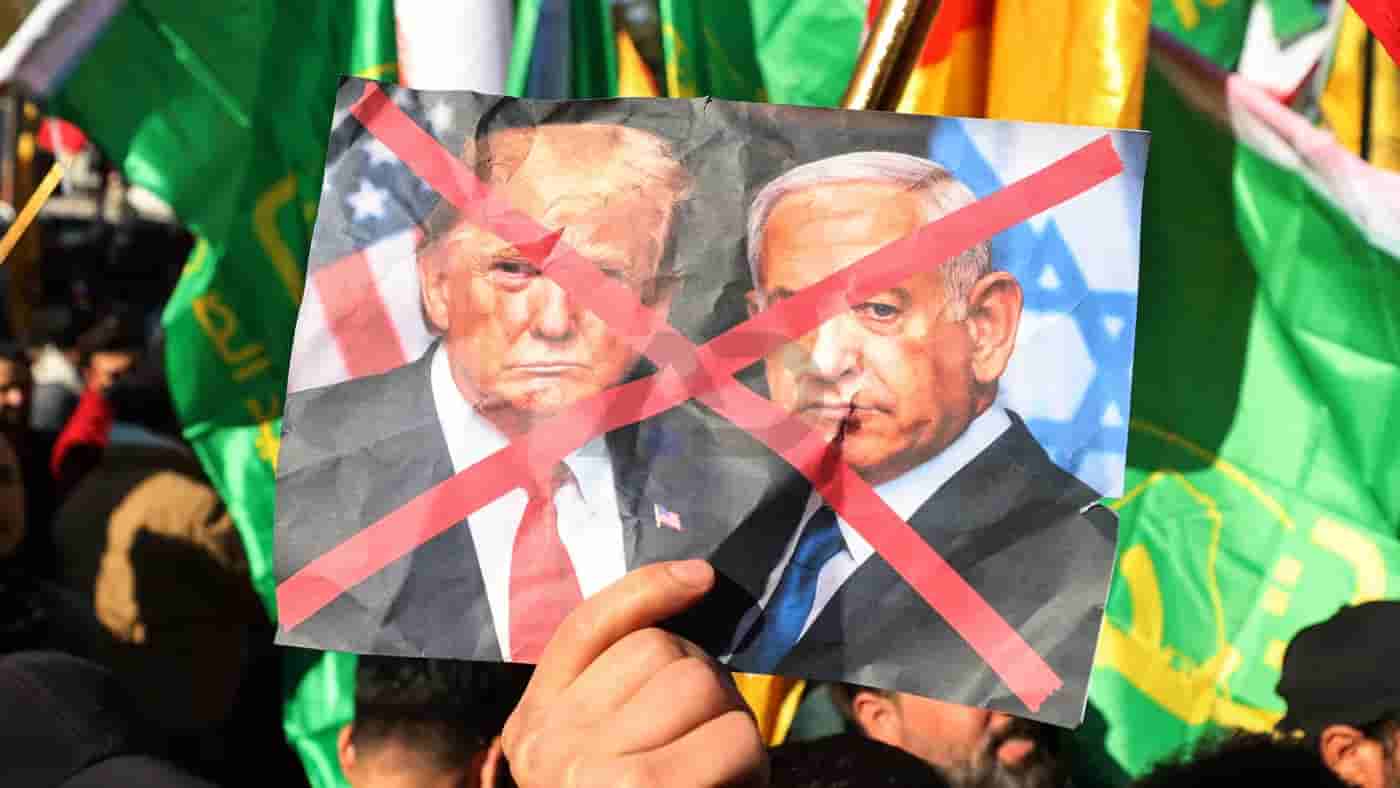
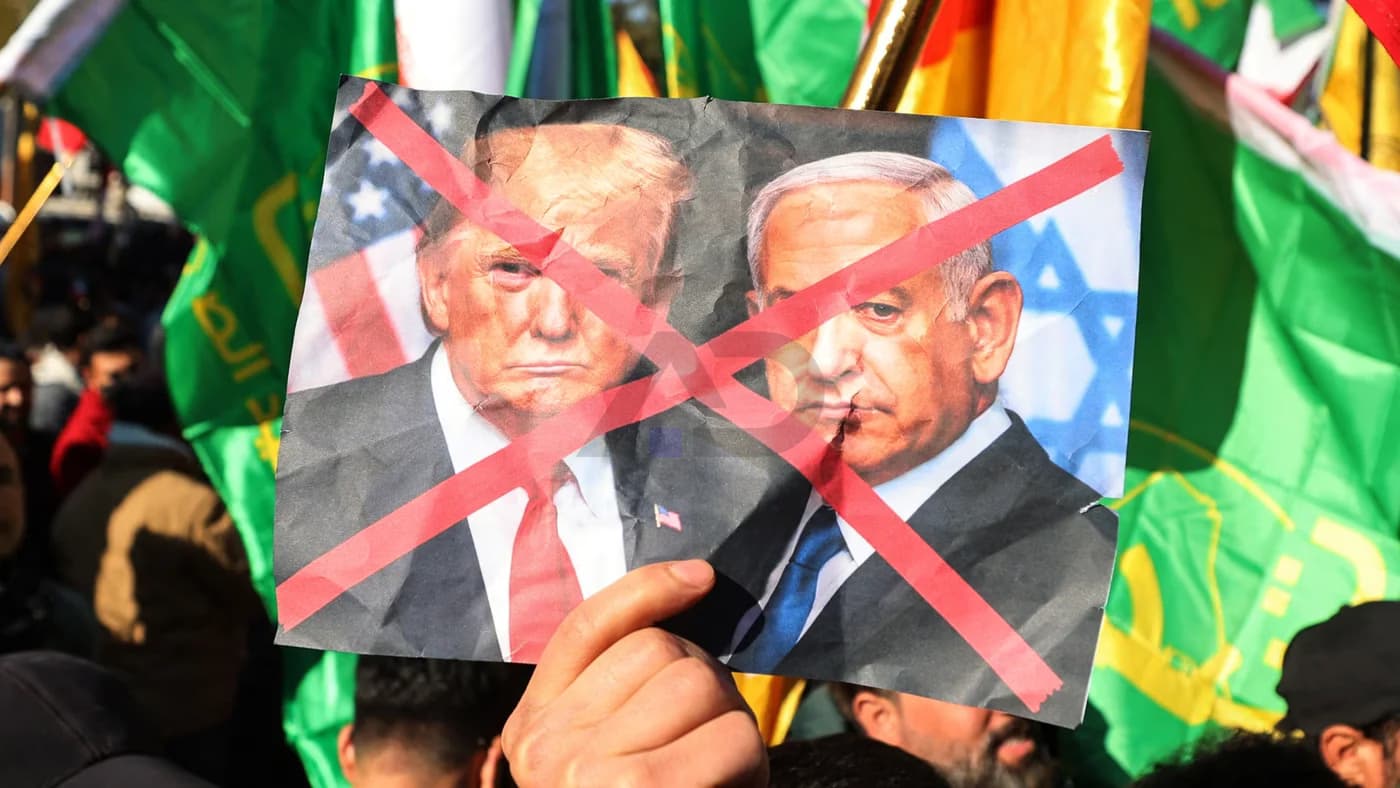
On November 21, 2024, the ICC issued arrest warrants for Israeli Prime Minister Benjamin Netanyahu and former Defense Minister Yoav Gallant over alleged war crimes and crimes against humanity committed in Gaza. Following the decision, US President Donald Trump repeatedly criticized the ICC and called on his allies to withdraw from the court.
Under Article 3 of the Rome Statute, the Netherlands is designated as the official host country of the International Criminal Court and the country where its headquarters are located.