- BIST10010,760-3.64%
- USD49.79+0.05%
- EUR55.52-0.41%
- GOLD3,910.00-3.01%
- INTEREST36.00%-1.00
- BITCOIN77,507-0.37%
- October 30, 202622°
- BIST10010,760-3.64%
- USD49.79+0.05%
- EUR55.52-0.41%
- GOLD3,910.00-3.01%
- INTEREST36.00%-1.00
- BITCOIN77,507-0.37%
- October 30, 202622°
Pennsylvania warns of congenital measles as outbreak spreads to pregnant women
Pennsylvania health officials are warning about measles in pregnancy and congenital measles, as an outbreak that has infected 66 pregnant women pushes U.S. measles cases above 4,400 this year.
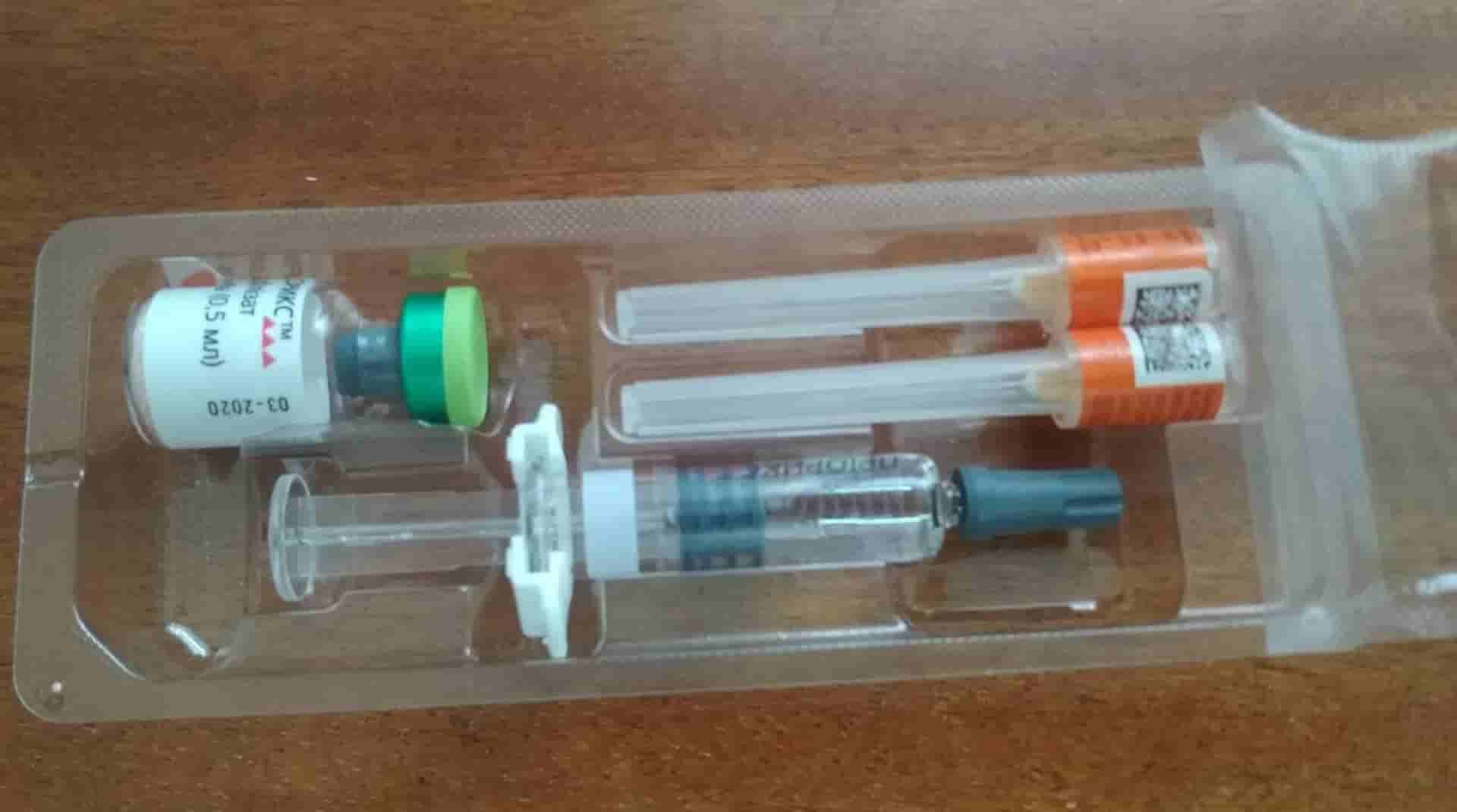
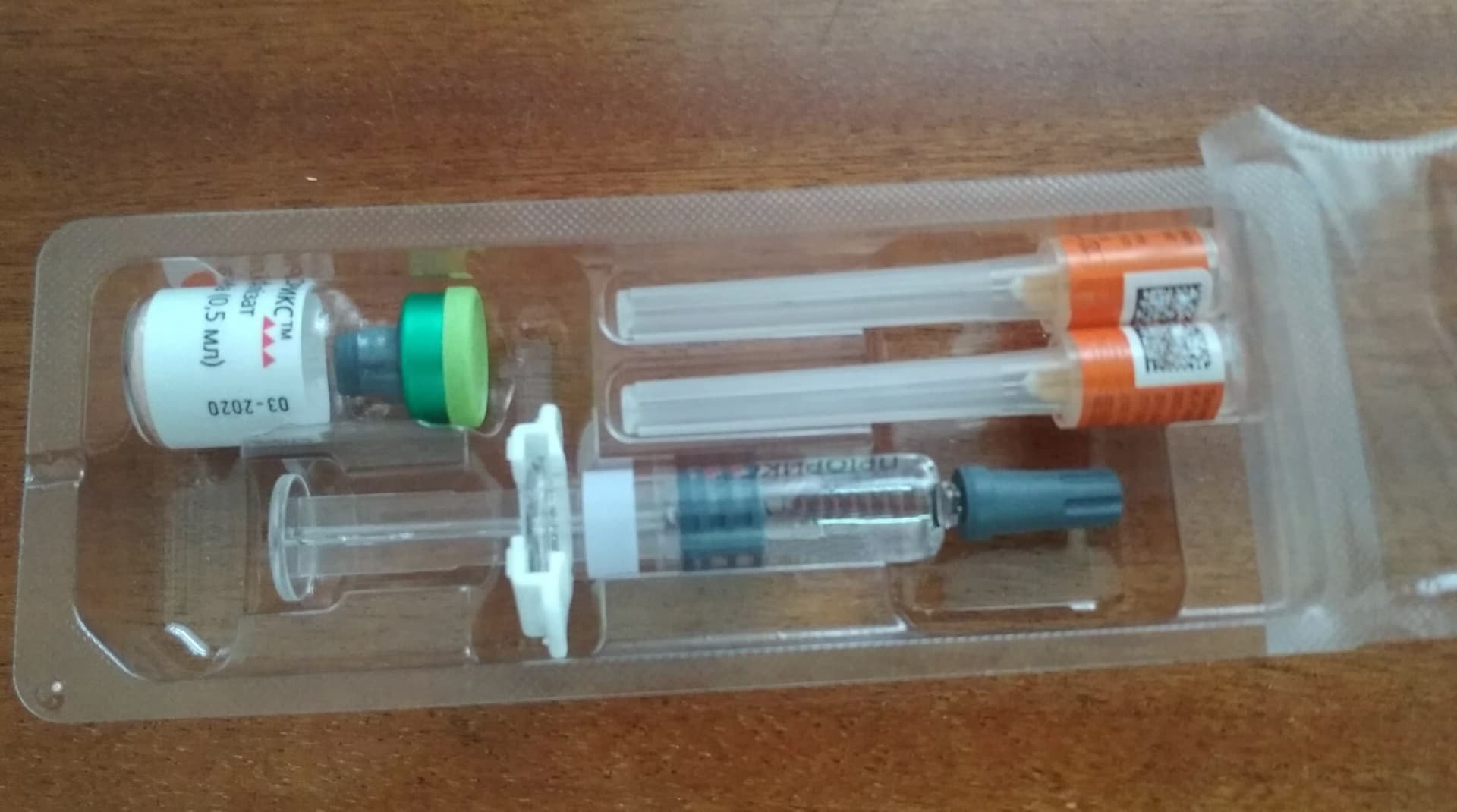
Pennsylvania health officials are warning of a rise in measles among pregnant women and of congenital measles, which they say has been identified in the state for the first time in decades, as the U.S. outbreak continues to grow.
Congenital measles occurs when a woman infected during pregnancy gives birth to a baby with the virus, which is transmitted in the womb. It can cause serious problems for newborns, including brain inflammation and death, according to the American Academy of Pediatrics, which has issued guidance to pediatricians on managing affected infants.
The Pennsylvania Health Department has reported 66 measles cases in pregnant women since April. A spokesperson told NBC News that state law prohibits sharing information about pregnancy outcomes, so the exact number of congenital cases has not been released, but the department's advisory says about one-third of babies born to mothers with measles contract the disease.
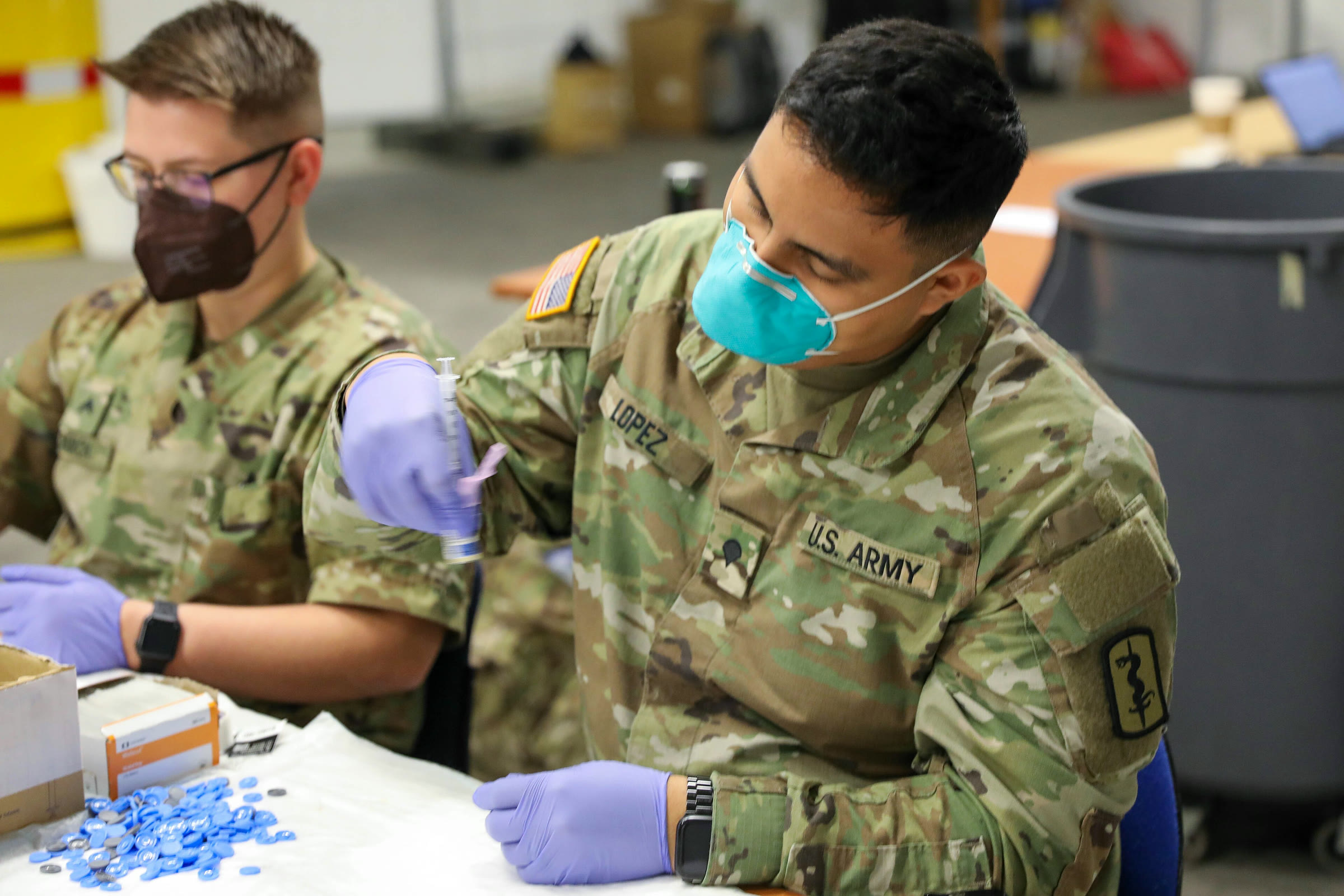
Pennsylvania has recorded 1,286 measles cases in 42 counties and five deaths, including one infant this year. Nationwide, the Centers for Disease Control and Prevention has confirmed 4,410 measles cases in 2026.
Health officials say the best protection is the measles, mumps and rubella (MMR) vaccine before pregnancy. Because it is a live vaccine, it should not be given during pregnancy, and women are advised to avoid becoming pregnant for 28 days after vaccination.
Have a story, event or announcement of your own?Send us your news on WhatsApp
Spotted an error in this story?Report it on WhatsApp
Share on all social platforms
Sponsored Ads
Featured Listings
Loading featured properties...
Stay Updated with Ally Daily
Subscribe to be informed about special news, developments and announcements. We will keep you informed.
By signing up, you agree to our Privacy Policy