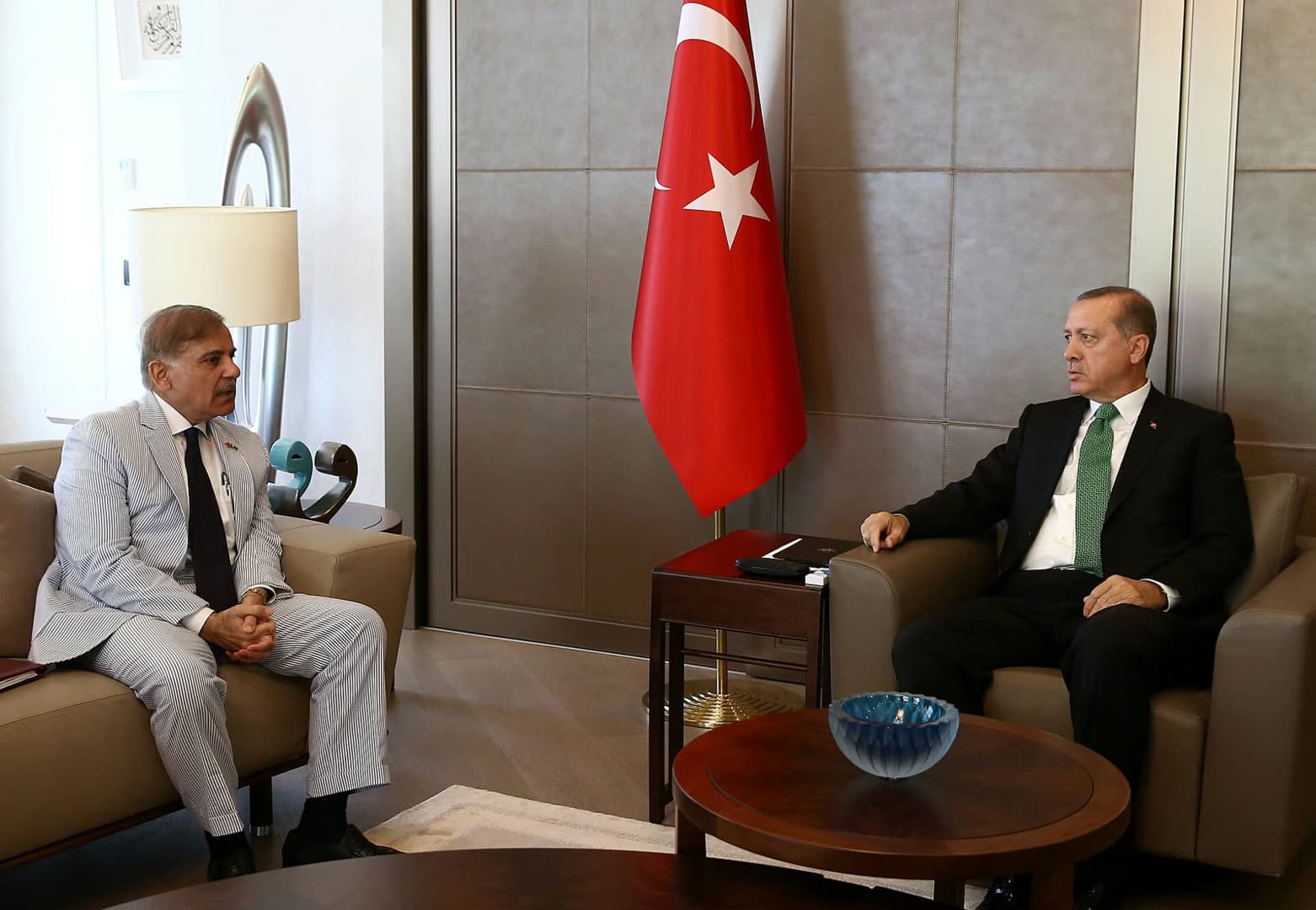
Face-to-face talks that began in Caracas brought Venezuela’s 2015 National Assembly delegation and the interim government together to discuss the political transition. The U.S. Department of State welcomed the delegation, led by Dinorah Figuera, as it arrived in the capital and began contacts.
The department said direct contacts represented an important opportunity for Venezuela’s political transition. Washington said it would continue to support the Venezuela-led process.
Goals of the three-stage plan
The United States described the process as one of the key elements of a three-stage plan aimed at achieving a peaceful transition through stability, economic recovery and political reconciliation.
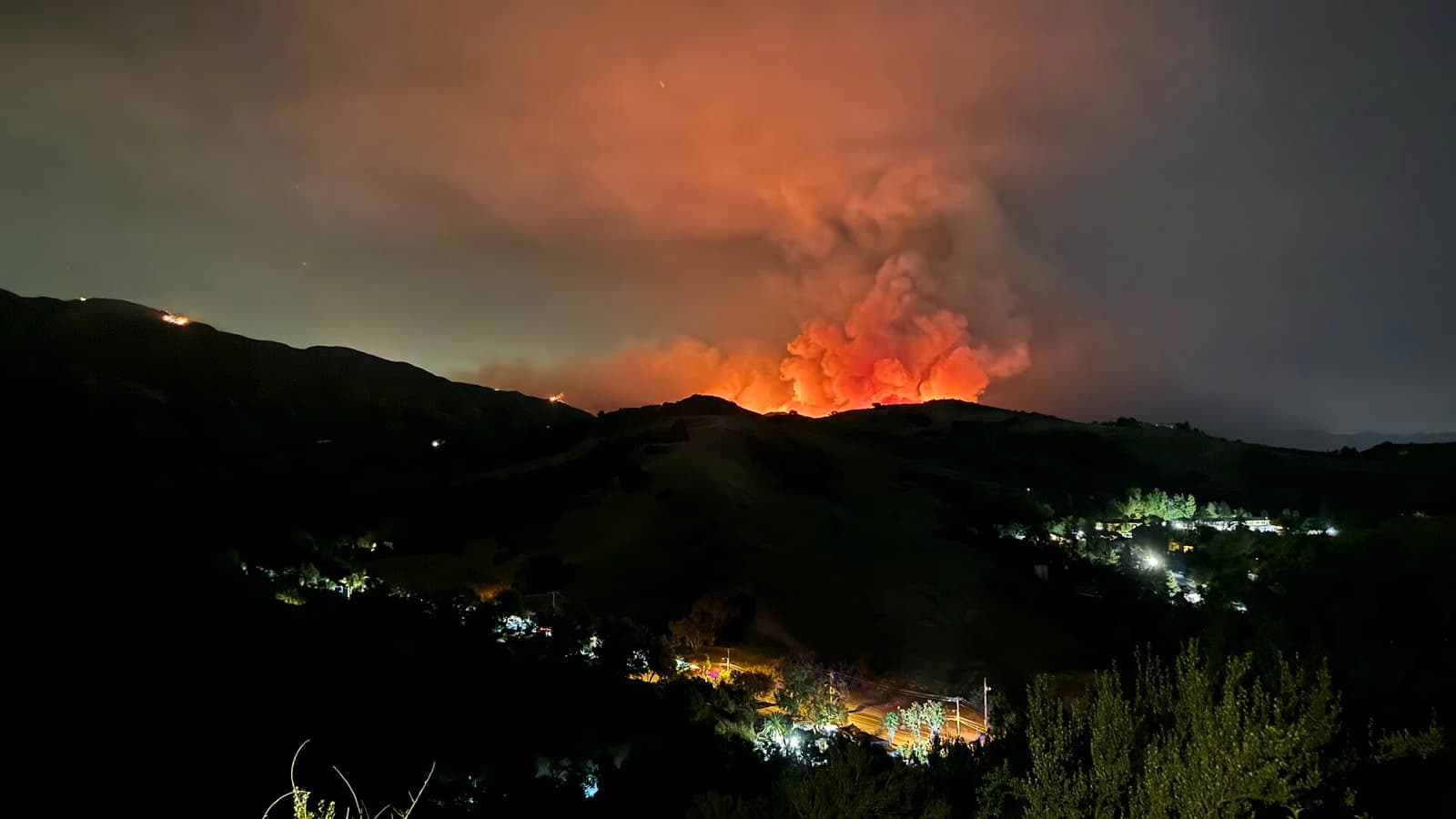
The agenda in Caracas includes meeting the urgent needs of those affected by the earthquakes on June 24, expanding political freedoms and creating a more stable and prosperous future for the Venezuelan people.
Background to the talks
The political transition talks began after a U.S. military operation in Caracas on January 3. It was reported that then-President Nicolas Maduro and his wife, Cilia Flores, were captured in the operation and taken to New York to face drug-trafficking charges.
Donald Trump said after the operation that the United States would help govern the country until power was transferred in a safe, appropriate and careful manner. Then-Vice President Delcy Rodriguez was sworn in as interim president before the National Assembly on January 5, two days after Maduro was captured.
The position of the 2015 National Assembly
Washington describes the 2015 National Assembly as Venezuela’s last internationally recognized institution elected through democratic means. Opposition politician Juan Guaido had previously presided over the assembly, declared himself interim president in 2019 and received U.S. support.
The United States called on all sides to support the initiative, which it said would deliver tangible results for the Venezuelan people.