A new public opinion survey in the United States shows that young Americans are far less likely than older generations to view China as a threat, marking one of the most pronounced generational divides in U.S. foreign policy.
According to the Ronald Reagan Institute Summer Poll, 93% of Americans aged 65 and older said they are concerned about China's ability to conduct espionage against the U.S., while only 62% of those aged 18-29 shared that concern.
Deep divide between young and old
The survey found that young Americans' perception of the China threat is significantly lower across several issues compared to older generations. The share of those worried about China's potential use of force against Taiwan stood at 56% among young people and 86% among the elderly.
A similar gap was seen on technology theft (61% vs. 91%), land purchases in the U.S. (68% vs. 93%), and China's role in the flow of fentanyl to the U.S. (68% vs. 92%).
National concern remains high
Despite the generational divide, concern about China remains high at the national level. More than 80% of Americans are worried about China's role in the fentanyl flow, its ability to surveil the U.S., and its land purchases in the country. Additionally, 66% of respondents believe Taiwan's security is important to the U.S.
The findings come at a time when Washington and Beijing are trying to stabilize one of the world's most critical relationships after years of escalating economic and military tensions.
Trump-Xi summit and new dialogue process
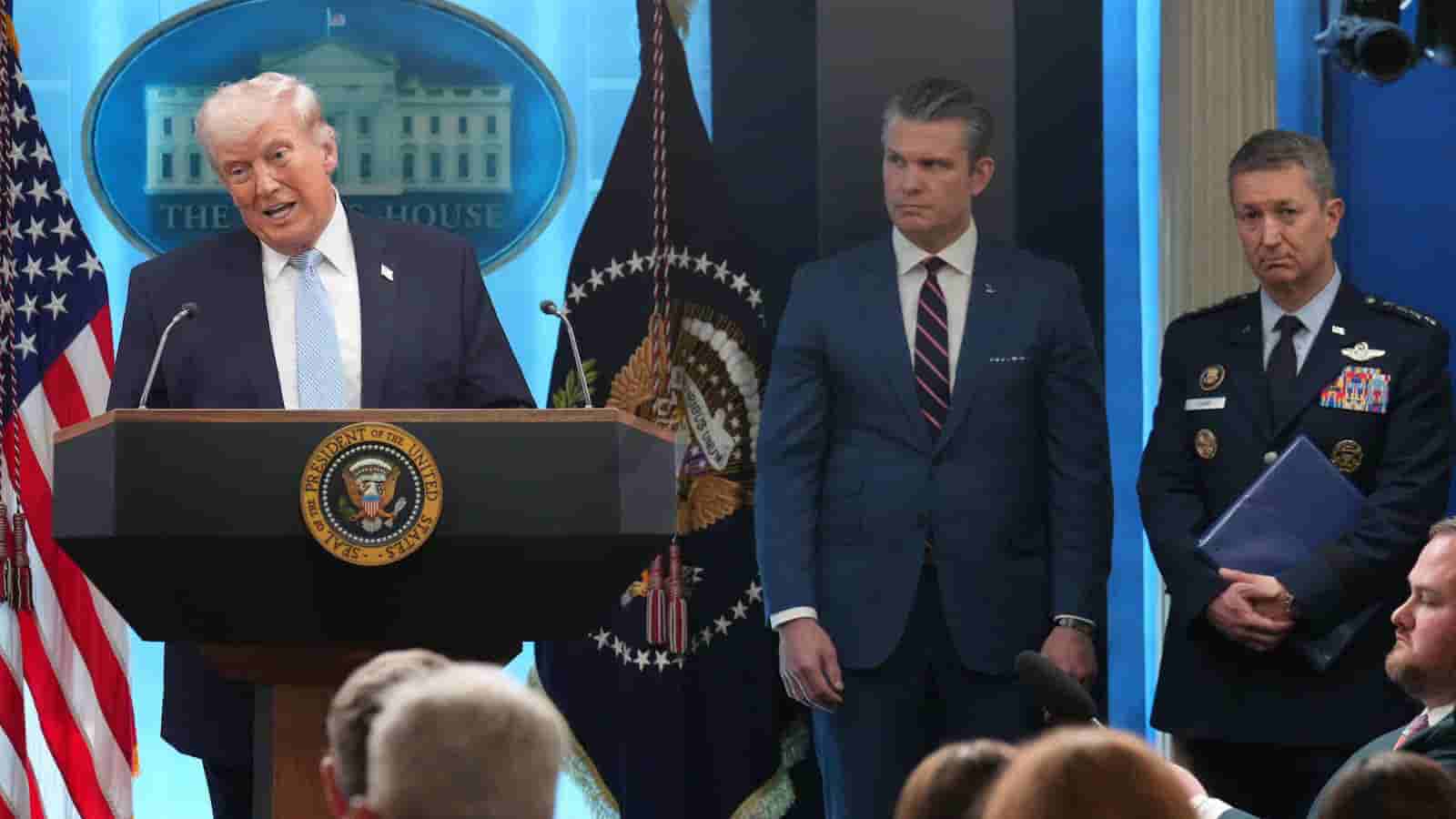
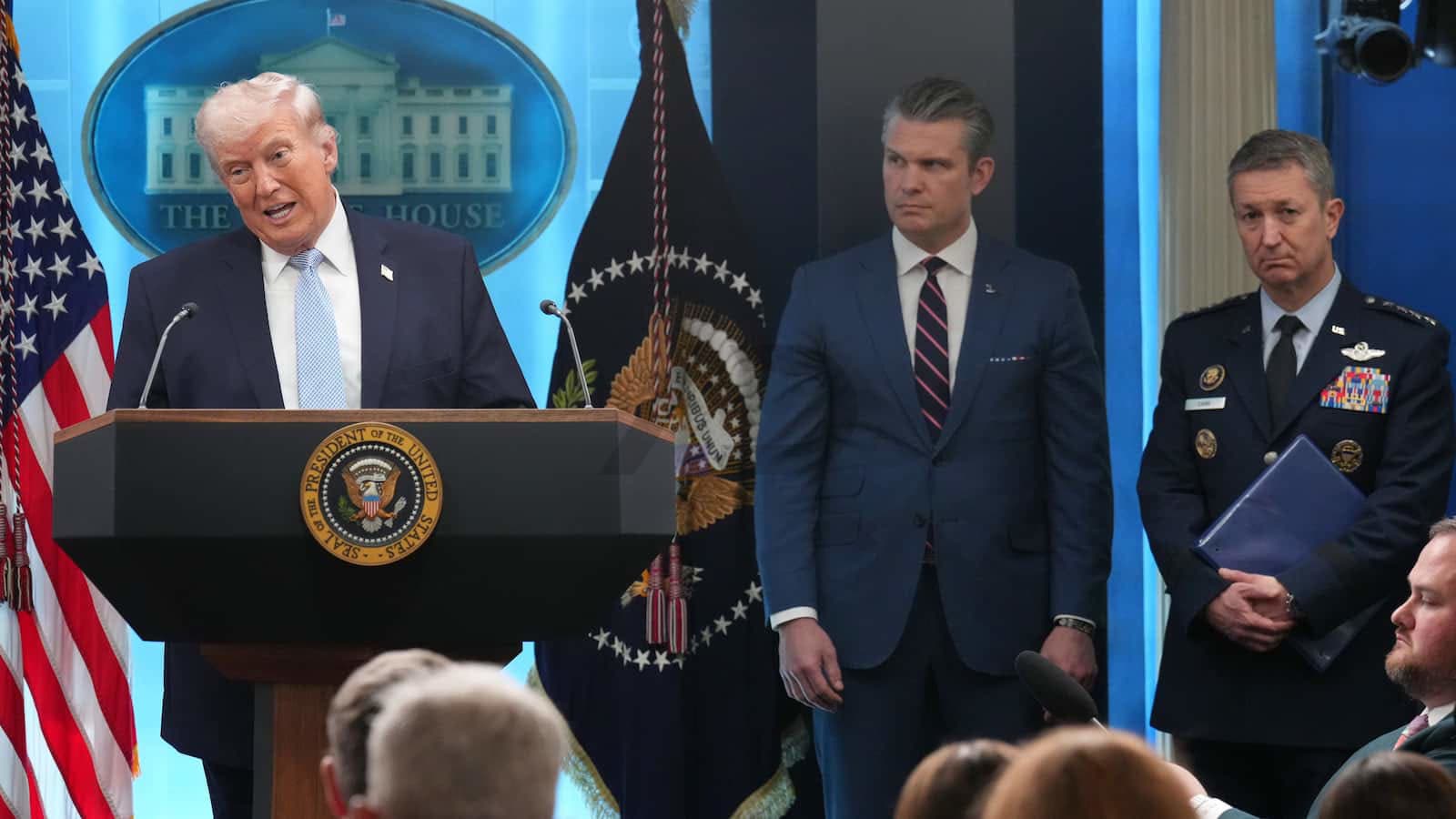
President Donald Trump, after imposing triple-digit tariffs on China at the start of his administration, met with Chinese President Xi Jinping in May and announced a series of trade and investment agreements along with a commitment to continue dialogue. Trump described Xi as a "great leader" and China as a "great country" in his remarks to reporters after the summit.
The survey reveals that young Americans view the U.S.'s main geopolitical rival through a markedly different lens than older generations, raising questions about how public attitudes may evolve as the share of young voters in the electorate grows.
Partisan divide also deepening
The poll also found significant partisan shifts on the U.S.'s role in the world. 71% of Republicans said the U.S. should take a leading role internationally, compared to 55% of Democrats. Overall, 61% of Americans favored greater global engagement.
Support for greater U.S. engagement among Democrats fell from 65% last year to 55%, while Republican support rose from 69% to 71%. According to the poll, 43% of Democrats now believe U.S. intervention in the world is harmful, up from 22% a year ago.
The survey was conducted among 1,555 U.S. adults from May 26 to June 3, with a margin of error of plus or minus 2.5 percentage points.