- BIST10011,722-2.89%
- USD49.45+0.05%
- EUR55.62+0.37%
- GOLD4,181.10+0.26%
- INTEREST37.00%-1.00
- BITCOIN81,006-0.46%
- October 18, 202615°
- BIST10011,722-2.89%
- USD49.45+0.05%
- EUR55.62+0.37%
- GOLD4,181.10+0.26%
- INTEREST37.00%-1.00
- BITCOIN81,006-0.46%
- October 18, 202615°
After France, Italy reels from cost-of-living riots as protests sweep Europe
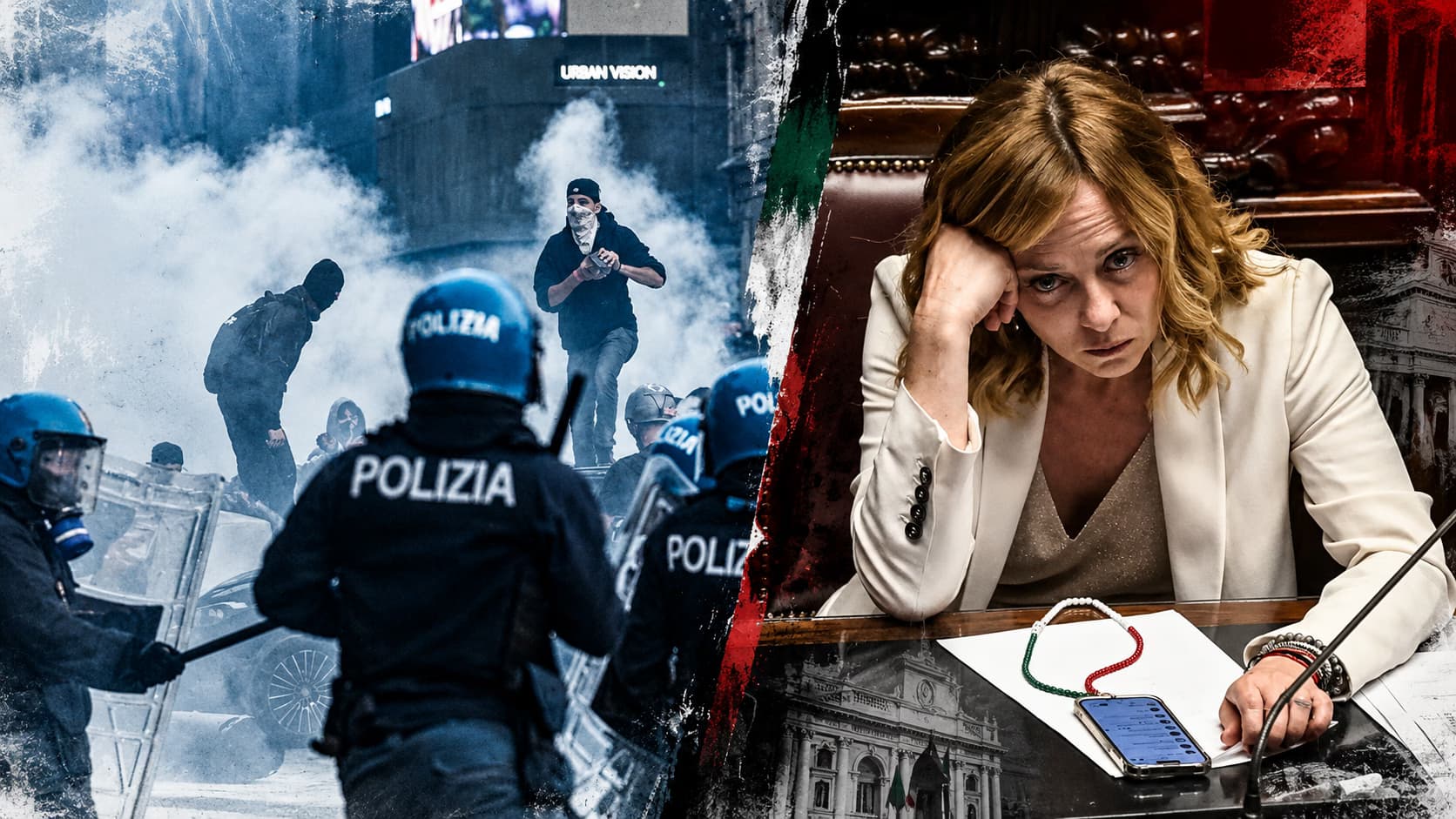
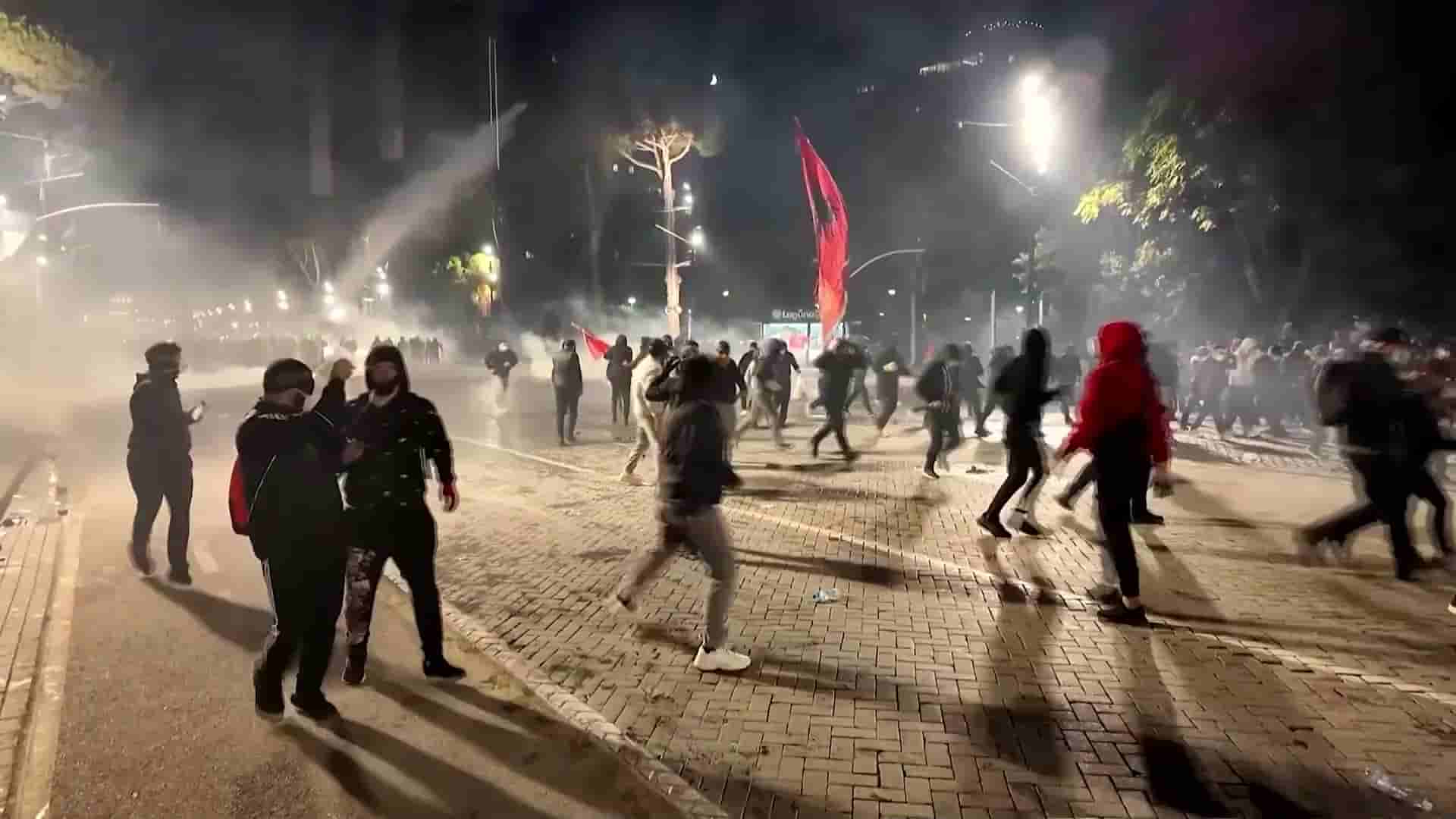
Italian authorities say 28 people were arrested after cost-of-living protests turned violent in Milan, Turin and Bologna, with 104 officers treated in Milan hospitals alone. Prime Minister Meloni condemned the violence as similar unrest hit France, Belgium and Portugal.
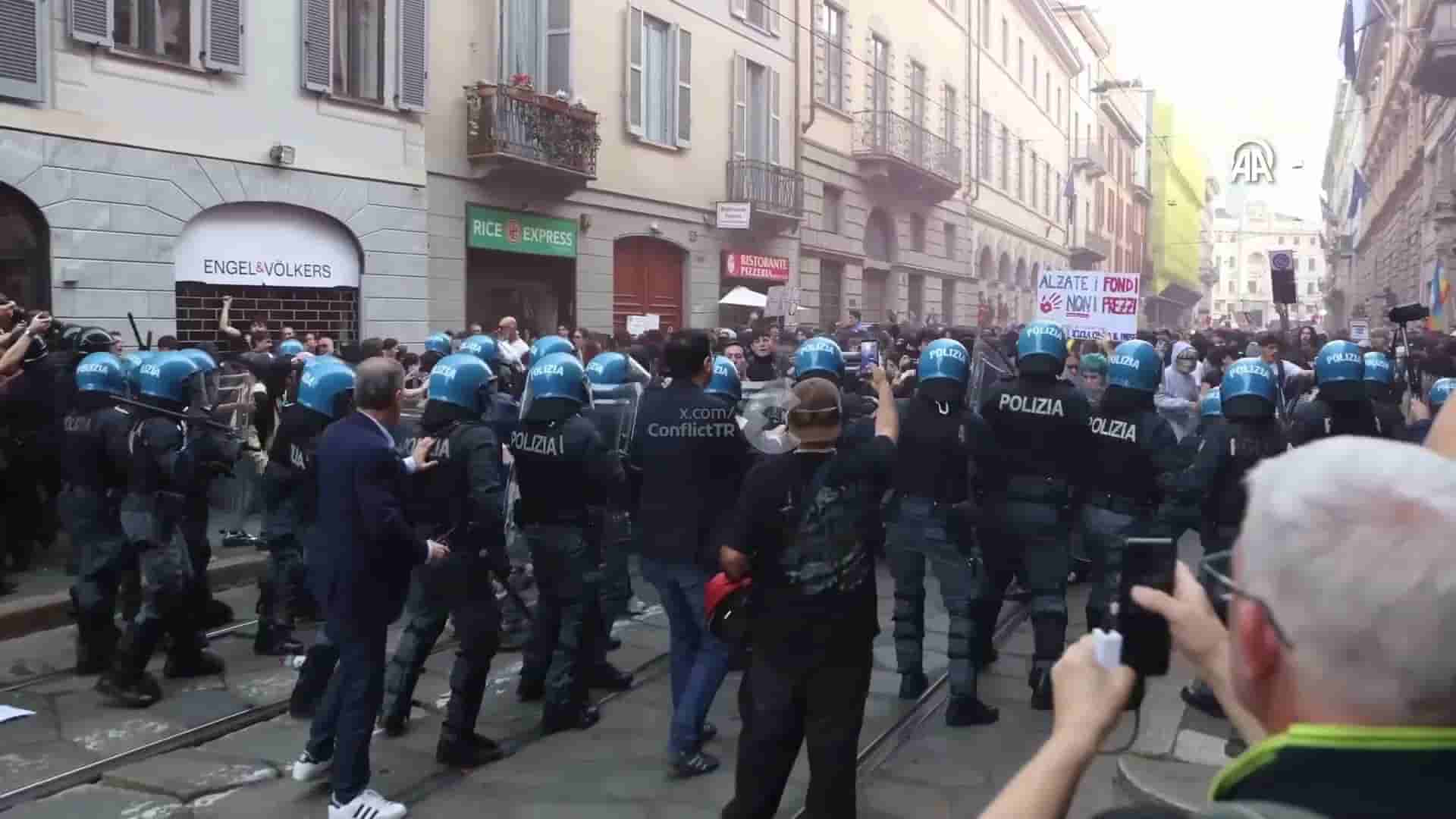
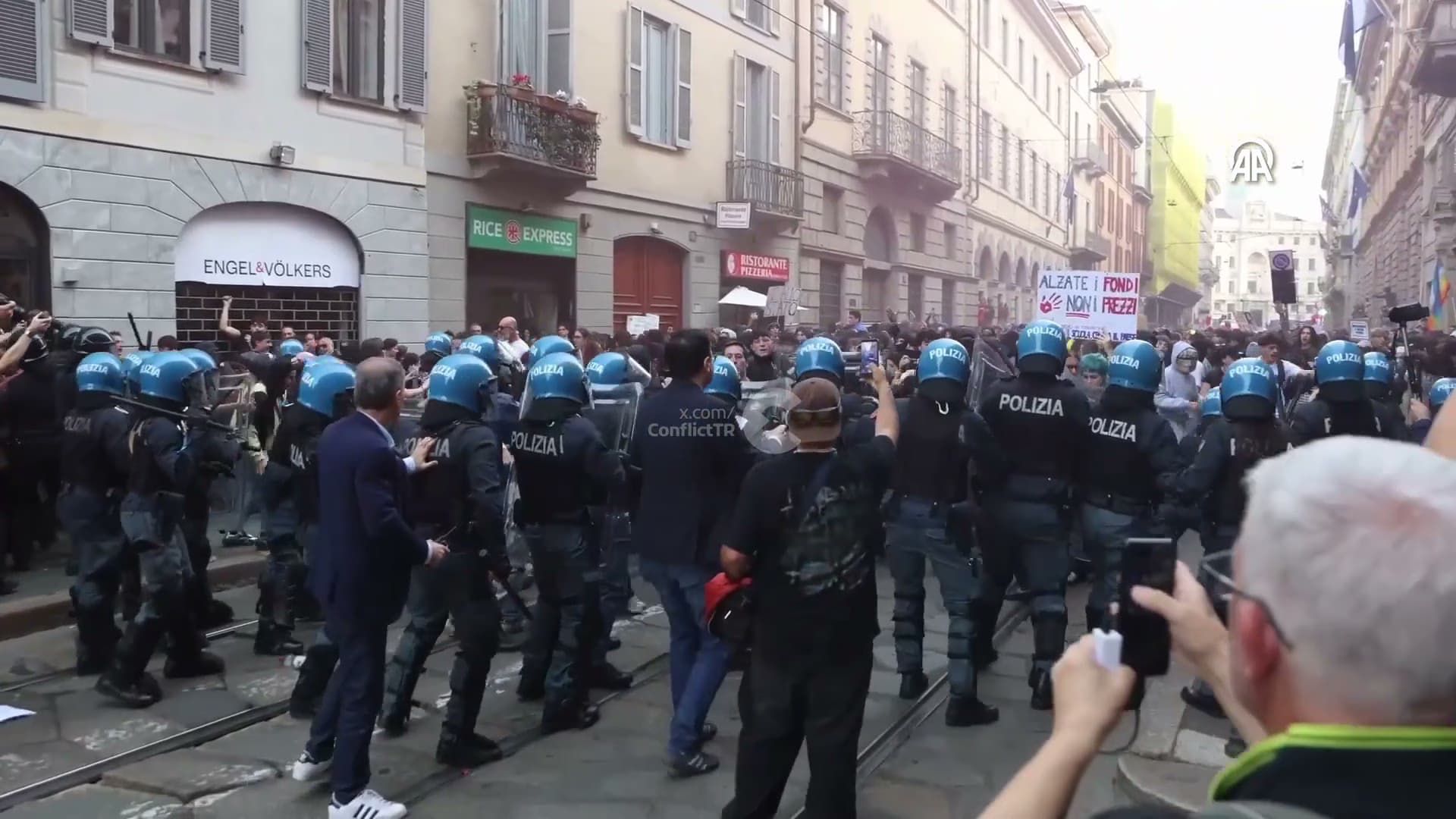
Italy is counting the damage after cost-of-living protests that followed those in France turned into street battles in several cities. Official figures reported by Sky TG24 show 197 people identified and 28 arrested nationwide, while 43 were referred to prosecutors.
The marches were called by “Italia in Piazza,” a network that mobilized largely through Instagram, against the cost of living, fuel prices and taxes. In Milan, Turin and Bologna, however, they quickly turned into clashes with riot police.
Milan: shop windows smashed, police car torched
Milan saw the worst of it. Of about 5,000 marchers, 72 were taken to police headquarters and 17 arrested, nine of them minors, and 104 officers were treated in city hospitals. Rioters smashed a Foot Locker store and set a Carabinieri car alight, causing more than half a million euros in damage, according to Confcommercio.
Police officers were filmed tending to a man with a head injury during the scuffles.
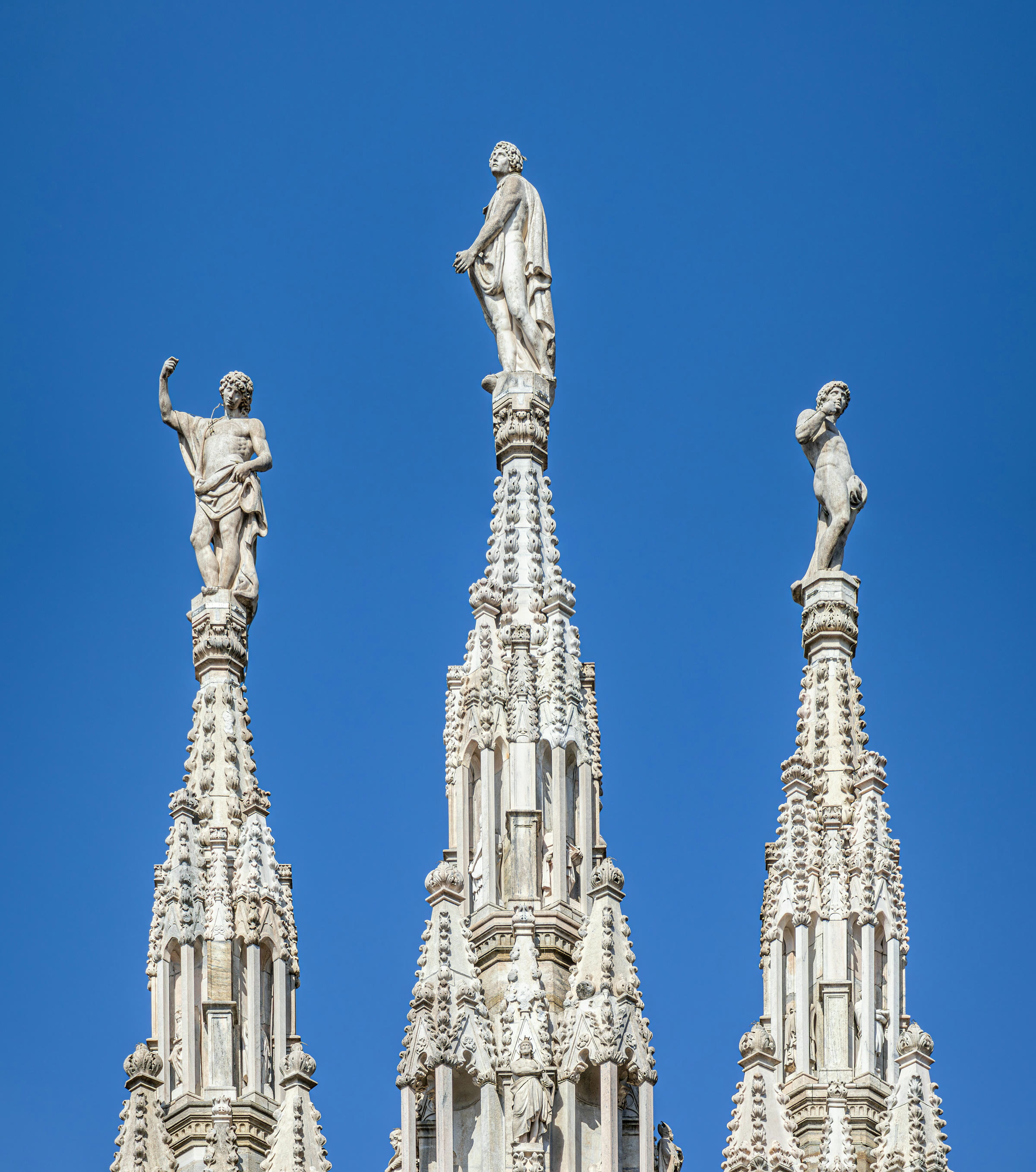
Some of the tensest scenes unfolded in Piazza del Duomo, in front of Milan’s cathedral.
Bookstore stormed in Turin, officers hurt in Bologna
In Turin, protesters ransacked the Feltrinelli bookstore at Porta Nuova station, and three youths were caught with incendiary bottles. In Bologna, 38 police officers and six Carabinieri were hurt in clashes near the station, and five minors were arrested. Police also faced stones and firecrackers in Bergamo and Brescia.
Rome blames the rioters
“Demonstrating is a right. Setting our cities ablaze is not,” Prime Minister Giorgia Meloni said, calling on the opposition not to be ambiguous. Deputy Prime Minister Matteo Salvini wants organizers to post a financial guarantee, while Bologna Mayor Matteo Lepore said that “whoever uses violence discredits, first of all, the reasons of those who protest.”
According to police, the rioters were mostly young people who arrived in small, self-organized groups from the suburbs and other provinces, many of them minors. Palestinian flags were also seen in the crowds.
A continent on edge
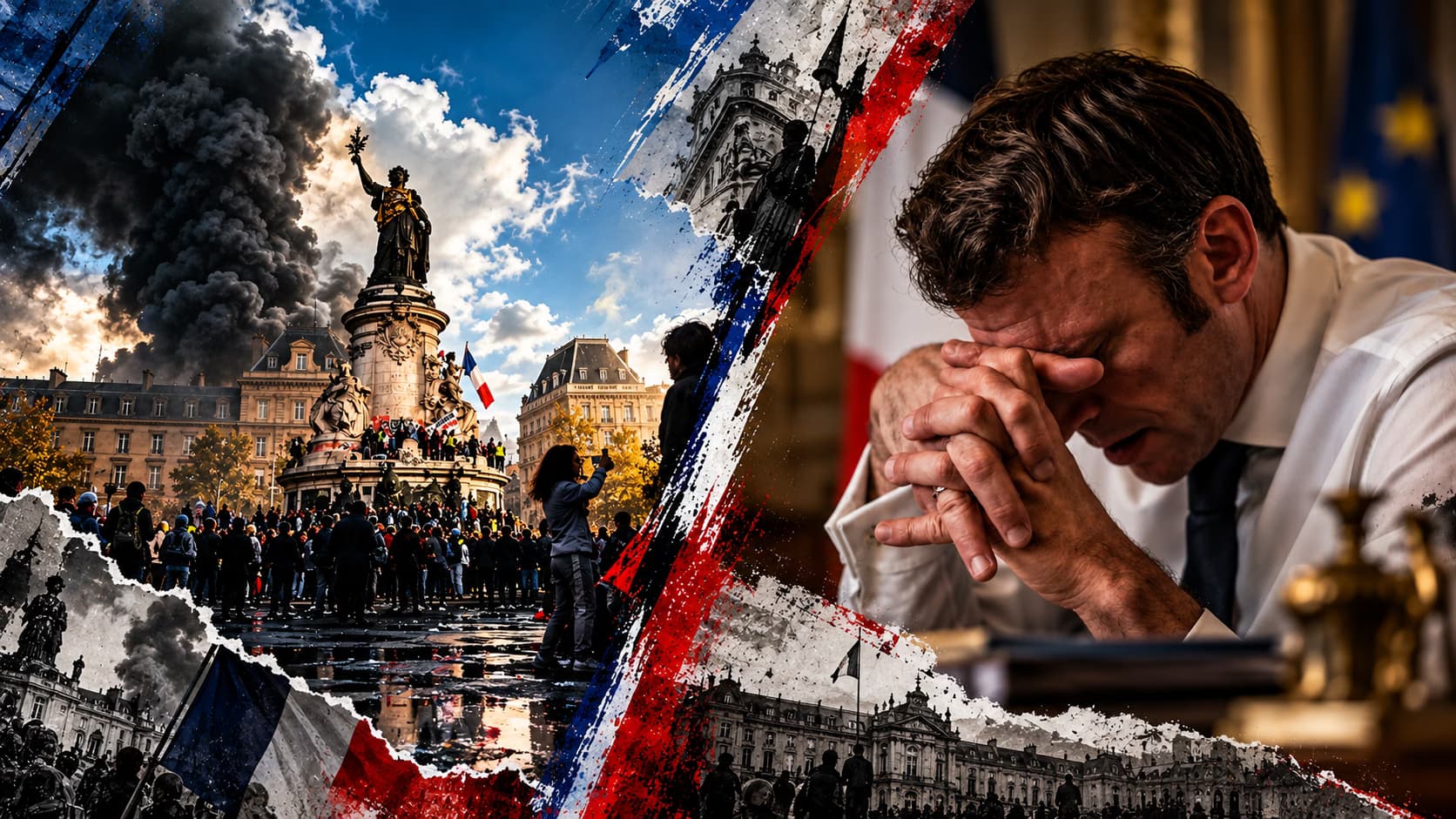
The unrest is part of a wider European wave. Belgian police used tear gas and water cannon in Brussels and Liège, and tens of thousands of people marched in Portugal over wages and housing, as France braced for a possible state of emergency.
Have a story, event or announcement of your own?Send us your news on WhatsApp
Spotted an error in this story?Report it on WhatsApp
Share on all social platforms
Sponsored Ads
Featured Listings
Loading featured properties...
Stay Updated with Ally Daily
Subscribe to be informed about special news, developments and announcements. We will keep you informed.
By signing up, you agree to our Privacy Policy