Data center construction accelerated by AI investments has triggered environmental and quality-of-life debates in some U.S. communities. People living near the facilities say water pressure has fallen, plants have dried up and muddy brown water has started flowing from their taps.
Four Georgia families sue Meta
In Georgia, four families, including Beverly and Jeff Morris, who live less than 30 meters from Meta's Stanton Springs data center, sued the technology company in August. The families argue that their wells developed sediment after construction began, water pressure declined and their tap water became undrinkable.
The plaintiffs claim that extensive tree clearing and excavation damaged the aquifer that stores groundwater, allowing silt and sediment to enter the wells. Meta argues, based on a hydrogeological study, that the data center was unlikely to have caused these problems and says it does not use groundwater in its operations.
Water and noise complaints accompany construction in Virginia
Complaints have also emerged in Louisa County, Virginia, about an Amazon-owned data center located approximately 800 kilometers north of Georgia. Austin Newsom, who lives across from the facility, says his tap water turned brown shortly after construction began in March 2025.
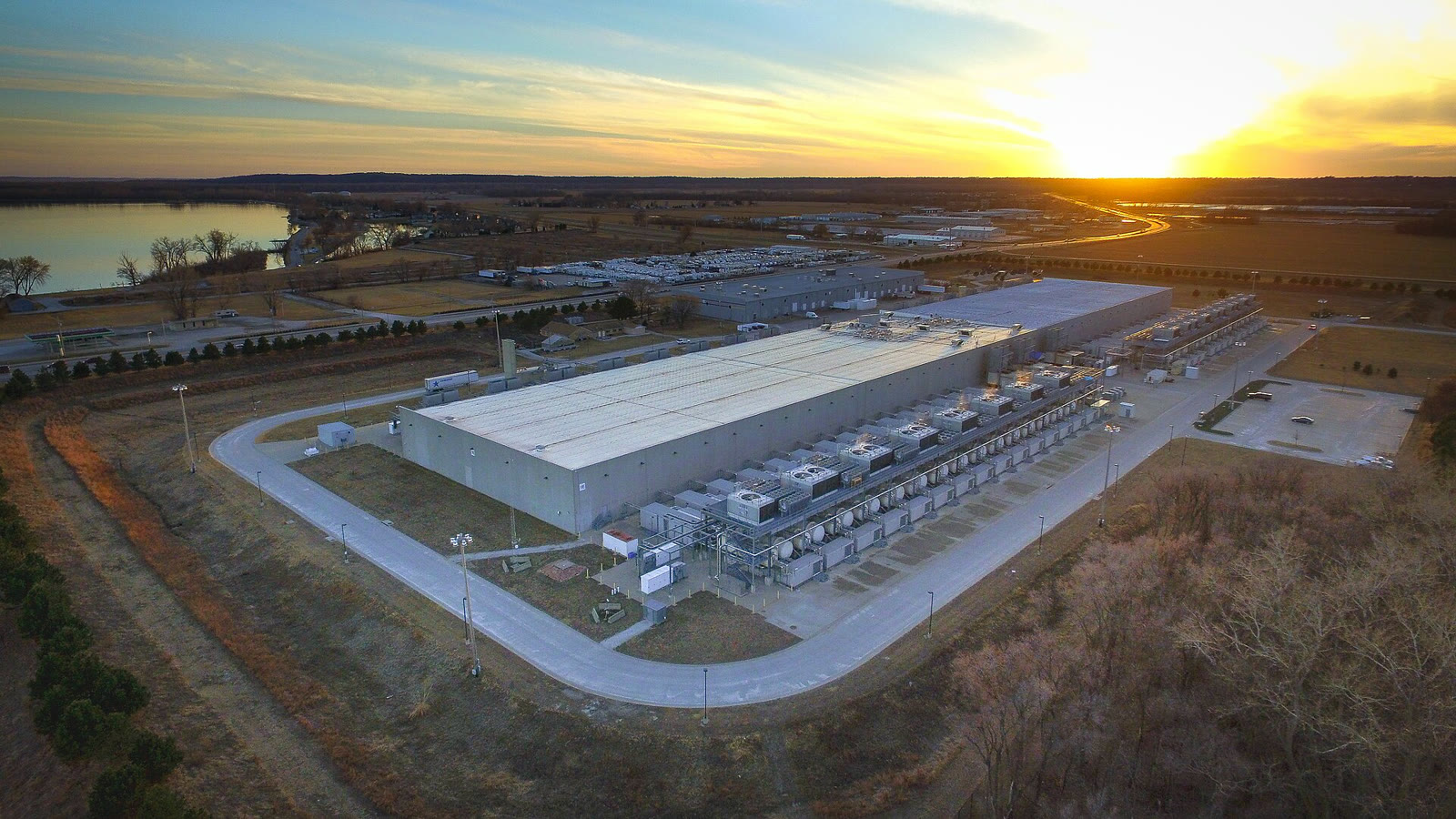
Newsom says heavy machinery and excavation equipment caused strong vibrations in his home and cracks in the walls. He also says the facility has frequently caused flooding on roads, intrusive light pollution and nonstop industrial noise, disrupting his quality of life.
Energy consumption raises concerns about bees
A recent report from the University of Sydney assessed that data centers' energy use and carbon emissions could drive up global temperatures. The report says that even a limited increase in hot days could disrupt bees' reproductive cycles and reduce sperm quality.
The report estimates that these effects could lead to the loss of 14.1 million bees each year. As a result, the impact of AI infrastructure is being examined not only in terms of local water and noise complaints but also energy consumption, carbon emissions and ecosystems.
Proposal to move data centers into orbit
Slava G. Turyshev, a researcher at NASA's Jet Propulsion Laboratory, said global electricity demand is expected to nearly double over the next five years. Turyshev said more facilities operating on different fuel types would need to be built, adding that opposition to constructing large computer warehouses in neighborhoods had brought the idea of moving data centers into space to the fore.
Turyshev said moving data center infrastructure into Earth's orbit is being seriously considered as a way to protect the environment. At the same time, orbital facilities could create new environmental and operational problems.
Clayton Swope, deputy director of the Aerospace Security Project at the Center for Strategic and International Studies, said environmental protection was one of the main rationales for space-based data centers. Swope warned that traffic coordination and space debris issues involving thousands of satellites in orbit could take on a different dimension with these facilities.
Swope pointed to the possibility of a collision in space, a nonfunctional spacecraft turning into debris or a malfunction on a satellite generating new fragments. Swope said the problems could grow if thousands or millions of new satellites were launched, and noted that SpaceX has proposed a constellation of 1 million satellites for AI computing in orbit.