- BIST10010,919-2.68%
- USD49.63+0.05%
- EUR55.70+0.05%
- GOLD4,037.30-0.57%
- INTEREST36.00%-1.00
- BITCOIN81,510+0.24%
- October 23, 20268°
- BIST10010,919-2.68%
- USD49.63+0.05%
- EUR55.70+0.05%
- GOLD4,037.30-0.57%
- INTEREST36.00%-1.00
- BITCOIN81,510+0.24%
- October 23, 20268°
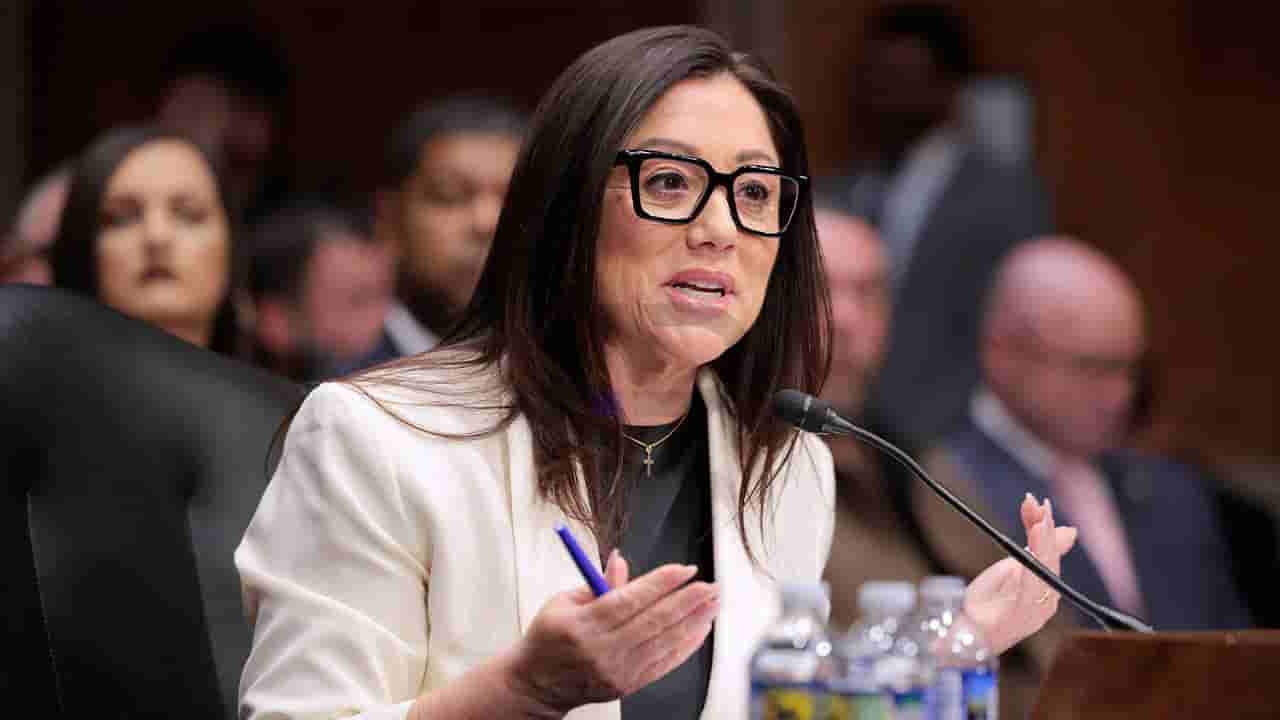
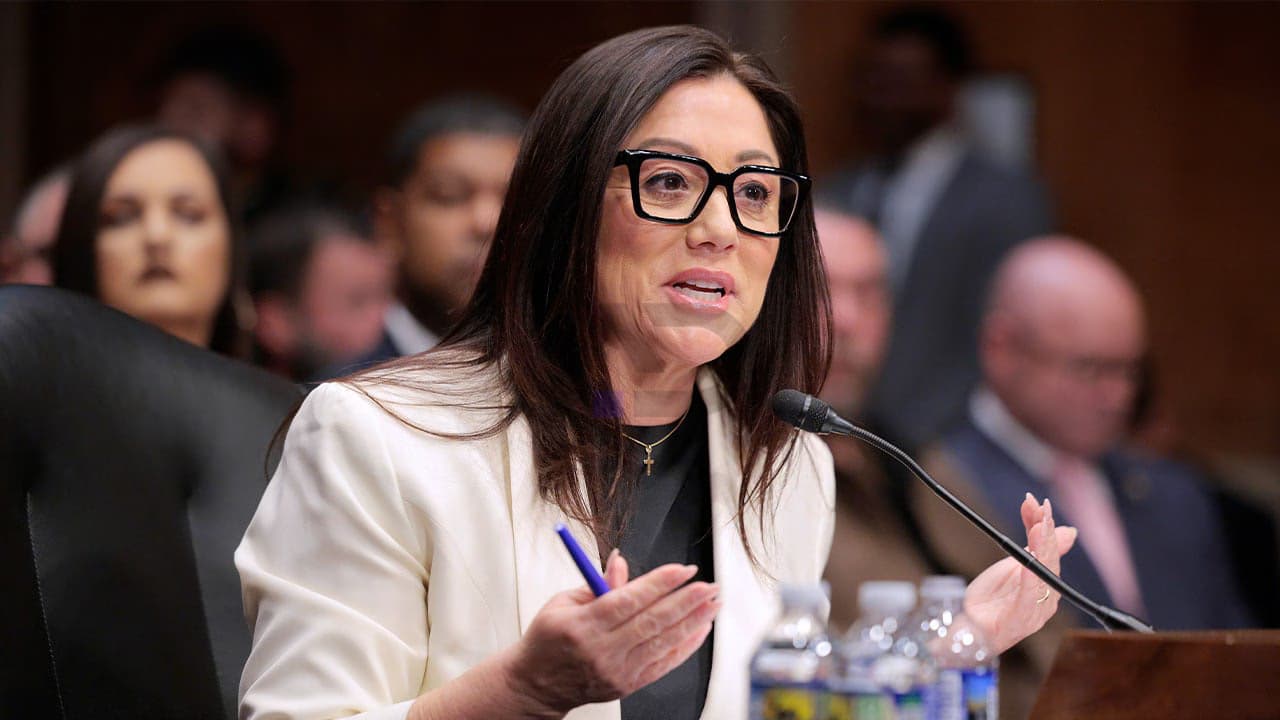
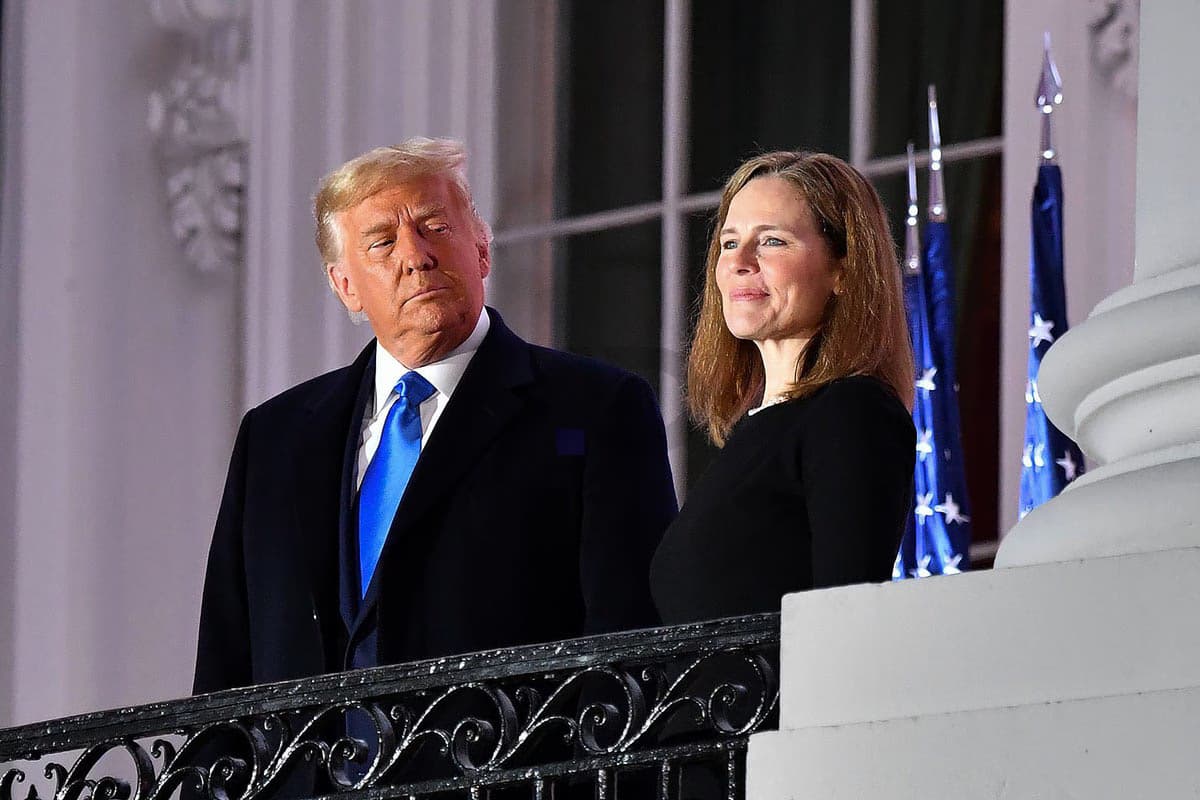
Amy Coney Barrett Weakened the Birthright Citizenship Case at the Supreme Court
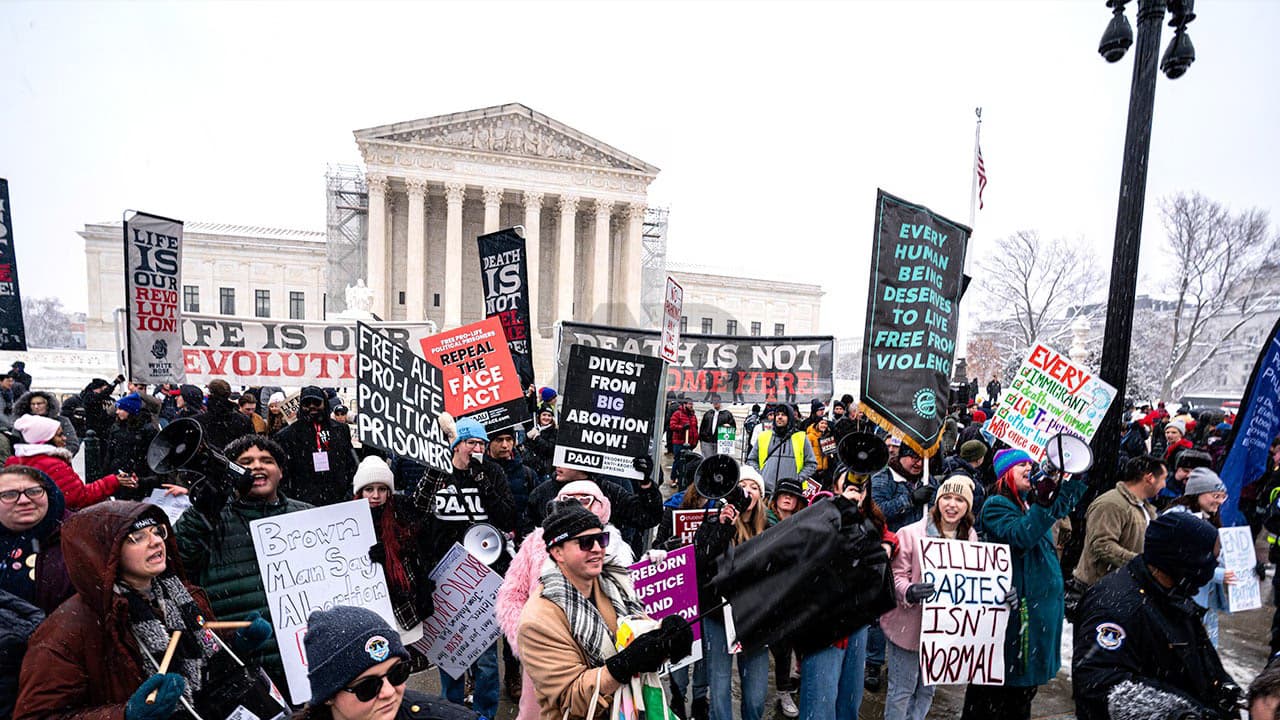
In debates at the U.S. Supreme Court, Judge Amy Coney Barrett questioned government arguments aimed at limiting birthright citizenship with effective questions. Barrett highlighted the purpose of the 14th Amendment, exposing inconsistencies in theories seeking to restrict immigrants' citizenship rights.

Stay Updated with Ally Daily
Subscribe to be informed about special news, developments and announcements. We will keep you informed.
By signing up, you agree to our Privacy Policy