- BIST10011,722-2.89%
- USD49.45+0.05%
- EUR55.62+0.37%
- GOLD4,181.10+0.26%
- INTEREST37.00%-1.00
- BITCOIN81,579+0.09%
- October 17, 202612°
- BIST10011,722-2.89%
- USD49.45+0.05%
- EUR55.62+0.37%
- GOLD4,181.10+0.26%
- INTEREST37.00%-1.00
- BITCOIN81,579+0.09%
- October 17, 202612°
Andy Burnham becomes UK prime minister as Labour leader
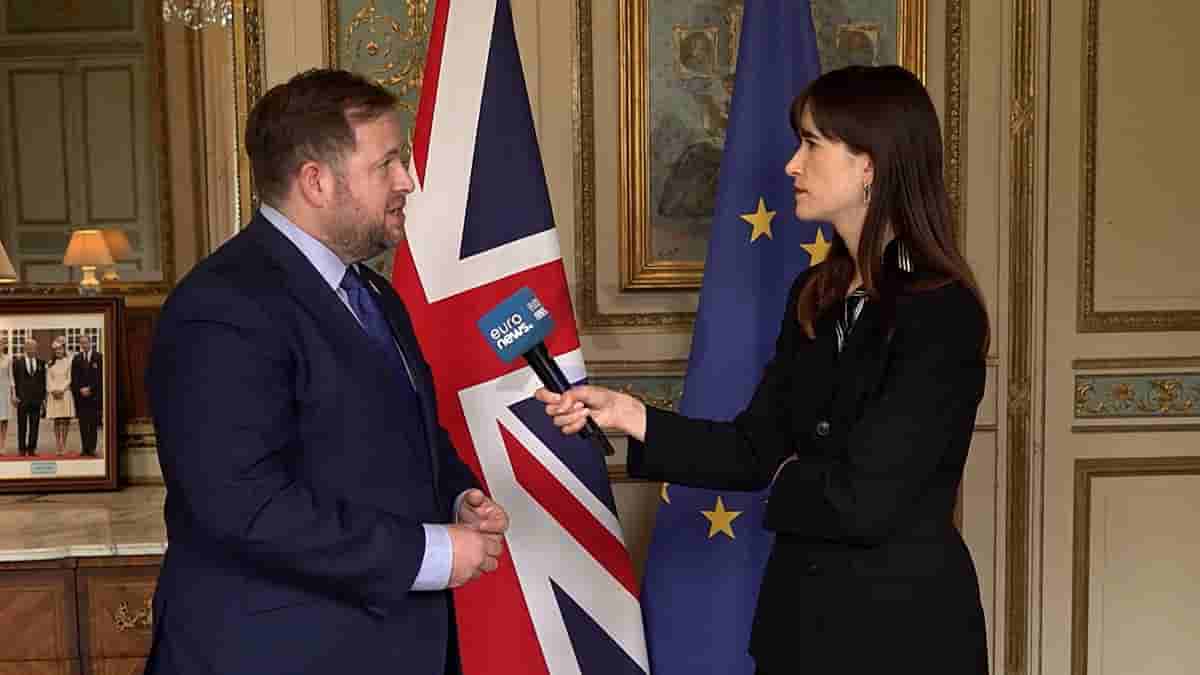
Andy Burnham won the Labour leadership after Keir Starmer's resignation and will take over as prime minister on Monday at the invitation of King Charles III. Burnham is launching a new era that could also affect relations with the US.


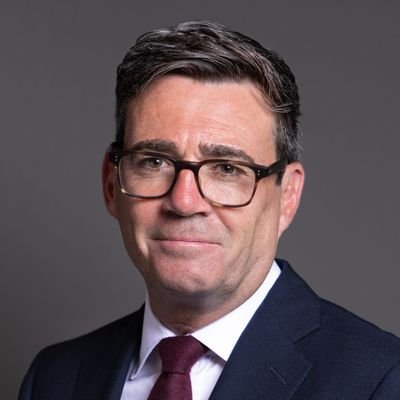
The UK will meet a new prime minister on Monday. Andy Burnham, nicknamed the 'King of the North', will officially take office after being elected the new leader of the Labour Party and accepting King Charles III's invitation to form a government.
The 56-year-old Burnham previously served as a minister in several Labour governments, and in 2017 left Westminster to become the mayor of Greater Manchester. He gained popularity during the COVID-19 pandemic for his strong advocacy for northern England and his regional investment campaigns.
The premiership process begins
Burnham is expected to become prime minister after his meeting with King Charles on Monday. After Keir Starmer submits his resignation at Buckingham Palace, Burnham will go to 10 Downing Street to deliver his first speech and begin appointing his cabinet. Unlike the lengthy presidential transitions in the US, this process in the UK is completed in just a few hours.
First actions and challenges
Burnham will form his cabinet as soon as he takes office. He will fill key positions such as the Treasury, foreign, and home secretaries. According to press reports, one of his first major decisions could be to place the troubled water company Thames Water into a Special Administration Regime. This step would temporarily bring the company under public control.
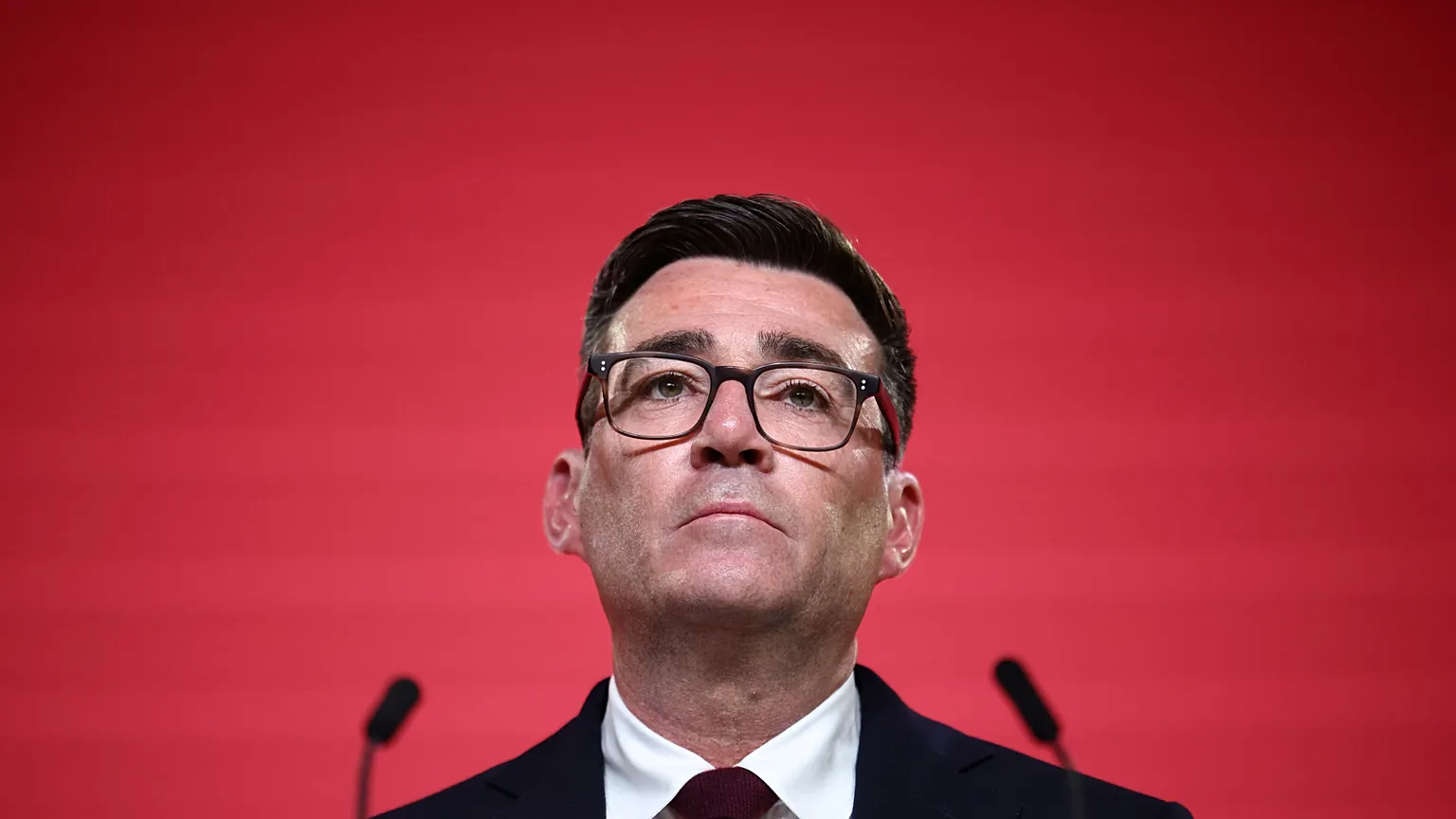
In his first speech as leader, Burnham said he would chart a 'new path' for the UK. He stated that his government would focus on making life more affordable and reducing regional inequalities. 'This change is the most significant moment in our politics in 40 years,' he said.
Why no general election?
The British parliamentary system allows the ruling party to change its leader without a general election. Since the Labour Party holds a majority in the House of Commons, its new leader automatically becomes prime minister. The next general election will not be held until 2029.
Keir Starmer had announced on June 22 that he would resign as Labour leader after less than two years. His premiership had come under increasing pressure following a series of controversies, including his appointment of Peter Mandelson, who had close ties to the late sex offender Jeffrey Epstein, as the UK's ambassador to the US. This pressure intensified after the party suffered heavy losses in the May local elections.
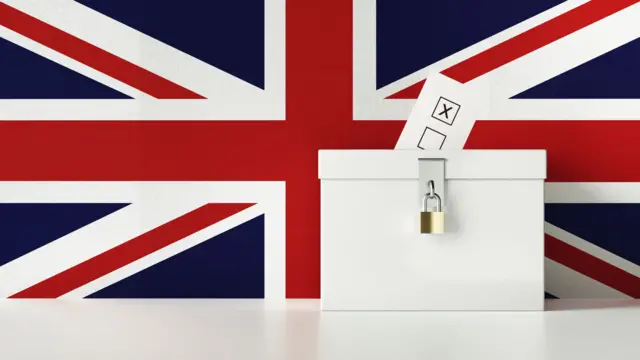
When Burnham returned to Parliament after winning a by-election, many Labour MPs rallied around him as Starmer's successor. According to party rules, a candidate needed the support of at least one-fifth of MPs to enter the leadership race. Burnham easily surpassed this threshold and, with no other candidates emerging, was elected unopposed.
Stay Updated with Ally Daily
Subscribe to be informed about special news, developments and announcements. We will keep you informed.
By signing up, you agree to our Privacy Policy