- BIST10010,977+2.18%
- USD50.70+0.04%
- EUR55.61+0.02%
- GOLD3,668.50+2.91%
- INTEREST36.00%-1.00
- BITCOIN59,689-0.30%
- November 28, 20265°
- BIST10010,977+2.18%
- USD50.70+0.04%
- EUR55.61+0.02%
- GOLD3,668.50+2.91%
- INTEREST36.00%-1.00
- BITCOIN59,689-0.30%
- November 28, 20265°
Army blows up nation's entire lead azide stockpile in Iowa, says no toxic dust spread
The U.S. Army detonated about 5 tons of degraded lead azide at the Iowa Army Ammunition Plant on Wednesday, and early EPA monitoring detected no lead in the air, though experts say lab tests are still needed.
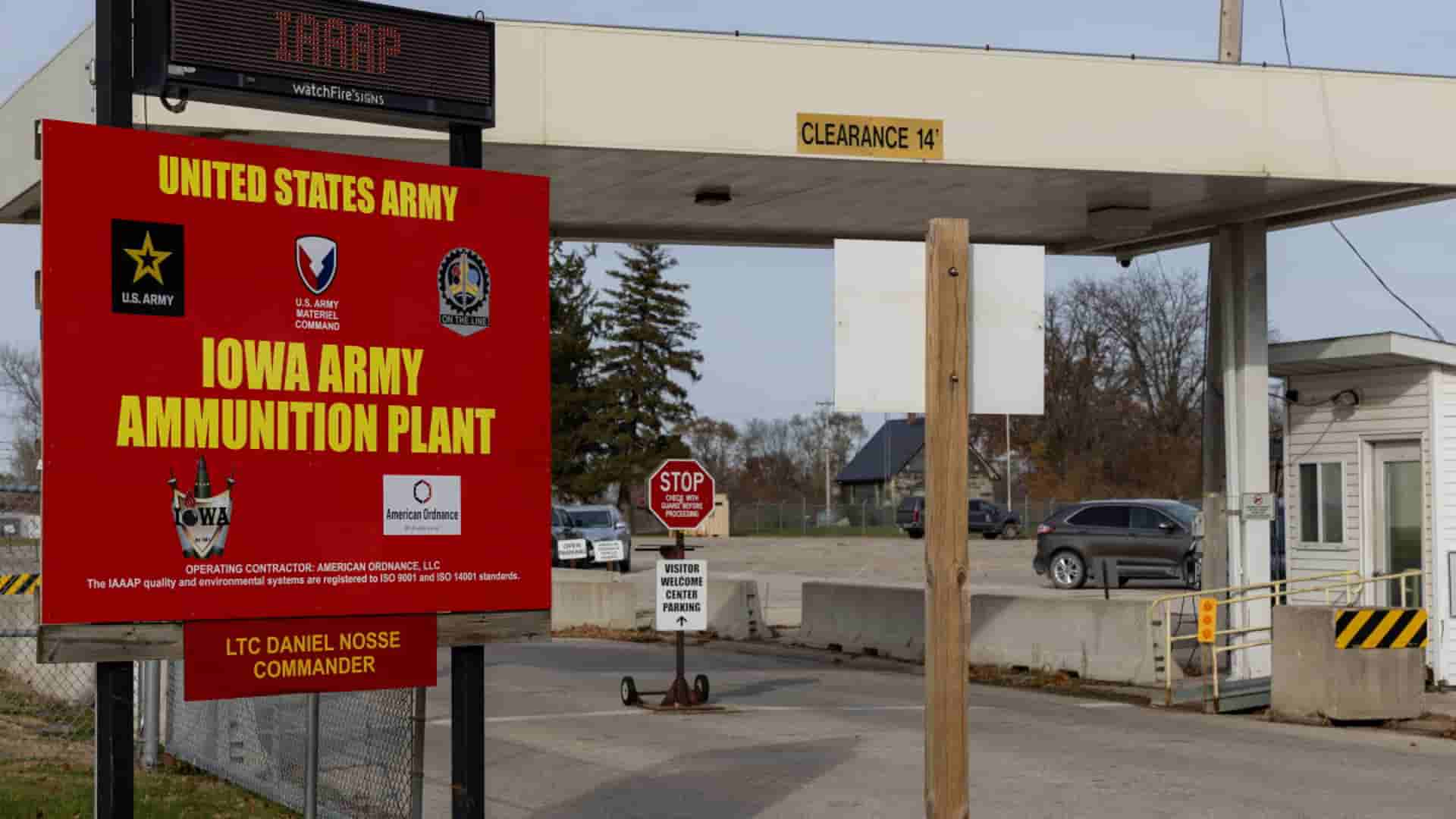
The U.S. Army on Wednesday blew up the nation's entire stockpile of lead azide, a chemical used to make explosives, at the Iowa Army Ammunition Plant in Middletown, saying early checks showed the controlled detonation did not spread toxic dust to nearby homes and farms.
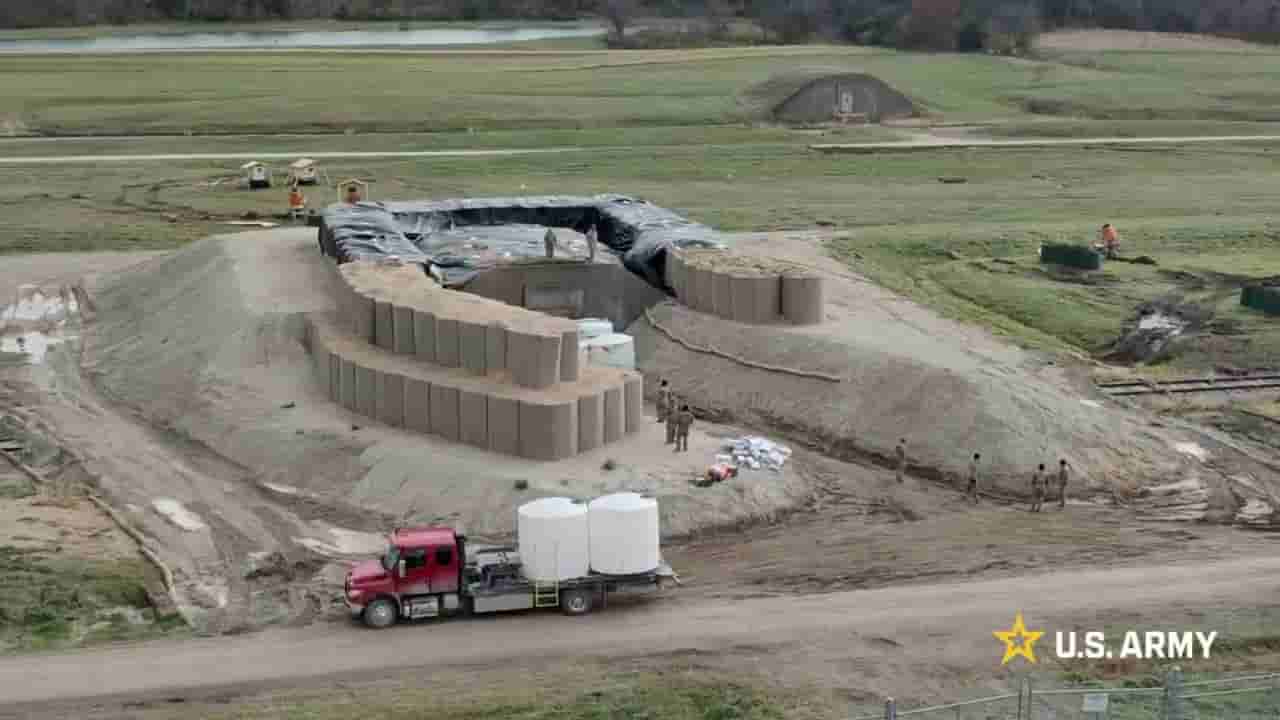
Officials said the roughly 5 tons of degraded material, stored in 68 barrels, was at risk of exploding uncontrollably as temperatures dropped. Two controlled blasts around 9 a.m. local time destroyed all the barrels without secondary explosions, according to Maj. Gen. Eric Shirley, who led the operation and said the risk was reduced "as close to zero as it's absolutely humanly possible."
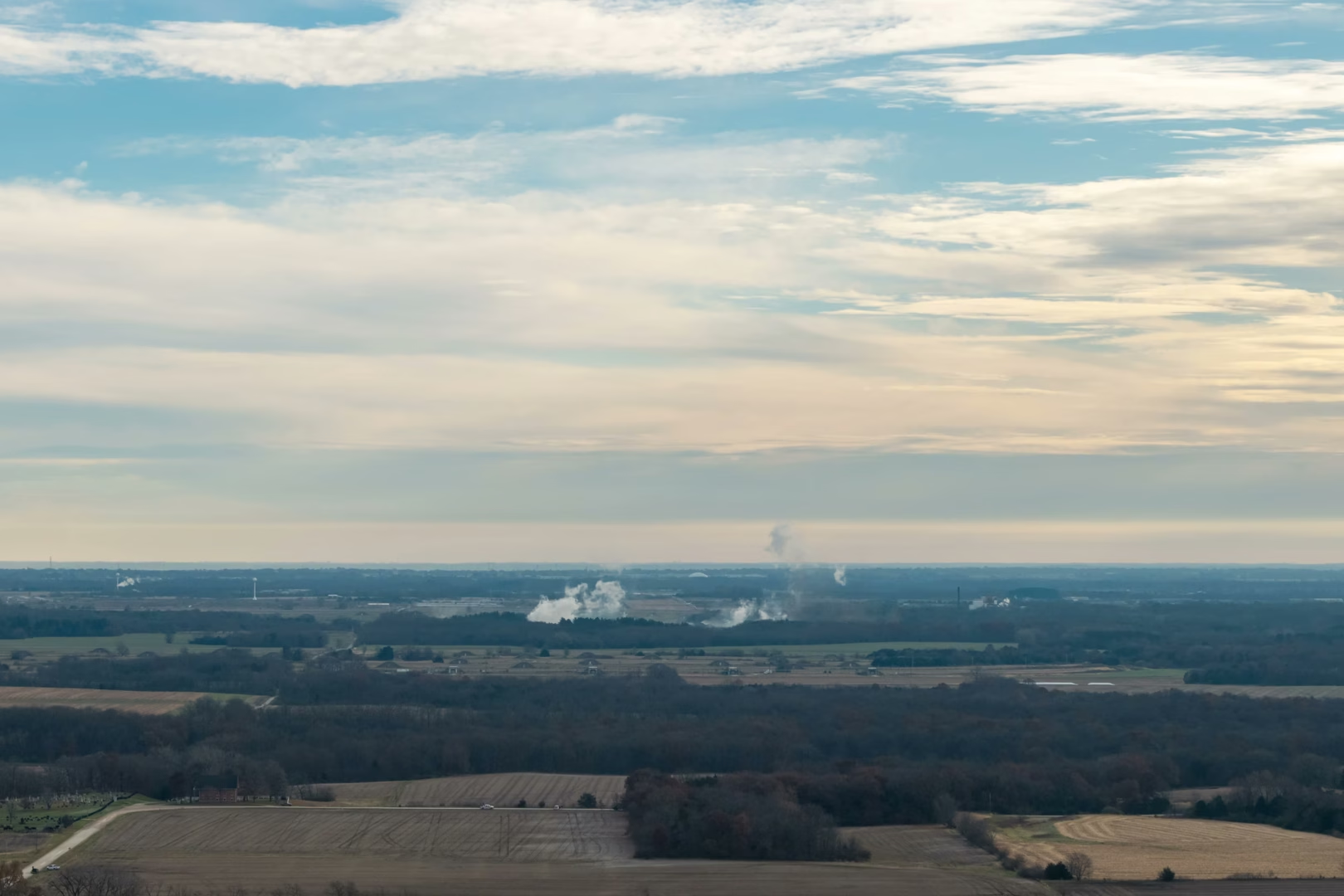
No lead detected in the air so far
U.S. Environmental Protection Agency air monitors detected no lead around the plant after the blasts. Earthen barriers two stories high, ballistic gels, foam and water poured onto the two bunkers appeared to absorb much of the blast, officials said. President Donald Trump said the Army did a "great job," and the governors of Iowa and Missouri also called the operation a success.
Experts cautioned that lab results are still needed. Andrew Whelton, an environmental engineering professor at Purdue University, said testing could take days to weeks, and water utilities along the Mississippi and Missouri rivers plan periodic checks for lead, which is especially dangerous to children and pregnant women.
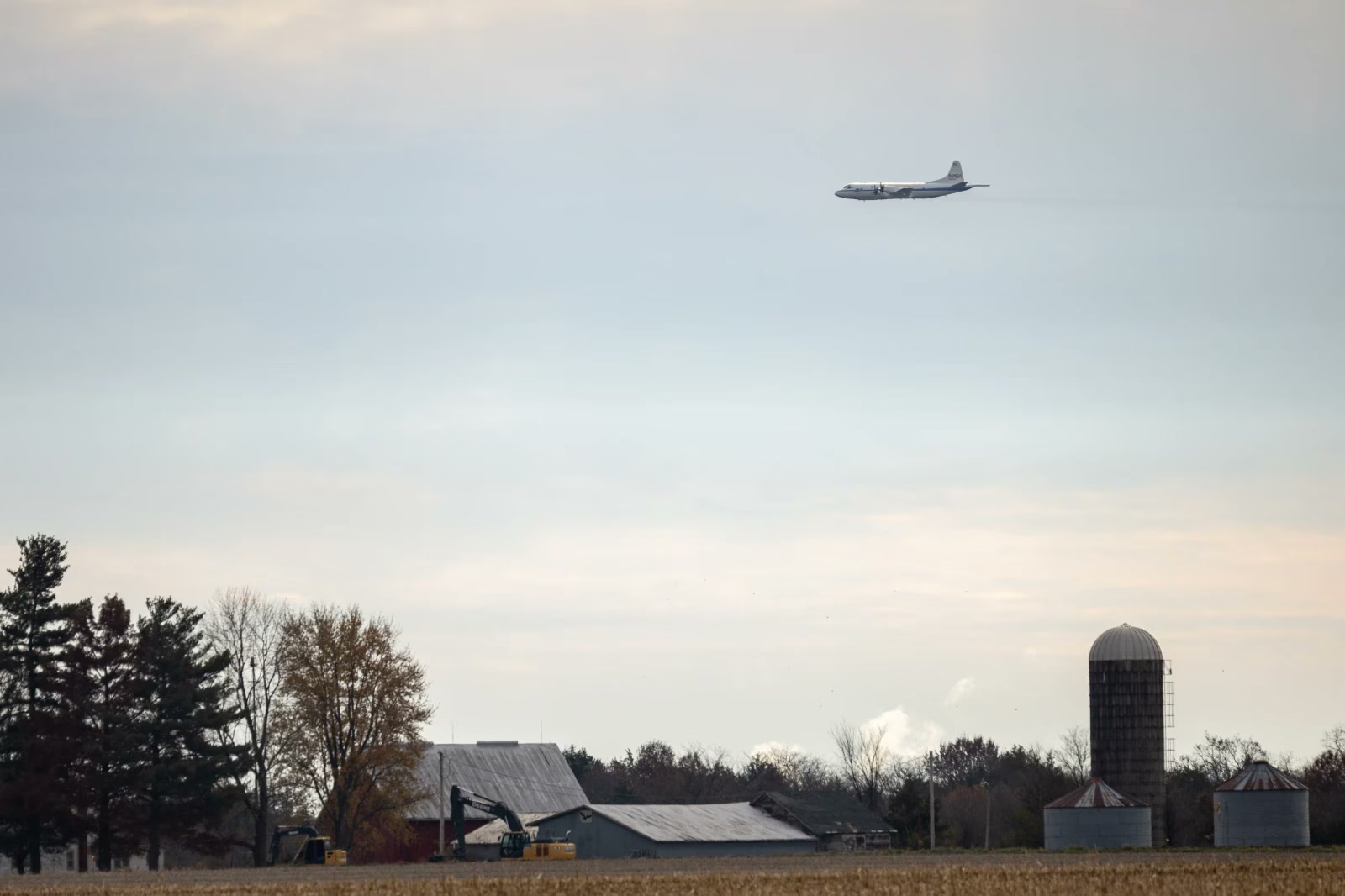
Evacuations and a Thanksgiving-eve blast
Officials had urged residents closest to the site and in range of a potential plume to evacuate and others to stay indoors, and schools and businesses closed. The detonation, originally planned for last Friday, was delayed amid public backlash and a lawsuit by environmental groups before a court cleared the way this week. The Army timed it for winds blowing southwest, away from Burlington, a city of about 25,000.
The stockpile was brought to Iowa from bases around the country in 2009. During an inspection in March, staff found the chemicals had partially crystallized, making them sensitive to friction and cold and creating a risk of spontaneous detonation.
Stay Updated with Ally Daily
Subscribe to be informed about special news, developments and announcements. We will keep you informed.
By signing up, you agree to our Privacy Policy