- BIST10010,656-4.04%
- USD50.63+0.05%
- EUR55.32-0.44%
- GOLD3,462.00-3.59%
- INTEREST36.00%-1.00
- BITCOIN58,258-2.49%
- November 25, 20265°
- BIST10010,656-4.04%
- USD50.63+0.05%
- EUR55.32-0.44%
- GOLD3,462.00-3.59%
- INTEREST36.00%-1.00
- BITCOIN58,258-2.49%
- November 25, 20265°
Bessent calls Iran's rulers 'wounded, cornered animals' who will turn on each other
The Treasury secretary told Newsmax that the U.S. economic squeeze on Tehran is working, called the Iranian bounty on his head a sign of success and said Europeans have sent Putin more money than Zelensky.
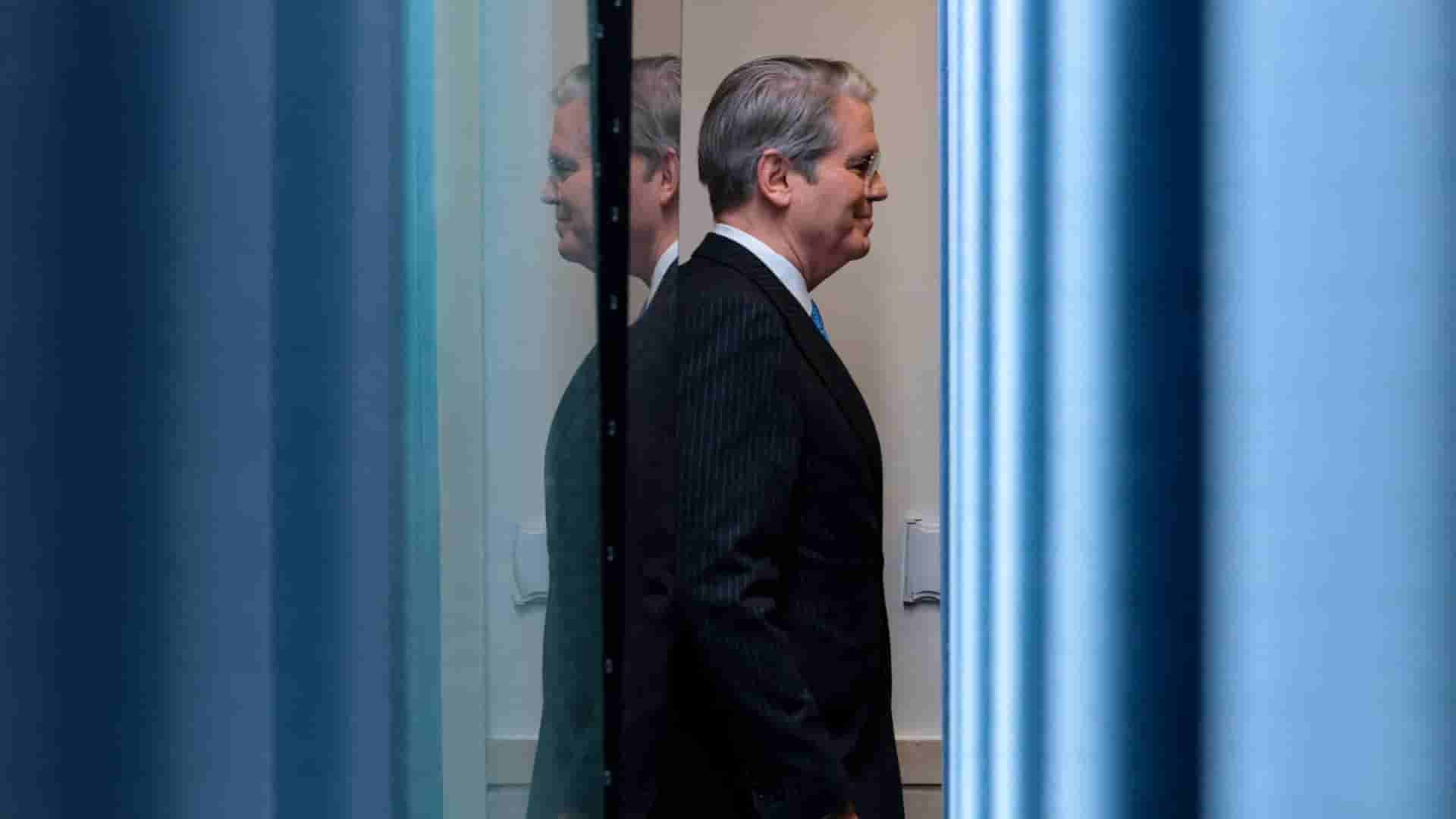
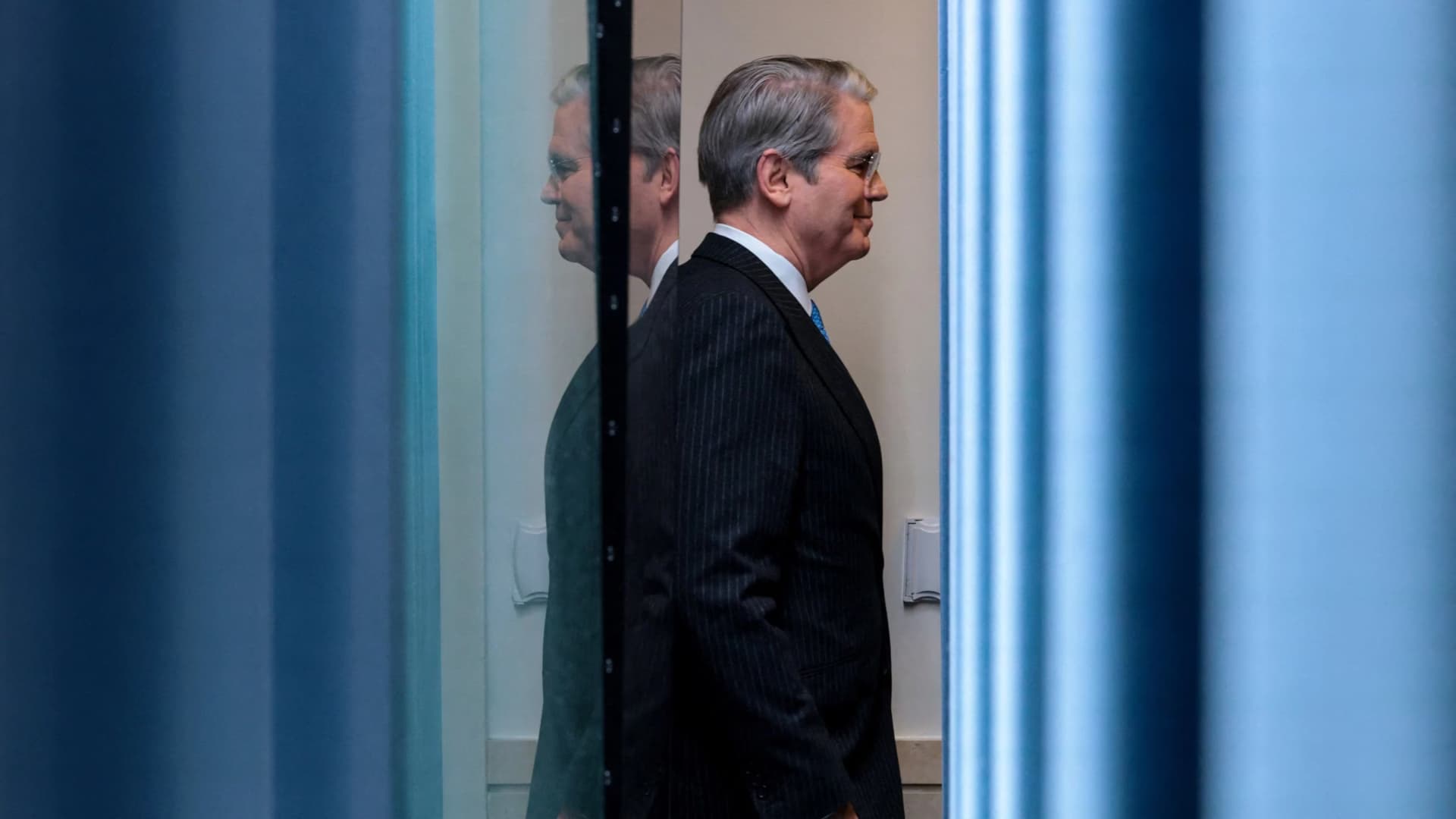
Treasury Secretary Scott Bessent said Friday that Washington's economic pressure campaign against Iran is working and predicted that the country's rulers "will soon start turning on each other." He made the remarks in an interview with Newsmax's "Rob Schmitt Tonight."
"They may start lashing out in terms of some indiscriminate shooting in the Middle East, but they are wounded, cornered animals," Bessent said. "I believe that this will bring them to the table to make a deal that they want to keep."
He said the United States is two and a half months into Operation Economic Outcast, which he described as the greatest program in history to isolate a single country, and that thanks to the U.S. Navy, Iran has no oil on the water for the first time since it began producing oil.
"A sign of success"
Bessent, who moved with his family to a military base this month over threats that U.S. officials attribute to Iran, struck a defiant tone. "I regard the bounty that they have on my head as a sign of success," he said. Iranian Foreign Minister Abbas Araghchi mocked the move in an interview published Saturday by the government daily Iran, saying Bessent "goes to a military base and changes where he lives."
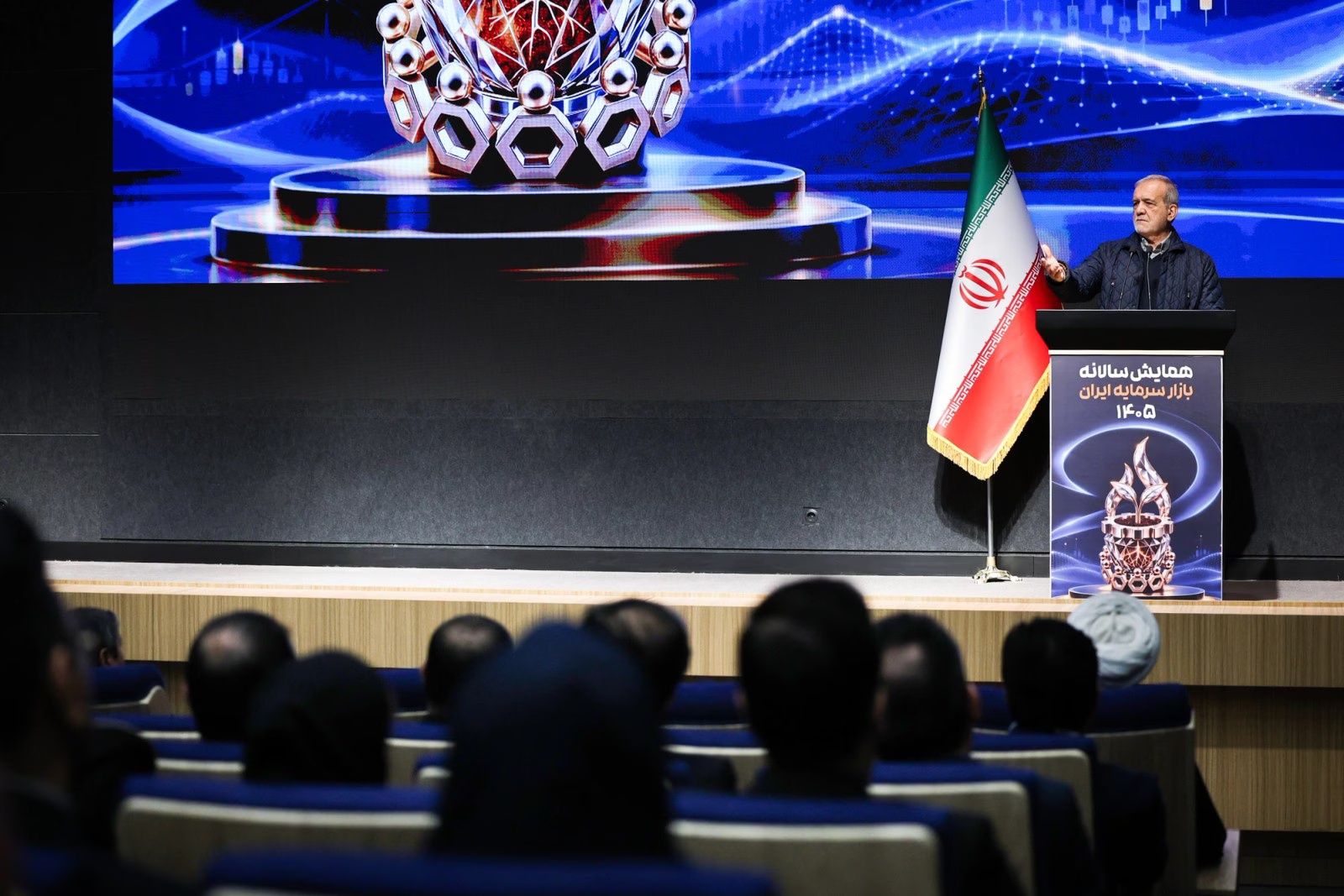
The Treasury chief also said the Iranian regime has begun warning its own people of a tough winter. In Tehran on Saturday, President Masoud Pezeshkian told a capital markets conference that Iran is fighting an economic war harder than the missile war and acknowledged that the country could face energy shortages this winter.
Nixon-style "realpolitik" and a jab at Europe
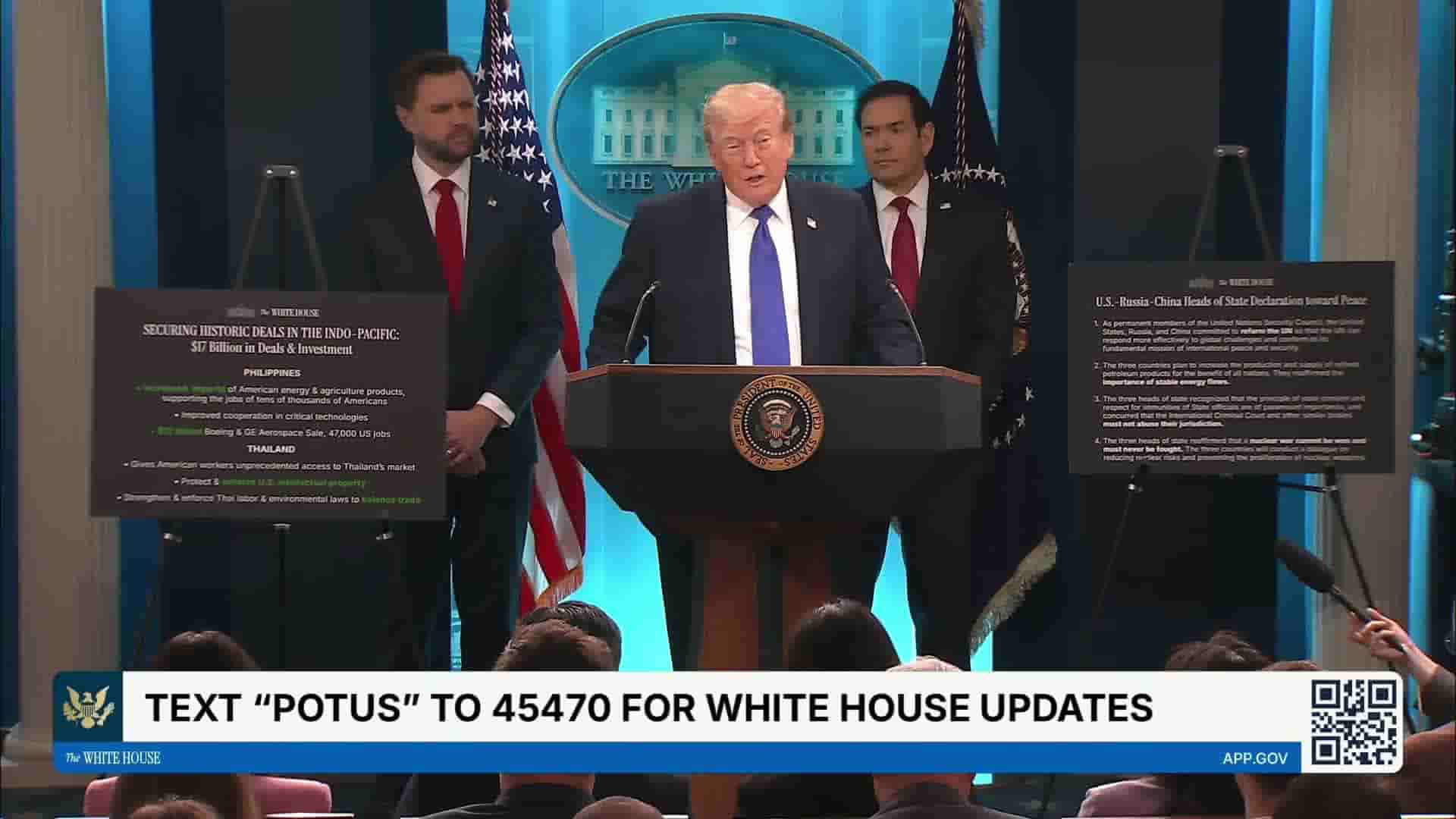
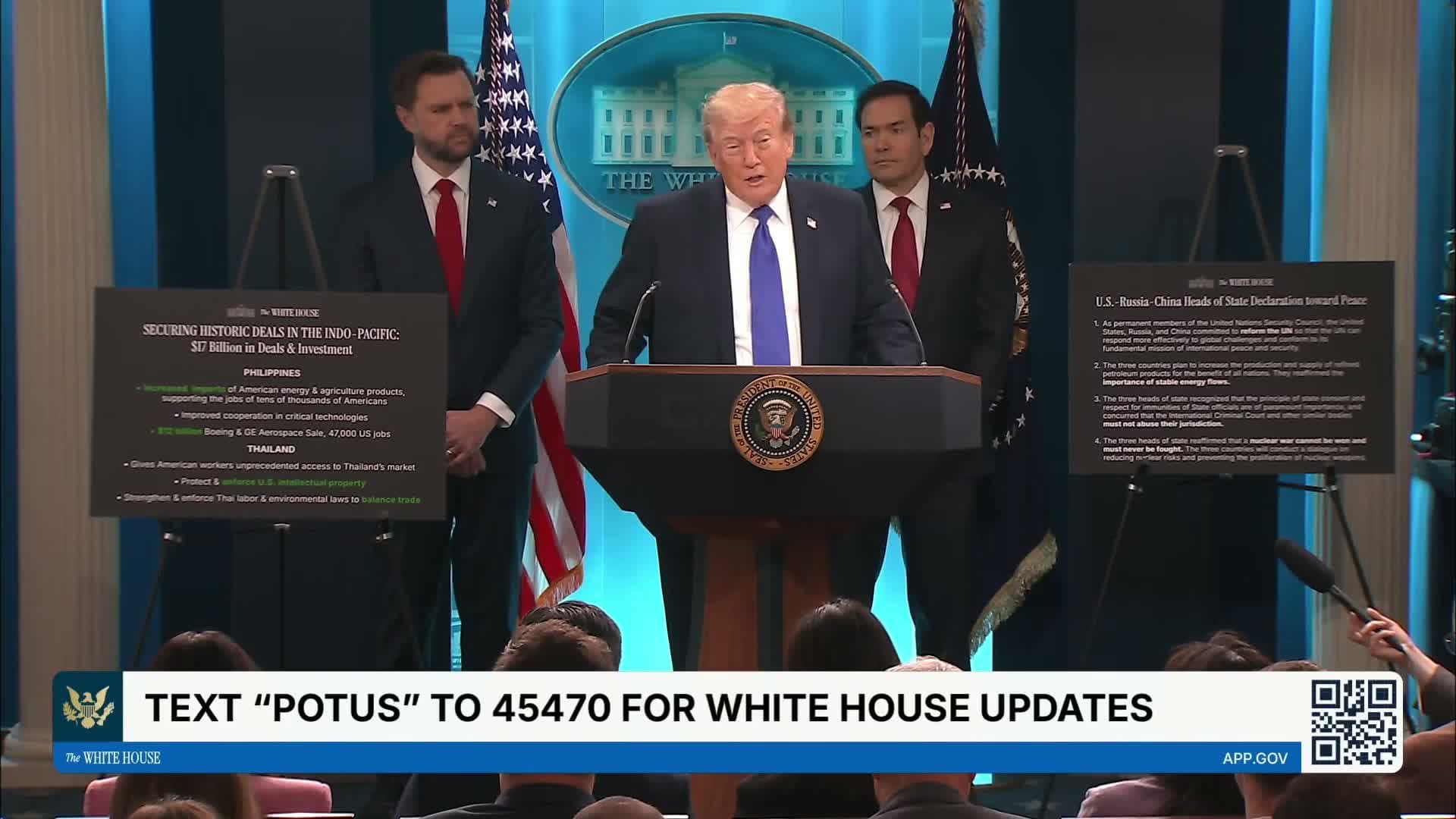
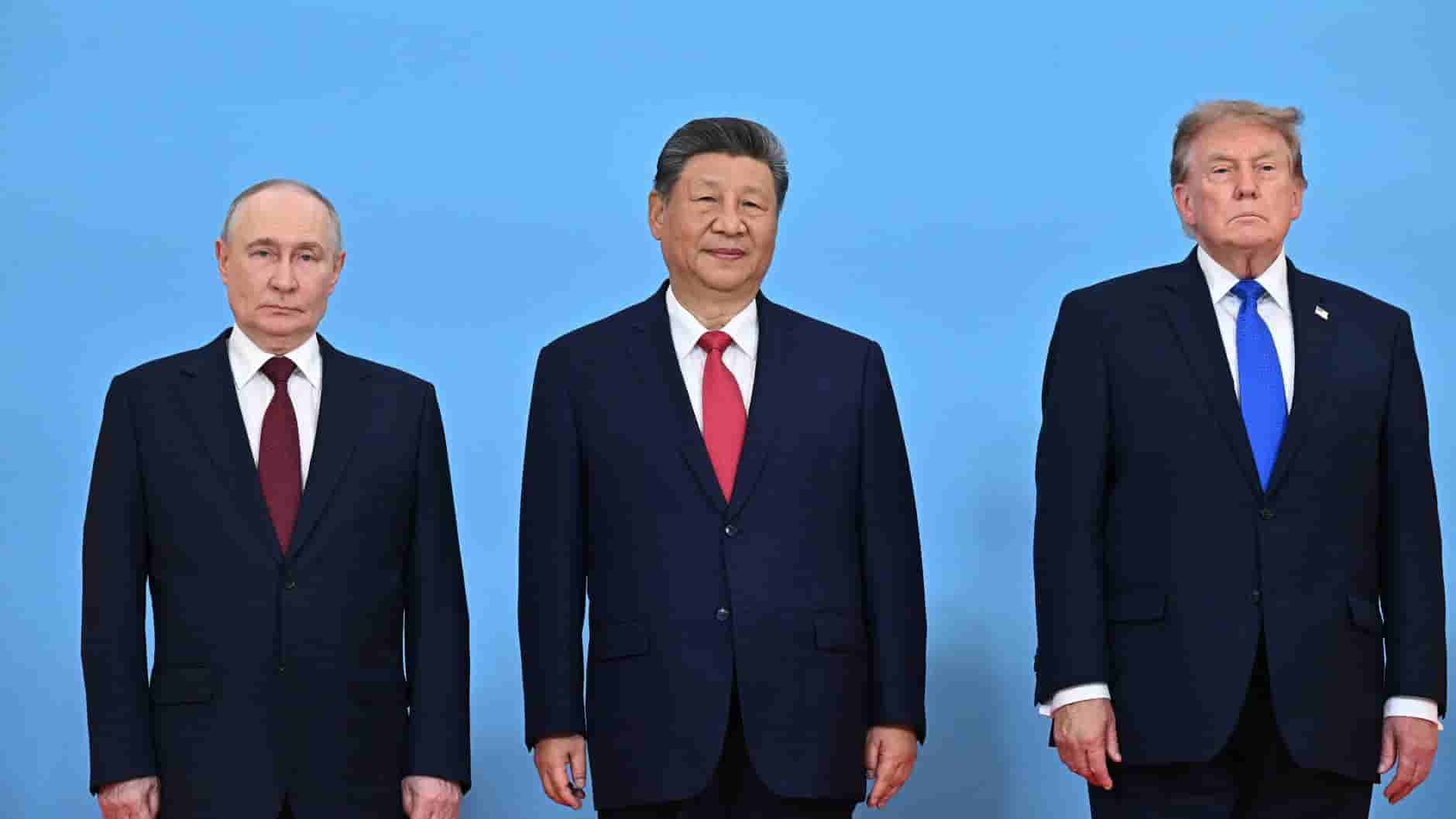
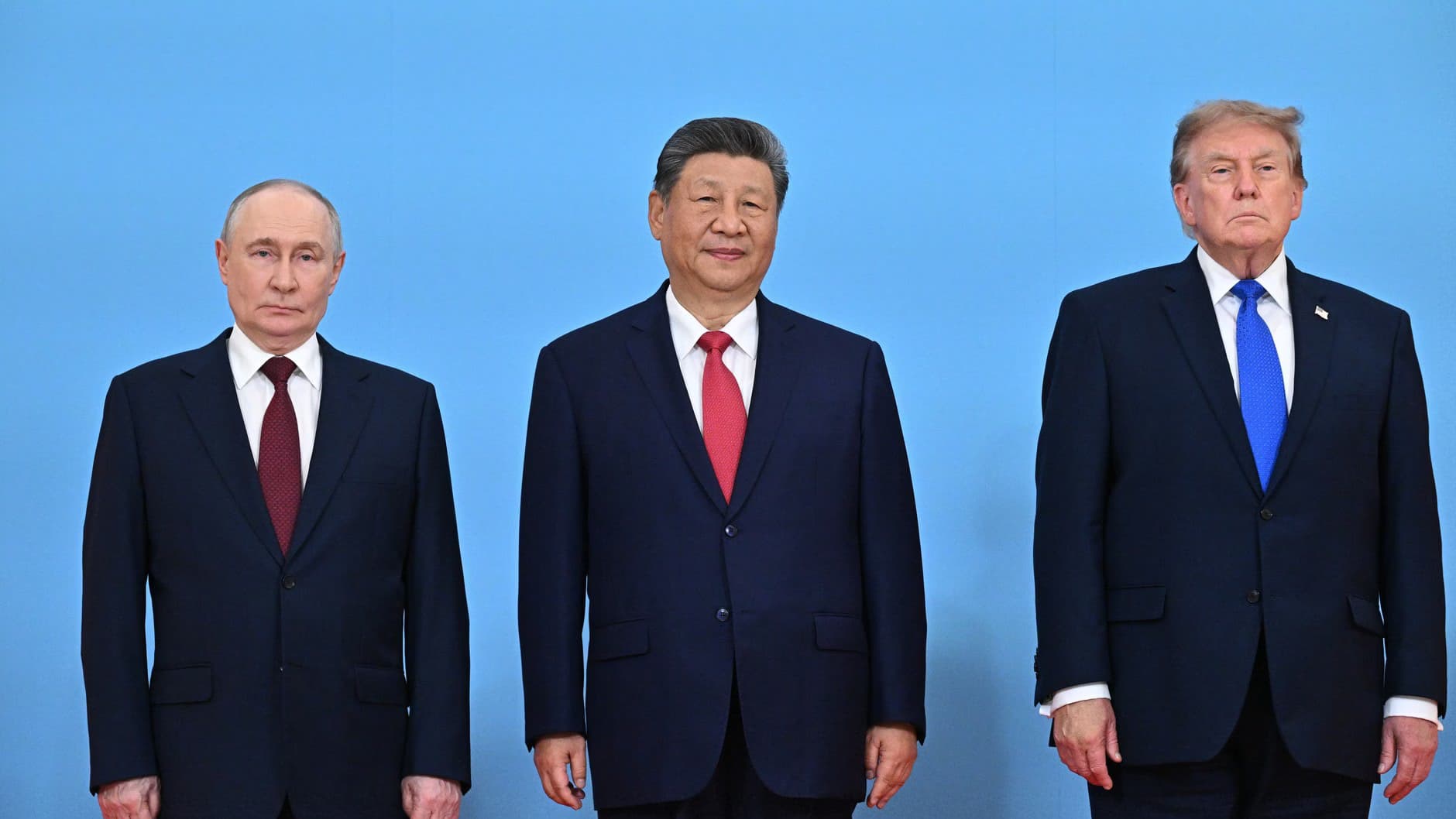
Asked about President Donald Trump's approach to foreign leaders, Bessent said: "Trump believes that the best way to do diplomacy is on a personal level. It's realpolitik, not unlike what Richard Nixon did." He added that Chinese President Xi Jinping and Russian President Vladimir Putin both agreed at their summit with Trump in Shenzhen that Iran can never have a nuclear weapon and that the Strait of Hormuz should be open.
On the war in Ukraine, Bessent took aim at Washington's European allies, whom the administration has long pressed to stop buying Russian energy. "The Europeans have sent more money to Vladimir Putin than they have to President Zelensky," he said.
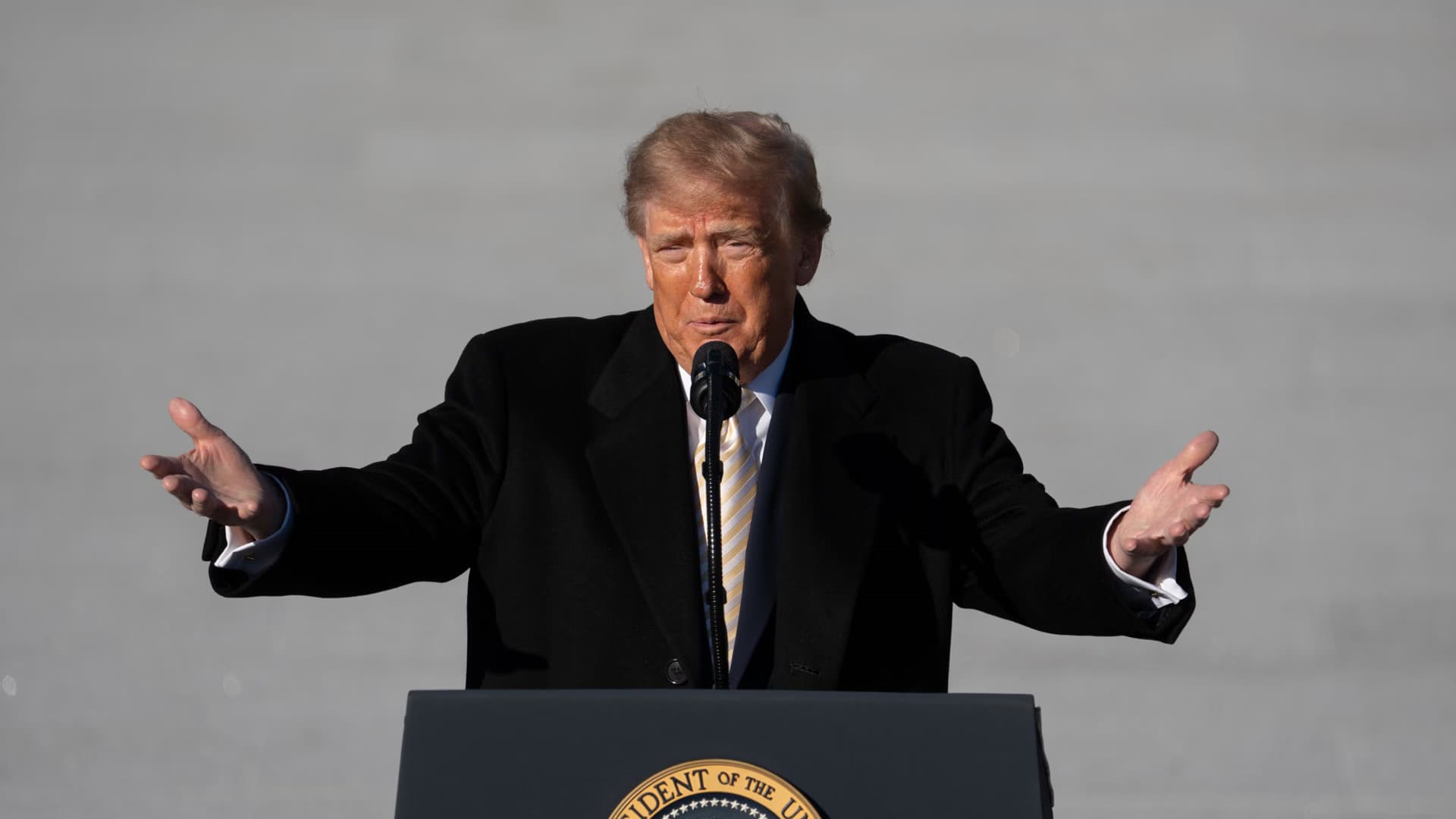
Photos: Iran International; Iranian presidency.
Stay Updated with Ally Daily
Subscribe to be informed about special news, developments and announcements. We will keep you informed.
By signing up, you agree to our Privacy Policy