- BIST10011,577-1.87%
- USD49.58+0.05%
- EUR55.62+0.09%
- GOLD4,159.50+0.41%
- INTEREST37.00%-1.00
- BITCOIN84,747+2.18%
- October 22, 202617°
- BIST10011,577-1.87%
- USD49.58+0.05%
- EUR55.62+0.09%
- GOLD4,159.50+0.41%
- INTEREST37.00%-1.00
- BITCOIN84,747+2.18%
- October 22, 202617°
California Gov. Newsom seeks settlement in Paramount-Warner merger case
Gov. Gavin Newsom has called for an out-of-court settlement in a lawsuit challenging the $110 billion merger between Paramount Skydance and Warner Bros. Discovery. Newsom said blocking the deal could hurt employment in California’s entertainment industry.
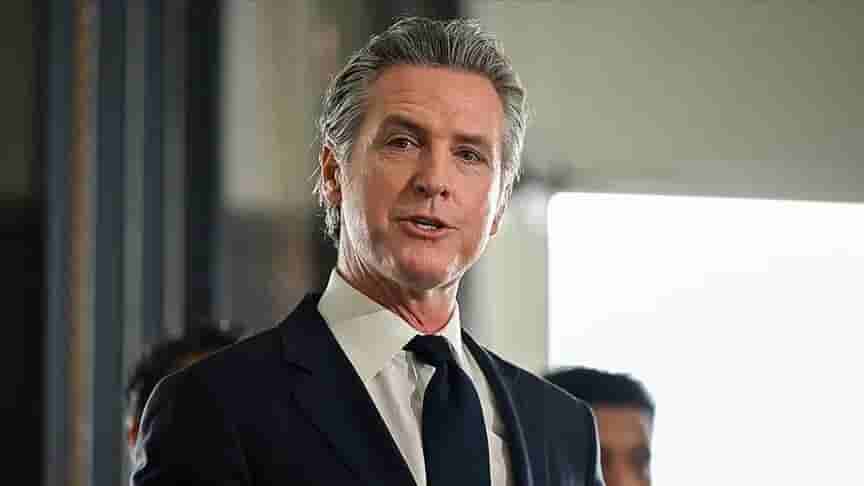
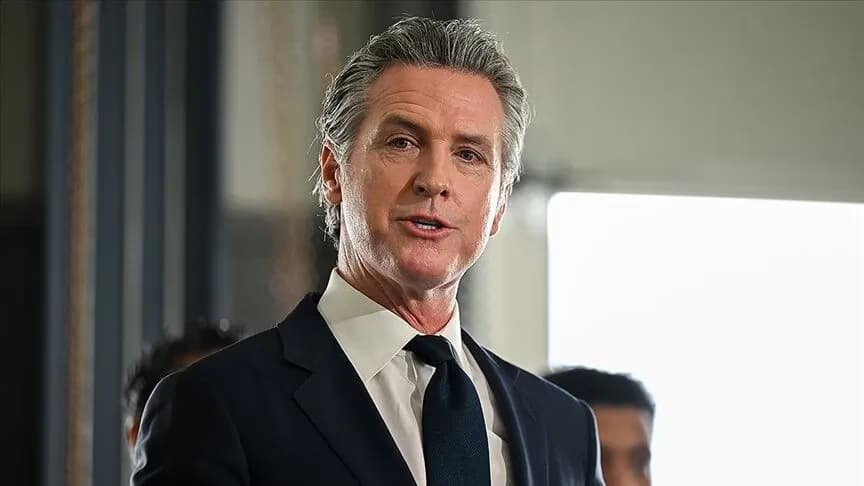
California Gov. Gavin Newsom has begun seeking a settlement in the state’s antitrust lawsuit against the massive merger between Paramount Skydance and Warner Bros. Discovery. The Wall Street Journal reported that Newsom encouraged Attorney General Rob Bonta’s office to find an out-of-court resolution, concerned that blocking the $110 billion deal could lead to job losses in California’s entertainment industry.
The governor’s political pressure points to a rare disagreement within California’s administration. Although Attorney General Bonta has the authority to pursue the antitrust case independently, Newsom’s intervention could affect the process. Neither the governor’s office nor the attorney general’s office has issued an official statement on the matter.
A coalition of states sued to block the merger
California and a coalition of 11 states filed a federal lawsuit on July 13 last year to block the merger. The plaintiffs argue that the deal would reduce competition, raise prices and cut production by combining two of Hollywood’s five largest studios.
Following a temporary restraining order issued by Federal Judge Araceli Martínez-Olguín, the companies committed not to complete the merger until a court ruling or June 1, 2027. The case is regarded as one of the most significant legal battles shaping Hollywood’s future.
Disagreement among Democrats
Newsom’s pro-settlement stance has exposed an uncommon divide within California’s Democratic Party. While Attorney General Bonta is pursuing the case firmly, the governor is putting employment concerns first.
Meanwhile, industry organizations such as the Writers Guild of America (WGA) and Cinema United oppose the merger. The unions argue that the deal would reduce competition, put pressure on screenwriters’ pay, shrink production and hinder independent projects.
The merger’s impact
According to the states’ lawsuit, the merger would bring two of the five largest film distributors in the United States and two of the five largest basic cable groups under the same roof. The new company could control approximately one-third of the theatrical box-office and cable television markets.
Paramount Skydance, however, emphasizes that the merger is necessary to compete with digital giants such as Netflix, Amazon and YouTube. The company points out that an eight-month review by the U.S. Department of Justice found the deal unlikely to harm competition or consumers.
The federal court’s decision will weigh two opposing views: the risk of a concentration that would weaken competition in Hollywood and the need to combine resources to remain competitive against global media giants. The outcome of the case could reshape the structure of the American entertainment industry.
Stay Updated with Ally Daily
Subscribe to be informed about special news, developments and announcements. We will keep you informed.
By signing up, you agree to our Privacy Policy