- BIST10011,722-2.89%
- USD49.45+0.05%
- EUR55.62+0.37%
- GOLD4,181.10+0.26%
- INTEREST37.00%-1.00
- BITCOIN81,580+0.10%
- October 17, 202611°
- BIST10011,722-2.89%
- USD49.45+0.05%
- EUR55.62+0.37%
- GOLD4,181.10+0.26%
- INTEREST37.00%-1.00
- BITCOIN81,580+0.10%
- October 17, 202611°
CNN and MS NOW reporters barred from White House after Trump decision
CNN and MS NOW reporters were barred from the White House a day after President Donald Trump announced that the organizations would face restrictions on access to the building. While MS NOW reporters’ permanent press credentials were revoked, Politico also faced a similar threat of a ban.

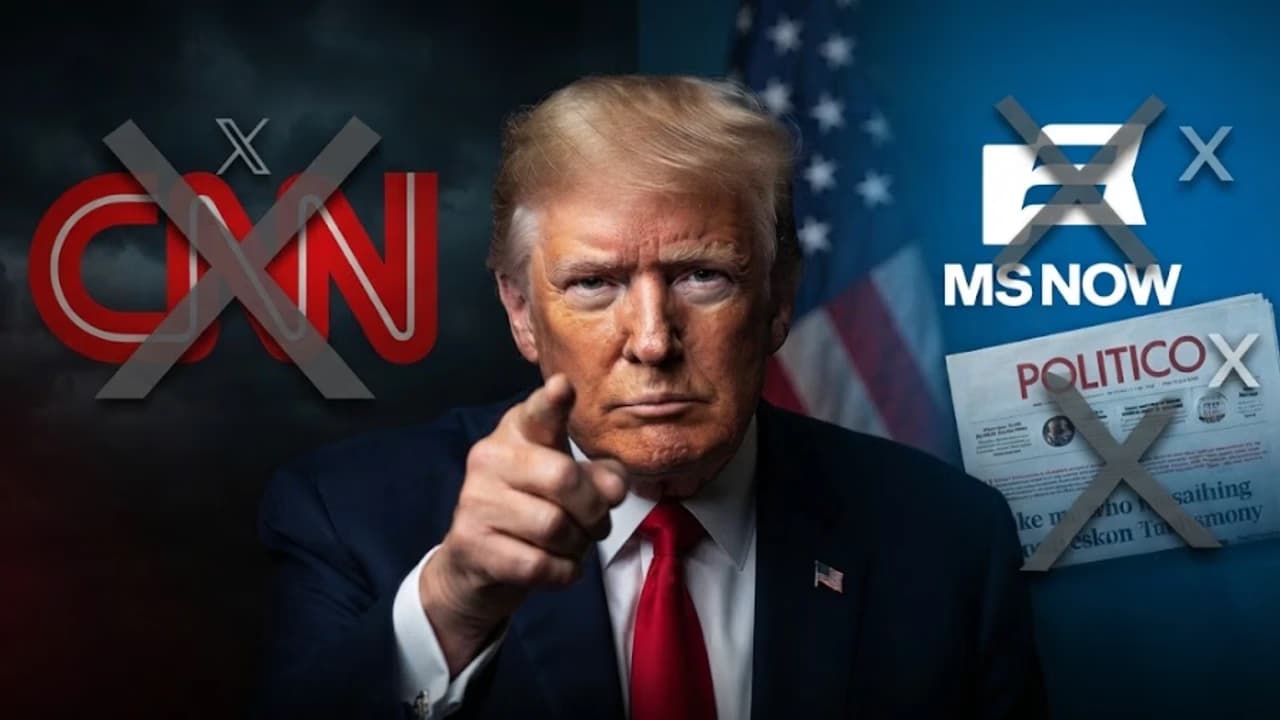
After President Donald Trump announced restrictions on access to the White House complex for CNN, MS NOW and the news website Politico, CNN and MS NOW reporters were barred from entering the building. The decision was implemented one day after Trump’s announcement.
On the morning of Saturday, September 19, MS NOW reporter Akayla Gardner and her cameraman attempted to enter the White House but were denied access. The two journalists’ permanent press credentials were revoked.
Gardner said she was told at the entrance that her press credential had been blocked. When she asked why it had been blocked, she said a security officer told her the decision had been made by senior management.
CNN reporter Betsy Klein and her cameraman also tried to enter the building. The two left the area without collecting their press credentials.
Organizations emphasize First Amendment protections
CNN announced that it would continue monitoring government activities despite efforts to restrict physical access to the White House and other government buildings. The network said it would not retreat from its duty to hold the administration and other public institutions accountable and would follow the administration’s work impartially.
MS NOW also announced that it would take all necessary steps to protect its rights guaranteed by the First Amendment to the U.S. Constitution and the role of independent journalism in a democracy. The network said the White House belongs to the American people and that decisions made there are financed with tax revenue.
Politico also faces threat of access restrictions
The possibility of barring Politico journalists from entering the White House also emerged. Trump announced the potential ban on his Truth Social account on Friday, while alleging that Politico received government subsidies.
Politico’s press service rejected the accusation and said the claim had been completely debunked. The news organization said it would continue to objectively monitor the activities of the current and future White House administrations and protect its rights under the First Amendment.
Trump defended restrictions by citing “fake news”
Jackie Heinrich, president of the White House Correspondents’ Association, expressed support for the journalists, saying that colleagues at CNN, MS NOW and Politico were being targeted simply for doing their jobs.
Trump defended the restrictions by saying he was tired of reading and seeing the “fake news” produced by the media organizations in question. Trump also said he did not like the “dishonest press,” but did not specify which publications or content he was referring to.
CBS News legal analyst Jessica Levinson said the ban appeared to constitute discrimination based on content. Levinson said the First Amendment to the U.S. Constitution provides protection precisely against such practices.
Stay Updated with Ally Daily
Subscribe to be informed about special news, developments and announcements. We will keep you informed.
By signing up, you agree to our Privacy Policy