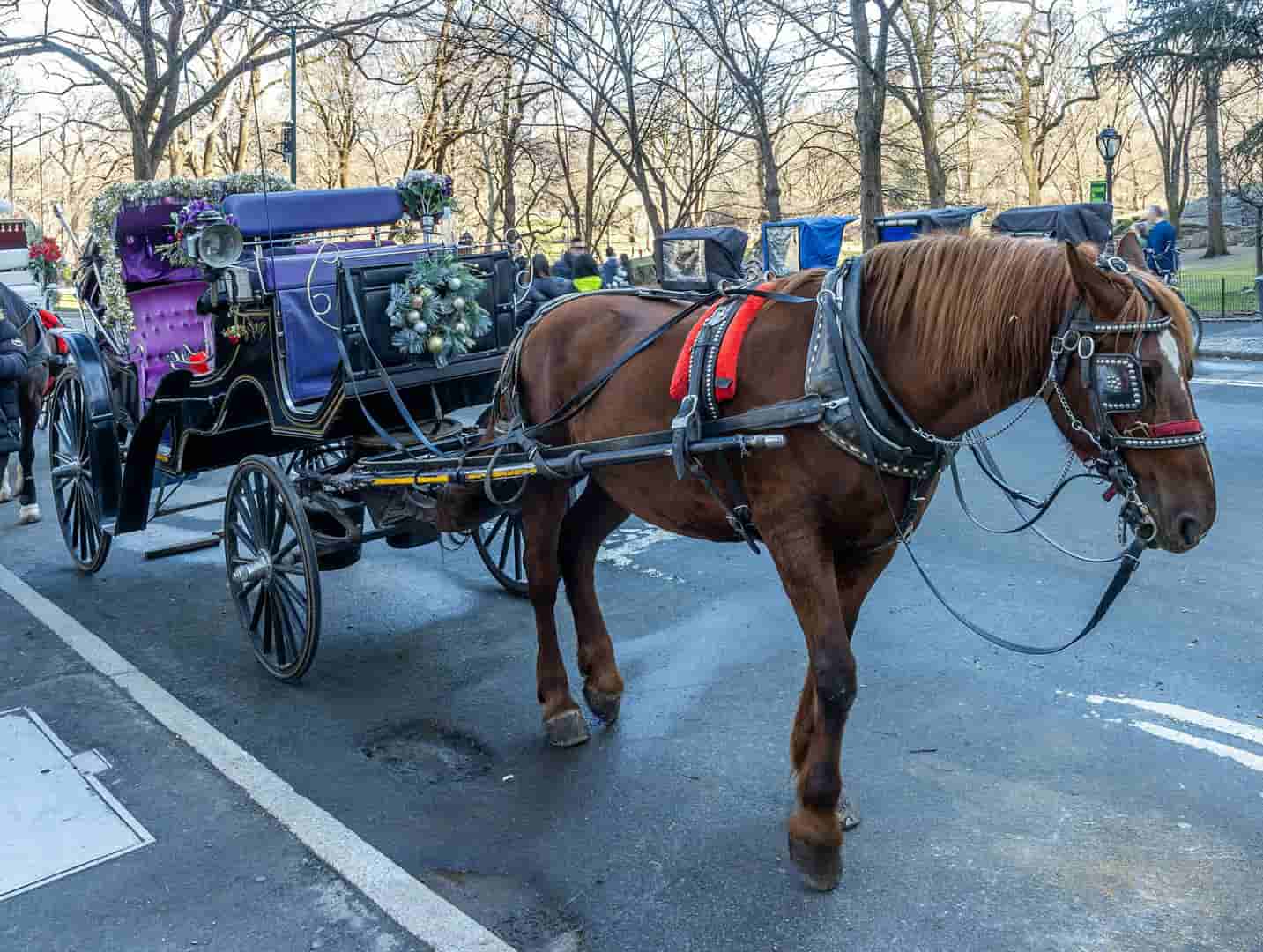
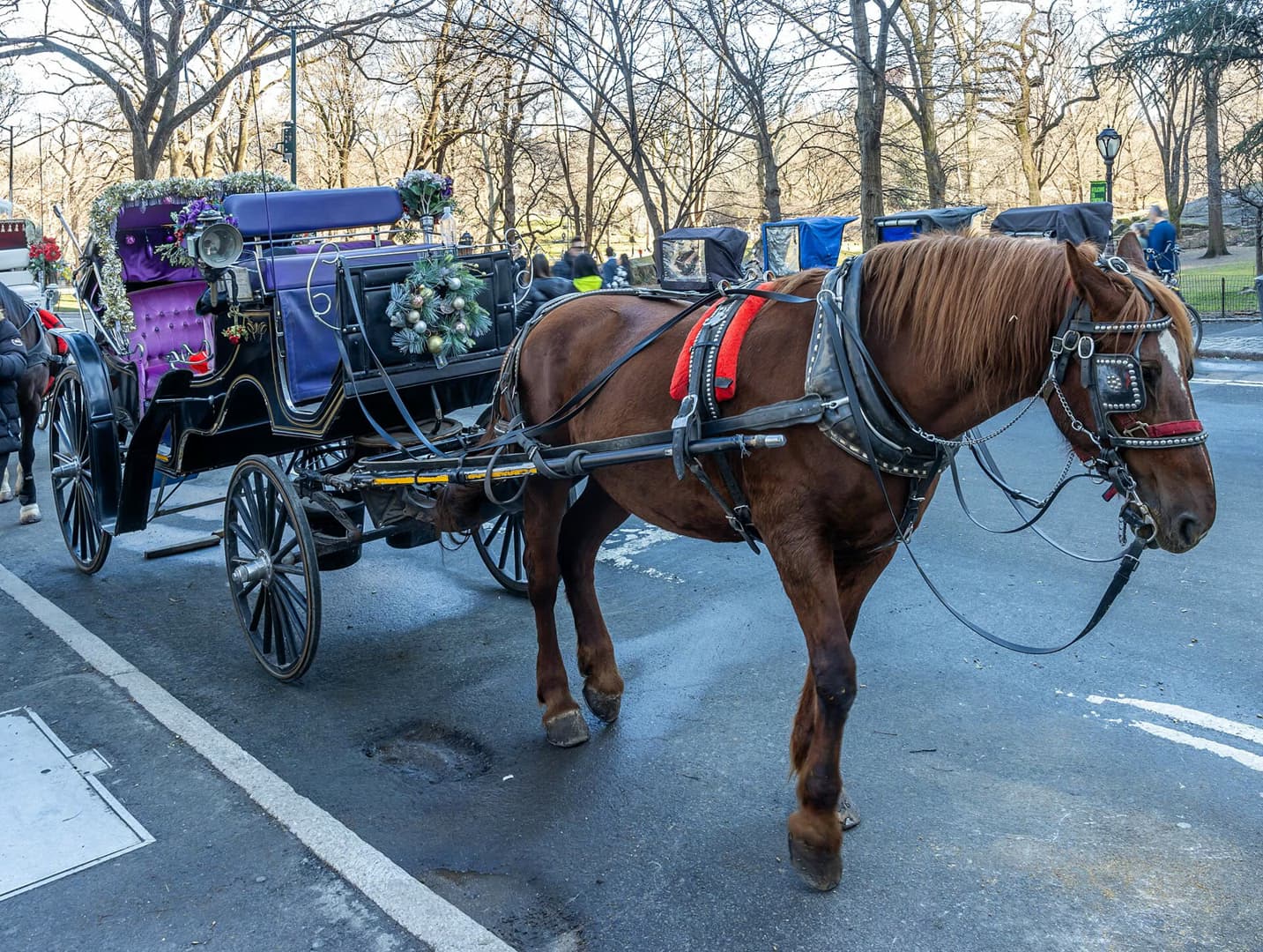
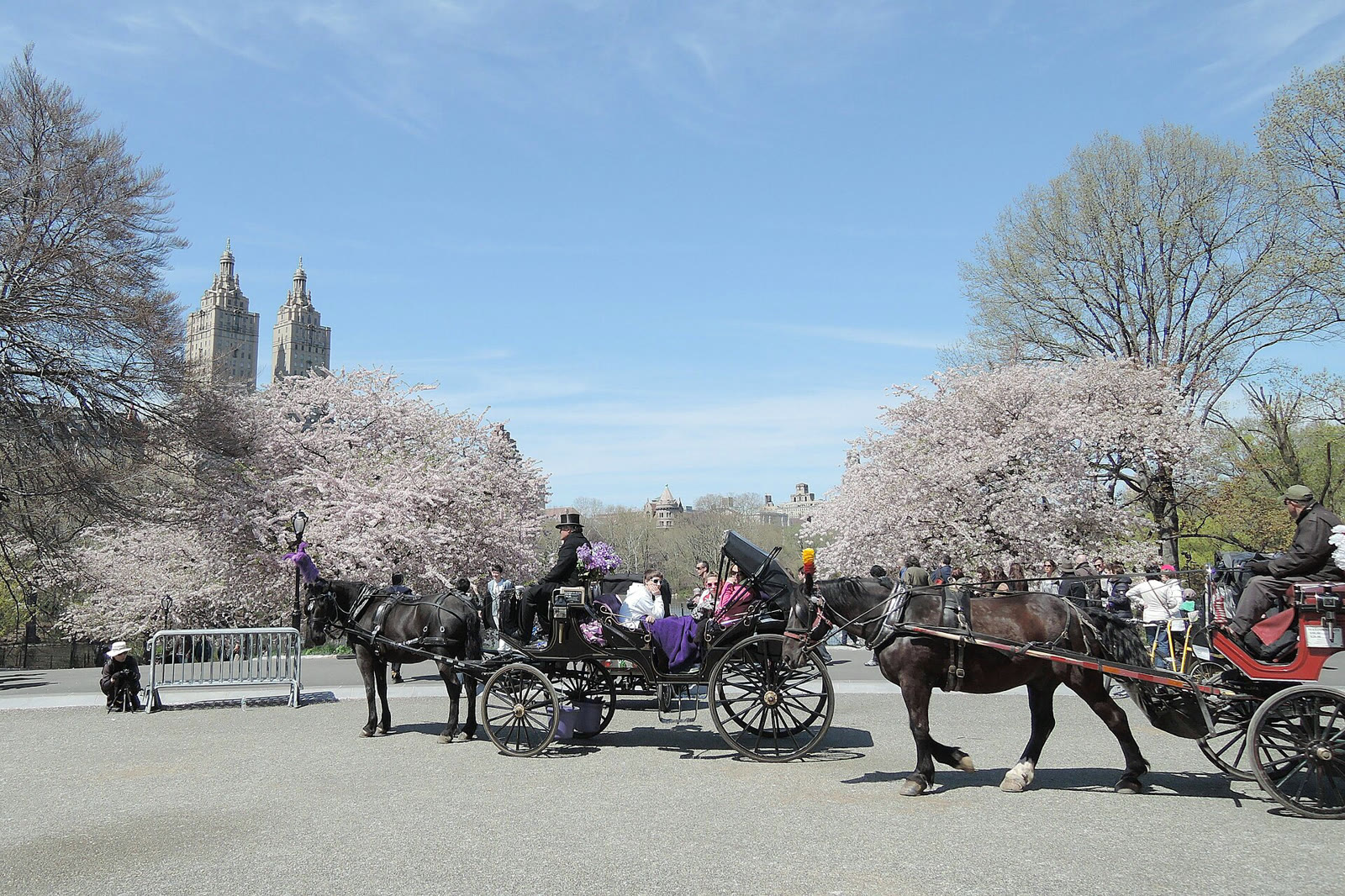
New York City Mayor Zohran Mamdani and City Council Speaker Julie Menin have reached a deal to phase out horse-drawn carriages in Central Park by June 2028, ending one of the city’s best-known tourist attractions. The Council is expected to vote on the bill on Thursday, Oct. 22.
The legislation, known as Romanch’s Law, is named after Romanch Mahajan, an 18-year-old tourist from India who died in June after he was thrown from a carriage pulled by a bolting horse in Central Park. Sponsored by Council Member Christopher Marte, the bill would stop the city from issuing new carriage licenses and end carriage operations in the park.

“The horse carriage industry is coming to an end in New York City,” Mamdani said, adding that his administration would make sure workers and owners are protected and the horses are safe. Menin said the tradition had become “a growing public safety liability” and that keeping the industry going was “no longer acceptable.”
Under the deal, the city must deliver a plan by April 2027 to help carriage workers find new jobs, with referrals to the MTA, the Port Authority of New York and New Jersey and the Taxi and Limousine Commission, as well as to hospitality and tourism employers. The program would include job counseling and career fairs. The city must also find new homes for the horses, and the bill asks officials to “consider” compensating owners for the value of their businesses, licenses and equipment.
The Transport Workers Union, which represents carriage drivers, opposes the measure. Christina Hansen of TWU Local 100 said it would be “devastating for carriage drivers and carriage owners” and argued that the bill is unconstitutional, warning that the industry would go to court if it passes. Animal rights group NYCLASS and the Central Park Conservancy support the phase-out.
A trade largely run by Turkish immigrants
The ban hits New York’s Turkish community directly, as Turkish immigrants make up a large share of Central Park’s carriage drivers. According to an Anadolu Agency report in 2018, about 30 of the park’s 68 carriage drivers were Turkish, many of them university graduates who chose the job for its working conditions and income.
Ahmet Bilici from Hatay, who has worked in the trade for 23 years, says he bought his license for $500,000 in 2016 with years of savings and had planned to pass it on to his two sons. He argues that the city, having issued the license, should protect it, and describes the carriage drivers as part of the city’s identity.