- BIST10011,722-2.89%
- USD49.45+0.05%
- EUR55.62+0.37%
- GOLD4,181.10+0.26%
- INTEREST37.00%-1.00
- BITCOIN81,450-0.06%
- October 17, 202614°
- BIST10011,722-2.89%
- USD49.45+0.05%
- EUR55.62+0.37%
- GOLD4,181.10+0.26%
- INTEREST37.00%-1.00
- BITCOIN81,450-0.06%
- October 17, 202614°
Congo’s Ebola outbreak nears 4,000 deaths with no approved vaccine for strain
The Bundibugyo Ebola outbreak in the Democratic Republic of Congo has killed 3,982 people among 8,224 confirmed cases, a fatality rate of 48.4 percent.
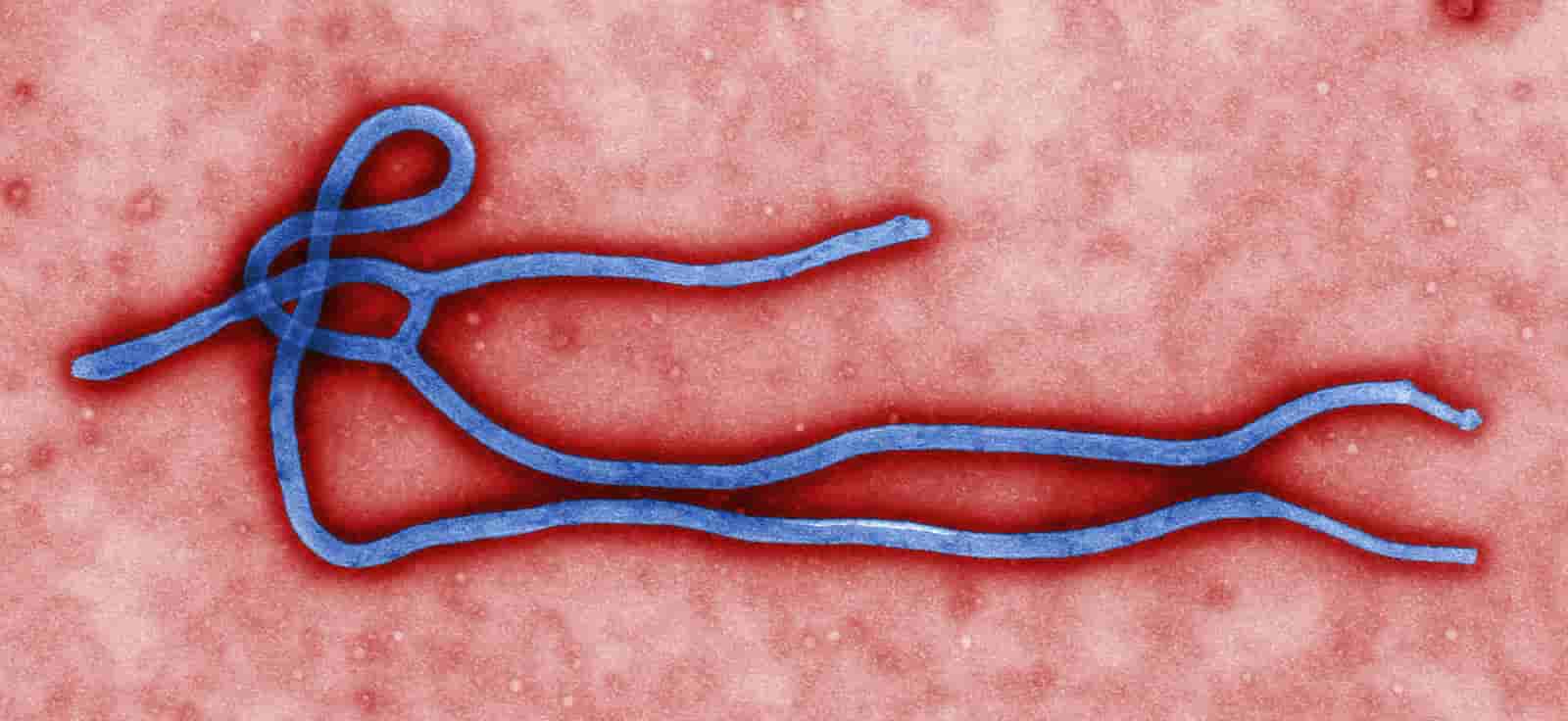
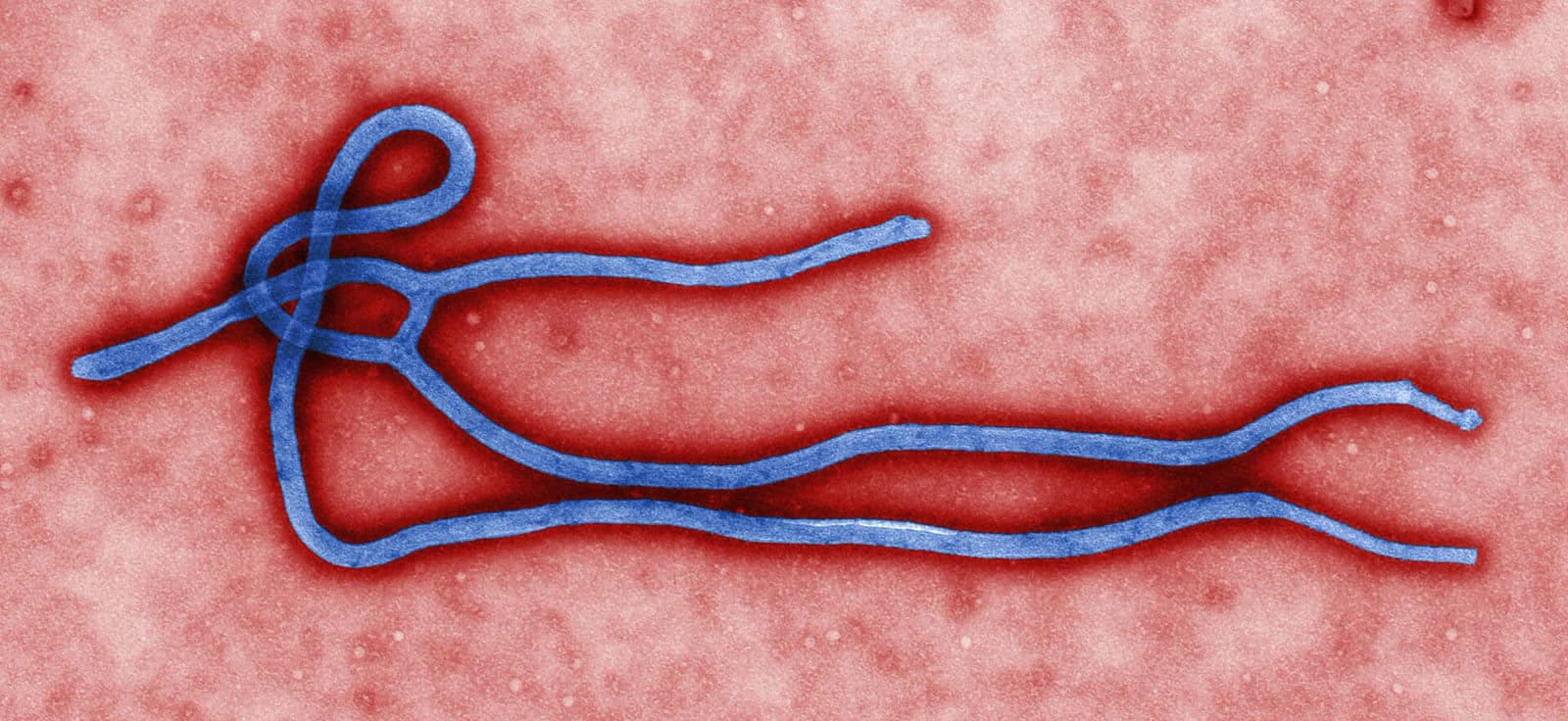
The Ebola outbreak in the Democratic Republic of Congo has now killed 3,982 people, according to the latest figures from the country’s Health Ministry, with 8,224 confirmed cases and 2,121 people recovered. The fatality rate stands at 48.4 percent.
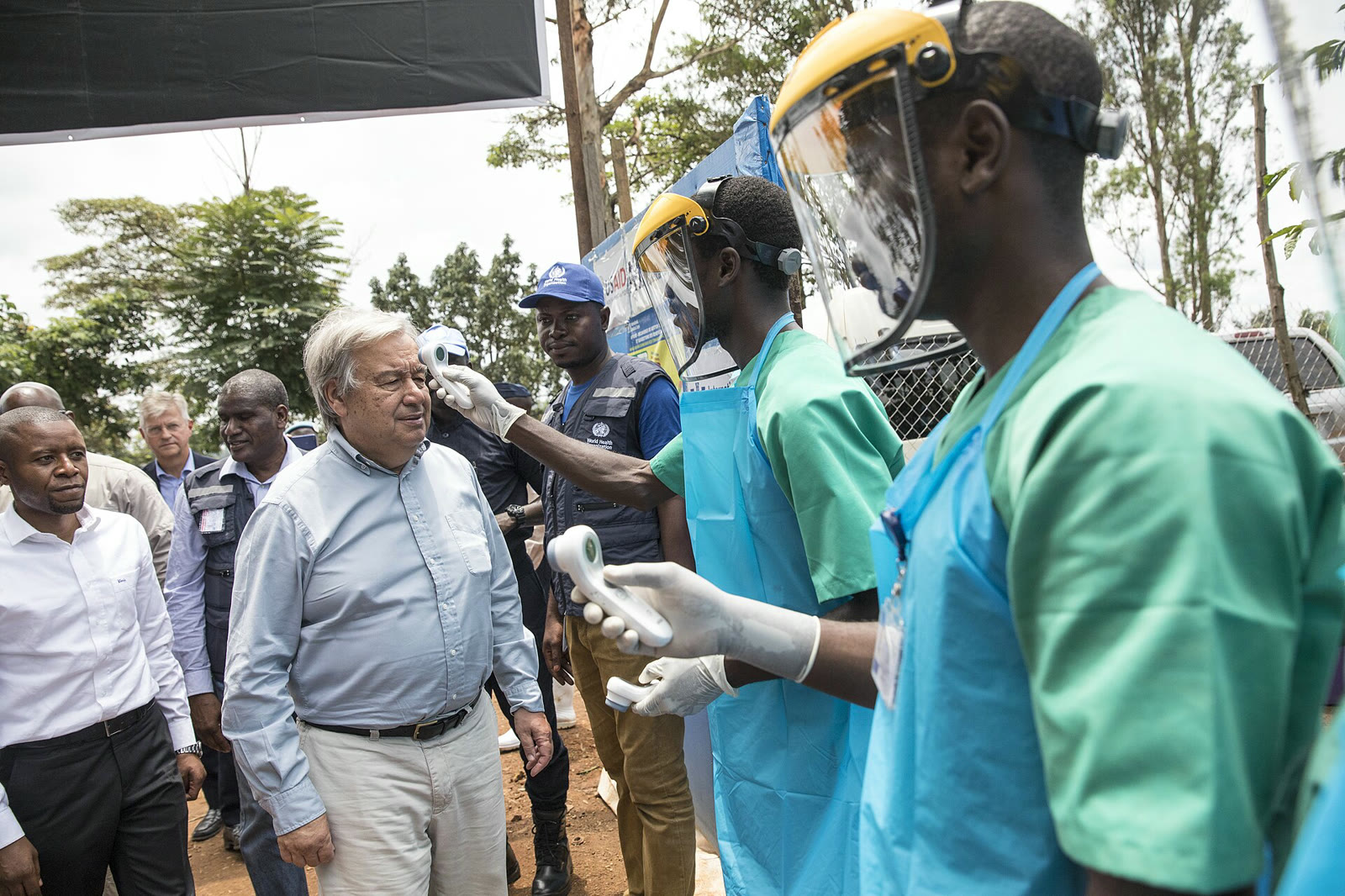
Work to treat patients, contain the virus and strengthen health teams is under way in 63 health zones across seven affected provinces.
The outbreak was declared on May 15 after 246 suspected cases and 65 deaths were reported in eastern Ituri province. Health officials say the Bundibugyo strain behind it, which emerged in May, has no approved treatment or vaccine — unlike the more common Zaire strain, for which vaccines exist.
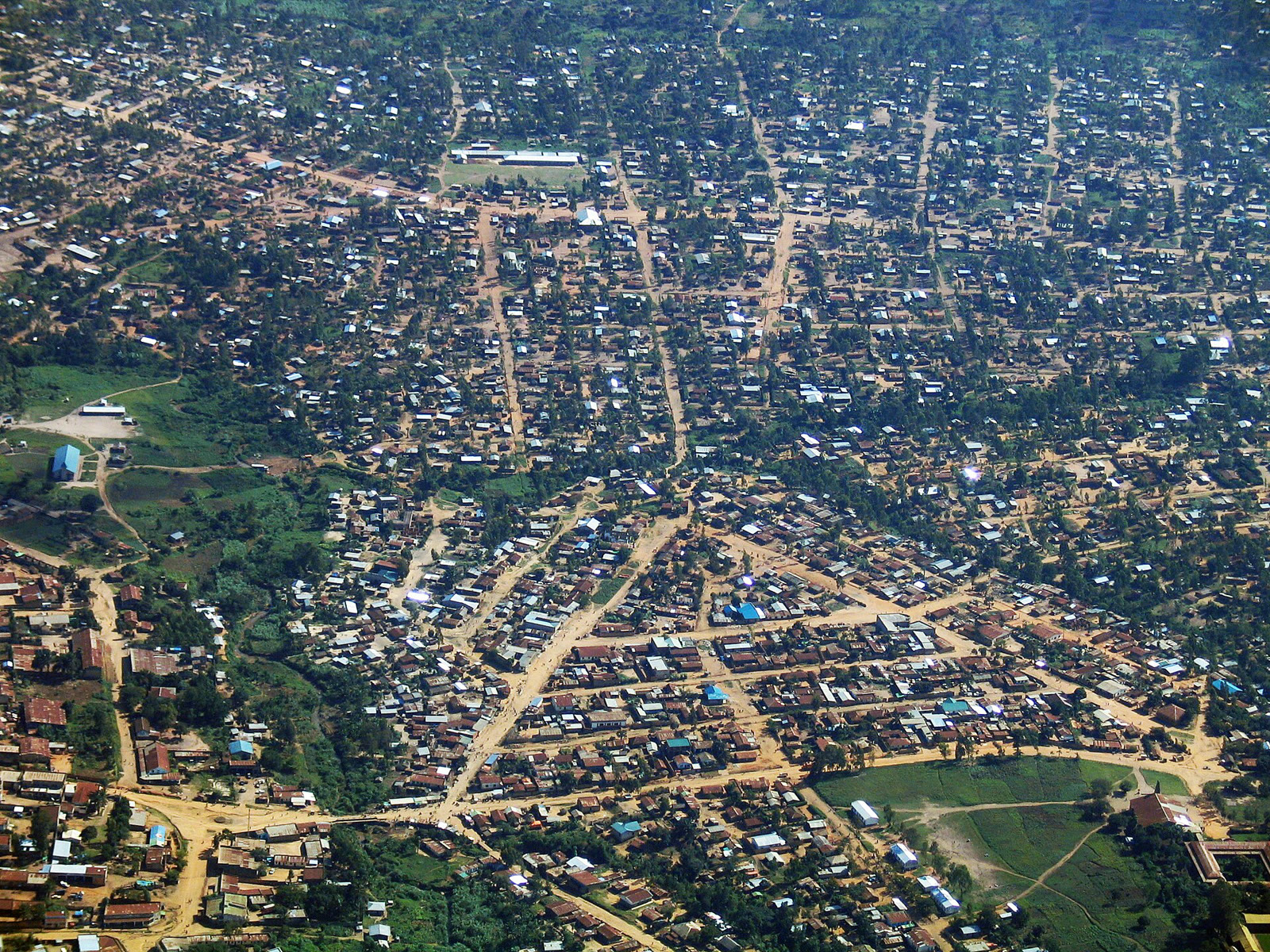
Ebola, which causes a type of haemorrhagic fever, was first identified in 1976 in simultaneous outbreaks in Nzara, Sudan, and Yambuku in what is now the DRC, and was named after the nearby Ebola River. The 2014-2016 West Africa epidemic in Guinea, Liberia and Sierra Leone infected about 30,000 people and killed more than 11,000.
Stay Updated with Ally Daily
Subscribe to be informed about special news, developments and announcements. We will keep you informed.
By signing up, you agree to our Privacy Policy