- BIST10011,220-3.08%
- USD49.60+0.05%
- EUR55.68+0.11%
- GOLD4,042.70-2.59%
- INTEREST36.00%-1.00
- BITCOIN81,357-3.17%
- October 22, 202620°
- BIST10011,220-3.08%
- USD49.60+0.05%
- EUR55.68+0.11%
- GOLD4,042.70-2.59%
- INTEREST36.00%-1.00
- BITCOIN81,357-3.17%
- October 22, 202620°
Department of War, Lockheed Martin agree 10-year framework for 850 F-35s
The U.S. Department of War and Lockheed Martin announced a framework agreement covering production of 850 F-35 fighter jets for the U.S. military over 10 years. The deal still needs multiyear authority and funding from Congress before a formal contract is awarded.
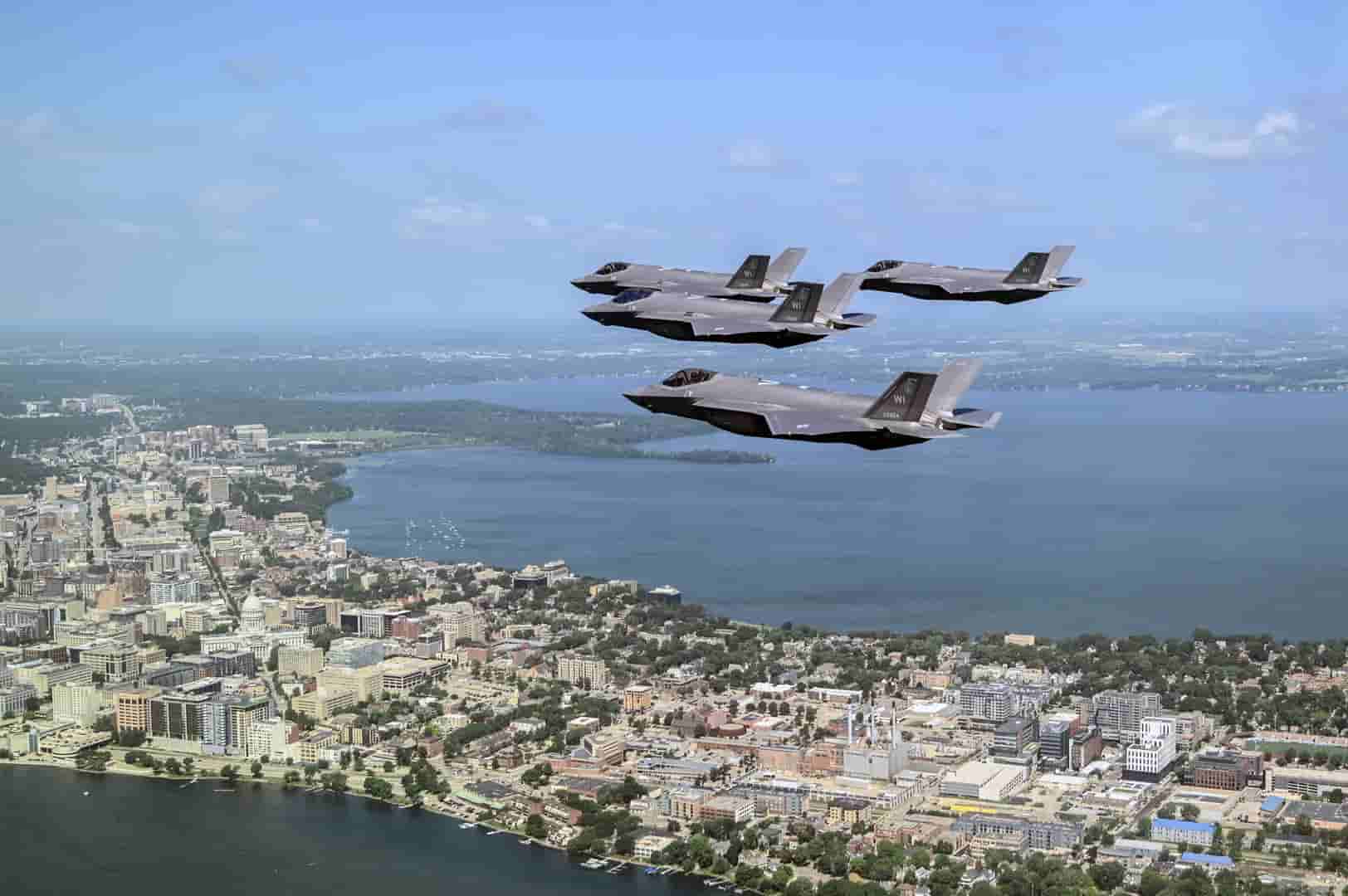
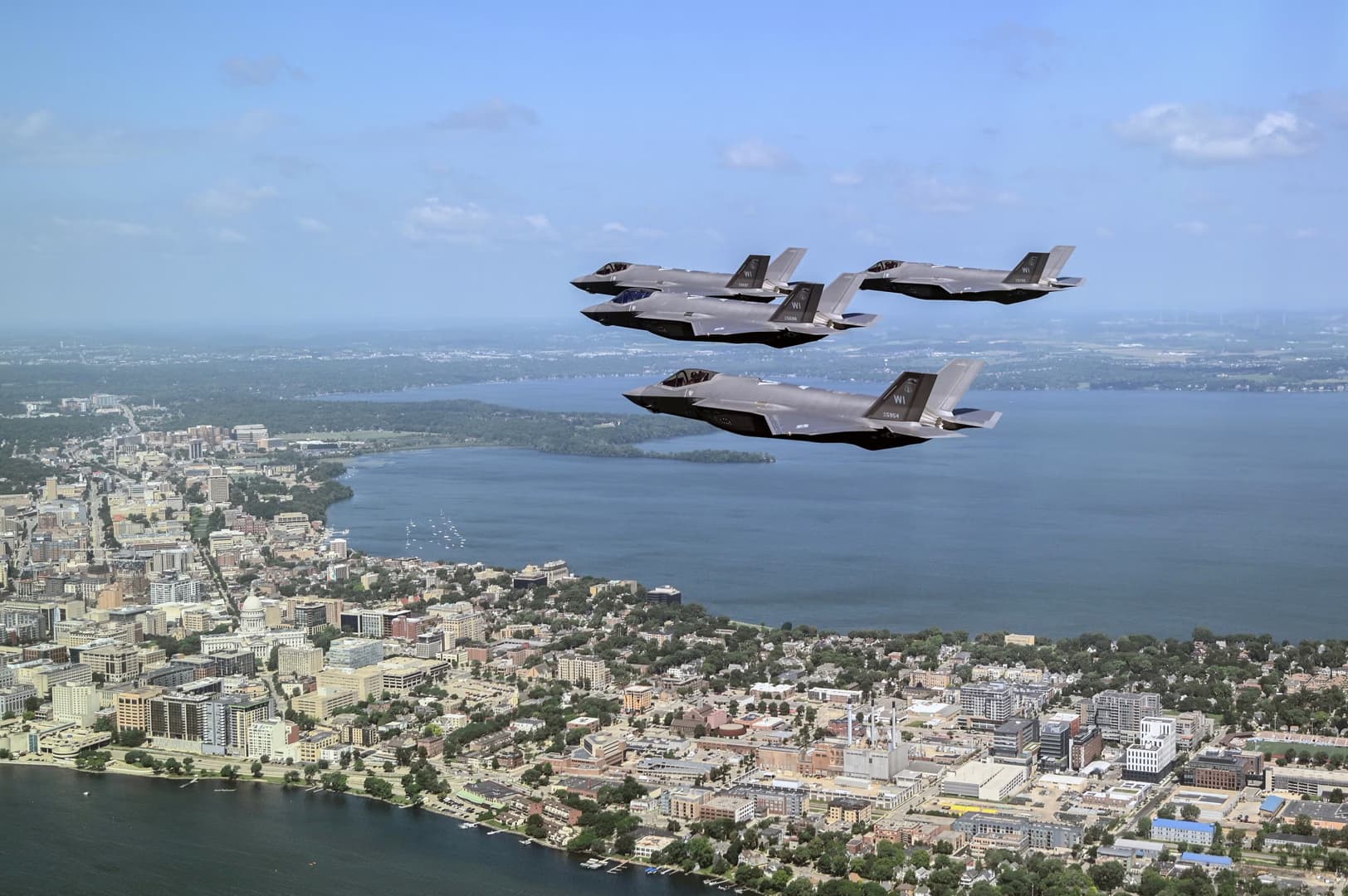
The U.S. Department of War and Lockheed Martin on Thursday, Oct. 22, unveiled a framework agreement for F-35 Lightning II production and sustainment over the next decade. It covers 850 aircraft for the U.S. military across production Lots 21 to 30, along with initial spare parts and 10 years of modification kits and sustainment.
The agreement also includes orders from international customers. Total output is set to stay at 156 aircraft a year for U.S. and foreign buyers combined.
Congress still has to sign off
The framework is not yet a contract. It requires multiyear procurement authority and related appropriations from Congress, which the company expects in the coming months. After that, the F-35 Joint Program Office and Lockheed Martin will finalize terms, pricing and delivery schedules in a formal contract award. No contract value was disclosed.
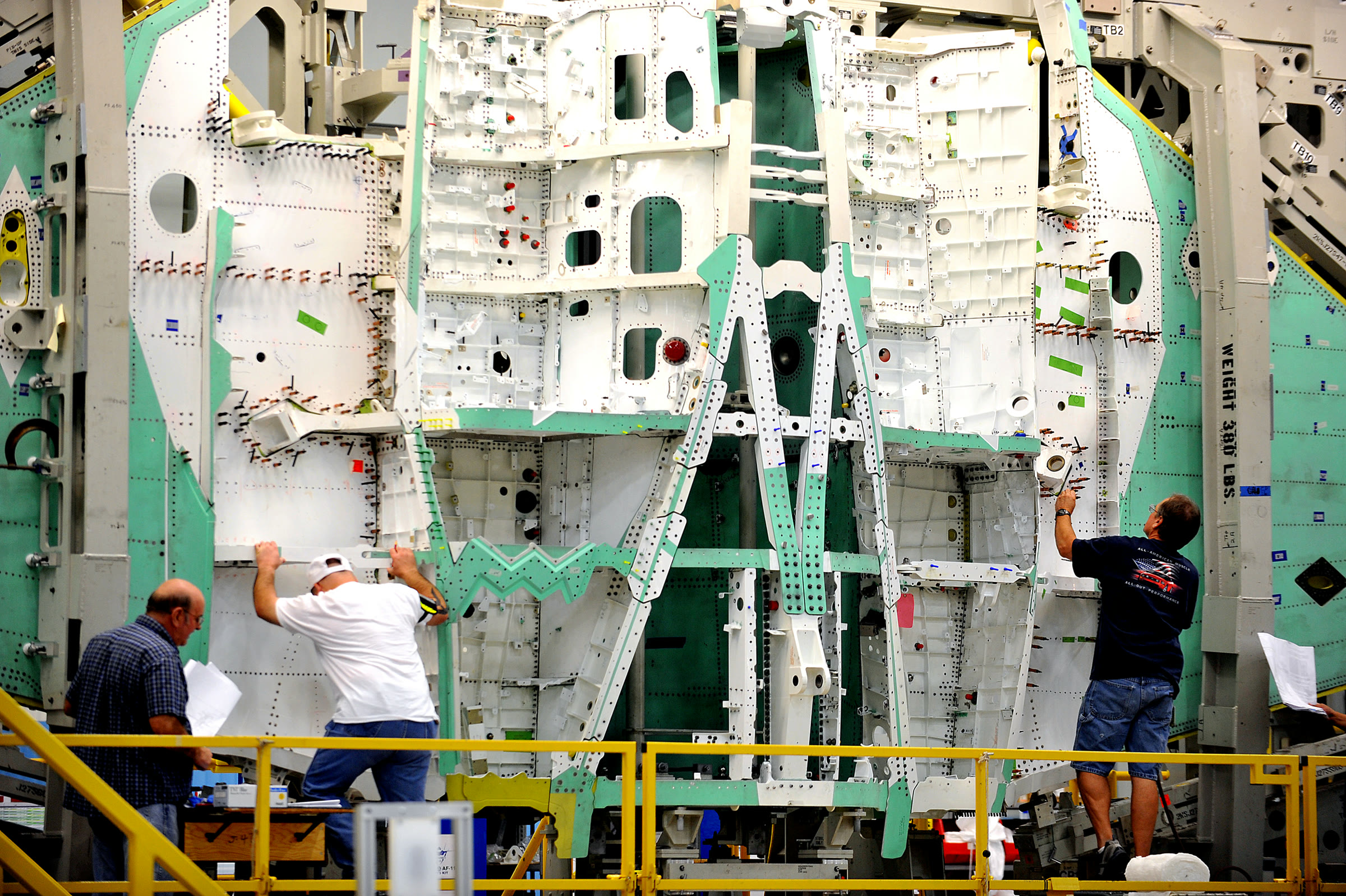
Lockheed Martin says long-term pricing and volume discounts will save taxpayers billions of dollars over the aircraft's lifecycle, and that long-term contracts will let suppliers buy raw materials and critical parts in bulk, shortening turnaround times. The company also plans investments in industrial capacity and logistics to improve fleet readiness and repair times.
"This multiyear framework strengthens the way we can plan and invest in the F-35 enterprise," said Jim Taiclet, Lockheed Martin's chairman, president and CEO, calling the arrangement "good for the taxpayer, good for our suppliers and, most importantly, good for the United States and its allies."
More than 1,375 F-35s fielded worldwide
According to the company, the F-35 program supports 317,000 jobs in the United States and generates about 9 billion in annual economic activity. More than 1,375 F-35s have been fielded worldwide, operating from 42 bases, and the fleet has surpassed one million flight hours.
Türkiye, once a partner in the program, was removed from the F-35 project in 2019 after it purchased the Russian S-400 air defense system.
Stay Updated with Ally Daily
Subscribe to be informed about special news, developments and announcements. We will keep you informed.
By signing up, you agree to our Privacy Policy