- BIST10011,908+0.55%
- USD50.28+0.05%
- EUR55.60-0.24%
- GOLD3,872.60-0.35%
- INTEREST36.00%-1.00
- BITCOIN64,570-1.14%
- November 16, 20262°
- BIST10011,908+0.55%
- USD50.28+0.05%
- EUR55.60-0.24%
- GOLD3,872.60-0.35%
- INTEREST36.00%-1.00
- BITCOIN64,570-1.14%
- November 16, 20262°
'Doing nothing' is the costliest climate policy, UN development chief warns at COP31
UNDP Administrator Alexander De Croo said hedging against the current El Niño would cost $36 billion now but $73 billion if the world waits. He urged private investors not to hold back on climate projects.
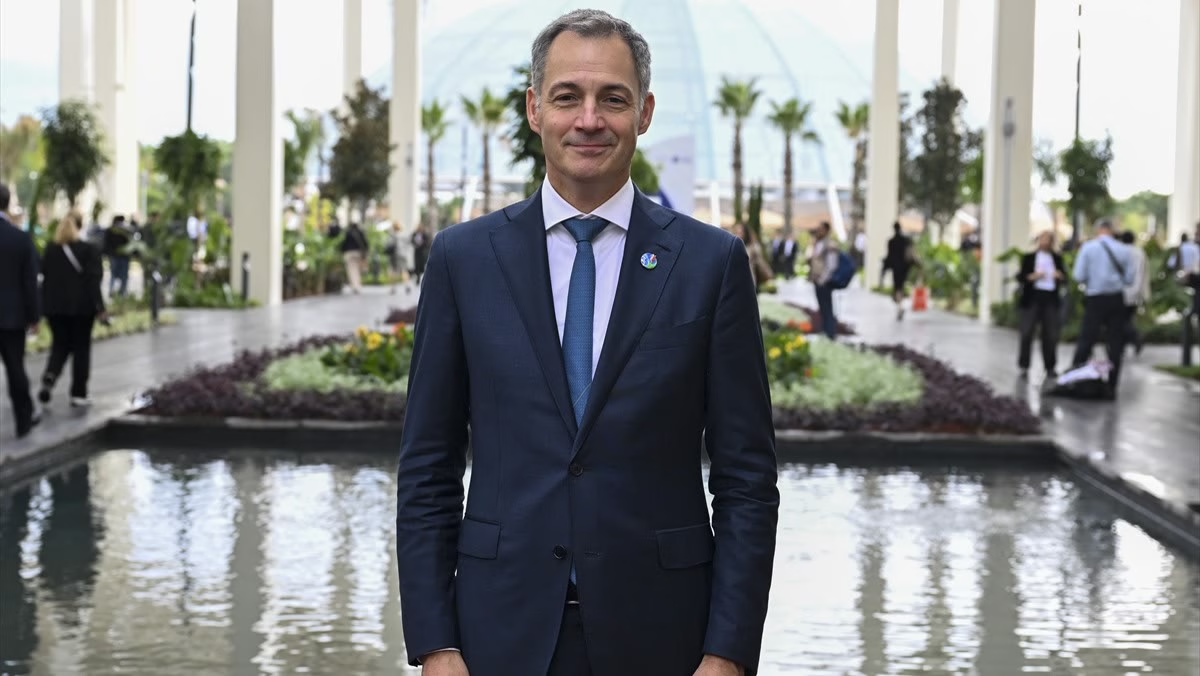
Waiting out the climate crisis will cost far more than acting on it, the head of the United Nations Development Programme said at the COP31 climate summit in Antalya, Türkiye, where delegates are wrangling over who pays for adaptation in poorer countries.
UNDP Administrator Alexander De Croo, a former prime minister of Belgium, put a price tag on the current El Niño cycle in an interview with AFP on Friday: hedging its impact would cost $36 billion if done now, versus $73 billion if countries wait. "Not acting is the most expensive climate policy that you could have," he said.
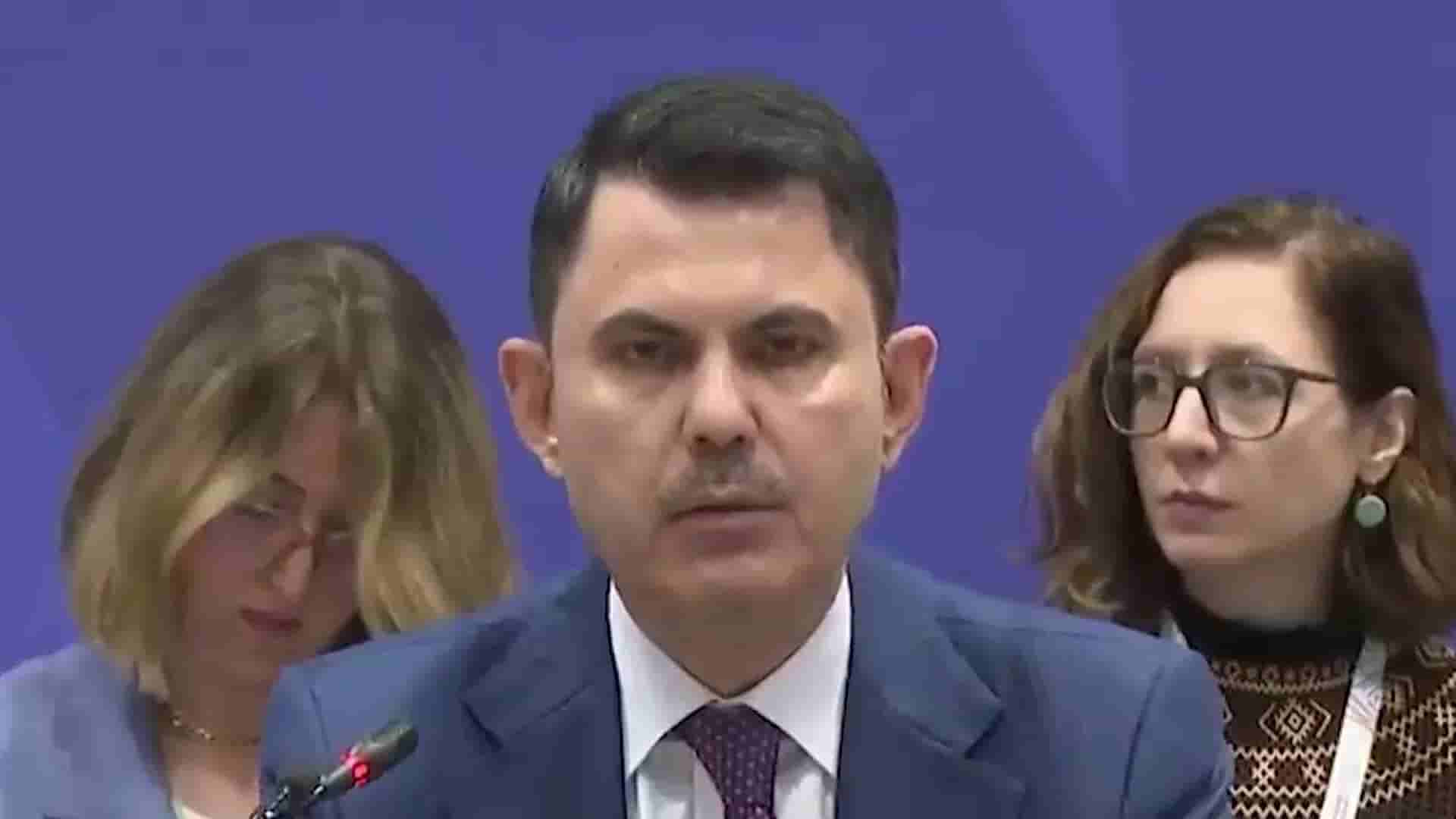
In this video recorded at the conference venue, De Croo says COP31 "really is different" because millions of people now feel the impact of climate change in their daily lives. Climate investment saves lives, creates jobs, attracts investment and builds more resilient economies, he argues, and the summit will be judged "by the investment that got unlocked, by the projects that got moved."
A pitch to business
In a separate interview with Anadolu, De Croo said the technology and the money for climate action already exist; the task is getting them to the places that need them most. Roughly a third of UNDP's work is now climate-related, from policy reform to building solar plants.
He urged companies to get involved at the earliest stage of projects rather than wait, saying the world needs private-sector investment now and that no country has become prosperous without a strong private sector. UNDP can help identify the right projects and share risk, he added.
De Croo acknowledged that rich countries are squeezed by debt and the cost of wars, and that capital is expensive in developing nations where uncertainty is high. "Investment is not coming to places where there is no trust," he told AFP, adding that UNDP works with 47 countries on policy and legal reforms to build that trust.
Shocks piling up
Developing countries "have never had time to recover" since the COVID-19 pandemic, De Croo said, listing the economic fallout of the war in Ukraine, the closure of the Strait of Hormuz, El Niño and rising borrowing costs. A UNDP report published this week cited African Development Bank estimates that the current El Niño could cause $10 billion to $20 billion in damage across African countries.
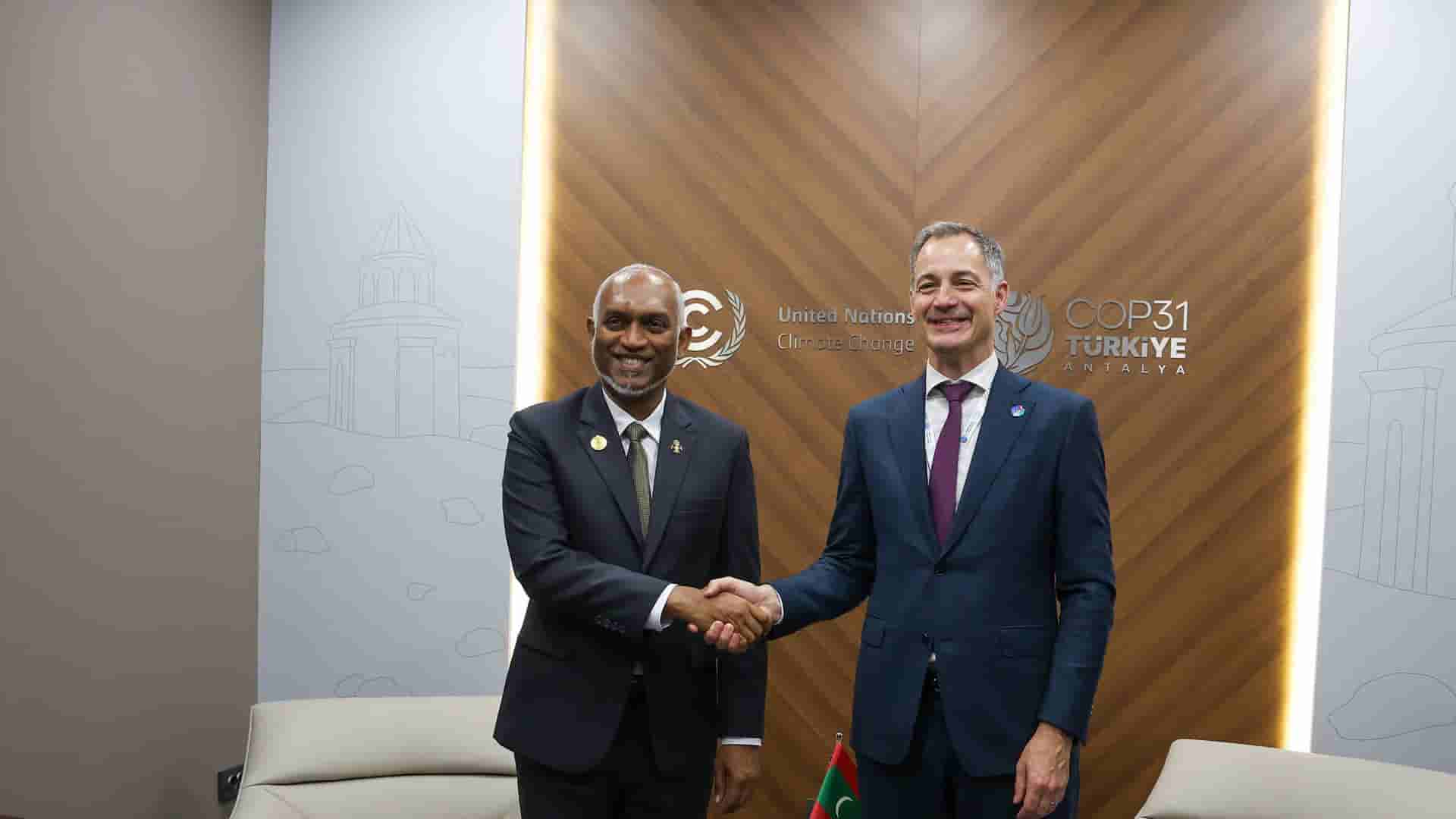
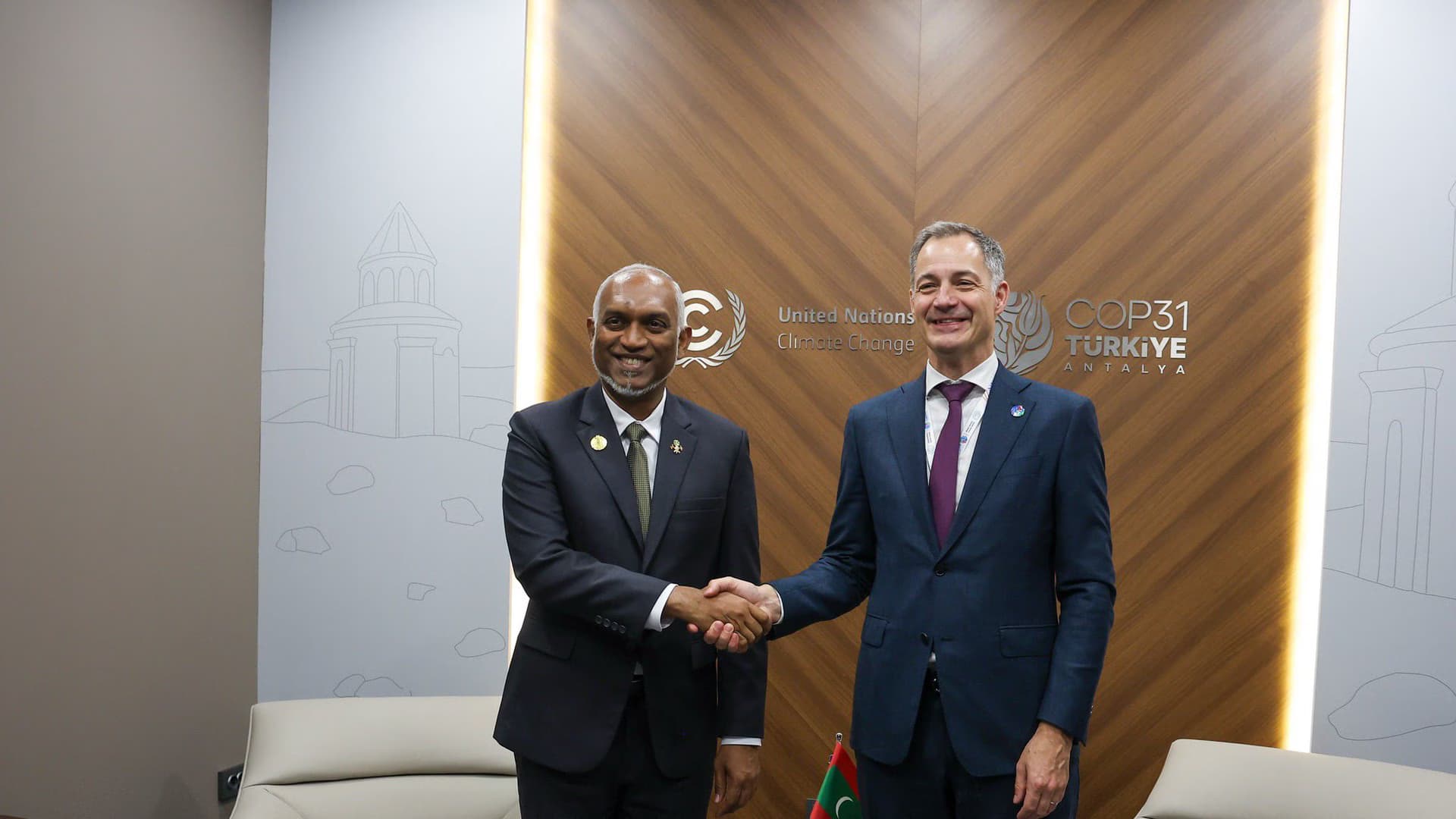
On the sidelines of the summit, De Croo also met Maldives President Mohamed Muizzu. Small island states are on the front line of climate change and exposed to today's geopolitical shocks, he said afterward, adding that UNDP will deepen its partnership with the Maldives on climate finance and clean energy.
De Croo told Anadolu that UNDP's long-running cooperation with host Türkiye has taken concrete form through the Climate Implementation BRIDGE, a COP31 Presidency initiative linking national climate plans with financing and projects. Türkiye and UNDP have set up a joint support mechanism to help countries turn those plans into action, he said.
Photos: UNDP Administrator Alexander De Croo, Anadolu. Video: UNDP
Stay Updated with Ally Daily
Subscribe to be informed about special news, developments and announcements. We will keep you informed.
By signing up, you agree to our Privacy Policy