- BIST10011,908+0.55%
- USD50.28+0.05%
- EUR55.60-0.24%
- GOLD3,872.60-0.35%
- INTEREST36.00%-1.00
- BITCOIN64,570-1.14%
- November 16, 20262°
- BIST10011,908+0.55%
- USD50.28+0.05%
- EUR55.60-0.24%
- GOLD3,872.60-0.35%
- INTEREST36.00%-1.00
- BITCOIN64,570-1.14%
- November 16, 20262°
WHO official at COP31: diseases once thought gone are returning as climate shifts
Dr. Adham Ismail, WHO's officer-in-charge for the Eastern Mediterranean, said heat waves, sandstorms and water scarcity are reshaping disease patterns. Countries cannot wait for perfect data before they act, he told Anadolu.
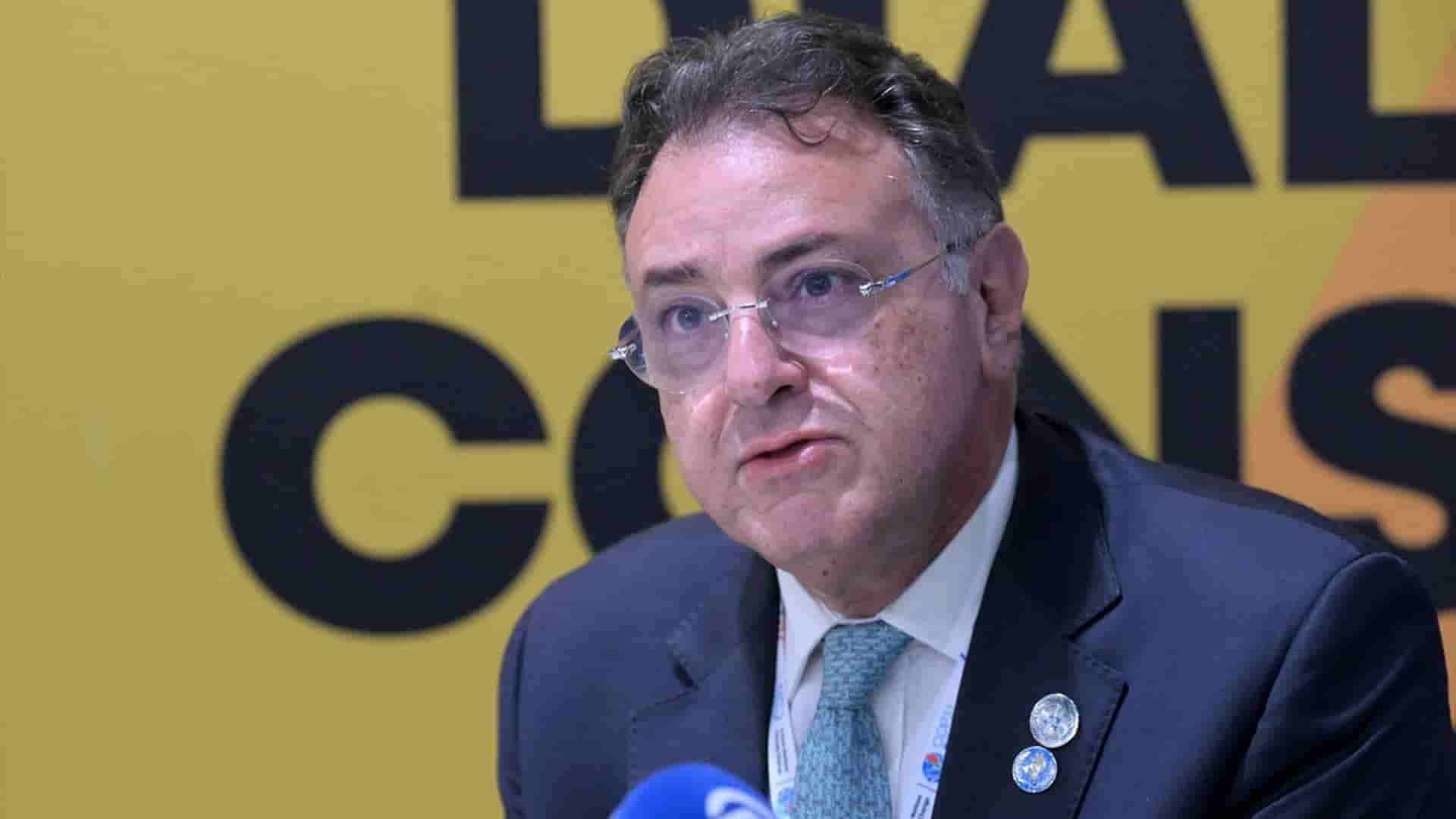
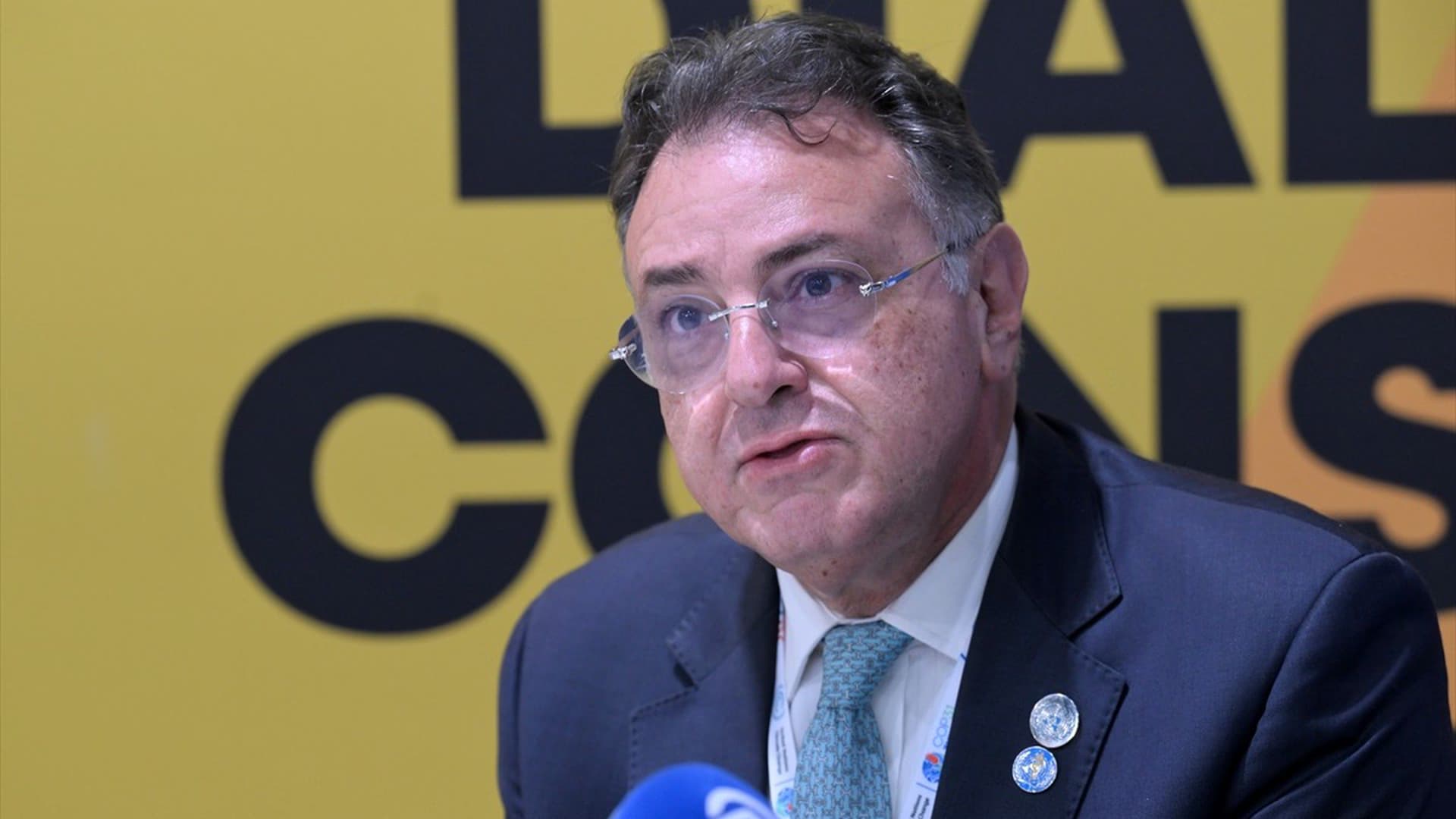
Diseases that were believed to have disappeared from the Eastern Mediterranean are increasingly resurfacing as climate change alters heat, dust and water patterns, a senior World Health Organization official warned at the COP31 climate summit in Antalya, Türkiye.
Dr. Adham Ismail, WHO's director of programme management and officer-in-charge for the Eastern Mediterranean region, told Anadolu that shifts in heat waves, sandstorms and water scarcity are changing the epidemiological profile of illnesses across the region. Climate change, he said, is now a driver of both infectious and noncommunicable diseases.
His message to governments: stop waiting for perfect data before acting. Ismail noted that the theme of COP31 is immediate action and said WHO is looking to experts for recommendations on drawing up national adaptation plans, since every country's situation is different.
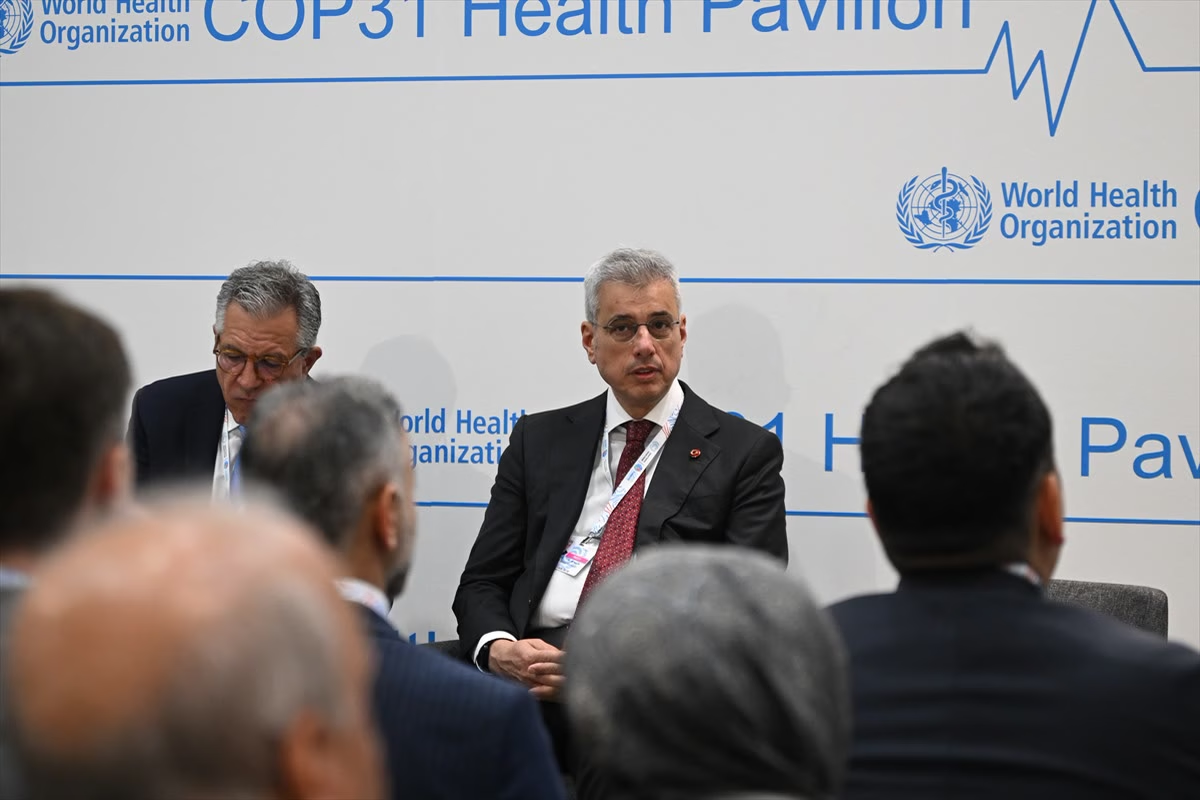
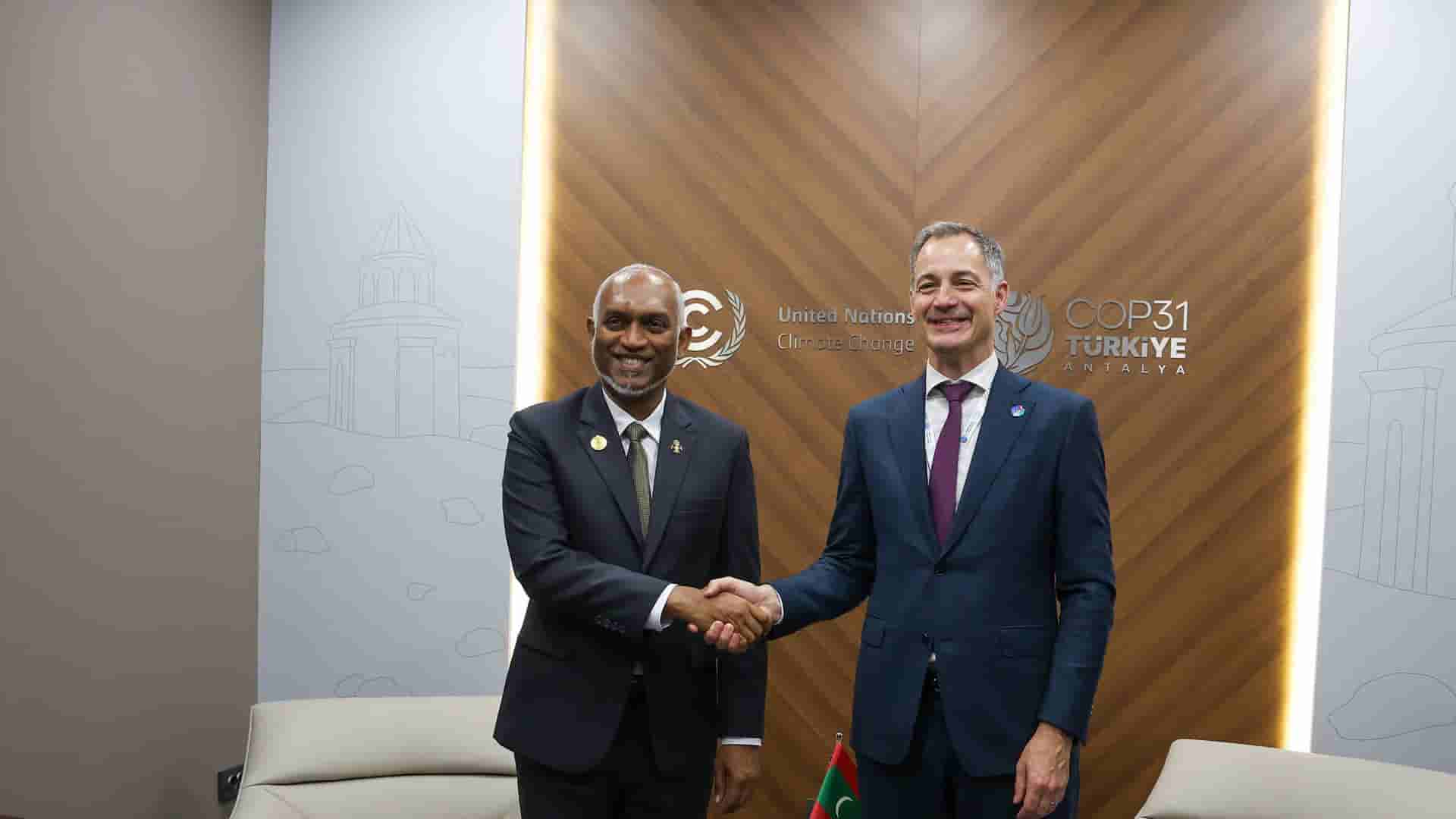
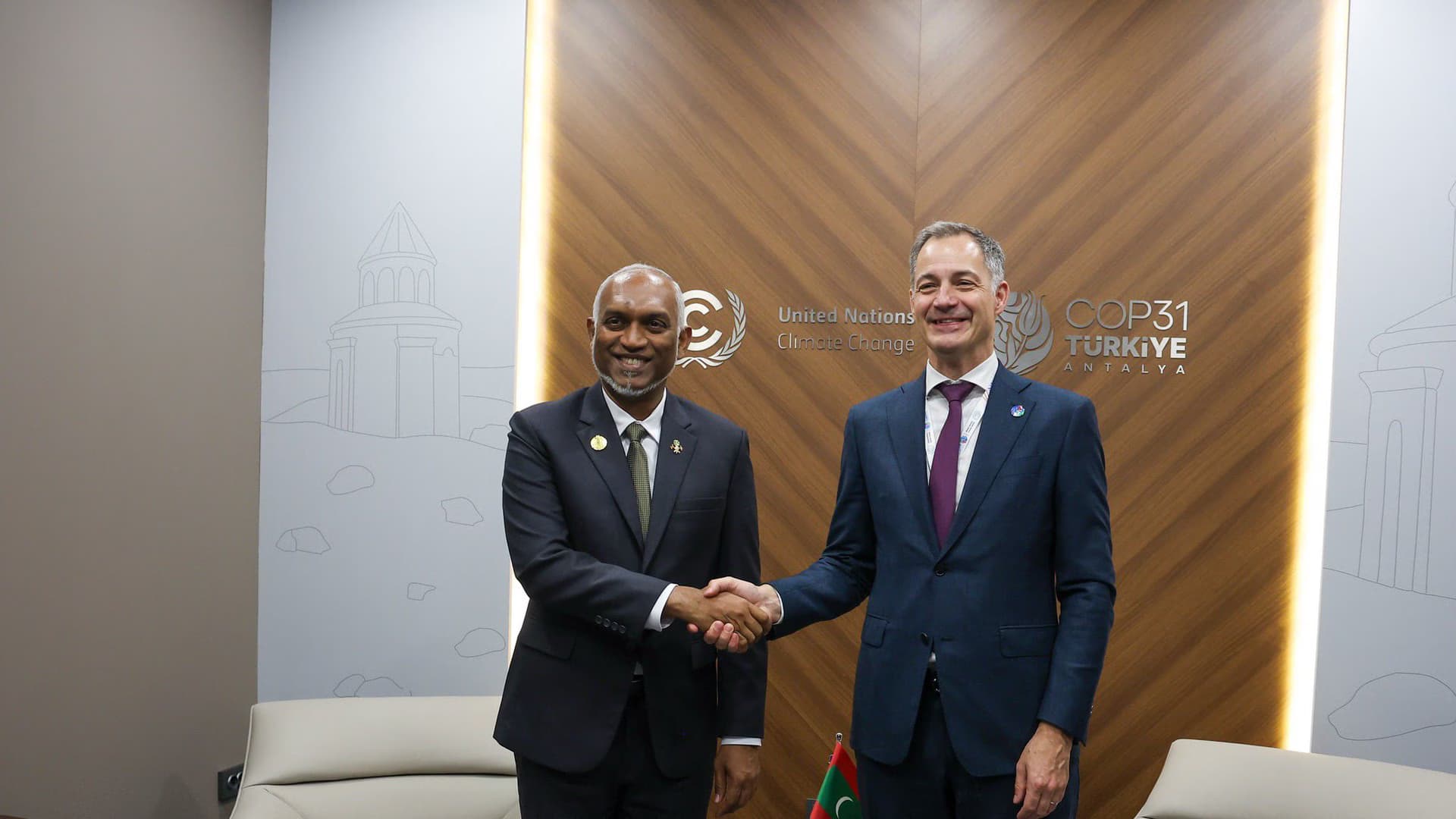
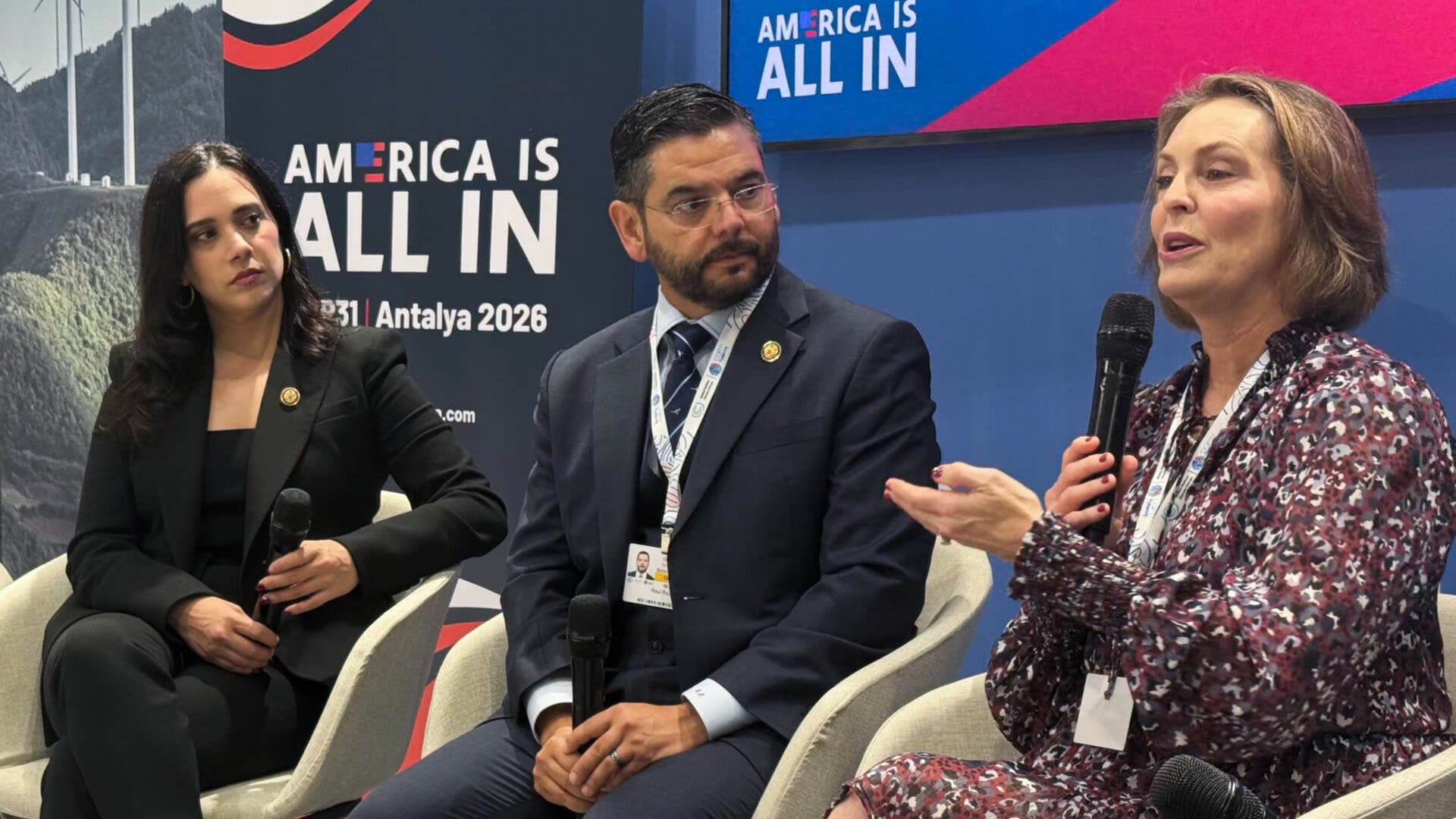
Health has a higher profile at this year's talks. WHO runs a dedicated Health Pavilion at the venue, where Türkiye's health minister, Kemal Memişoğlu, joined a session during the Alliance for Transformative Action on Climate and Health (ATACH) Day earlier this week.
Conflict, displacement and strained hospitals
Ismail said the Eastern Mediterranean, where several countries are in conflict, has the largest displacement of people of any region. When people move, the services they once received have to move with them, and many countries cannot afford that, he said, adding that displacement worsens water shortages.
Hospitals cannot absorb sudden waves of migrants and refugees, he said, which puts more pressure on already fragile health systems, stretches WHO's capacity to deliver care and lets diseases spread before they can be contained.
A funding gap
Ismail called for more resilient health systems and steadier funding for national action plans. Jordan, Morocco and Tunisia have begun to act, and Somalia and Iraq are on the way, he said. Given the resource constraints facing U.N. agencies, he argued, targets will be missed without help from governments, NGOs, community groups and other U.N. bodies.
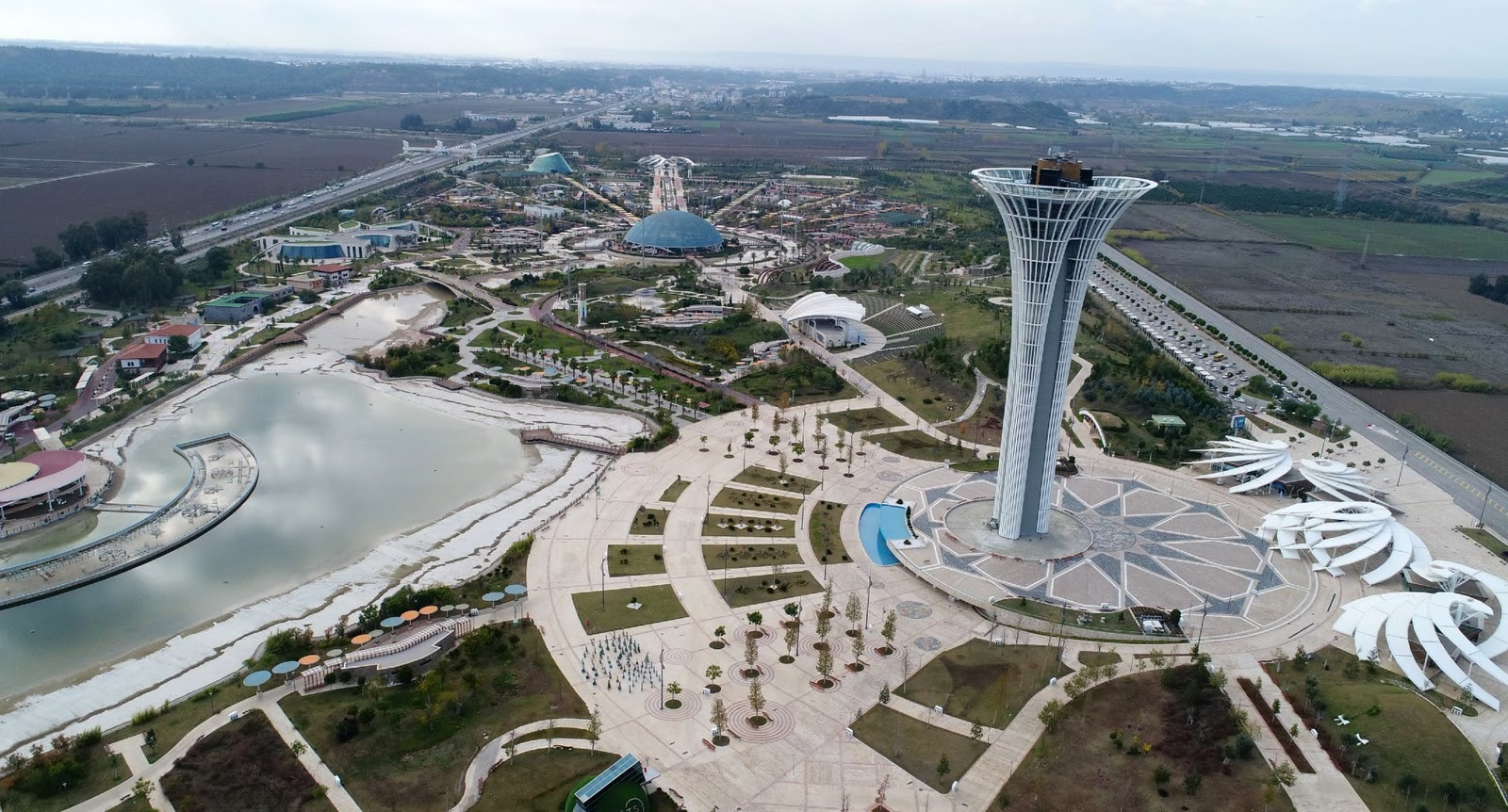
COP31 is being held at the former Expo 2016 site in Antalya. Host Türkiye has made health a standalone action area for the first time in COP history, according to its health ministry, and launched the Antalya Initiative for Health Resilience (AIR), which WHO says will be coordinated through ATACH.
Ismail credited Türkiye with putting health on the climate agenda for the first time since the COP process began and said the Türkiye-led COP31 could be a starting point for tackling all of these issues.
Photos: Anadolu, World Health Organization
Stay Updated with Ally Daily
Subscribe to be informed about special news, developments and announcements. We will keep you informed.
By signing up, you agree to our Privacy Policy