- BIST10011,722-2.89%
- USD49.45+0.05%
- EUR55.62+0.37%
- GOLD4,181.10+0.26%
- INTEREST37.00%-1.00
- BITCOIN81,509+0.01%
- October 17, 202613°
- BIST10011,722-2.89%
- USD49.45+0.05%
- EUR55.62+0.37%
- GOLD4,181.10+0.26%
- INTEREST37.00%-1.00
- BITCOIN81,509+0.01%
- October 17, 202613°
Estonia on Alert as Activity Near Russian Border Draws Attention
Estonian authorities are closely monitoring developments along the country’s eastern border after Russia introduced temporary movement restrictions in areas near the Estonian frontier.
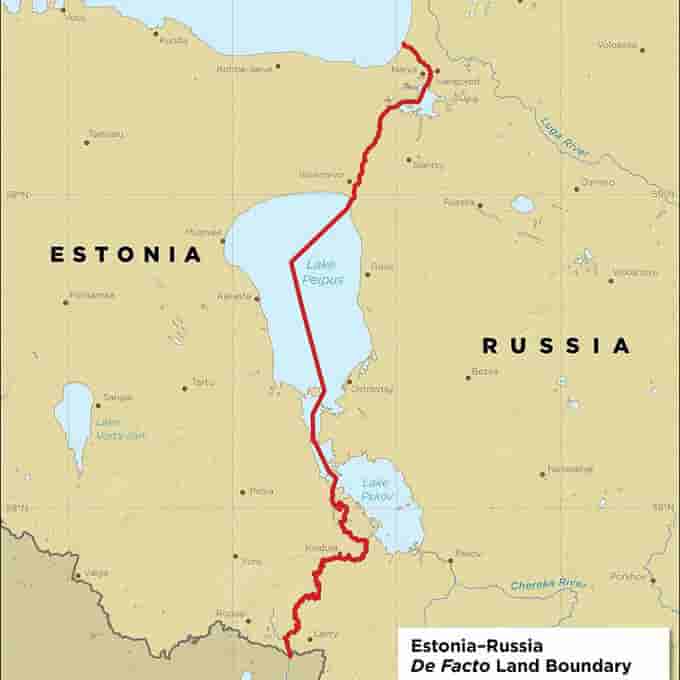
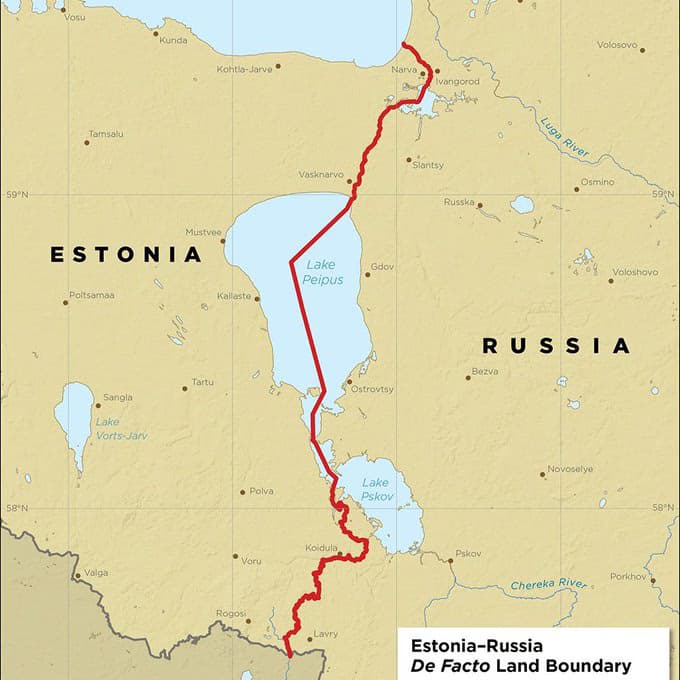
Estonia is closely monitoring developments along its eastern border after Russia introduced temporary movement restrictions in several areas close to the Estonian frontier.
The restrictions are in effect from September 16 to 26 in the Kingisepp and Slantsy districts of Russia’s Leningrad region, which borders Estonia.
Russia introduces temporary restrictions near border
The measures imposed by Russian authorities include restrictions on the movement of people and small vessels in certain parts of the border area.
Movement of people and vehicles outside populated areas within approximately five kilometers of the border is also restricted during nighttime hours.
Russian authorities say the measures are intended to strengthen border security and prevent illegal border crossings and migration.
Estonia closely monitoring developments
Estonian authorities say developments on the Russian side of the border are being closely monitored and the security situation along the country’s eastern frontier remains under continuous assessment.
Estonia’s border with Russia also forms part of the external border of both the European Union and NATO.
Limited operating hours remain at Estonia-Russia crossings
Estonia had previously reduced operating hours at its land border crossings with Russia as part of measures aimed at strengthening border security.
The Narva-1, Koidula and Luhamaa border crossings currently operate between 7 a.m. and 7 p.m.
The Estonian government decided in August to maintain the restricted operating hours indefinitely.
According to Estonia’s Interior Ministry, the arrangement strengthens border security, improves authorities’ ability to respond to potential incidents and allows more effective customs inspections.
Security measures remain heightened on eastern border
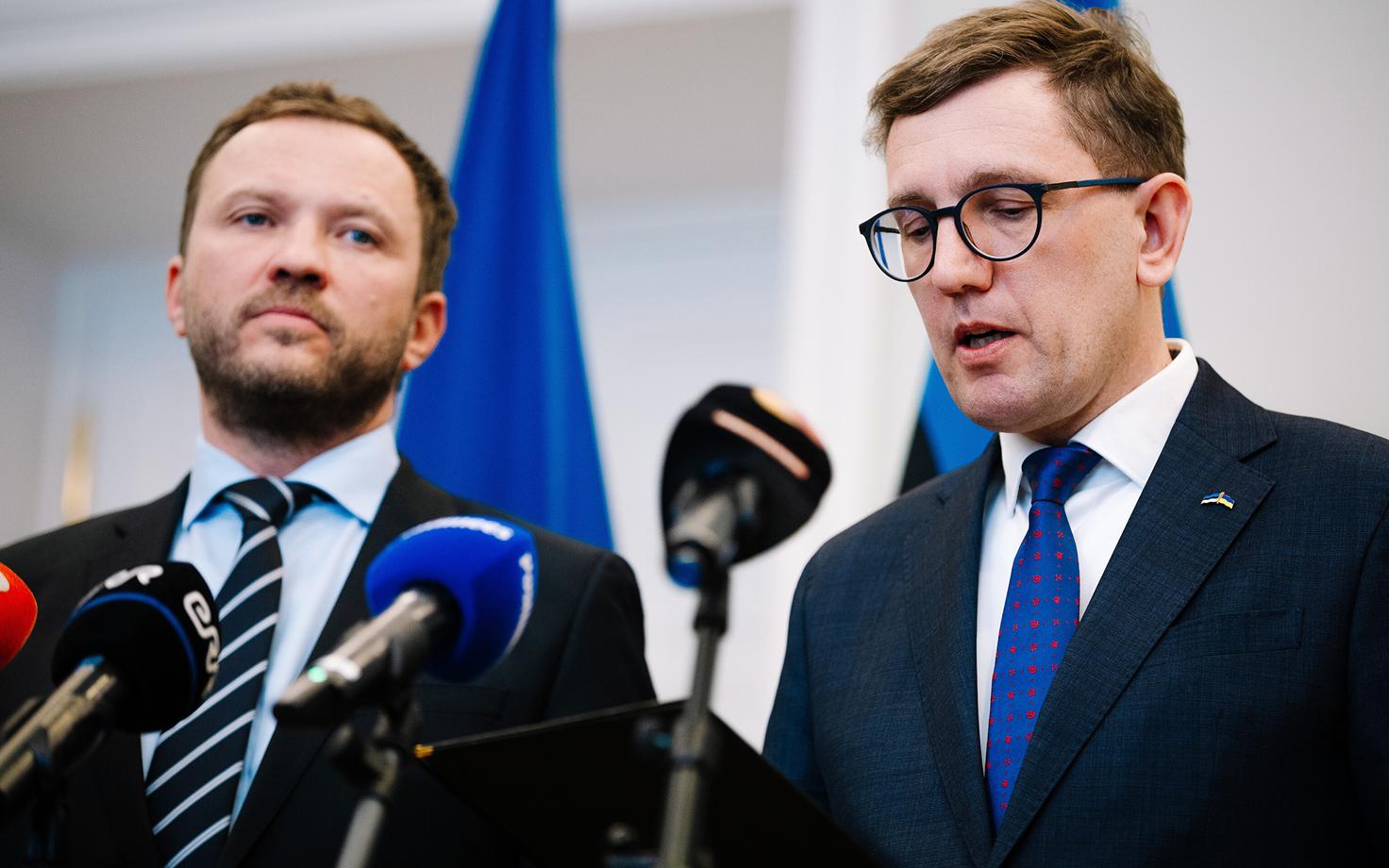
Estonia has gradually strengthened security measures along its eastern border since Russia’s full-scale invasion of Ukraine.
Estonian authorities have said the current security assessment does not require the complete closure of the border with Russia, while developments in the region continue to be closely monitored.
Stay Updated with Ally Daily
Subscribe to be informed about special news, developments and announcements. We will keep you informed.
By signing up, you agree to our Privacy Policy