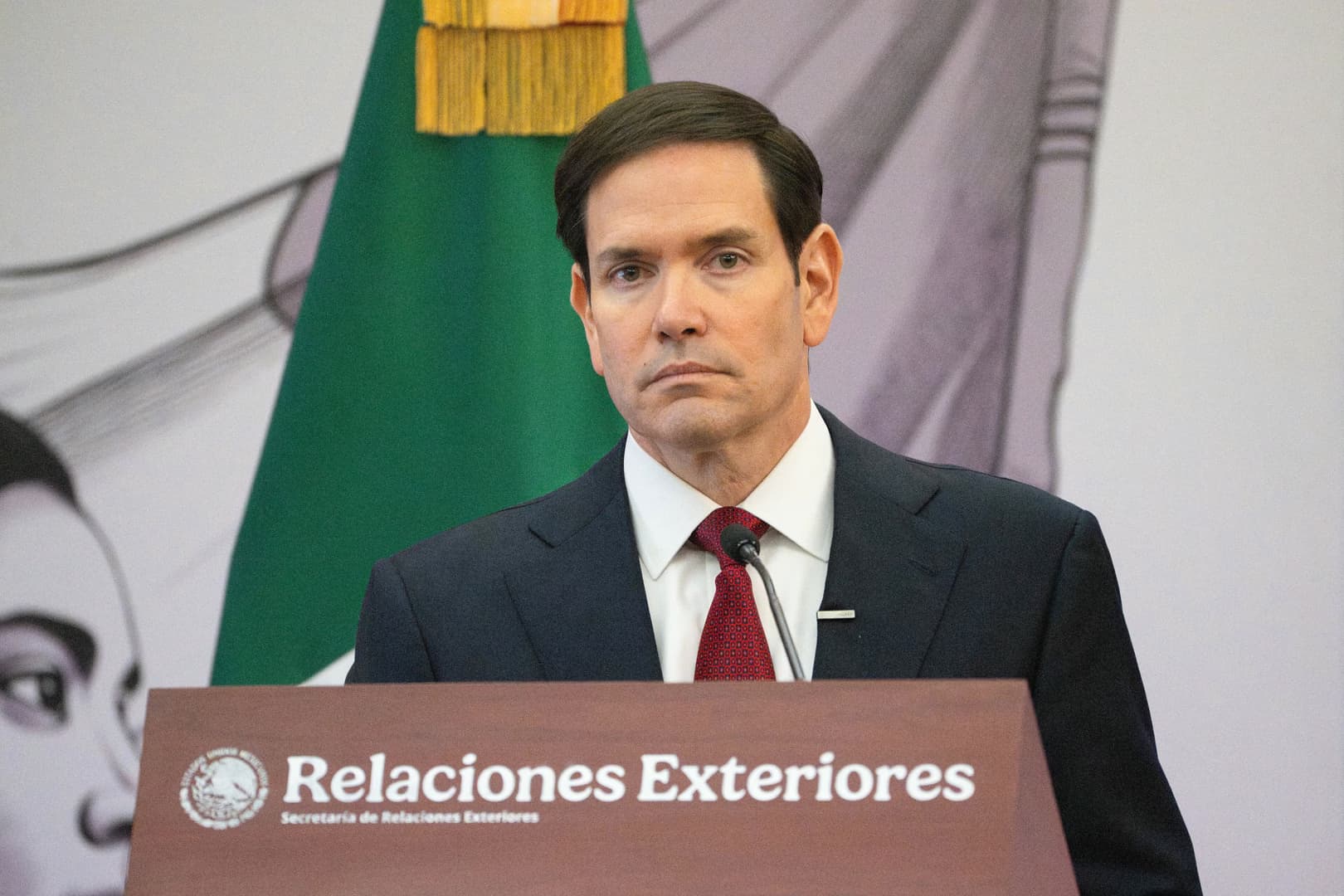
The US State Department has notified Congress that it plans to close five diplomatic missions as part of reducing its overseas diplomatic presence. This is a rare step that envisions the simultaneous closure of multiple overseas missions.
According to Reuters, a document sent to congressional committees last weekend listed the missions planned for closure as those in Nagoya, Japan; Winnipeg, Canada; Medan, Indonesia; St. George's, Grenada; and Douala, Cameroon.
The planned closures are seen as part of a general cost-cutting strategy, not linked to any specific geopolitical crisis. A similar approach was floated in the early months of the Trump administration, with the closure of dozens of overseas missions.
The White House Office of Management and Budget had previously discussed a more comprehensive plan that included closing up to 30 missions. Some administration officials argued that small missions create unnecessary cost burdens.
However, Democrats and former foreign policy officials warn that reducing the diplomatic presence will weaken US global influence and create a vacuum that China and Russia could fill.
The State Department, in a response to a request for comment on August 1, did not confirm the closure plans but said it is focused on keeping the diplomatic presence effective and efficient and will comply with congressional notification procedures.
Secretary of State Marco Rubio defends the spending cuts as a necessary step to align the department's size with its missions. Many conservatives view the State Department as bloated and overly bureaucratic.
During the Biden administration, the US opened new diplomatic missions in the Pacific region, where it competes with China. While China does not have missions in Douala and Winnipeg, it has a diplomatic presence in St. George's, Nagoya, and Medan.