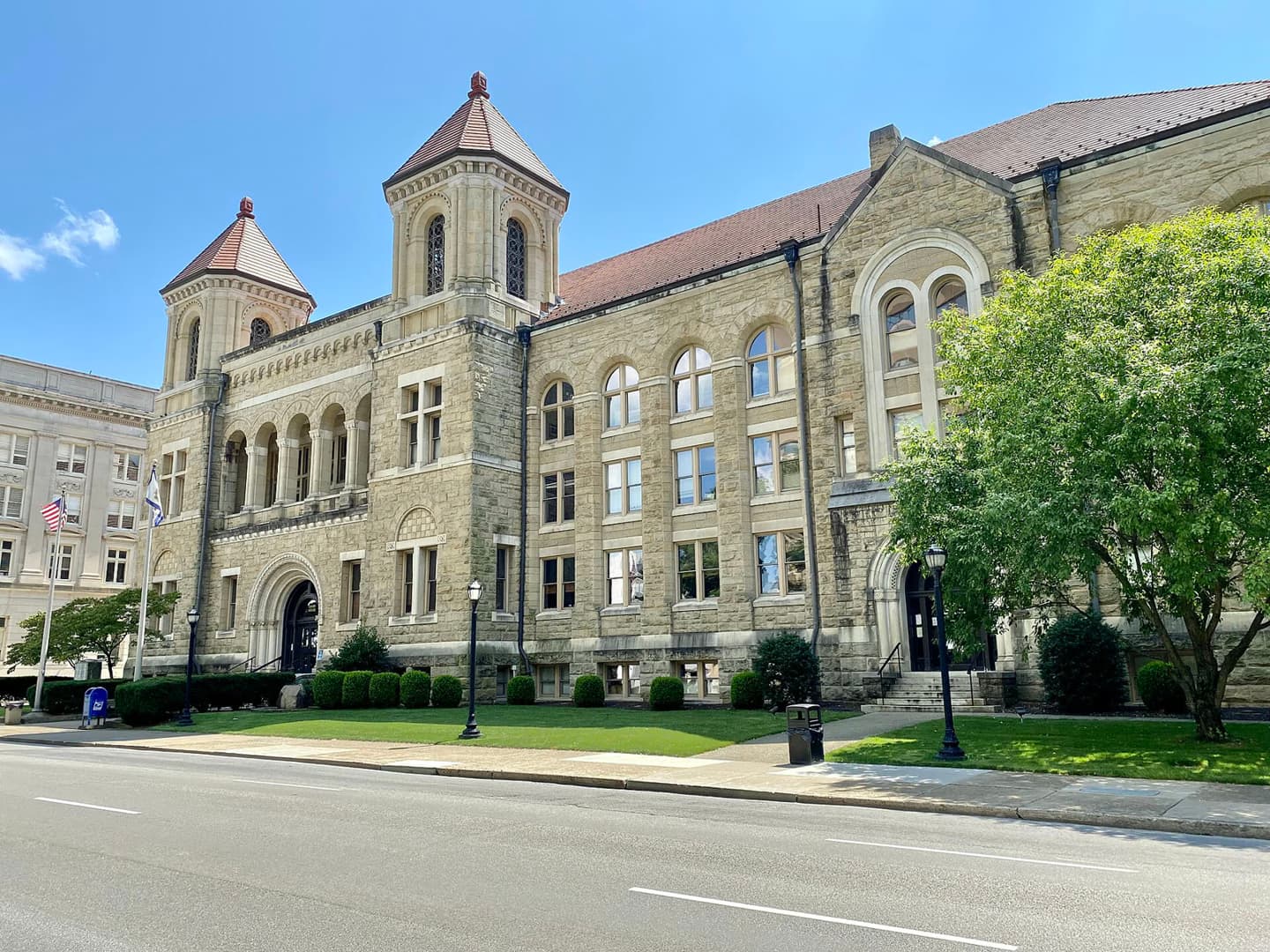
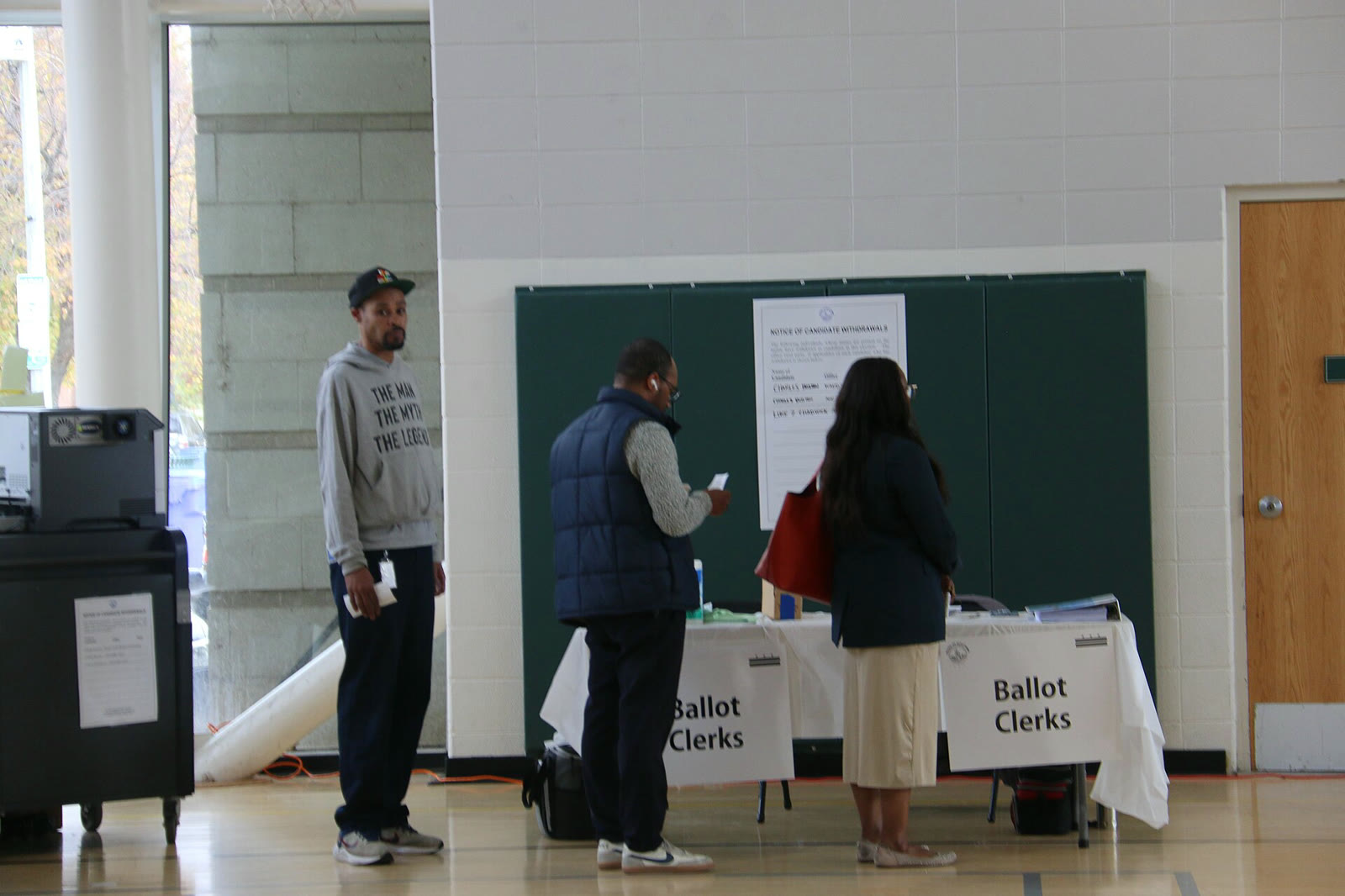
The Trump administration decided not to invite international observers from the Organization for Security and Co-operation in Europe for the congressional midterm elections planned for Nov. 3.
The decision ended the United States’ practice, in place since 2002, of inviting international observers to presidential and congressional midterm elections. The observers monitored the elections and prepared reports.

Washington defends decision not to issue invitation
The U.S. administration argued that the integrity of the elections does not depend on the approval of international observers. White House Deputy Press Secretary Lauren Pease said the elections would be administered by American citizens, who would participate in and monitor the process.
A State Department spokesperson also said OSCE resources would be better used in other countries holding critical elections rather than in the United States. The spokesperson said U.S. elections are already subject to sufficient oversight.
Democrats criticize the decision
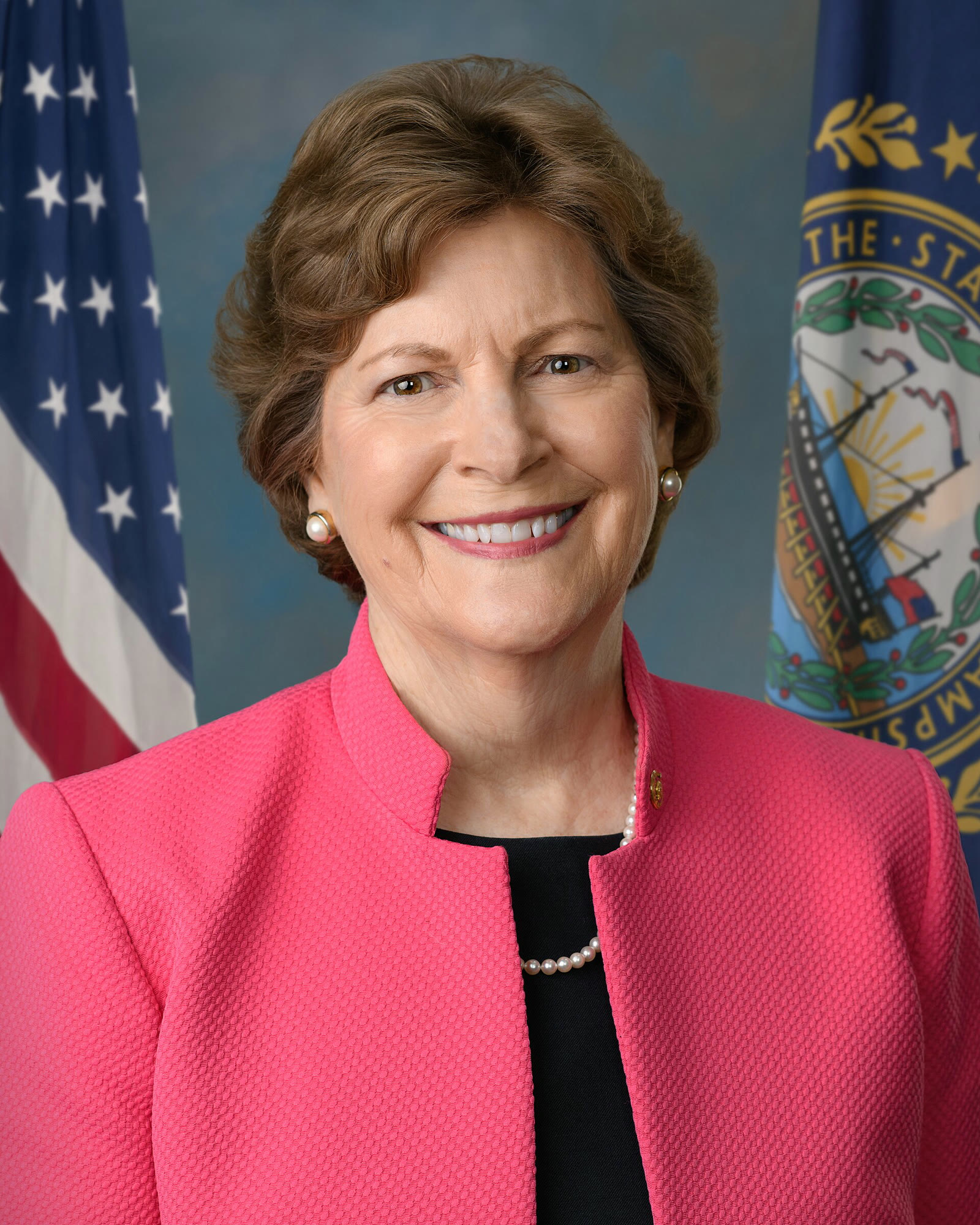
Democratic members of Congress argued that failing to invite international observers would harm U.S. democracy. Democratic Senator Jeanne Shaheen said the decision was completely contrary to the principles of freedom, democracy and transparency that define U.S. elections.
Democratic Congressman Steve Cohen alleged that the administration was preparing a “joke” for the American people on Election Day, Nov. 3.
Practice among 57 countries
Experts who spoke to the U.S. media said Russia and Belarus were the only countries among the 57 OSCE member states that did not accept election observers.
The organization’s Parliamentary Assembly announced in a written statement dated Sept. 23 that it had not received an invitation from the United States to monitor the Nov. 3 elections. The assembly said it was “deeply disappointed” by the situation.