- BIST10011,483+0.04%
- USD50.05+0.05%
- EUR56.25-0.01%
- GOLD4,067.00-1.13%
- INTEREST36.00%-1.00
- BITCOIN75,661-0.42%
- November 6, 202621°
- BIST10011,483+0.04%
- USD50.05+0.05%
- EUR56.25-0.01%
- GOLD4,067.00-1.13%
- INTEREST36.00%-1.00
- BITCOIN75,661-0.42%
- November 6, 202621°
House Republicans ask Nvidia's Huang to brief Congress on alleged Chinese spy ties
Three House Republican committee chairmen have asked Nvidia CEO Jensen Huang to attend a closed-door briefing on Nov. 18 about his relationship with Megaspeed executive Alice Huang, whom U.S. intelligence reportedly identified as a Chinese intelligence asset.
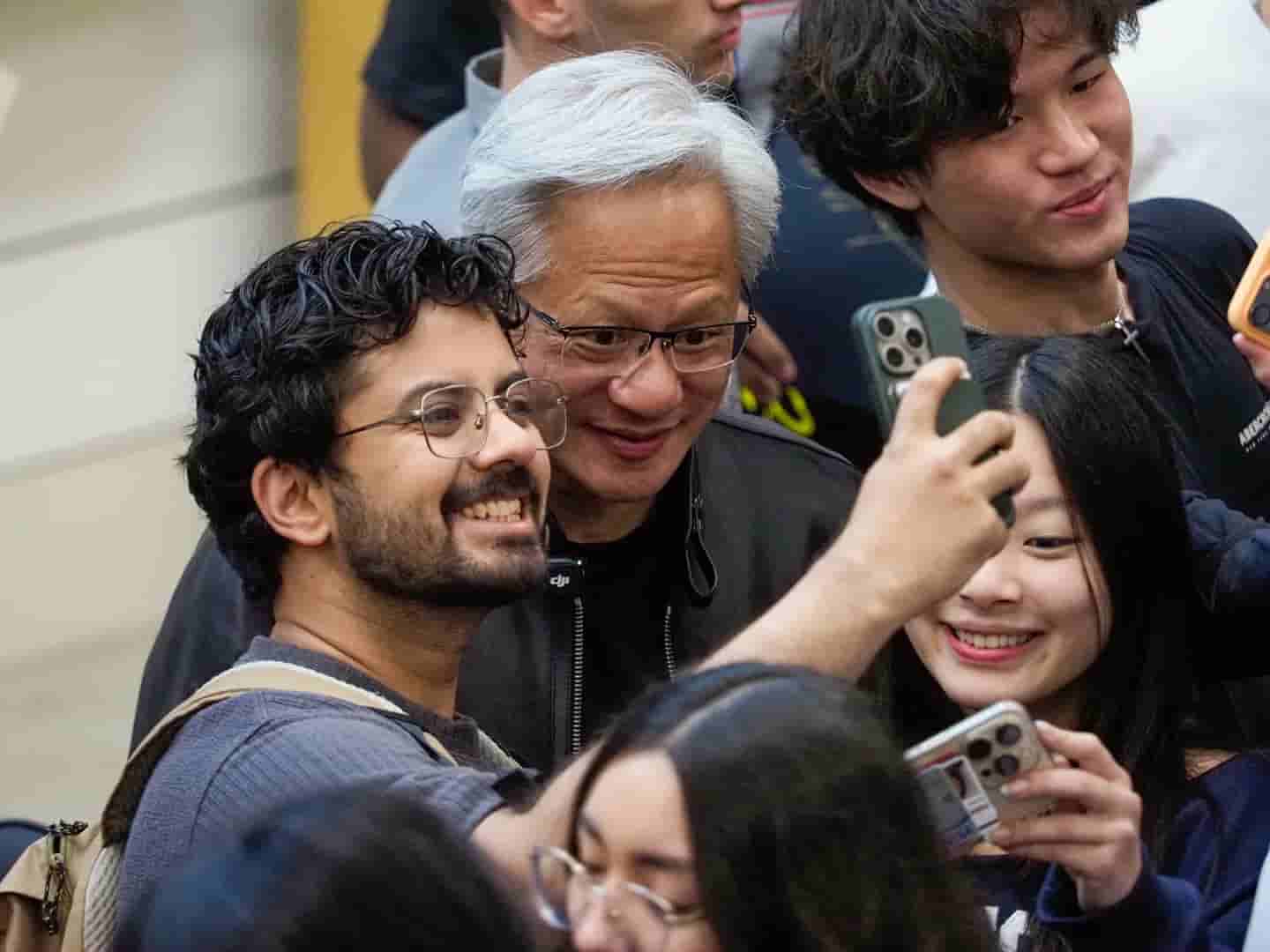
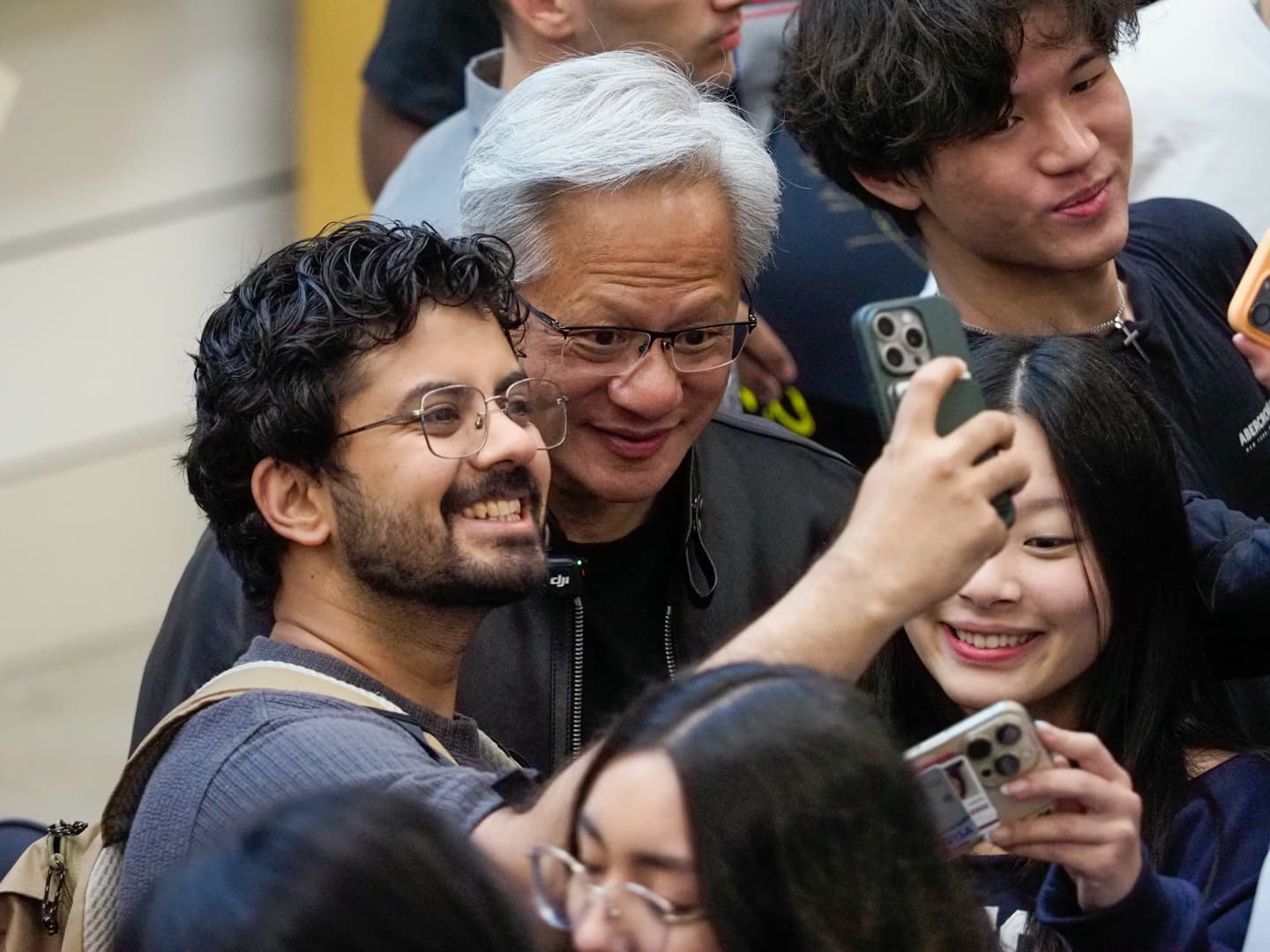
Three House Republican committee leaders have asked Nvidia CEO Jensen Huang to sit for a closed-door briefing on his relationship with a tech executive reportedly identified as a Chinese intelligence asset. "Recent reports raise significant national security concerns regarding the PRC's access to sensitive U.S. technology and information," the lawmakers wrote in a letter dated Wednesday and made public Thursday.
The letter was signed by House Foreign Affairs Committee Chairman Brian Mast of Florida, Select Committee on China Chairman John Moolenaar of Michigan and House Intelligence Committee Chairman Rick Crawford of Arkansas. They are seeking information on Huang's interactions with Megaspeed executive Alice Huang and on Nvidia's "security protocols against foreign adversary espionage," and invited him to an in-person joint briefing on Nov. 18, one day after Nvidia is scheduled to report third-quarter earnings.
The letter does not say which reports it refers to. The New York Times reported last week that U.S. intelligence found Alice Huang, a Chinese citizen determined to be funneling information to Beijing, had "developed a close relationship" with Jensen Huang. The Times also reported that President Donald Trump, who has forged close ties with the Nvidia chief, was briefed on those findings about a year ago and "chose not to do anything with the information."
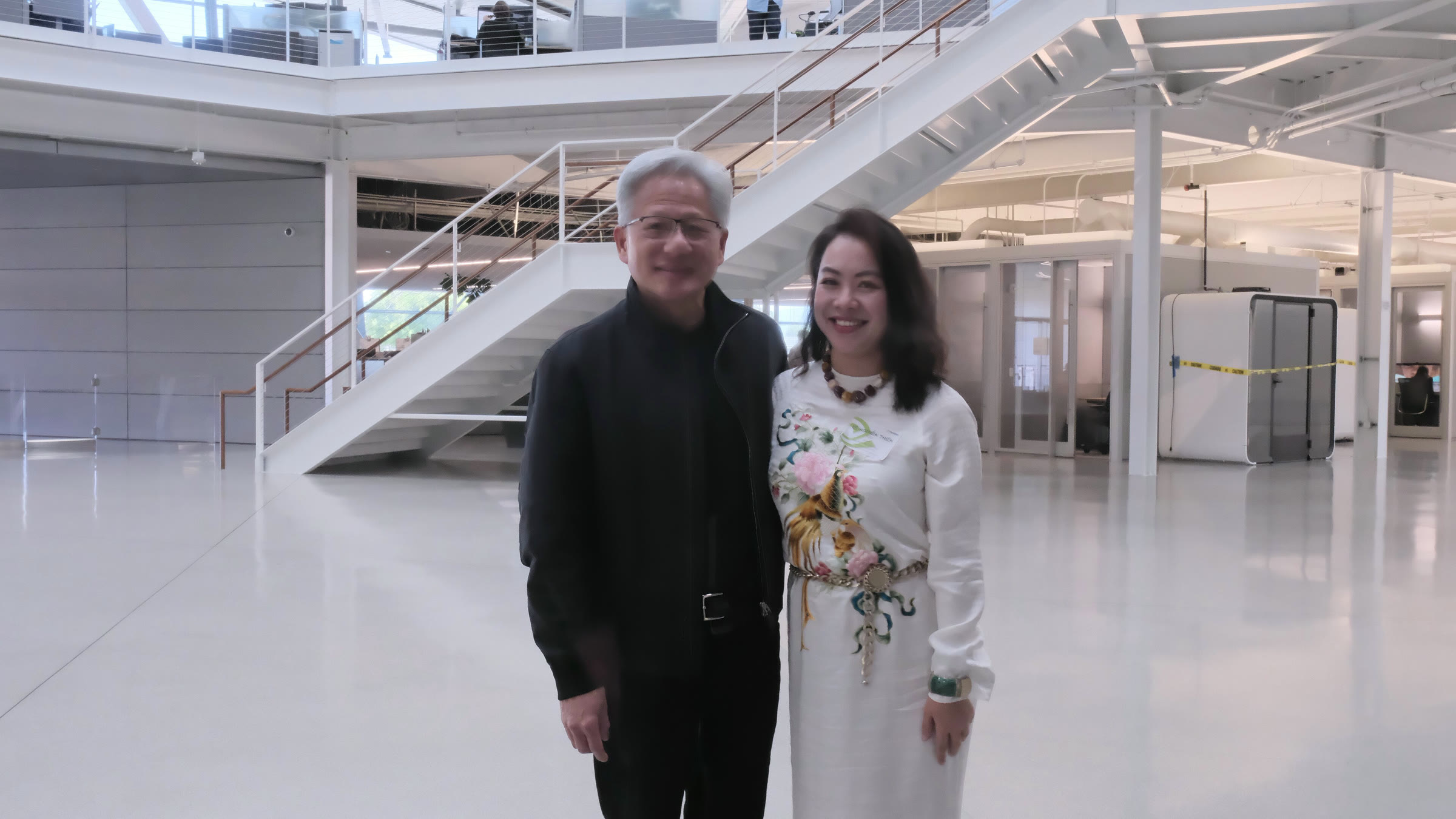
Nvidia did not say whether Huang would attend. In a statement, a spokesperson said the company's regional cloud customers "receive ordinary business information — not sensitive NVIDIA trade secrets — and zero information relevant to national security." "Meetings with customers are part of a CEO's job; Jensen talks with thousands of customer executives every year," the spokesperson said. Megaspeed did not respond to requests for comment.
"China's access to that sensitive U.S. tech is core to the investigative work of our three committees this Congress," the chairmen wrote. "It is vital that Congress determines the extent to which U.S. national security has been placed at risk." The request comes as AI chip stocks have tumbled in a two-day sell-off following Tuesday's midterm elections.
Have a story, event or announcement of your own?Send us your news on WhatsApp
Spotted an error in this story?Report it on WhatsApp
Share on all social platforms
Sponsored Ads
Featured Listings
Loading featured properties...
Stay Updated with Ally Daily
Subscribe to be informed about special news, developments and announcements. We will keep you informed.
By signing up, you agree to our Privacy Policy