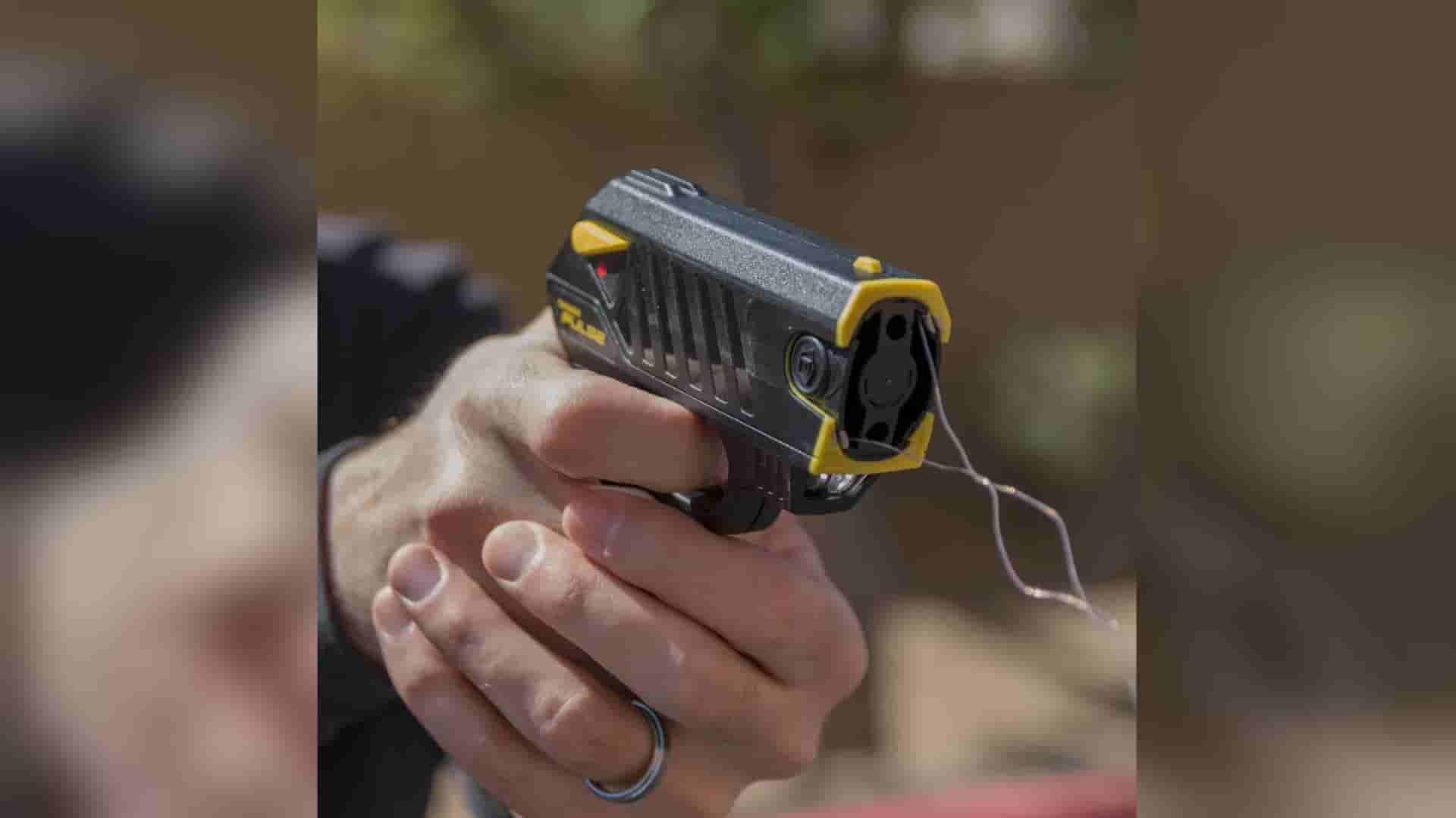
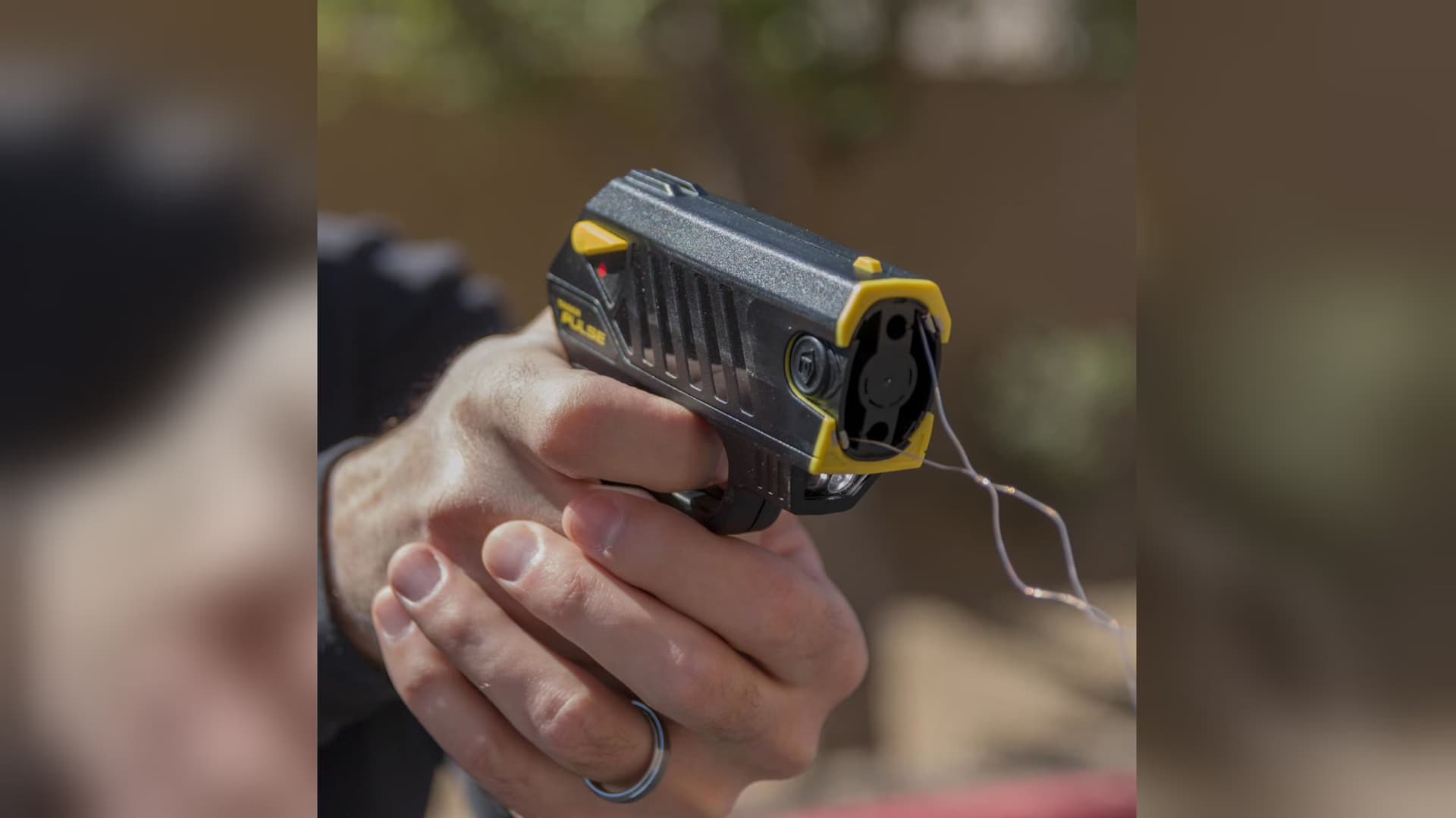
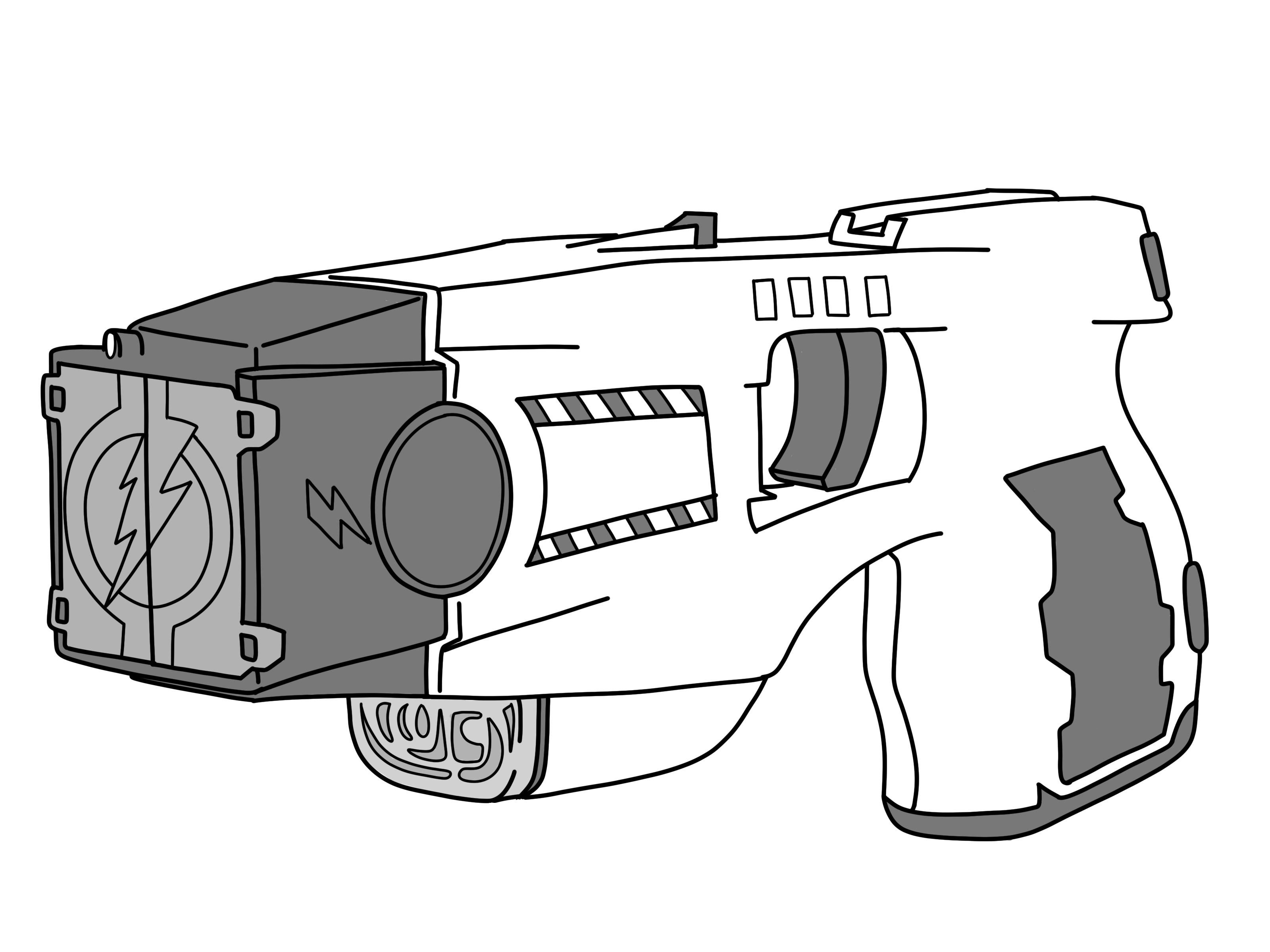
An investigation by The Guardian and Arab Reporters for Investigative Journalism (ARIJ) alleges that Taser-brand stun guns made by U.S. company Axon Enterprise were repeatedly used on Palestinian detainees in Israeli custody in 2024 and 2025.
The findings, republished this week by the Lebanese outlet Daraj, rely on the testimony of former detainees and the pattern of their injuries. The investigation says such use of the devices would violate U.S. export control regulations.
'The marks remained on his body'
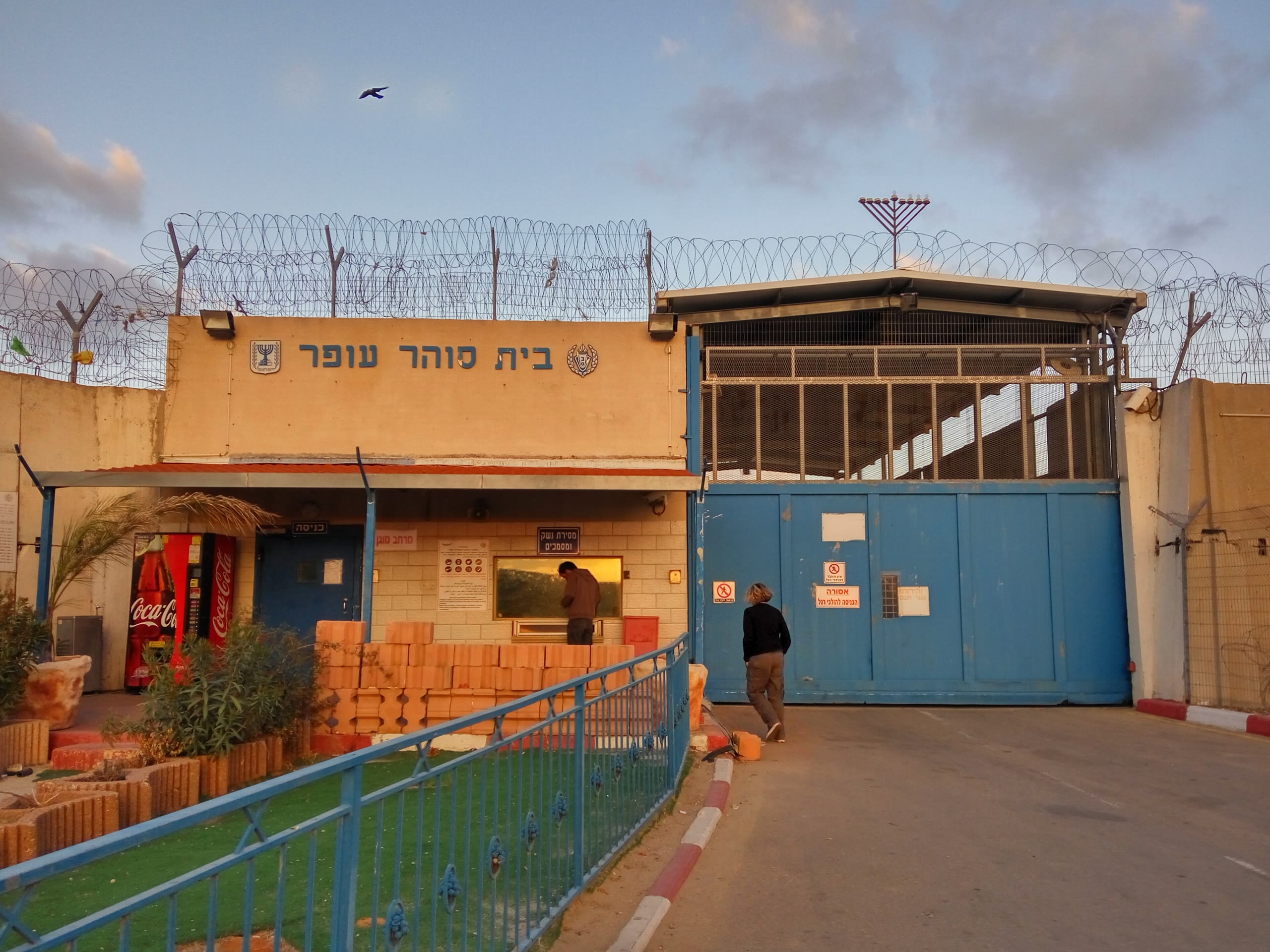
One former detainee, identified only as Issa, whose home in Beit Hanoun in Gaza was destroyed in late 2023, described being shocked while held at Ofer Prison. He was released in October 2025, and marks from the electric shocks remained on his body, according to the investigation. Several other former detainees gave similar accounts.
The International Council for the Rehabilitation of Torture Victims said clustered scars like those observed can result from repeated use of a stun gun and suggest the person was likely restrained when shocked.
The investigation says Israel Prison Service videos from September 2025 and April 2026 show a device that resembles the Taser. An Israeli Military Advocate General probe into five soldiers accused of sexually abusing a detainee at the Sde Teiman detention facility in July 2024 also said a Taser was used to shock the detainee in the head.
Procurement and company ties
According to the investigation, Israeli police sought in March 2023 to buy TASER X26P spare parts worth 3.5 million shekels (about $1.1 million) from M.R. Hunter, Axon's Israeli distributor, which in January 2024 won a stun-gun tender with a one-year term extendable for up to seven years. Axon representatives promoted the latest Taser models at a security conference in Israel in June 2025.
Axon did not respond to detailed questions from the investigation team about its sales to Israel or its oversight of how the devices are used. A spokesperson for the Israel Defense Forces said the abuse of detainees is strictly prohibited.
A regulatory gap
According to Axon's 2025 annual report, the devices are made in Arizona, and their exports are overseen by the U.S. Commerce Department's Bureau of Industry and Security. Amnesty International's Patrick Wilcken said projectile electric-shock weapons fall outside the Arms Trade Treaty, creating a regulatory gap. The U.N. Committee Against Torture said in 2025 that cases of torture and ill-treatment in Israeli detention had risen sharply since Oct. 7, 2023.