- BIST10011,690-0.91%
- USD49.58+0.05%
- EUR55.62+0.09%
- GOLD4,145.20+0.06%
- INTEREST37.00%-1.00
- BITCOIN83,321+0.46%
- October 21, 20269°
- BIST10011,690-0.91%
- USD49.58+0.05%
- EUR55.62+0.09%
- GOLD4,145.20+0.06%
- INTEREST37.00%-1.00
- BITCOIN83,321+0.46%
- October 21, 20269°
Investors rush to insure against AI defaults as tech borrowing soars
Trading in credit default swaps tied to AI-linked companies has jumped as investors hedge against a possible unraveling of the AI boom, the Financial Times reports. Protection costs on Meta, Nvidia, Alphabet and Amazon debt have hit record highs, while CoreWeave's swaps signal deep distress.
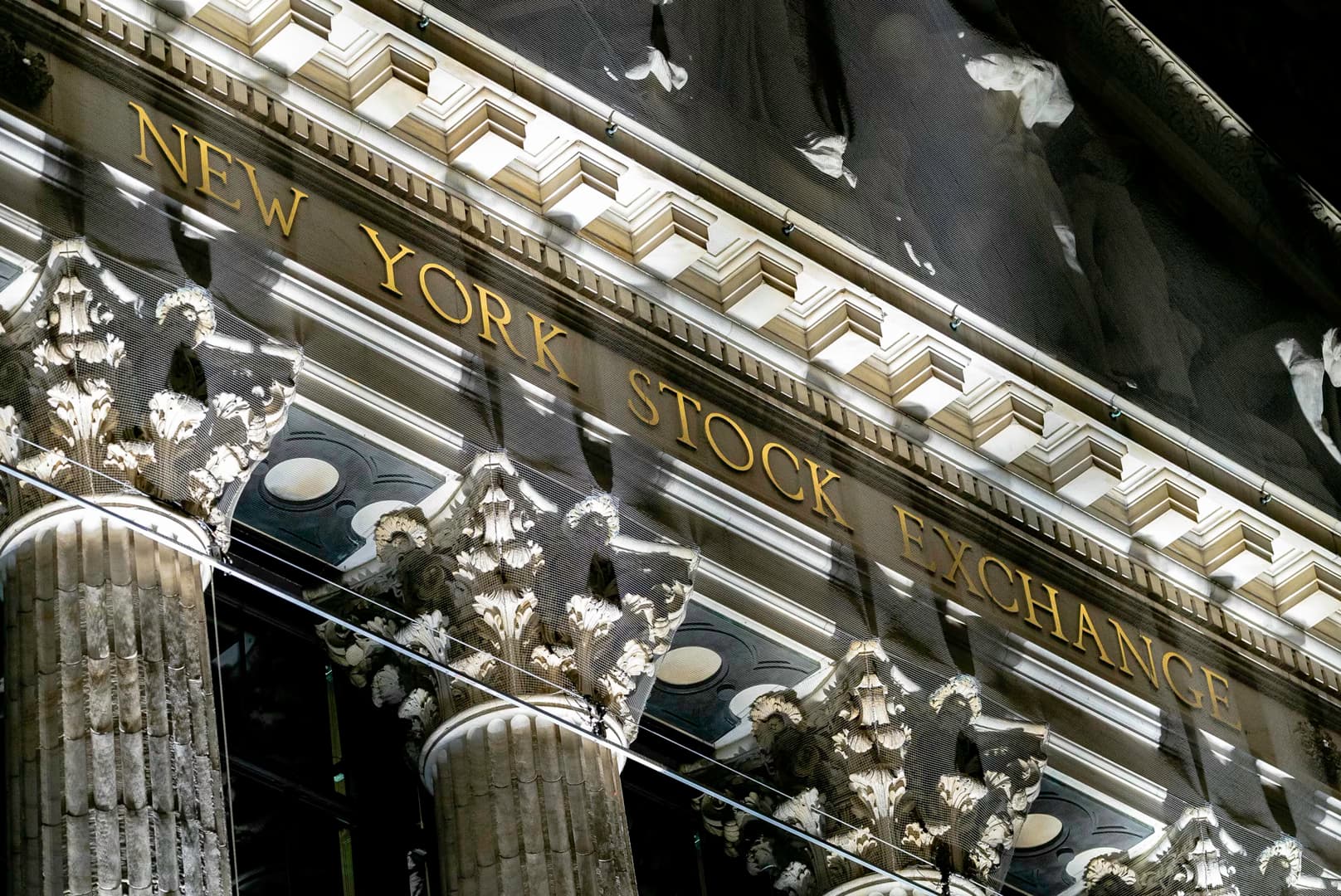
Investors are piling into credit default swaps, the insurance-like derivatives that pay out if a borrower defaults, to protect themselves in case the artificial intelligence boom unravels, the Financial Times reported. The surge is being fueled by a wave of borrowing to finance trillions of dollars in AI infrastructure.
More than $9 billion of swaps tied to bonds issued by Oracle, SpaceX, Alphabet, Amazon, Meta, Broadcom and Nvidia changed hands on average each week in September, up from less than $2 billion in July, according to Morgan Stanley Research. AI-linked debt issuance has reached an estimated $466 billion so far in 2026, compared with $101 billion in the same period last year, as companies raise money for data centers and chips.
Record prices for protection
The cost of protection has hit records this month. Five-year swaps on Meta rose to 108 basis points, meaning it costs $108,000 a year to insure $10 million of debt, while Nvidia's reached 101 basis points. Protection on Alphabet and Amazon debt is also at all-time highs. Riskier names trade far higher: Oracle's swaps were quoted at 322 basis points on Monday, up from 144 at the start of the year, and SpaceX's hit a record 226.
The biggest worry centers on cloud computing provider CoreWeave, some of whose bonds have fallen into distressed territory. Its five-year swaps trade around 1,090 basis points, meaning a buyer of $10 million of protection would pay $1.82 million upfront plus $125,000 every quarter.
A cheap hedge on a crowded trade
"CDS has become a key bellwether of investor sentiment towards hyperscaler funding and the broader AI trade," said Manish Kabra, head of US equity strategy at Societe Generale. Jim Caron of Morgan Stanley Investment Management called the swaps a "cheap hedge" in a market where risk is highly concentrated, noting that equity and multi-asset managers are now joining traditional bond investors. Analysts say the tangled financing ties between AI developers such as OpenAI and Anthropic and their computing suppliers have added to fears of a bubble.
Stay Updated with Ally Daily
Subscribe to be informed about special news, developments and announcements. We will keep you informed.
By signing up, you agree to our Privacy Policy