- BIST10011,690-0.91%
- USD49.58+0.05%
- EUR55.62+0.09%
- GOLD4,145.20+0.06%
- INTEREST37.00%-1.00
- BITCOIN83,321+0.46%
- October 21, 20269°
- BIST10011,690-0.91%
- USD49.58+0.05%
- EUR55.62+0.09%
- GOLD4,145.20+0.06%
- INTEREST37.00%-1.00
- BITCOIN83,321+0.46%
- October 21, 20269°
Late payments on US auto loans climb as monthly bills hit $765
Missed payments on American car loans are rising as pandemic-era borrowers struggle with bigger monthly bills and older, costlier-to-repair vehicles, according to a Reuters analysis highlighted by CarBuzz. Analysts warn of parallels with the subprime lending that preceded the 2008 crisis.
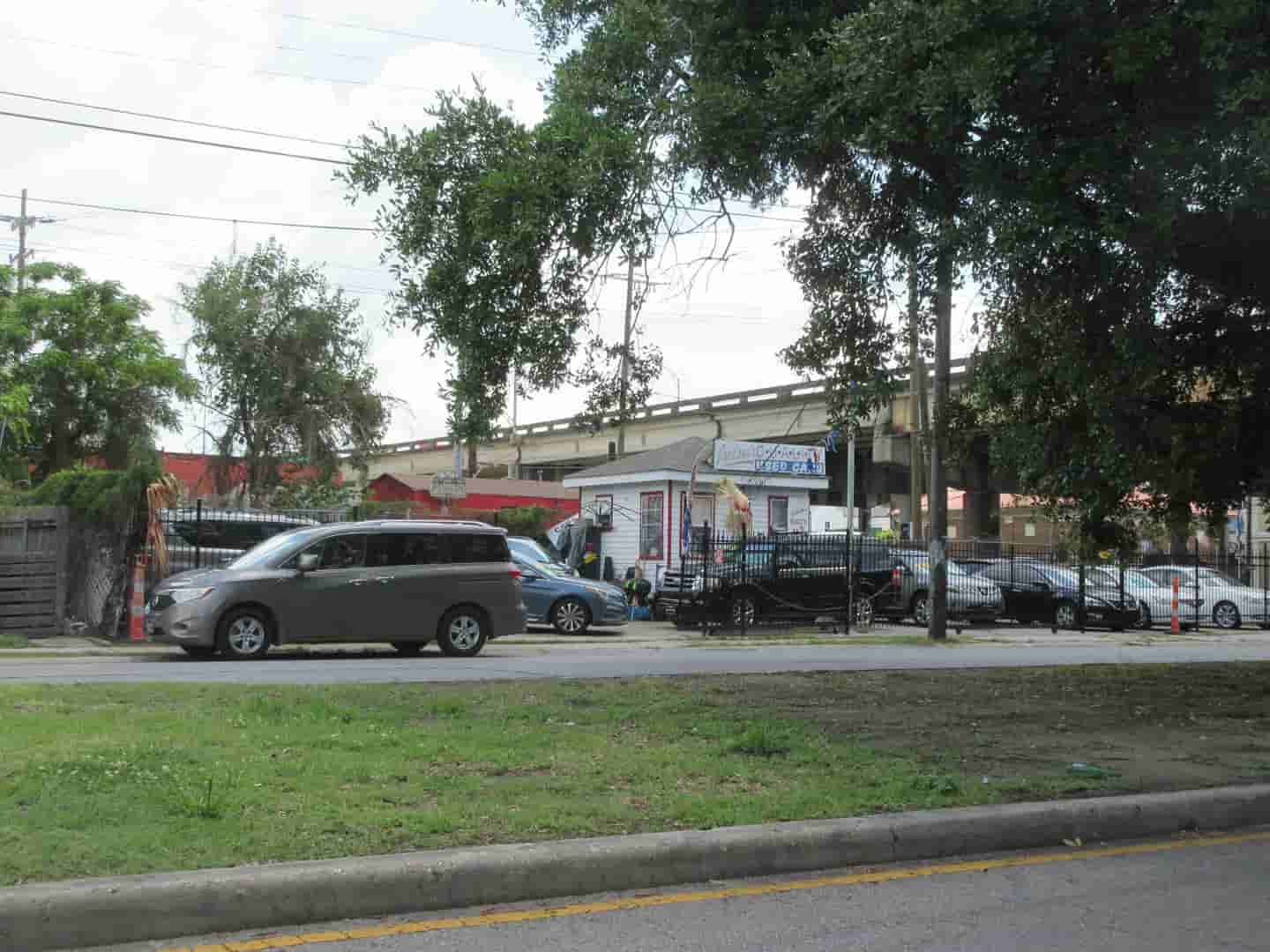
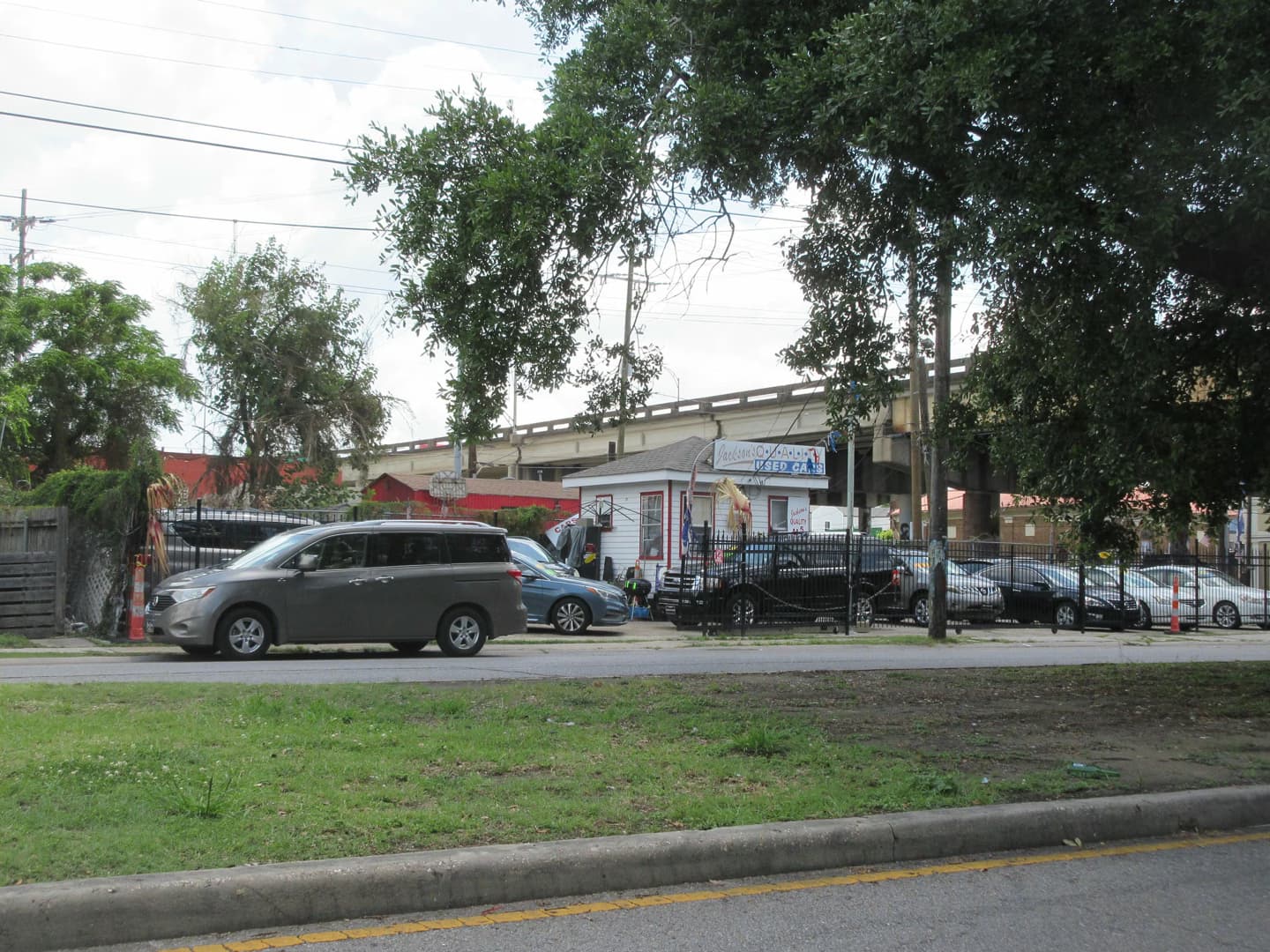
Late payments on US auto loans are rising at a worrying pace, with many of the problem loans dating back to the pandemic years, according to a Reuters analysis highlighted by the automotive site CarBuzz. The trend is drawing comparisons with the subprime mortgage lending that helped trigger the 2008 financial crisis.
Car prices soared during the pandemic as stimulus money boosted demand and supply chains broke down, forcing buyers to borrow more and over longer terms. The average monthly car payment has climbed from $550 in 2019 to $765 this year. At the same time, government stimulus checks temporarily made household budgets and credit scores look stronger on paper, leading lenders to approve loans they might otherwise have considered too risky.
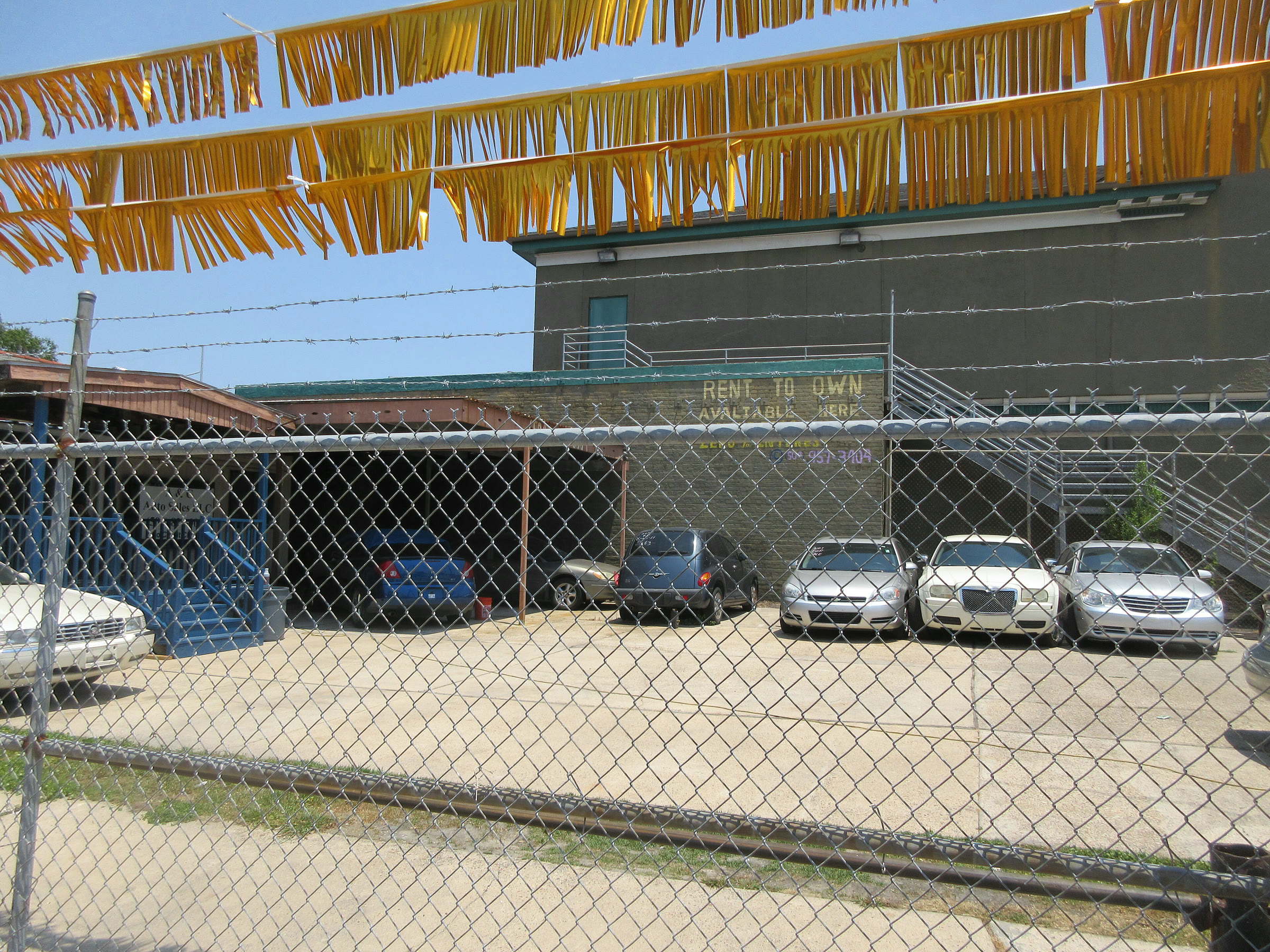
Older cars, longer loans
With pandemic support long gone, many of those borrowers are now falling behind. Buyers are also taking on older vehicles: the typical car being sold in 2026 is about six years old, compared with just over three years in 2019, which means higher maintenance and repair bills on top of the loan payments. Data from the Securities and Exchange Commission show the share of loans set to be paid off only when the vehicle is more than 12 years old has jumped from 5.8% in 2019 to more than 30% in 2026.
Rising defaults among subprime borrowers would hit investors holding asset-backed securities built on these loans. A serious downturn in the $1.7 trillion auto loan market could also weigh on carmakers already under pressure and spill over into the wider economy, although the fallout would likely be far smaller than in 2008.
Have a story, event or announcement of your own?Send us your news on WhatsApp
Spotted an error in this story?Report it on WhatsApp
Share on all social platforms
Sponsored Ads
Featured Listings
Loading featured properties...
Stay Updated with Ally Daily
Subscribe to be informed about special news, developments and announcements. We will keep you informed.
By signing up, you agree to our Privacy Policy