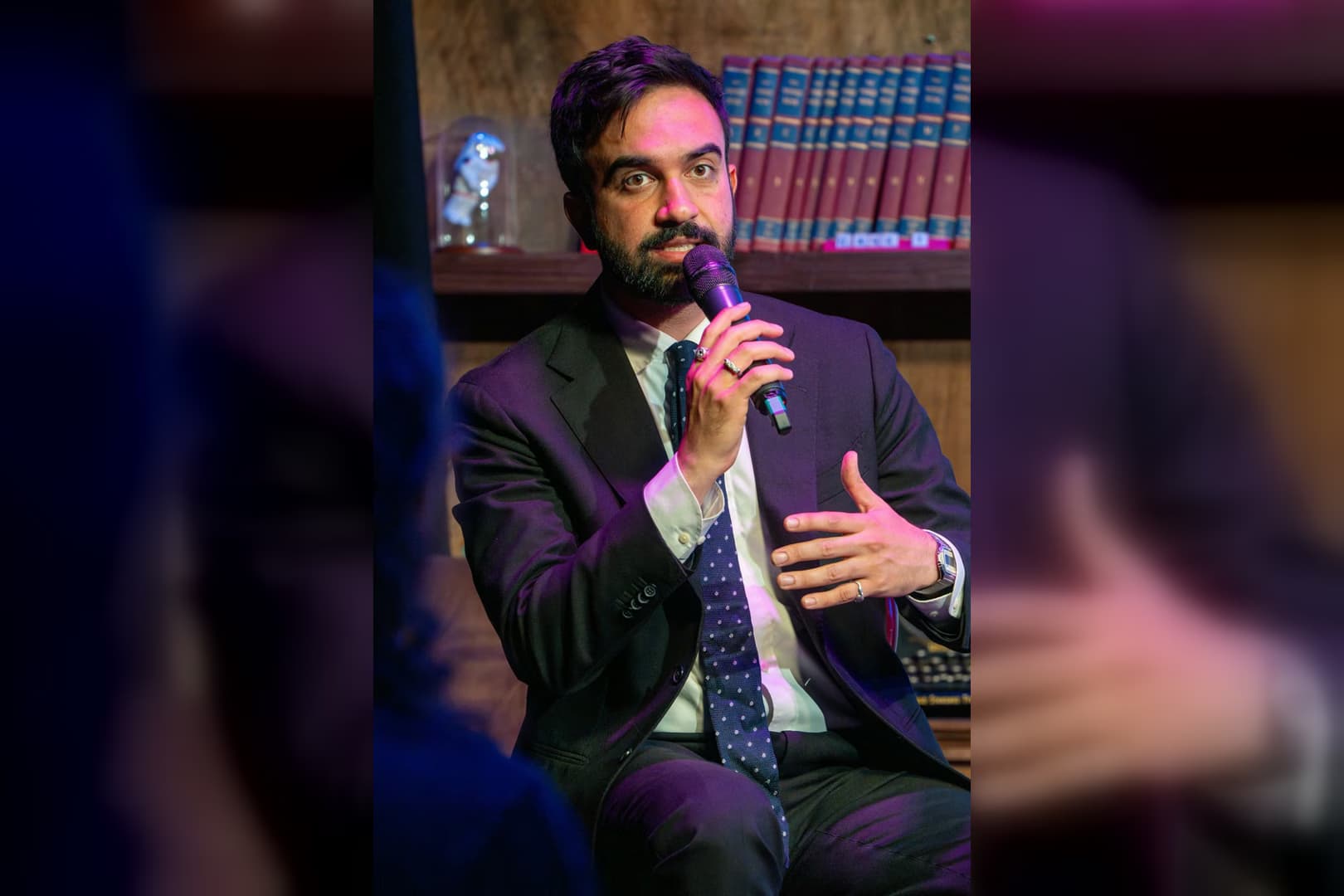
Less than two months before the 2026 U.S. midterm elections, Israel policy has emerged as one of the main issues dividing Republicans and Democrats. American academic Dr. Adam McConnel assesses the policy's impact on U.S. domestic politics and its implications for the congressional race.
McConnel says presidents and their parties in power in the United States generally lose votes in midterm elections. The political tensions during the first year of President Donald Trump's second term are also creating a significant test for Republicans.
Republicans face a Trump test
McConnel says Trump's unpredictable decision-making style presents both an opportunity and a risk for the Republican Party, noting that some candidates backed by the president have succeeded. At the same time, he says some Republican candidates believe it could be more beneficial to distance themselves from Trump in their own districts.
McConnel argues that the decision by some senior figures who previously supported Trump to distance themselves from the president over U.S. policy toward Israel has intensified the debate within the party. He says the growing disconnect among young Republican voters is also deepening the divide.
Democrats search for direction
McConnel says the Democratic Party has faced problems of direction and leadership following its defeat in the 2024 elections, while a generational conflict between younger figures and traditional, senior officials continues to fuel debate within the Democratic National Committee.
According to McConnel, Democrats initially nominated Joe Biden in the 2024 elections. After Biden withdrew from the race, Kamala Harris became the nominee; however, the party lost the presidency as well as control of the House of Representatives.
Democrats are moving toward the 2026 midterm elections without sufficiently debating the reasons for their defeat and the party's strategy, the analysis argues. McConnel says policy and generational disagreements are making it more difficult for Democrats to gain political advantage from the disputes surrounding Trump among Republicans.
Israel policy widens divisions in both parties
McConnel argues that Israel policy lies at the center of divisions within both the Republican and Democratic parties. While the Democratic Party's older and moderate wing wants traditional support for Israel to continue, its younger and progressive faction is calling for U.S. aid to be cut off.
U.S. policy toward Israel is not limited to foreign policy, the analysis says. Because of its political, cultural, military and religious dimensions, the policy has become one of the central debates in American domestic politics.
McConnel argues that the party that sets out its position on Israel policy more effectively in the 2026 midterm elections could have a long-term impact on the political balance in Congress.